
Analysis
‘Hawkish Shift’ in US Rates Upends Global Currency Bets

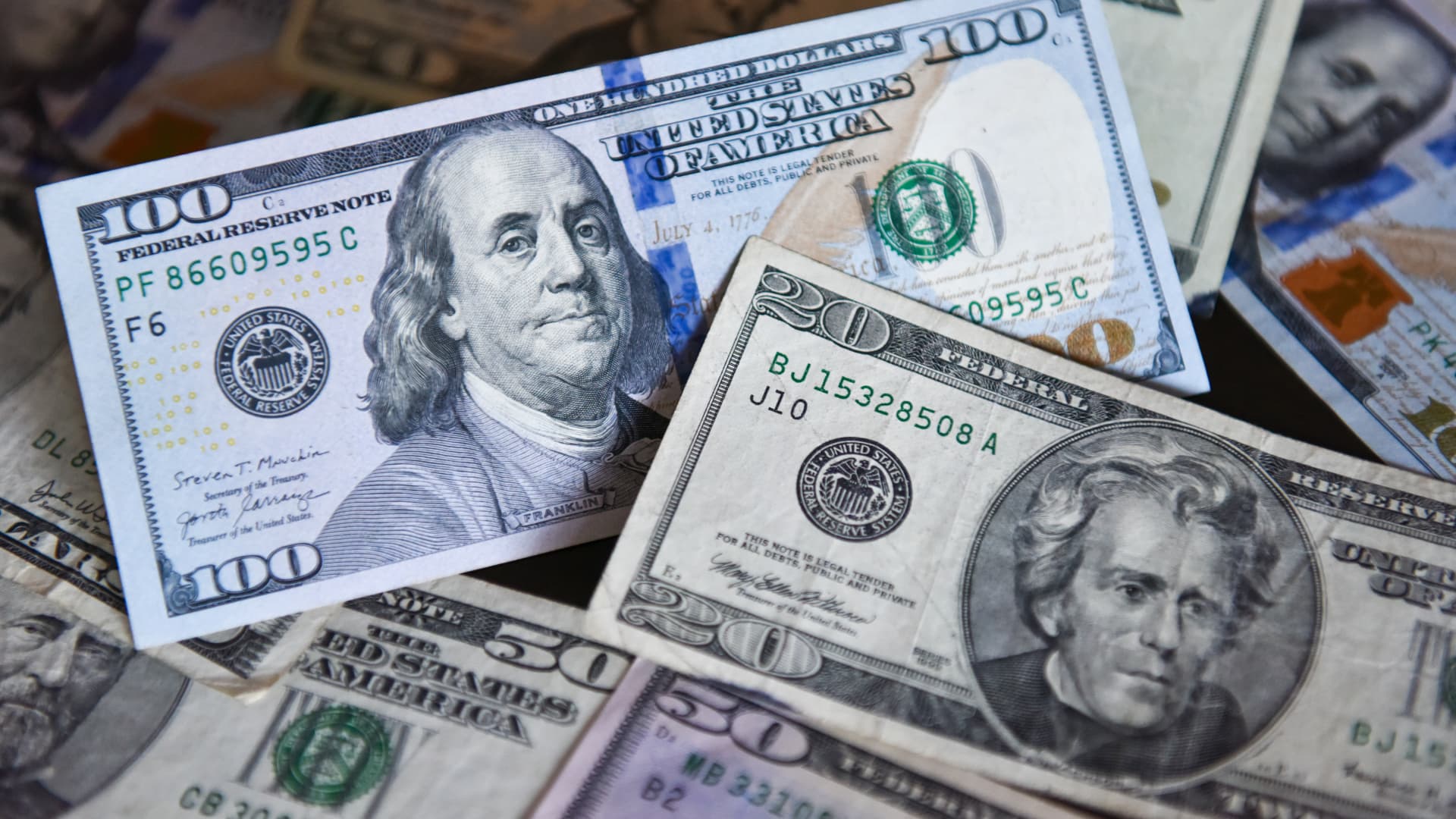
Kevin Warsh sat through his first Federal Reserve meeting as chairman on June 17, 2026, and delivered exactly what the White House didn’t want. The Fed’s hawkish shift in US interest rates sent the dollar to its strongest level in more than a year within minutes of the announcement. The Federal Open Market Committee held the federal funds rate steady at 3.50%-3.75%, an outcome almost nobody disputed. What traders hadn’t priced in was the Fed’s updated rate projections, which flipped from forecasting a cut this year to signaling a possible hike. The Dollar Index broke through 100 before the press conference even started, dragging the euro, the pound and the yen lower and forcing currency desks across six continents to rewrite their models overnight.
The Macro Backdrop: Inflation, Oil and a New Chair
The timing matters. Warsh took the gavel in May after one of the most contentious confirmation battles in Fed history — a 54-45 Senate vote that split almost entirely along party lines, according to NPR’s coverage of the confirmation. President Trump pushed hard for a chair who would cut rates aggressively. Instead, the Middle East conflict that has disrupted Gulf oil shipments pushed energy costs higher across every major economy, and Warsh’s first Summary of Economic Projections leaned the other way entirely.
The Fed’s median forecast for Personal Consumption Expenditures (PCE) inflation this year jumped to 3.6%, up from 2.7% in March, with core PCE — which strips out food and energy — revised to 3.3%, according to reporting on Warsh’s confirmation hearing and the rate path that followed. That single revision did more to move currency markets than the rate hold itself.
The decision also landed in the middle of an unusually crowded week for global rate-setters. The Bank of England met the following day. The European Central Bank had already held its deposit rate at 2.00% weeks earlier while openly debating whether to reverse course. The Bank of Japan continued its slow, deliberate path toward policy normalization. For currency traders, that compressed calendar meant every signal from Washington got measured instantly against what London, Frankfurt and Tokyo were doing — or not doing — in response.
Section 1: Inside the Dot Plot Flip
The headline number — 3.50% to 3.75% — told only half the story. The real shift sat in the Summary of Economic Projections, the Fed’s quarterly grid of where each official expects rates to land. The median projection for the federal funds rate at the end of 2026 rose to 3.8%, up from 3.4% in March. Because the current target range’s midpoint sits near 3.625%, that median crossed from implying a cut this year to implying a hike — a genuine reversal, not a rounding error.
Of the 18 officials who submitted forecasts, nine expected at least one rate hike before year-end, eight saw no change, and just one projected a cut, according to CNBC’s live coverage of the meeting. Warsh himself broke with tradition and declined to submit a dot at all, telling reporters the exercise wasn’t useful for the actual conduct of policy — an unusual stance for a sitting chair to take in his first month on the job.
Markets had been bracing for some version of this outcome for weeks. After May’s jobs report came in stronger than expected, traders priced in lower odds of a cut at the June meeting and pushed the implied probability of a hike by year-end toward 70%, according to figures CNBC’s Jeff Cox relayed from futures markets ahead of the decision. Strategists at BNP Paribas went further, warning that if the Fed failed to deliver a sufficiently hawkish signal, the bond market might begin tightening conditions on its own — effectively forcing the central bank’s hand regardless of what the committee voted. The FOMC’s actual decision to hold rates passed unanimously, a 12-0 vote that masked just how divided the projections underneath it had become.
Markets reacted instantly. The Dollar Index (DXY) spiked through the 100.00 handle to a session high just above it, having hovered in the high 99s into the decision, according to FXStreet’s market analysis of the announcement. That’s the index’s highest level since May 2025. A few currency moves stood out immediately:
- EUR/USD slid toward 1.15 as the euro absorbed the bulk of the dollar’s gain — the euro alone makes up more than half the DXY basket.
- GBP/USD dropped to around 1.343, complicating the Bank of England’s own rate decision a day later.
- USD/JPY pushed to roughly 161.30, within striking distance of the 161.62 peak last touched in July 2024, when Tokyo last intervened to defend the yen.
Goldman Sachs Asset Management’s Kay Haigh, global co-head and chief investment officer of fixed income and liquidity solutions, framed the shift as more than an oil story. Half the committee now expects a hike this year, he noted, reflecting strength in the labor market and inflation data that predates the latest spike in energy prices. His base case still calls for the Fed to avoid hikes altogether, but he described the path as narrow — and entirely dependent on the next several inflation reports.
Section 2: Why the Dollar’s Surge Reflects More Than One Rate Decision
Currency strategists have a name for this pattern: divergence. Interest-rate differentials — not absolute rate levels — are what move exchange rates, and on June 17 the gap between US policy and everywhere else widened in one stroke. The European Central Bank held its deposit rate at 2.00% in its last meeting, with policymakers debating a hike but stopping short. The Bank of Japan has raised rates gradually but remains far behind the Fed in absolute terms. Every basis point of that gap shows up in currency pricing within hours, not weeks.
How does a hawkish Fed affect currency markets?
A hawkish Fed signal typically strengthens the dollar by widening interest-rate differentials with other major economies, making dollar-denominated assets more attractive to global investors. Higher US yields draw capital inflows, pressuring the euro, pound and yen lower while raising borrowing costs for emerging-market governments and companies holding dollar debt.
That’s the textbook mechanism. The picture is more complicated this cycle because the inflation driving the Fed’s hand is largely energy-led rather than demand-led. Analysts increasingly distinguish between two flavors of “higher for longer”: rates that stay elevated because the economy is genuinely overheating, and rates that stay elevated because a supply shock — in this case, the Middle East conflict’s effect on Gulf shipping lanes — is pushing prices up independent of demand. The same projected rate path can carry very different signals depending on which force dominates, and the Fed’s own statement language hints at the ambiguity. June’s release described inflation as “elevated relative to the Committee’s 2 percent goal” and tied the pressure partly to supply shocks, while also dropping earlier language about possible additional easing.
That distinction matters enormously for currency traders. A demand-driven hawkish shift tends to be durable, supporting sustained dollar strength. A supply-shock-driven shift can reverse quickly once the underlying disruption clears — which is precisely the bet some desks are now making against the dollar’s rally.
Section 3: Who Absorbs the Pressure From Here
The second-order effects are already visible. Emerging-market currencies face what analysts call a double bind when the dollar strengthens: their own exchange rates weaken at the same time their dollar-denominated borrowing costs rise, squeezing government and corporate balance sheets simultaneously. Countries that built up dollar debt during the previous easing cycle are the most exposed.
Japan’s situation illustrates the strain at the developed-market end of the spectrum. The yen has weakened roughly 11% against the dollar over the past 12 months and is trading near territory last seen in July 2024 — the same level that triggered direct intervention from Japanese authorities, according to TradingEconomics’ currency tracking data. Japan’s Chief Cabinet Secretary has already signaled the government stands ready to act if volatility becomes excessive, language officials typically reserve for periods immediately preceding intervention.
In the United Kingdom, the Bank of England held its own Bank Rate at 3.75% on June 18, the day after the Fed’s decision, with UK inflation sitting at 2.8% but expected to climb again as the energy shock works through the economy, according to the Bank of England’s own policy statement. A weaker pound compounds that imported-inflation risk directly, since a large share of the UK’s energy and goods imports are priced in dollars. Mortgage lenders had already begun trimming fixed-rate deals in the weeks before the announcement, betting on a steadier rate path — a bet that now looks shakier if sterling keeps sliding and imported costs feed back into the Bank’s own inflation forecasts.
The mechanics that hurt emerging markets aren’t unique to any one country; they repeat in slightly different form from Ankara to Jakarta to São Paulo. Governments and corporates that issued dollar bonds when borrowing was cheap now face a currency mismatch: revenue collected in local currency, debt service owed in dollars that buy more of that local currency by the week. Central banks in those economies often respond by raising their own rates defensively, even when domestic conditions don’t call for it, simply to keep capital from fleeing toward higher US yields. That defensive tightening is itself a cost of the Fed’s hawkish shift, even though it never shows up in any US economic data release.
US equity markets felt the pull, too, though less violently. The dollar’s strength acts as a drag on multinational earnings: every sustained 10% rise in the Dollar Index has historically shaved 2% to 4% off S&P 500 earnings per share, concentrated in the most globally exposed names. Companies generating more than half their revenue overseas — a group that includes major technology and consumer-goods firms — see reported earnings shrink in dollar terms even when underlying demand abroad hasn’t changed. The S&P 500 itself held up reasonably well around the announcement, trading near 6,827, but strategists flagged growth stocks and long-duration bonds as the segments most likely to face continued valuation pressure if the hawkish path holds.
Section 4: The Dissenting Case
Not every serious analyst accepts that the Fed’s hawkish turn will stick. The single FOMC member who still projected a rate cut represents a real minority view, not a rounding error, and the argument behind it deserves a hearing. Bank of England Governor Andrew Bailey has used similar language about his own committee, telling reporters the Bank is “in no rush to raise rates” even as a minority of his colleagues pushed for a hike in April. The implicit logic on both sides of the Atlantic: an energy-driven inflation spike tied to a specific geopolitical conflict is a different animal from inflation rooted in an overheating economy, and central banks that over-tighten in response risk choking off growth just as the original shock fades.
Goldman’s Kay Haigh made essentially the same point from the sell side — his team’s base case still has the Fed avoiding a hike this year, with incoming inflation data, not the dot plot, as the deciding factor. The IMF’s broader consensus view leans toward holds rather than further tightening across most major economies for the remainder of 2026, betting that energy prices normalize before central banks feel compelled to act on the dot plot’s signal.
Skeptics of the dovish case counter that supply shocks have a habit of becoming embedded once businesses start passing higher input costs through to wages and consumer prices — the exact transmission mechanism the Bank of England flagged in its own June statement. That risk is why nine of eighteen Fed officials were willing to put a hike on paper despite the shock’s obvious geopolitical origin. Both camps are, in effect, making the same bet on how long the Middle East conflict drags on — they just disagree on what to do about it in the meantime.
The Bottom Line
The Fed’s hawkish shift didn’t emerge from a single data point or a single voice on the committee. It emerged from the collision of a genuinely uncertain inflation outlook with a new chairman determined to establish credibility independent of the president who appointed him. Warsh was picked, in part, on the expectation that he’d deliver the rate cuts Trump has demanded publicly and repeatedly. Instead, his first meeting in the chair produced the opposite signal — and currency markets, which trade on differentials rather than headlines, reacted within minutes rather than waiting for confirmation. Whether that signal survives the next two inflation reports is the question every desk from London to Tokyo is now pricing for, and the answer will likely arrive long before the Fed’s next scheduled meeting does.
Discover more from The Economy
Subscribe to get the latest posts sent to your email.


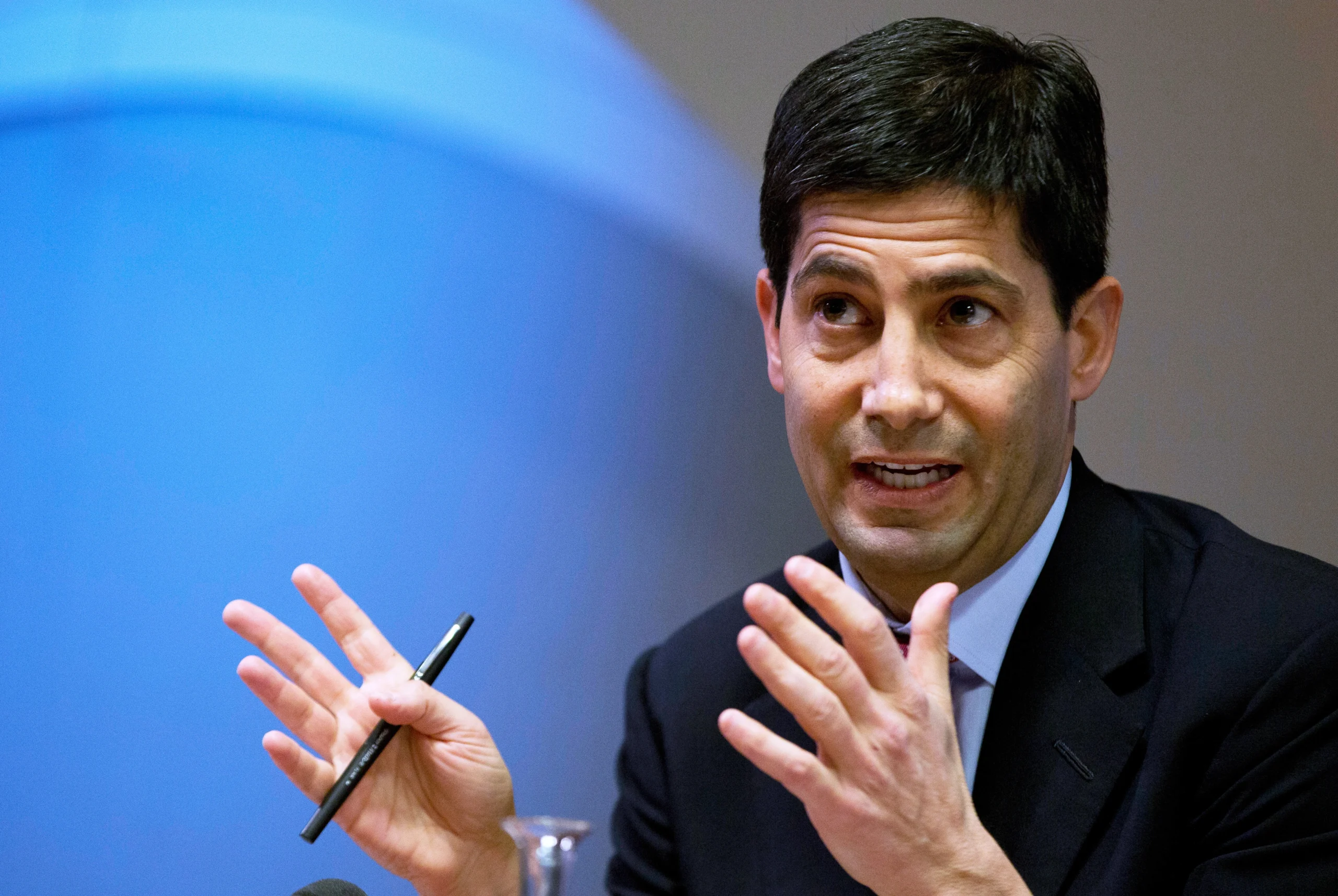
The Federal Reserve’s rate-setting committee held its benchmark borrowing rate steady on July 29, keeping it in a range of 3.5% to 3.75% — but the calm on the surface masked one of the most contested votes of the post-pandemic era. The Federal Open Market Committee split 9 to 3, with three members pushing to raise rates rather than hold, according to NPR’s coverage of the decision.
Chair Kevin Warsh, who took over the Eccles Building earlier this year after a nomination process that rattled bond markets, used his post-meeting press conference to make a point of not making a point. Rather than signal where rates are headed next, Warsh told reporters the Fed would judge market reaction “direct and unfiltered” instead of offering the rolling forecasts investors have come to expect, a stance detailed in CNBC’s meeting recap.
A rate hike was genuinely on the table
What made this meeting unusual wasn’t just the dissent — it was how close markets came to pricing in a hike rather than a cut. Fed funds futures tracked by CME Group put the odds of a rate increase at roughly 35% heading into the decision, up sharply from 26% a week earlier, according to CNBC’s markets analysis. That is a striking reversal from the rate-cutting cycle many investors had expected when Warsh’s nomination was first floated as a “productivity-led growth” pivot away from his predecessor’s caution.
The market reaction told its own story. The S&P 500 slid roughly 0.6% during Warsh’s press conference, the Dow shed more than 840 points intraday, and the 10-year Treasury yield rose to 4.657%, even as the Fed opted for a hold rather than a hike.
Why Warsh is playing it differently
Warsh’s approach reflects both economic and political calculus. Treasury yields have climbed since the Fed’s prior meeting despite the hold, a dynamic Warsh acknowledged directly. And unlike his predecessor, Warsh has been explicit that he intends to set policy independent of the White House’s preferences — even as he awaits a possible additional ally on the Board once a pending internal review concludes, according to CNBC’s analysis of the political backdrop.
Why this matters beyond Washington
A genuinely undecided Fed has knock-on effects well past US borrowers. Higher-for-longer Treasury yields pull global capital toward dollar assets, complicating rate paths in London, Ottawa, and emerging markets alike — a dynamic playing out in parallel with the UK’s own fiscal squeeze (see our companion report on the Autumn Budget) and China’s deflationary drag on global demand. For businesses and investors across the Gulf, Southeast Asia, and South Asia weighing dollar-denominated debt or dollar-pegged currencies, an unpredictable Fed chair is arguably a bigger variable than the rate level itself.
Discover more from The Economy
Subscribe to get the latest posts sent to your email.
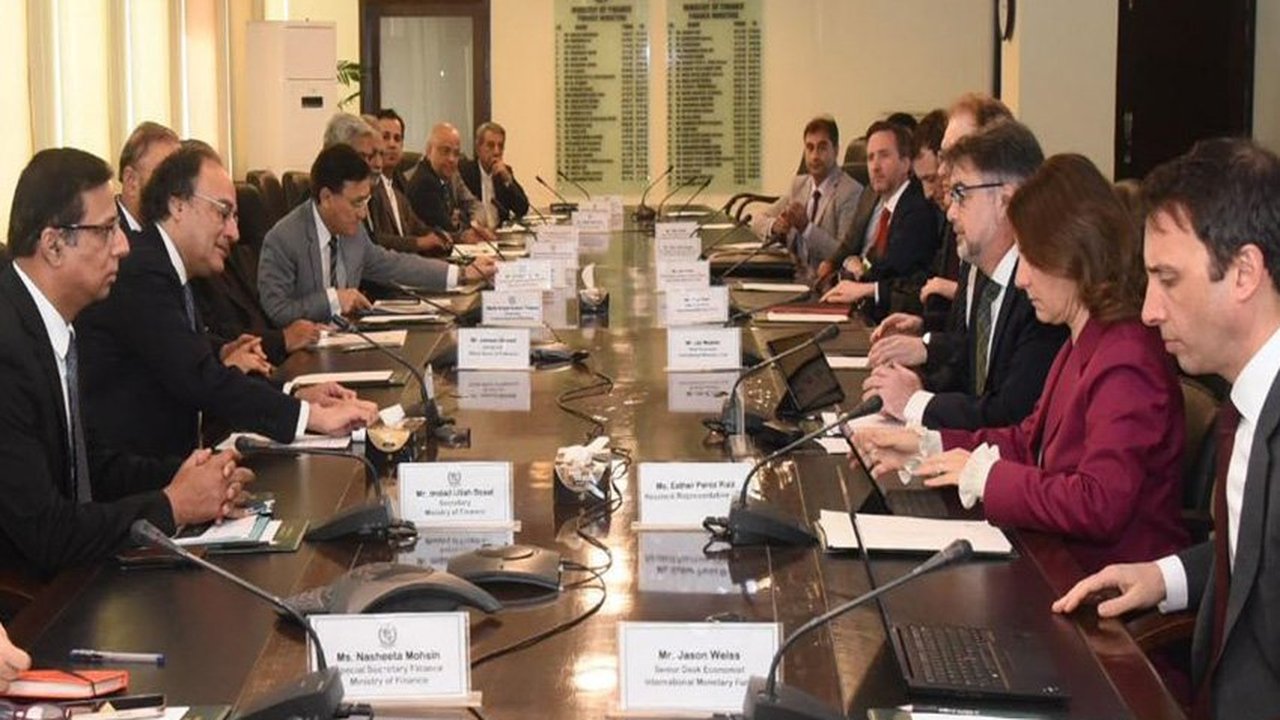
The IMF’s Executive Board completed Pakistan’s third review of its 37-month Extended Fund Facility (EFF) and second review of its Resilience and Sustainability Facility (RSF) on May 8, 2026, unlocking roughly $1.1 billion under the EFF and $220 million under the RSF, according to the IMF’s official statement. Total disbursements under both arrangements now stand at roughly $4.8 billion. Acting Chair Nigel Clarke credited Pakistan’s “strong program implementation” for supporting macroeconomic recovery and building resilience to shocks.
The Genuinely Good Numbers
By the IMF’s own account, the underlying data supports the assessment. GDP growth accelerated to an average of 3.8% year-on-year in the first half of FY26, driven by the auto, construction and garment industries, even accounting for flood disruption in July-August, according to the IMF’s staff report. Inflation, while ticking up to 7.3% year-on-year in March as commodity price pass-through hit domestic energy prices, remained within a broadly contained range, with core inflation at 7.6%. The current account was described as broadly balanced, and reserve rebuilding exceeded earlier projections — the State Bank of Pakistan projects reserves continuing to climb to roughly $18 billion by June 2026, according to analysis from the Islamabad Policy Research Institute.
The State Bank confirmed receipt of $1.3 billion from the IMF on May 12, 2026, according to CSS Prep’s policy analysis, which notes reserves had fallen to dangerously low levels in 2022-2023 before this recovery.
The External Risk the IMF Flagged Explicitly
The Fund’s own report is notably candid about downside exposure: under its April 2026 World Economic Outlook adverse scenario, the cumulative hit to Pakistan’s GDP from continued Middle East conflict could rise to around 1.5 percentage points by FY27, with inflation and the current account deficit each worsening by roughly 1.5-2.5 percentage points of GDP, according to the IMF’s staff country report. Given Pakistan’s reliance on imported energy, oil price volatility discussed in the IMF’s global outlook feeds directly into this specific country risk.
The Reform Question That Keeps Recurring
The structural policy conditions attached to this review read as familiar territory: sustaining fiscal consolidation, broadening the tax base, maintaining tight monetary policy to keep inflation within the State Bank’s target range, and advancing energy-sector reform — commitments the IMF’s own end-of-mission statement described as still “ongoing” rather than complete, per the IMF’s March 2026 mission statement.
A sharper framing comes from Pakistani policy analysts themselves: reforms that would genuinely break the IMF-program cycle — broadening the tax base to include agriculture and retail, ending energy subsidies, privatizing loss-making state-owned enterprises — impose concentrated, visible costs on politically organized interest groups, while the benefits of reversing those costs are diffuse and delayed, according to CSS Prep’s analysis. That political-economy imbalance, the analysis argues, consistently favors populist continuation of stabilization support over the structural reform that would end the need for it — a pattern this third review’s genuine macroeconomic progress doesn’t yet break.
Social Cost of the Adjustment
Pakistan’s poverty headcount rate rose to 25.3% in FY24, up sharply from 18.3% in FY22, driven by overlapping shocks from COVID, floods and inflation, according to the IMF’s staff report. The Benazir Income Support Programme (BISP) remains the primary social protection mechanism absorbing the distributional cost of IMF-mandated energy price increases and fiscal tightening — whether its scale is adequate remains, in the IMF’s own words, a live policy question rather than a settled one.
Discover more from The Economy
Subscribe to get the latest posts sent to your email.
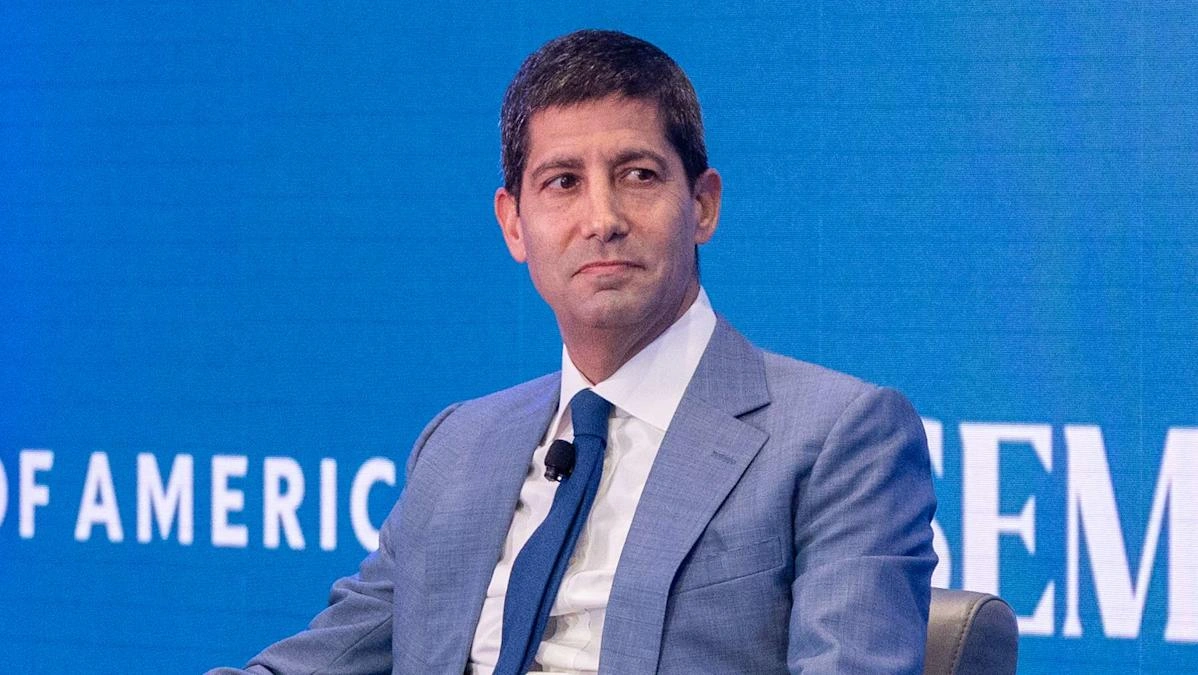
The Federal Reserve held its benchmark interest rate steady at 3.5%-3.75% on July 29, 2026, but the more consequential detail was the vote itself: 9-3, with three regional Federal Reserve Bank presidents — Cleveland’s Beth Hammack, Minneapolis’s Neel Kashkari, and Dallas’s Lorie Logan — dissenting in favor of a rate hike, according to CNBC’s coverage of the meeting. Inflation has remained above the Fed’s 2% target for more than five years, the underlying tension driving the split.
A New Chair, A Different Communication Style
The decision was the latest under Fed Chair Kevin Warsh, who took over after Jerome Powell’s term expired on May 15, 2026, according to iShares’ 2026 Fed outlook. Warsh has deliberately shortened the Fed’s post-meeting statements and pulled back on the kind of explicit forward guidance markets had grown accustomed to under his predecessors — he has reportedly dedicated one of five internal task forces specifically to rethinking how the Fed communicates, according to CNBC’s reporting. Warsh has publicly called inflation “a choice,” repeatedly emphasizing the importance of getting prices under control in recent congressional testimony.
At his post-meeting press conference, Warsh pushed back on characterizing the decision as a “pause,” instead describing it as “a rigorous review of the economic situation” and “a view of what our own homework is to try to resolve those questions in the period ahead,” according to a separate CNBC recap. Warsh has reportedly used the phrase “family fight” 13 times across five public appearances to acknowledge the committee’s internal divisions — an unusually candid framing for a sitting Fed Chair.
Why the Split Exists
Governor Christopher Waller has separately voiced concern that higher rates could become necessary without more inflation progress, even though he voted for the hold at this meeting. The full committee’s June projections penciled in one quarter-point increase by the end of 2026 — a notable shift from the rate-cutting path markets had priced in earlier in the year, according to the Fed’s own June 2026 Summary of Economic Projections, which explicitly flags that the federal funds rate outlook “is subject to considerable uncertainty” given how sensitive each participant’s view is to how inflation and employment data evolve from here.
Complicating Factors
Renewed U.S.-Iran tensions have already pushed mortgage rates near a one-year high independent of the Fed’s own decisions, since longer-term rates track Treasury yields and inflation expectations rather than the Fed funds rate directly, according to CNBC’s analysis. Separately, iShares had earlier projected that once a new Chair was confirmed, the Fed might seek one or two rate cuts to bring rates closer to a 3%-3.25% range — a path the July hold and hawkish dissents now put in serious doubt.
The next FOMC meeting is scheduled for September 15-16, 2026, and will include a fresh Summary of Economic Projections, according to Forbes’ Fed tracker — the next real test of whether Warsh’s committee can narrow its internal divide or whether the “family fight” framing becomes the defining feature of Fed policy through the rest of 2026.
Discover more from The Economy
Subscribe to get the latest posts sent to your email.

Rachel Reeves’s £25 Billion Problem: What the Autumn Budget Gap Means for Britain

Inside the Fed’s Most Divided Vote in Years: Why Warsh Held the Line on Rates

Pakistan Passed Its Third IMF Review

The Fed Is Fractured — And a New Chair Just Made It Louder, Not Quieter

The UK Economy in 2026 Is Neither Recession Nor Recovery :Stagflaton

Indonesia’s $121 Billion Nickel Bet Is Facing a Battery Chemistry

Why Ultra-Wealthy Families Are Splitting Between Singapore and Dubai inmarkets 2026

China Chose Political Control Over Fixing Its Deflation Trap in 2026

Oil Markets Are Oversupplied and Geopolitically Explosive at the Same Time

Russia’s Budget Deficit Blew Past Its Full-Year Target in Three Months

Malaysia’s Rare Earth Bet: Six Powers Are Negotiating for Kuantan at Once

Gulf Sovereign Capital Bypasses Pakistan Despite Record 2026 Spending Spree

Pakistan’s $10bn US Facility Request: Inside the New Gulf Capital Triangle

China Criticizes US Bill Targeting Russian Oil Buyers — Why It Matters

AI Bubble Warning 2026: Why BIS, IMF and Bank of England Fear a Market Crash

Russia Bans Diesel Exports 2026: Global Fuel Market Impact Explained

Gold Price Forecast 2026: Fed’s July 29 Decision and Record Central Bank Buying Explained

Strait of Hormuz Blockade 2026: Oil Prices Surge 9% as US-Iran Conflict Reignites

Strait of Hormuz 2026: Why Markets Still Don’t Trust It’s Open

Down But Not Out: Inside the Slow Sinking of Russia’s War Economy

Gulf Capital Retreat From Pakistan 2026: UAE Loan Freeze & What It Means

China Politburo July 2026: Stimulus Signals Explained

Pakistan IMF Deal 2026: Third Review Cleared, Budget 2026-27 and Inflation Outlook

Pakistan Economy 2026: GDP Grows 3.7% as IMF Completes EFF Review Amid Middle East Risk

Apple vs OpenAI Lawsuit: The Economic Story Behind the Headline

Global Stock Market Selloff 2026: Stagflation Fears Return as Iran Conflict Reignites

The Yuan Now Settles 67% of Russian Oil Payments — Quiet De-Dollarization in Action

Indonesia Russian Oil Imports 2026: Why Jakarta Is Diversifying Crude Supply
-

 Markets & Finance7 months ago
Top 15 Stocks for Investment in 2026 in PSX: Your Complete Guide to Pakistan’s Best Investment Opportunities
-

 Analysis5 months ago
Johor’s Investment Boom: The Hidden Costs Behind Malaysia’s Most Ambitious Economic Surge
-

 Analysis6 months ago
Top 10 Stocks for Investment in PSX for Quick Returns in 2026
-

 Analysis6 months ago
Brazil’s Rare Earth Race: US, EU, and China Compete for Critical Minerals as Tensions Rise
-

 Banks7 months ago
Best Investments in Pakistan 2026: Top 10 Low-Price Shares and Long-Term Picks for the PSX
-

 Investment7 months ago
Top 10 Mutual Fund Managers in Pakistan for Investment in 2026: A Comprehensive Guide for Optimal Returns
-

 Global Economy7 months ago
15 Most Lucrative Sectors for Investment in Pakistan: A 2025 Data-Driven Analysis
-

 Global Economy7 months ago
Pakistan’s Export Goldmine: 10 Game-Changing Markets Where Pakistani Businesses Are Winning Big in 2025