
Banks
Kevin Warsh’s Fed Debut: Rate Hikes Now on the Table as U.S. Monetary Policy Enters a New Era

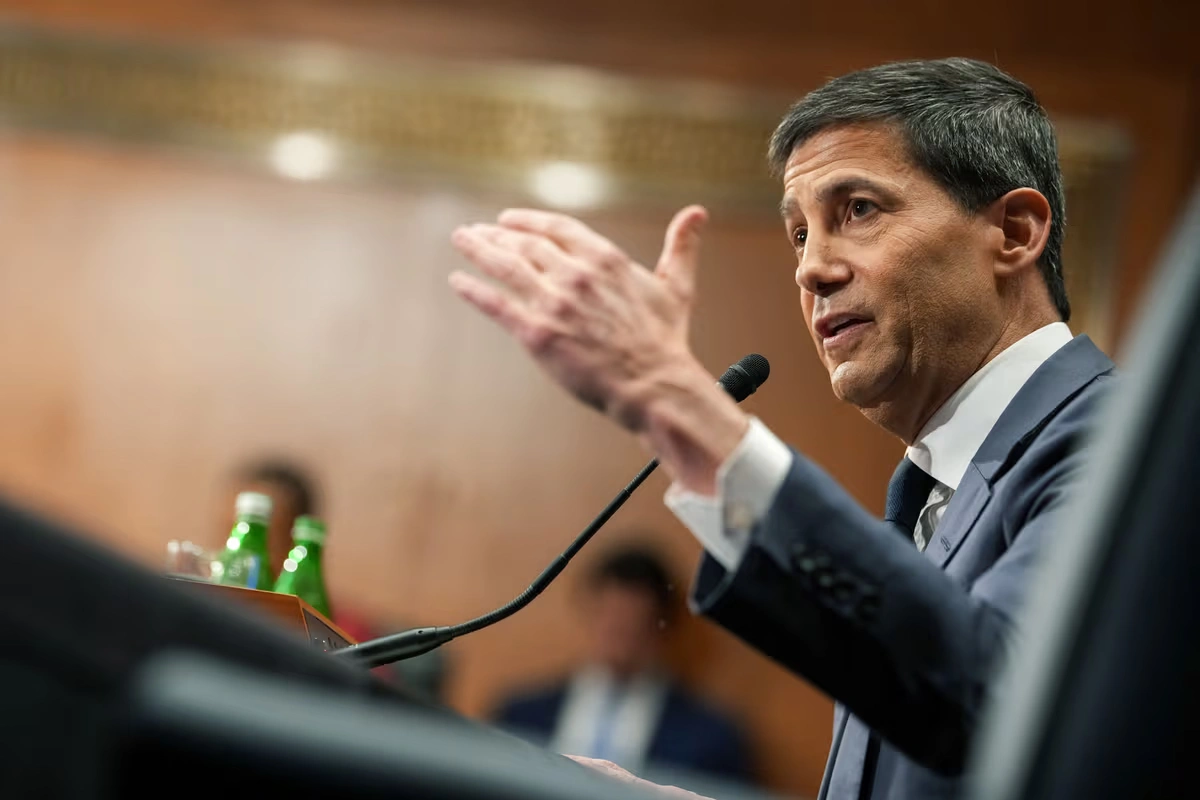
New Federal Reserve Chairman Kevin Warsh held rates steady at 3.50–3.75% at his first FOMC meeting, but signalled rate hikes are possible as inflation hits a three-year high. What this means for markets, mortgages, and the economy.
Key Takeaways
- The Fed unanimously held rates at 3.50–3.75% at Warsh’s first FOMC meeting on June 17–18, 2026
- Nine of 18 committee members now project a rate hike by year-end — a complete reversal from earlier in 2026
- Warsh declined to submit his own dot-plot projection and announced five task forces to reform Fed communications
- U.S. inflation hit 4.2% annually in May, driven primarily by energy prices linked to the Iran conflict
- Markets now price a 49% probability of a September rate hike, up from 27% the day before the meeting
A New Sheriff at the Fed
The Federal Reserve’s June 2026 meeting was always going to be historic. It was the first chaired by Kevin Warsh, confirmed by the Senate on May 13, 2026, and sworn in on May 22 — arriving at the Fed’s helm at arguably the most fraught monetary moment since the post-pandemic inflation surge of 2021–2023 (CBS News, June 2026).
What the market got was a meeting that held no surprises on rates — the FOMC voted 12-0 to keep the benchmark federal funds rate anchored at 3.50%–3.75% — but delivered a seismic shift in tone, communications philosophy, and forward guidance that sent stocks lower, bond yields sharply higher, and traders scrambling to reprice the rate path for the rest of 2026 (Fox Business, June 17, 2026).
What the Dot Plot Revealed
The June Summary of Economic Projections told the real story. The dot plot — which charts individual FOMC members’ rate expectations — showed that all but one participating policymaker believe interest rates will remain where they are or increase by end-2026 (Chase / J.P. Morgan Wealth Management, June 2026). That is a dramatic reversal from March, when the average committee member was projecting at least one rate cut in 2026.
Nine of the 18 voting members specifically indicated a rate hike is needed before year-end, with six of those projecting two 25-basis-point hikes (Fox Business). The committee now sees PCE inflation at 3.6% at year’s end — up from its March projection of 2.7% — and revised GDP growth modestly lower to 2.2%, with unemployment expected at 4.3% (CNBC, June 17, 2026).
Most significantly, there was one dot missing from the chart: Warsh’s own. In an unusually direct signal, the new chairman confirmed at his post-meeting press conference that he had declined to submit a personal rate forecast. “I did not submit a dot for me,” he said. “It’s not helpful in the conduct of policy.” He announced plans for a broad review of Fed communications, including press conferences, dot plots, meeting transcripts, and minutes — signalling a potentially fundamental overhaul of how the world’s most powerful central bank speaks to markets (CNBC).
Why Inflation Has Derailed the Cuts Narrative
The backdrop to Warsh’s debut is an inflation picture dramatically worse than expected at the start of the year. The Consumer Price Index rose 4.2% year-on-year in May — the highest reading since April 2023 — driven almost entirely by the energy price shock that followed the U.S.-Israel military strikes on Iran in late February 2026 (CBS News).
West Texas Intermediate crude futures spiked from approximately $57 per barrel at the start of 2026 to a peak of $113 in April before recently retreating toward $76 as ceasefire talks progressed (U.S. Bank Asset Management, June 2026). The Core PCE Price Index — the Fed’s preferred inflation gauge, which strips out volatile food and energy — remains more contained at 2.9%, offering policymakers some political cover for patience. But headline inflation above 4% is politically toxic and difficult to explain to American households facing elevated energy bills (NPR, June 17, 2026).
Warsh has argued publicly that supply-shock inflation — the kind driven by a geopolitical disruption rather than excess demand — should generally be looked through when formulating monetary policy. That view has its academic supporters. But it becomes harder to defend when a resilient labour market complicates the argument for accommodation: U.S. employers added 172,000 jobs in May, and the unemployment rate has held at 4.3% for a full year (CNBC). A tight labour market alongside 4.2% headline inflation gives hawks ample ammunition.
A Shorter Statement, a Different Philosophy
The most visible immediate change under Warsh was the Fed’s policy statement itself. The June release was dramatically shorter than past statements — stripped of the forward-guidance language that has characterised Powell-era communications and replaced with a simple, declarative commitment: “This committee will deliver price stability.” (Fox Business).
That brevity is a philosophy, not just an aesthetic choice. Warsh has long been a critic of elaborate forward guidance, arguing that explicit rate-path signalling constrains the Fed’s flexibility and can create self-fulfilling market dynamics that complicate, rather than clarify, policy transmission. By stripping the statement down to its essentials and declining to offer his own dot, Warsh is deliberately reintroducing uncertainty into the forward rate path — a radical departure from the communication frameworks that defined the Bernanke, Yellen, and Powell eras (U.S. Bank).
Whether this enhances credibility or simply increases volatility remains to be seen. But the market’s reaction was unambiguous: the Dow fell 507 points (0.98%), the S&P 500 dropped 1.21%, and the Nasdaq Composite declined 1.34% (CNN Business, June 17, 2026). Two-year Treasury yields — the most sensitive market instrument to near-term Fed expectations — jumped 16 basis points to 4.21%, their highest level in over a year. Traders moved quickly to reprice September: the probability of a hike rose from 27% the day before to 49% immediately after the press conference (CNN Business).
The Warsh-Trump Dynamic
President Trump nominated Warsh with an expectation, made clear in public statements, that the new chairman would push for lower interest rates. That calculation has been upended by the Iran war’s inflationary consequences. Warsh faces a structurally awkward position: the president who elevated him wants cheap money; the data he is sworn to follow is demanding the opposite (NPR).
Warsh has vowed publicly that the Fed will remain “strictly independent” in overseeing monetary policy. His June meeting — where he followed through on that pledge despite obvious political headwinds — represents his first credibility test. The five task forces he announced to review Fed operations signal a reformist agenda that could eventually reshape the institution’s structure, independence framework, and public communications in ways that markets have not yet fully priced (CNBC).
Notably, former Chairman Jerome Powell — whose term as chairman expired in May — has elected to remain on the Fed’s governing board for a period, promising to keep a low profile (NPR). His presence provides institutional continuity during a transition period, but also ensures that any significant policy shift by Warsh will be evaluated against a living, present benchmark.
Implications for Borrowers and Investors
The June meeting’s hawkish signal has direct consequences for borrowers, particularly in the housing market. Mortgage rates, which track long-term Treasury yields rather than the Fed’s overnight rate directly, are unlikely to retreat materially in the near future (CNN Business). The combination of elevated inflation, a possible September hike, and rising 2-year yields keeps refinancing incentives weak and new purchase affordability constrained.
For bond investors, the Fed’s revised dot plot means the yield curve steepening trade — which assumed cuts arriving in H2 2026 — is effectively dead for now. The CME FedWatch gauge, ahead of the June meeting, was already pricing no cuts in 2026 and a quarter-point hike by year-end (CNBC). Post-meeting, that baseline has only strengthened.
For equity investors, the picture is more nuanced. Higher-for-longer rates are traditionally a headwind for growth stocks and long-duration assets. But U.S. Bank’s asset management team notes that consumer spending and corporate earnings growth remain resilient, supported by lower corporate and individual taxes and recent tariff rebates — factors that could cushion the earnings impact of tighter monetary conditions (U.S. Bank).
What to Watch Next
The key variable is energy prices. If the U.S.-Iran peace framework holds — and Brent crude continues its retreat from $113 toward the mid-$70s — the inflation impulse could fade naturally, reducing the case for a September hike and giving Warsh room to stay on hold through year-end. If the Hormuz situation deteriorates again, the inflationary pressure resumes, and the hawks on the committee who projected two hikes will find their forecast validated.
Beyond the rate path, Warsh’s five task forces represent the real long-term story. Reviews spanning monetary policy operations, communications, data sources, productivity, and labour markets suggest a chairman who intends to leave a structural mark on the institution — not merely a cyclical one. The outcomes of those reviews, expected by year-end, could reshape how the Fed operates for the next decade.
Discover more from The Economy
Subscribe to get the latest posts sent to your email.


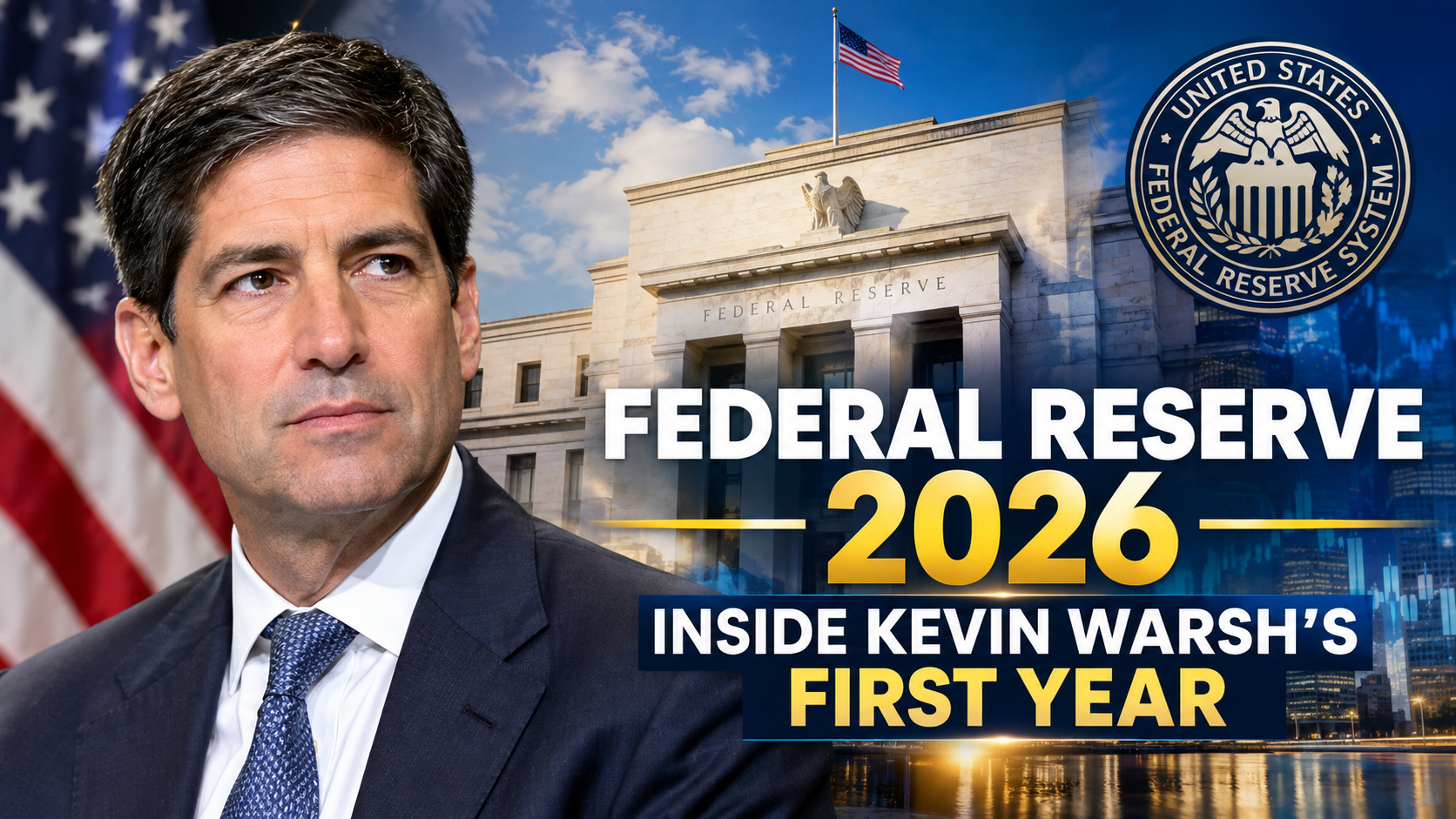
Who is the Federal Reserve chair in 2026? Kevin Warsh was confirmed as the 17th chair of the Federal Reserve in a narrow 54-45 Senate vote on May 13, 2026 — the most divisive confirmation in the Fed’s history — with his term officially beginning when Jerome Powell’s term expired two days later, according to J.P. Morgan Wealth Management’s analysis. Warsh, who at 35 had been the youngest person ever appointed to the Fed’s Board of Governors back in 2006, returned to the central bank after years in the private sector, including a stint as a partner at Duquesne Family Office.
His confirmation followed months of tension between President Trump and outgoing Chair Powell over the pace of rate cuts, and markets immediately began parsing Warsh’s public statements for clues about where he would steer policy.
What Warsh Actually Believes About Inflation
Featured Snippet Target: Fed Chair Kevin Warsh has signaled tighter inflation discipline through a “trimmed averages” approach to measuring price changes — removing the most extreme price movements from the inflation basket before calculating overall trends — while also arguing in a pre-confirmation Wall Street Journal op-ed that artificial intelligence could act as a significant disinflationary force on the broader economy.
That combination puzzled Fed-watchers who expected Warsh, nominated by a president who had repeatedly pushed for lower rates, to simply deliver the dovish policy Trump wanted. Instead, according to analysis from The Motley Fool, Warsh has been notably tight-lipped in his first months, by design — he has stated he wants the Fed to take more of a “back seat” in market communication, believing markets function more efficiently digesting economic data directly rather than reacting to Fed guidance.
The First Meeting: A Hawkish Surprise
Warsh’s debut as chair came at the June 16-17, 2026 FOMC meeting, and it delivered a genuine surprise to markets pricing in continued easing. The Fed held its federal funds rate steady at 3.50%-3.75% for a third consecutive meeting, but new quarterly projections showed nine Fed officials now anticipating a rate hike by the end of 2026 — a sharp reversal from the cutting cycle markets had expected — with the median forecast raised to 3.6% by year-end, according to reporting from The Daily Record. The updated policy statement also removed all forward guidance language about future rate moves, adopting a shortened format reminiscent of the Alan Greenspan era — an early, tangible sign of Warsh’s stated preference for a more narrowly focused, less communicative central bank.
That hawkish pivot came against a genuinely difficult inflation backdrop. Inflation had been running stubbornly above the Fed’s 2% target even before Warsh’s arrival, and the eruption of the Iran conflict in late February 2026 pushed oil prices sharply higher, adding a fresh layer of cost-push inflation pressure just as the new chair was settling in.
Why the FOMC Itself Is Divided
Warsh inherited a genuinely split committee. The 19-member FOMC had signaled openness to a prolonged pause after delivering three rate cuts in the prior fall, with many policymakers believing those cuts had sufficiently addressed slowing job growth, according to analysis from ChannelChek. April 2026’s meeting — held before Warsh’s confirmation — brought the most policy disagreement among committee members in decades, reflecting a genuine intellectual split between officials worried about persistent inflation and those worried about a weakening, “low-hire, low-fire” job market.
Convincing that divided committee to resume cutting rates, rather than hike as the June projections suggested, will likely be one of Warsh’s most consequential early challenges — particularly if inflation data continues running hot on the back of elevated energy costs.
The Bigger Structural Agenda
Beyond the immediate rate debate, Warsh has signaled an intent to reshape how the Fed operates more broadly. He has stated a goal of shrinking the central bank’s balance sheet and strengthening coordination between the Fed, the Treasury, and the White House on economic policy, according to reporting on his confirmation. That coordination goal is itself a departure from the traditional emphasis on Fed independence from fiscal policymakers — a shift some economists have flagged as worth watching closely, given how central bank independence has historically been treated as a bulwark against politically-driven inflation.
The Market Reaction
Markets initially reacted to Warsh’s nomination with genuine uncertainty rather than a clear directional bet. Following his January 2026 nomination, Fed funds futures were pricing a 65.3% probability of at least one rate cut by June — up from 61.8% the prior day — with markets pricing in a total of 52 basis points of cuts for all of 2026 at that point, according to fixed-income commentary from Asset Allocation & Management Company. That dovish pricing has since been substantially unwound by the actual June hawkish pivot — a reminder that a new Fed chair’s confirmed policy stance, once articulated in an actual meeting, matters far more to markets than pre-confirmation speculation about political allegiance.
The Bottom Line
Kevin Warsh’s first months as Fed chair have defied the simple “Trump appointee cuts rates” narrative that dominated coverage of his nomination. Instead, he has delivered a genuinely hawkish debut meeting, adopted a more hands-off communication style, and articulated an inflation-measurement philosophy that gives him intellectual cover to hold rates higher for longer if energy-driven inflation persists. Whether that stance holds through the rest of 2026 will depend heavily on how the Iran conflict’s economic fallout evolves and whether the divided FOMC can coalesce around a consistent direction.
Next step: Track the Fed’s quarterly Summary of Economic Projections alongside actual CPI and PCE inflation prints — the gap between the two, more than any single Warsh public statement, is the clearest signal of whether the Fed’s late-2026 rate path tilts toward the hike some officials now anticipate or back toward the cuts markets originally expected.
Discover more from The Economy
Subscribe to get the latest posts sent to your email.
As of the week ending September 10, 2026, the average 30-year fixed-rate mortgage in the United States stood at 6.76%, up from 6.71% the prior week, according to Freddie Mac’s Primary Mortgage Market Survey reported via Trading Economics. The 15-year fixed-rate mortgage averaged 6.09% over the same period, up from 6.04% a week earlier. A year ago, the 30-year rate averaged 6.35% — meaning today’s borrowers are paying roughly 40 basis points more than they were twelve months prior.
| Loan Type | Recent Average Rate | Prior Week | One Year Ago |
|---|---|---|---|
| 30-year fixed | 6.76% | 6.71% | 6.35% |
| 15-year fixed | 6.09% | 6.04% | 5.50% |
Freddie Mac’s chief economist, Sam Khater, has consistently urged borrowers not to accept the first quote they receive, noting that shopping around and collecting multiple offers can save thousands of dollars over the life of a loan.
Why Rates Are Stuck Near 7%
Three forces have kept mortgage rates elevated through the back half of 2026, and understanding each one helps explain why “wait for rates to drop” has been bad advice for most of the year.
1. The 10-year Treasury yield. Mortgage rates track the 10-year Treasury yield closely, and that yield climbed toward the 4.77%–4.78% range in early September as the U.S. government’s continued heavy borrowing pushed investors to demand higher compensation, according to rate coverage from The Mortgage Reports.
2. Fed policy under a new chair. Fed Chair Kevin Warsh signaled a tougher anti-inflation stance at the Jackson Hole gathering than markets had priced in, pushing the 30-year fixed rate to 6.91% by September 14 — near the psychologically important 7% threshold — as rate-cut expectations were pushed back.
3. Oil and geopolitical risk. Renewed U.S.-Iran tensions pushed oil prices above $93 a barrel in early September, adding inflationary pressure that works against any near-term easing in borrowing costs.
The combined effect has weighed on affordability: the median existing home price hit a record $434,100 in July 2026, meaning a buyer putting 20% down at prevailing rates faces a monthly payment of roughly $2,255 — nearly a quarter of the average family’s annual income, based on figures compiled by NoradaRealEstate’s rate-tracking series.
Credit Acceptance: Why Your Score Still Moves the Needle
The rates quoted above are national averages — what any individual borrower actually pays depends heavily on credit profile, down payment size, and loan type. This is where “credit acceptance” as a search term becomes relevant: lenders price risk on a sliding scale, and the gap between a top-tier borrower’s rate and an average borrower’s rate can run a full percentage point or more.
Featured Snippet Target: Credit acceptance in a mortgage context refers to a lender’s willingness to approve and price a loan based on a borrower’s credit profile — score, debt-to-income ratio, and payment history — with stronger profiles typically qualifying for rates 0.25% to 1% below the published national average, translating into thousands of dollars in savings over a 30-year term.
Government-backed loan programs continue to price meaningfully below conventional rates for borrowers who qualify. As of early September, 30-year VA loans were averaging 6.14%, and 15-year VA loans 5.91% — roughly half a point below their conventional counterparts, based on the same Zillow-sourced data used in NoradaRealEstate’s daily rate tracker. FHA loans have shown a similar discount, reflecting the government guarantee that reduces lender risk regardless of an individual borrower’s score.
Where Rates Might Go From Here
Forecasters remain split. The Mortgage Bankers Association’s own projections, cited in earlier 2025 coverage from Yahoo Finance, expected rates to hold at or just above 6% through 2026 — a forecast that has proven optimistic given the current mid-to-high 6% range. Some housing-market analysts covering the September data have gone further, warning rates could climb above 7% before the year is out if the Fed holds firm on inflation and Treasury yields keep climbing.
For context, rates have swung significantly within 2026 alone: the 30-year fixed dipped as low as 5.98%–6.07% in late February and early March, before climbing back through the summer and into the high 6% range by September. That volatility is itself the headline for borrowers trying to time a purchase — waiting for a “better moment” has not been a reliably successful strategy this year.
Practical Takeaways for Borrowers
- Rate-lock timing matters more than usual in 2026. With daily and weekly swings of 5–15 basis points common, locking a rate the same day you get pre-approved reduces exposure to short-term Treasury-yield volatility.
- VA and FHA borrowers are getting a real discount right now — roughly half a point below conventional rates as of September, per the sources above.
- Improving credit acceptance odds before applying pays off. Paying down revolving debt and avoiding new credit inquiries in the 60–90 days before applying remains the most reliable lever borrowers control directly, even as the broader rate environment stays out of their hands.
- “Marry the house, date the rate” — the idea of buying now and refinancing later when rates fall — has become a talking point in 2026 coverage, but it assumes a refinancing window that may not materialize on any predictable timeline.
The Bottom Line
Mortgage rates today sit in a stubborn mid-to-high 6% band, driven by Treasury-yield pressure, a hawkish Fed stance, and oil-price-linked inflation risk. Credit acceptance — how a borrower’s individual profile is priced against that national backdrop — remains the single biggest lever within a buyer’s control, with government-backed loan programs currently offering the clearest path to a below-average rate.
Next step: Pull rate quotes from at least three lenders before locking, and specifically ask each one to price both a conventional and a government-backed (FHA/VA) option side by side — the spread between the two has been unusually wide in 2026’s rate environment.
Discover more from The Economy
Subscribe to get the latest posts sent to your email.
Opinion
Federal Reserve Defies White House Pressure: Inside Trump’s Demand for Sub-1% Interest Rates After Historic 2026 Rate Hike
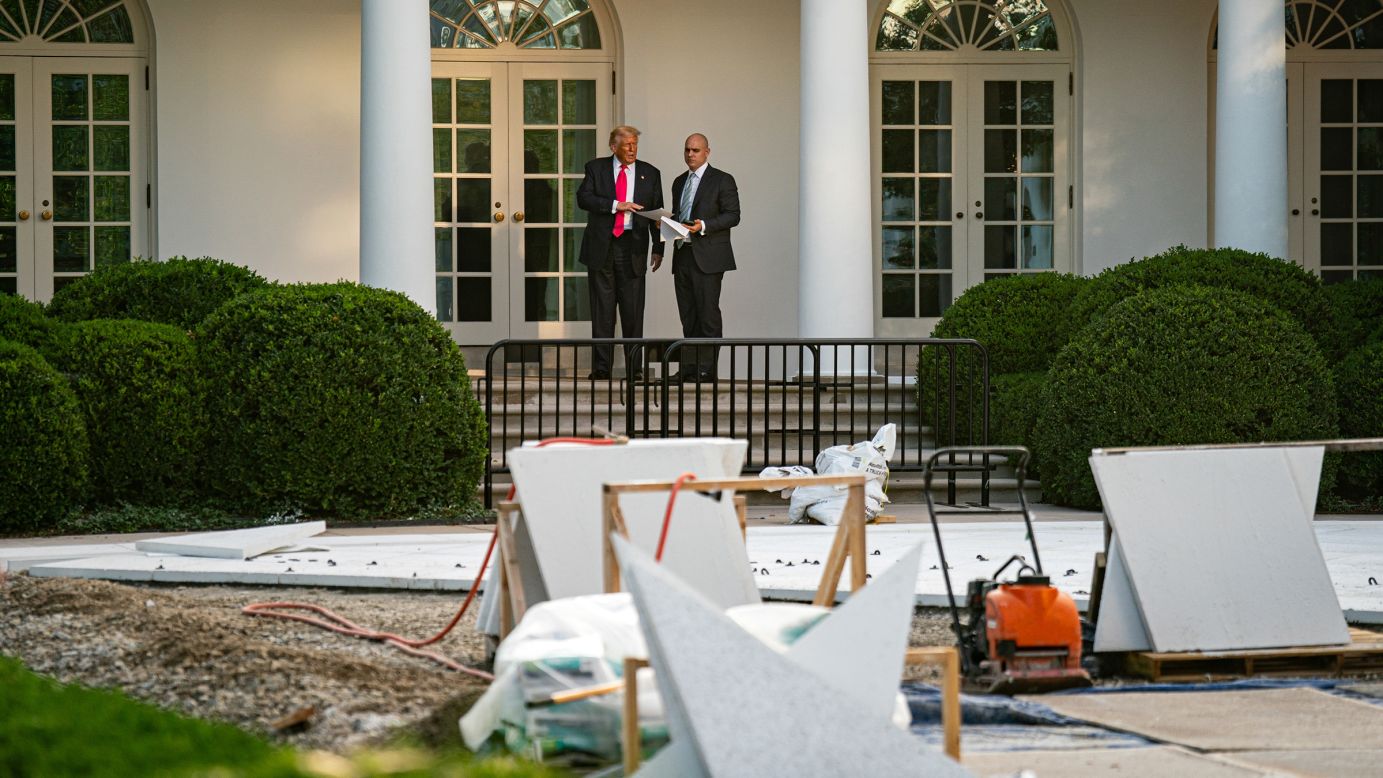
The Eccles Building in Washington, D.C., home to the Federal Reserve Board of Governors.
Executive Summary
- The Decision: The Federal Open Market Committee (FOMC) voted 12–0 to raise the benchmark federal funds rate by 25 basis points to a target range of 3.75%–4.00%—marking the central bank’s first rate increase in over three years.
- The Presidential Rebuttal: President Donald Trump posted a sharp criticism on Truth Social, declaring that U.S. borrowing costs should be “1%, or less,” asserting that America’s credit standing warrants the lowest interest rates in the world.
- The Fed’s Stance: Federal Reserve Chair Kevin Warsh defended the policy tightening as a “sober, serious, responsible decision,” pointing to stubborn inflation driven by elevated geopolitical energy shocks and structural supply-side pressures.
- Market Projection: The updated FOMC “dot plot” reveals that 16 out of 18 policymakers anticipate at least one additional rate increase before the end of 2026.
1. The Rate Hike: Why the FOMC Acted
In a move that surprised some dovish market participants, the Federal Open Market Committee unanimously voted to raise the target range for the federal funds rate by 25 basis points to 3.75%–4.00%. According to official reporting from Livemint Monetary Coverage, this decision represents the first upward adjustment in borrowing costs since mid-2023.
President Donald Trump has repeatedly called for aggressive monetary easing to stimulate domestic capital investment.
Speaking at a post-meeting press conference, Fed Chair Kevin Warsh emphasized that persistent inflationary pressures leave central bankers with little room to ease monetary policy. Recent Bureau of Labor Statistics readings showed underlying consumer price inflation hovering consistently above the Fed’s 2% annual target.
“The plain fact is that inflation is too high and has been for too long. Summer inflation readings do not tell me that underlying trends have improved sufficiently to pause our stabilization efforts.”
— Kevin Warsh, Chair of the Federal Reserve Board
Economic headwinds contributing to sticky inflation include:
- Geopolitical Energy Shocks: High global crude oil and liquefied natural gas (LNG) prices linked to Middle Eastern conflict zones.
- Tariff Impacts: Import duties continuing to feed into intermediate manufacturing costs.
- Capital Spending Inflows: Heavy corporate investment in artificial intelligence infrastructure maintaining high credit demand across domestic capital markets.
2. Trump’s Escalating Criticism & The “1% or Less” Target
Within hours of the Fed’s announcement, President Trump issued a strongly worded response on social media, criticizing the FOMC’s policy direction and renewing his demand for radical rate reductions as reported by Economic Times.
Key Quotations from President Trump
- On Rates: “Interest Rates in the United States should be 1%, or less, because we are the Best Credit in the World — BY FAR.”
- On Speed: “LOWER THE INTEREST RATES FOR THE UNITED STATES OF AMERICA, AND FAST!”
- On Trade Deficits: “The word ‘Deficit’ is nothing more than a fancy word for LOSS. We are ‘carrying’ almost every country in the World, and that cannot go on any longer.”
Trump linked monetary policy directly to international trade balances, arguing that higher U.S. interest rates place domestic manufacturers at a competitive disadvantage against foreign trading partners with lower cost-of-capital environments.
3. White House Growth Mandate vs. Federal Reserve Inflation Control
The debate over the ideal path for interest rates reflects fundamentally different perspectives on macroeconomic priorities:
| Dimension | White House Economic Stance | Federal Reserve Policy Framework |
| Primary Goal | Maximize GDP expansion & capital investment | Maintain price stability (2% inflation target) & employment |
| Target Rate Range | 1.00% or lower (Aggressive Easing) | 3.75% – 4.00% (Restrictive / Neutral) |
| Inflation Assessment | Supply-side deregulation & tariffs offset price risks | Sticky Core CPI requires tight borrowing conditions |
| View on Trade Deficits | High rates strengthen dollar, worsening trade deficit | Trade balances are driven by savings-investment balances, not policy rates |
| Rate Outlook (2026) | Immediate multi-percentage-point cuts | Dot plot signals 1 additional 25 bps hike |
Institutional policy research published by the Center for American Progress underscores that central bank independence is crucial for maintaining long-term bond market stability and preventing inflation expectations from becoming unanchored.
4. Market Reaction & Consumer Economic Impact
Financial markets responded with elevated volatility following the policy decision and subsequent presidential statements, as detailed in market summaries by TradingView Financial Markets.
Consumer Borrowing Costs
- Mortgage Rates: The 30-year fixed mortgage rate remains anchored above 6.5%–7.0%, dampening residential housing turnover.
- Credit Cards & Consumer Loans: Average commercial credit card APRs remain near multi-decade highs above 21%, increasing debt service obligations for revolving balance holders.
- Savings Yields: High-yield savings accounts (HYSAs) and short-term U.S. Treasury bills continue offering cash holders yields between 3.5% and 4.0%.
Institutional Analysis on Rate Easing
In a comprehensive macroeconomic review, researchers at the Washington Center for Equitable Growth note that cutting the federal funds rate down to 1% in an economy operating near full employment would risk re-igniting double-digit wage-price spirals last seen in the late 1970s. Economists stress that rate cuts of that magnitude are historically reserved for deep recessions or systemic financial crises.
5. Looking Ahead: What to Watch at the Next FOMC Meeting
As the central bank approaches its upcoming policy gathering, three indicators will determine whether Chair Warsh and the FOMC proceed with another rate increase:
- Monthly Consumer Price Index (CPI) & PCE Deflator: Any persistent month-over-month increases above 0.3% in core indexes will lock in another 25 bps hike.
- Labor Market Tightness: Unemployment claims and non-farm payroll growth will reveal whether elevated borrowing costs are successfully cooling labor demand.
- Treasury Yield Dynamics: The spread between short-term 2-year Treasury notes and 10-year Treasury bonds will signal bond market expectations regarding future rate policy and economic growth.
Discover more from The Economy
Subscribe to get the latest posts sent to your email.

Pakistan Moves From Stabilization to Recovery as IMF Review Puts Reform Momentum in Focus

Mesothelioma Attorney: How to Choose the Right Lawyer to Maximize Your 2026 Asbestos Settlement

SpaceX IPO 2026: History’s Biggest Stock Debut?

Pakistan Economy 2026: Inside the SBP’s Balancing Act

Is AI a Stock Bubble in 2026? What the Data Shows

Oil Prices 2026: Inside the Hormuz Crisis That Won’t End

Gold Price 2026: Inside the Wildest Rally in Decades

Federal Reserve 2026: Inside Kevin Warsh’s First Year

Fox Corp 2026: Record Revenue, Tubi Growth & Roku Deal

Wendy’s Stock 2026: Inside the Turnaround Plan

Technology News 2026: Inside the $1.3T AI Chip Boom

UK Stocks 2026: Inside the FTSE 100’s Record Run

Asian Stock Markets 2026: Japan, China, Pakistan & More

Mortgage Rates Today 2026: Full Rate Guide & Forecast

Top 30 Stocks for Investment in PSX for Massive ROI in 2026

SpaceX Starship Flight 14: First Orbital Attempt & Starlink V3 Launch Explained

AI Chip Stocks 2026: The Best Semiconductor Investments Beyond Marvell

Oil Prices Break $100 in 2026: Middle East Conflict & Energy Markets

Fidelity Investments Review 2026: SPAXX Yields & Zero-Fee Funds

The 2026 Crypto Regulatory Shift: What It Means for Institutional Investors

Tween Back-to-School Trends 2026: What’s Driving the $85B Season

BRICS+ Cross-Border Payments 2026: Interoperability Explained

AI-Powered Training: The Next Multi-Billion Dollar Ecosystem in Fitness

10-Year Treasury Yield Hits 4.80%: What It Means for Rates & Portfolios

Shein Clothes Quality & Safety in 2026: What Lab Tests Show

China’s US$10.8 Billion Trade Shortcut: Why the Pinglu Canal Matters

MRVL Earnings 2026: Why Marvell Sank Despite Beating Estimates

Leveraging Viral AI & Climate Hashtags for Brand Growth on X
-

 Markets & Finance9 months ago
Top 15 Stocks for Investment in 2026 in PSX: Your Complete Guide to Pakistan’s Best Investment Opportunities
-

 Analysis7 months ago
Johor’s Investment Boom: The Hidden Costs Behind Malaysia’s Most Ambitious Economic Surge
-

 Analysis7 months ago
Top 10 Stocks for Investment in PSX for Quick Returns in 2026
-

 Banks8 months ago
Best Investments in Pakistan 2026: Top 10 Low-Price Shares and Long-Term Picks for the PSX
-

 Analysis8 months ago
Brazil’s Rare Earth Race: US, EU, and China Compete for Critical Minerals as Tensions Rise
-

 Investment9 months ago
Top 10 Mutual Fund Managers in Pakistan for Investment in 2026: A Comprehensive Guide for Optimal Returns
-

 Global Economy9 months ago
15 Most Lucrative Sectors for Investment in Pakistan: A 2025 Data-Driven Analysis
-

 Global Economy9 months ago
Pakistan’s Export Goldmine: 10 Game-Changing Markets Where Pakistani Businesses Are Winning Big in 2025