
Events
Concert Ticket Prices in 2026: Dynamic Pricing, Fees and How to Buy Safely


Price transparency and dynamic pricing are different issues. Compare the mandatory total and resale terms before committing to an event. Research cutoff: October 12, 2026; confirm developing facts before publication.
What is happening and why readers are searching
Fans shopping for concerts frequently find that an attractive listed ticket price does not describe the whole purchase. The Federal Trade Commission’s rule on unfair or deceptive fees, effective May 12, 2025, requires upfront disclosure of total mandatory prices for covered live-event tickets and short-term lodging offers. It does not ban dynamic pricing or prohibit a particular fee amount. Sources: Federal Trade Commission and FTC job scam guidance.
The important context competitors can overlook
Dynamic pricing can change the base ticket price in response to demand. Resale listings add another layer of uncertainty: the buyer should identify the seller, venue transfer method, seating details, restrictions and refund terms. A prominent “VIP” description may not include the experience the customer assumes. Consumers should judge the final basket total, not the teaser price. For primary-source checks and current reporting, see Federal Trade Commission and IFPI. The key distinction is reader-oriented fee transparency and scam prevention.
A practical way to use this information
Before paying, visit the artist or venue’s official ticket links, confirm the total including mandatory charges and keep a screenshot of checkout terms. Compare with authorized resale platforms where permitted. Be wary of social accounts requesting wire transfers or cryptocurrency. If prices exceed budget, set an upper limit rather than allowing scarcity messaging to dictate spending.
What to verify before making a decision
The right next step is to identify the source, timestamp and applicable market or jurisdiction. Check whether a number is a historical observation, official announcement, target, forecast or scenario. If you intend to act financially, legally or commercially, use the relevant provider’s current terms and obtain professional advice where appropriate. The sources cited here establish context; they are not a substitute for live prices, individual eligibility checks or binding agreements.
Reader questions
Did the FTC ban ticket service fees?
No. Its rule targets deceptive display of mandatory fees and total prices.
Can tickets still use dynamic pricing?
Yes. The rule does not prohibit pricing strategies as such.
What the total ticket price should tell you
An advertised concert ticket might display a face value before mandatory service or facility fees are added. U.S. Federal Trade Commission rules for covered live-event ticket sales require disclosure of the total price including mandatory fees, with certain permitted exclusions such as applicable taxes or optional add-ons handled according to the rule. This consumer-protection framework is not a cap on prices and does not prohibit dynamic pricing. The critical editorial distinction is between how a price is disclosed and how the price itself is set. A correctly disclosed expensive ticket may still be expensive.
If a ticket is listed at $90 but carries unavoidable charges totaling $25, a shopper should evaluate the $115 total rather than treating $90 as the economic commitment. Two providers listing the same artist and section may also have different terms, transferable rights or guarantees. Before checkout, look for a full price, seat location, refund conditions and any separate costs for parking or travel. The FTC’s official fee-rule guidance explains the covered disclosures and limits.
Dynamic pricing is a market system, not a single fee
Dynamic pricing refers broadly to changes in offered prices based on factors such as demand, remaining inventory or timing. It is distinct from a fixed mandatory service charge. A ticket can become more expensive because the offered face price changes, because inventory moves into a higher-priced category or because the buyer is shopping a resale marketplace. An article that treats every increase as a hidden fee loses this nuance. Consumers should save the total checkout price and evaluate it against their budget, not assume that a lower price is guaranteed if they refresh a webpage later.
Presales add another layer. Access to a code or membership may give a fan a chance to buy before a general sale, but it does not necessarily guarantee availability or a particular price. Fans should read whether a presale requires a paid membership or special card and whether those costs are worthwhile. Fear of missing out is a powerful sales driver; a clear spending ceiling set in advance can counter pressure to accept a ticket that becomes unaffordable.
Primary sale, verified resale and risky third-party links
Primary tickets are generally offered through the event’s authorized seller, while resale listings may be posted by previous buyers or brokers. Authorized resale platforms can provide transfer and authenticity processes, but a displayed resale listing is not the same as a seat being available from the artist’s primary allocation. The buyer should determine which marketplace they are using, how tickets are delivered and what happens if the event is canceled or postponed. Buyer guarantees can differ, so review the actual terms.
Imitation ticket sites may rank in search results or appear in sponsored promotions. A fraudulent seller might send a static image of a barcode that cannot be transferred or accepted. Avoid payment by gift card, cryptocurrency or person-to-person methods when such payment removes meaningful purchase protection. Navigate from the performer’s or venue’s official website when locating the authorized ticket source. Retain receipts and confirmation numbers.
What a concert trip really costs
A $140 ticket can become a much larger commitment after transportation, parking, meals, accommodation and child care. If the show is in another city, also consider change or cancellation penalties. For example, two hypothetical $140 tickets cost $280, but $60 in travel, $35 in parking and $80 for food bring the evening to $455. A person who compares only the per-ticket price may be surprised by the final household cost. A price comparison is more helpful when it includes the whole event budget.
Sometimes a neighboring city’s show offers a lower face price but creates more travel expense; other times better seating or a convenient date makes the higher ticket price worthwhile. Value is subjective, but total cost is measurable. Establish a maximum budget across tickets and travel rather than increasing the ticket budget while ignoring the accompanying charges.
If the show is canceled, postponed or rescheduled
Refund and exchange rights can differ depending on the event terms, platform, jurisdiction and nature of the schedule change. A cancellation is not identical to a postponed concert with a replacement date. Review the organizer’s official notice and the seller’s policy before requesting a chargeback. A venue’s statement should not be confused with an unverified social-media rumor. Travel expenses may be governed by entirely separate supplier agreements even if ticket money is returned.
The best consumer article helps readers distinguish price transparency, seat availability, resale protection and cancellation rights. Those are related aspects of ticket buying, but none can be reduced to a single “junk fees” headline.
Three decisions that protect concert buyers
Choosing between the original seller and resale: Compare the entire checkout price, guarantee and transfer method. A resale seat might be more expensive despite an apparently attractive listing. A ticket bought through an unauthorized seller can introduce uncertainty about validity. Follow verified artist or venue links, especially during a high-demand presale.
Deciding whether a premium seat is worth it: Compare the extra cost with sightlines, proximity and any included services. Premium packages sometimes include amenities, but the value depends on what is actually delivered. A fan who simply wants to hear the performance may prefer a lower-cost seat, while another may value accessibility or a particular viewing position. Neither choice is inherently correct.
Handling a postponed event: Read the organizer’s final notice and ticket platform terms before assuming a refund is automatic or unavailable. Save the original event date and purchase confirmation. Separate ticket policies from hotel and transport arrangements, which may need their own cancellation requests.
Discover more from The Economy
Subscribe to get the latest posts sent to your email.


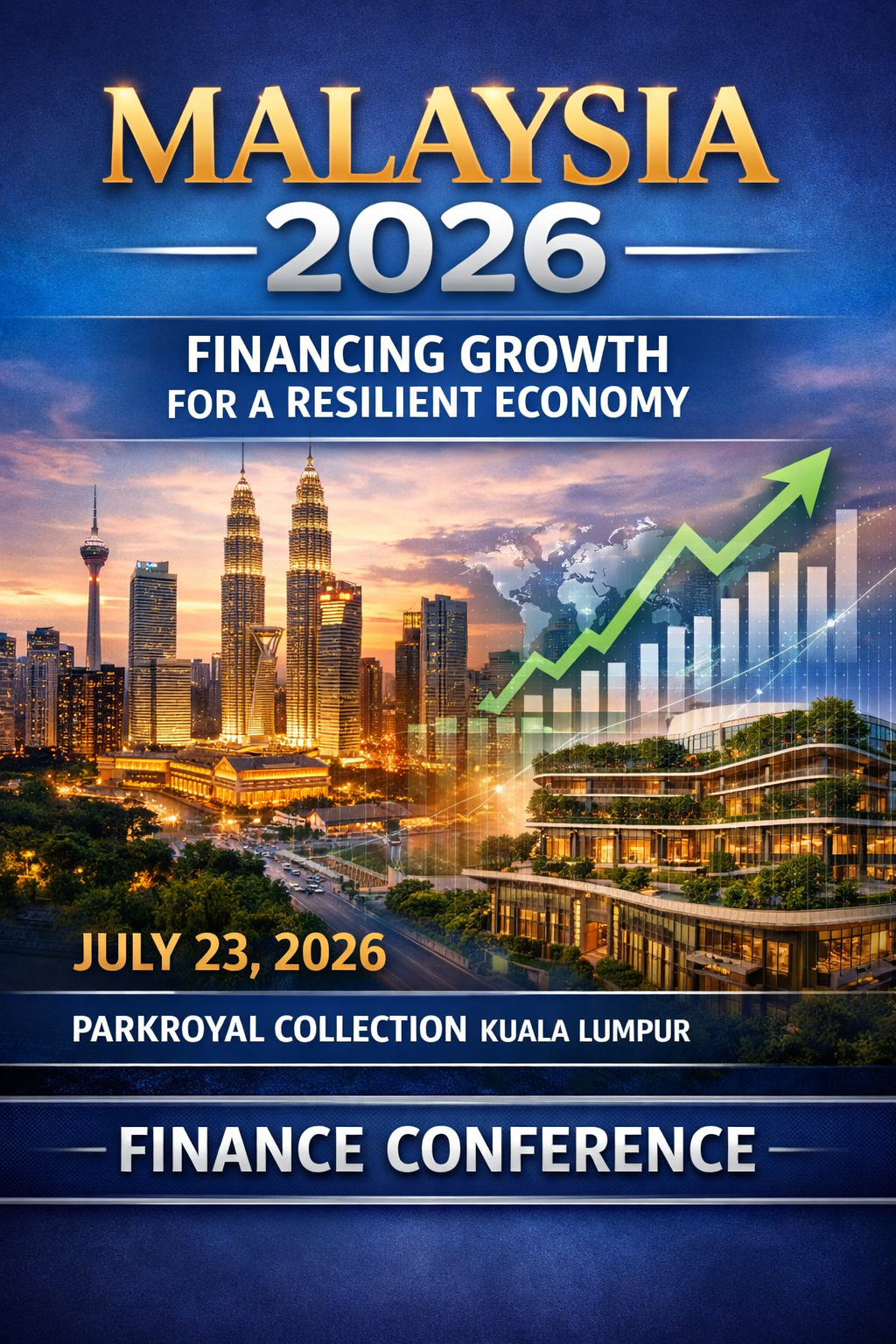
Malaysia’s flagship finance event, Unlocking Capital for Sustainability (UCFS) 2026, will take place on July 23, 2026 at the PARKROYAL COLLECTION Kuala Lumpur, bringing together policymakers, financiers, and industry leaders to explore “Financing Growth for a Resilient Economy.” The one-day conference will focus on mobilizing capital for sustainable investment, inclusive growth, and resilience amid global uncertainty.
📅 Event Overview
- Event Name: Malaysia 2026 – Financing Growth for a Resilient Economy
- Date: Thursday, July 23, 2026
- Venue: PARKROYAL COLLECTION Kuala Lumpur
- Organizers: Eco-Business in partnership with UNDP, supported by AmBank Group, Control Union, and RSPO
🎯 Key Themes
- Sustainable Finance: Mobilizing institutional and private capital for climate adaptation and resilience.
- Resilient Growth: Strengthening regulatory and financial systems to withstand global shocks.
- Circular Economy: Financing industrial transformation and decarbonization.
- Energy Security: Exploring the ASEAN Power Grid and regional energy resilience.
- Digital Transformation: Addressing the resource demands of AI and data centres.

🎤 Featured Speakers
- Edward Vrkić – UNDP Malaysia, Singapore & Brunei
- Noor Akmar Shah Mohd Nordin – Malaysia National Adaptation Plan (MyNAP)
- Amanah Aboobucker – Chief Sustainability Officer, AmBank Group
- Christina Ng – Co-Founder, Energy Shift Institute
- Perpetua George – Sustainability & Climate Change Director, PwC Malaysia
- YB Charles Santiago – ASEAN Parliamentarians for Human Rights
- Chai Kien Poon – Country Head, Funding Societies Malaysia
- Nadhilah Shani – ASEAN Centre for Energy
🏙️ Why It Matters
Malaysia is positioning itself as a regional leader in sustainable finance, aiming to attract large-scale investment into adaptation and resilience projects. The event will highlight:
- Climate resilience for SMEs
- Nature and biodiversity finance
- Transparency and human rights in finance
- Industrial decarbonization and ESG integration
📌 Registration Details
- Promo Code: UCFSMY25OFF (25% discount for Eco-Business community)
- Eligibility: HRDC funding available for participants

Discover more from The Economy
Subscribe to get the latest posts sent to your email.
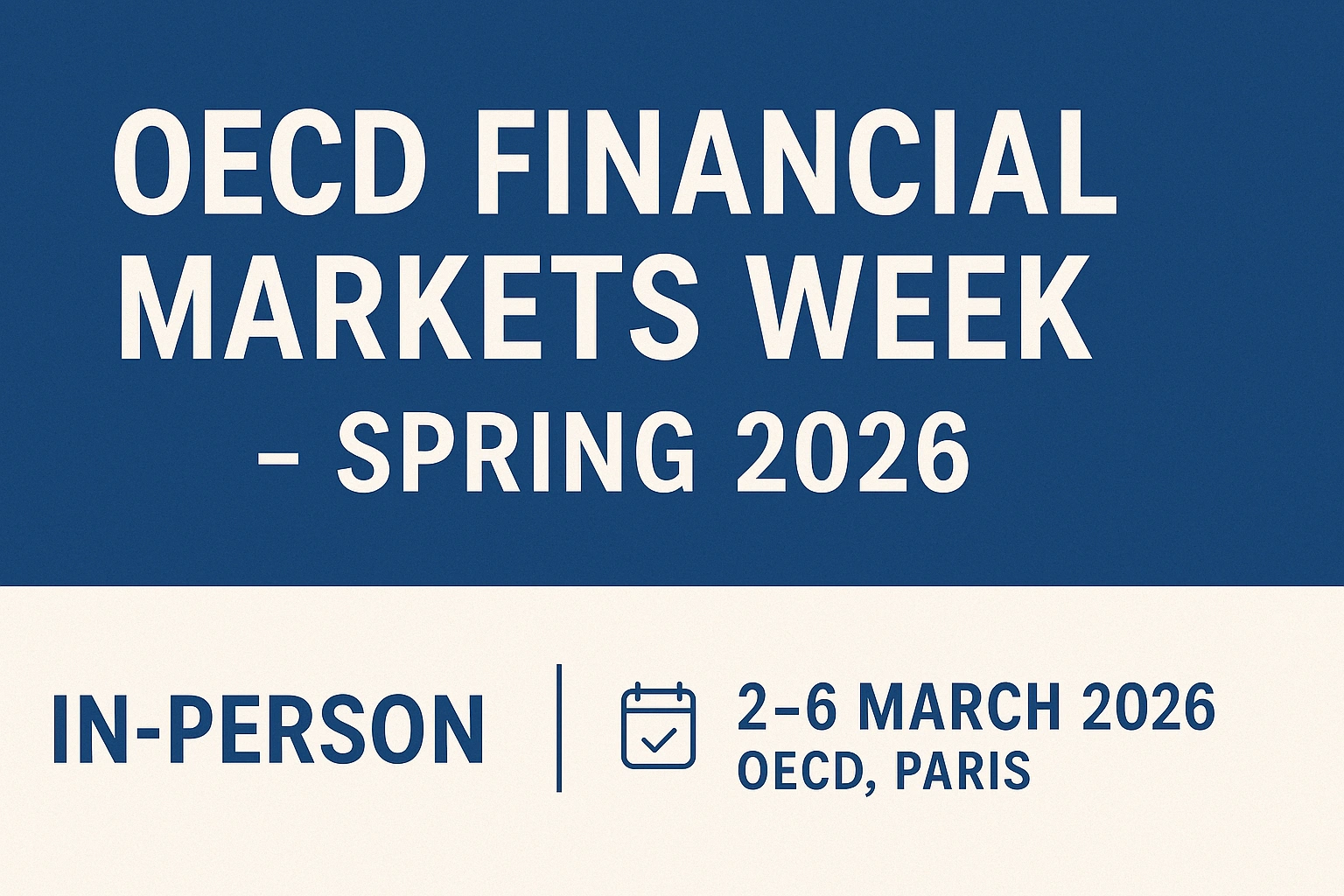
📍 OECD Headquarters, Paris 📅 2–6 March 2026
Shaping the Future of Global Finance
The OECD Financial Markets Week – Spring 2026 will bring together policymakers, economists, regulators, and industry leaders for five days of in-depth dialogue on the evolving landscape of global finance. Hosted at the OECD headquarters in Paris, this in-person event will serve as a hub for collaboration, innovation, and forward-looking strategies.
What to Expect
- High-Level Panels & Keynotes: Insights from leading voices on financial stability, sustainable investment, and digital transformation in markets.
- Workshops & Roundtables: Interactive sessions tackling pressing issues such as fintech regulation, ESG integration, and cross-border capital flows.
- Networking Opportunities: Connect with global peers, thought leaders, and decision-makers in the heart of Paris.
- Policy Innovation: Explore OECD’s latest research and recommendations shaping the future of financial governance.
Why Attend?
Financial markets are at a crossroads—balancing resilience, sustainability, and technological disruption. This week-long program offers participants the chance to:
- Gain exclusive access to OECD’s cutting-edge analysis.
- Contribute to shaping international financial frameworks.
- Build partnerships that drive impact across borders.
Event Details
- Dates: 2–6 March 2026
- Format: In-person
- Location: OECD Headquarters, Paris
✨ Whether you’re a policymaker, financial strategist, or academic, OECD Financial Markets Week – Spring 2026 is the place to engage with the ideas and people redefining the future of finance.

Discover more from The Economy
Subscribe to get the latest posts sent to your email.
Summit
Analytical Review of World Government Summit 2026 in Dubai: Shaping the Future of Global Governance
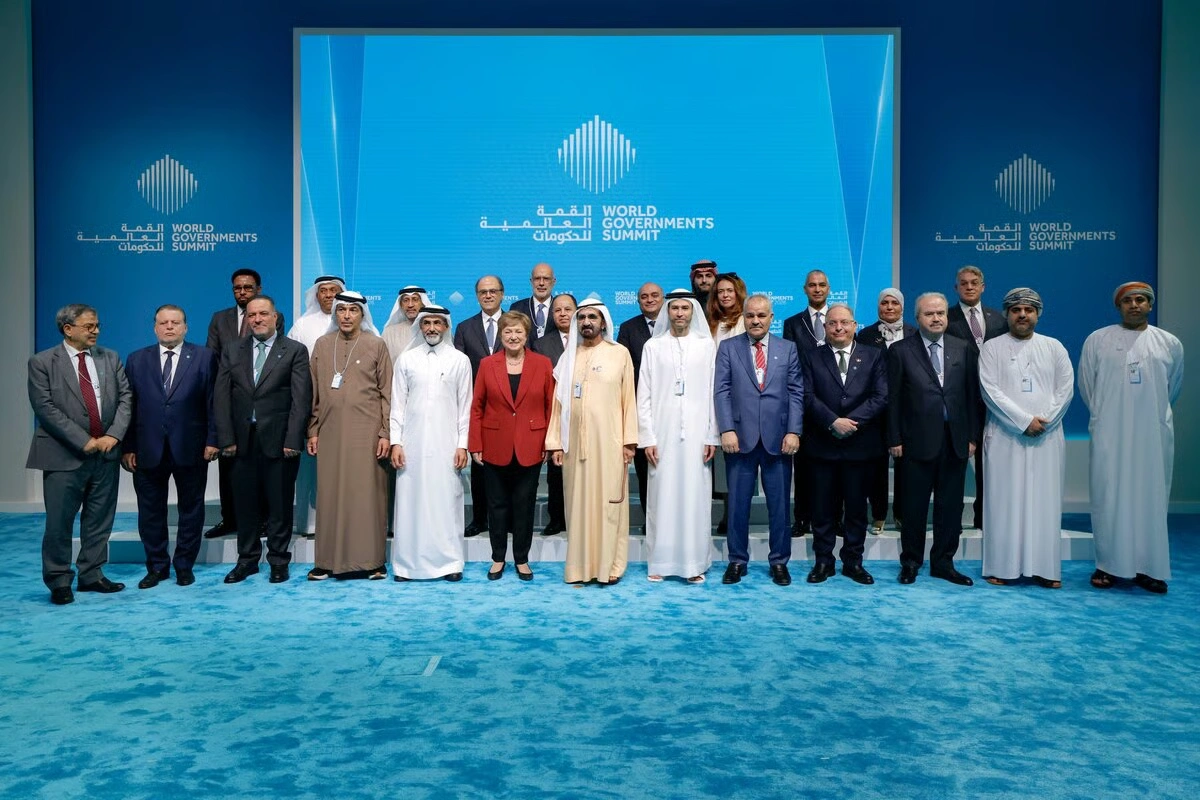
The sun rises over Dubai’s Madinat Jumeirah on February 3, 2026, illuminating what has become the epicenter of global governance discourse. Inside the venue, an unprecedented convergence is underway: over 35 heads of state, 500 ministers, and more than 6,250 decision-makers from 150 governments have assembled for the World Governments Summit 2026. Under the theme “Shaping Future Governments,” this three-day gathering represents more than a diplomatic convocation—it is a critical inflection point where the architecture of 21st-century governance is being actively redefined amid profound technological transformation and escalating global challenges.
This analytical review World Government Summit 2026 examines how this year’s edition, the largest in the event’s 14-year history, addresses the intersection of artificial intelligence innovation, sustainable development imperatives, and the urgent need for adaptive governance frameworks. As Mohammed Al Gergawi, UAE Minister of Cabinet Affairs and Chairman of the World Governments Summit, noted, the gathering seeks to transform “global crises” into catalysts for “proactive government approaches” at a moment when international cooperation faces its most severe test in decades.
The Dubai Advantage: Why This Global Hub Matters for Governance Innovation
Dubai’s selection as the perpetual home for the World Governments Summit is no accident. The emirate has methodically positioned itself as a living laboratory for future-focused governance, where experimental policies meet practical implementation. From autonomous flying taxis to AI-integrated government services, the city functions as both conference venue and demonstration site for the innovations under discussion.
The key insights WGS 2026 Dubai offers extend beyond its ultramodern infrastructure. As attendees navigate between sessions at Madinat Jumeirah—a venue that architecturally bridges traditional Arabian heritage with contemporary design—they witness a physical manifestation of the summit’s core theme: honoring established governance principles while embracing radical innovation. This spatial symbolism is deliberate. The UAE has invested significantly in creating an environment where international cooperation feels both necessary and achievable.
“Dubai has become the natural meeting point where East meets West, where government leaders can engage in frank dialogue without the political baggage that often burdens other international venues,” observes Professor Roger Kornberg, Nobel Prize-winning chemist and chairman of the World Laureates Association, who participated in the concurrent World Laureates Summit. This diplomatic neutrality, combined with world-class logistics and a demonstrated commitment to future-thinking policies, makes the Dubai summit global governance trends hub uniquely effective.
The city’s strategic geographic position facilitates participation from African, Asian, European, and American delegations with roughly equal travel burden—a practical consideration that has contributed to this year’s record attendance. More importantly, Dubai’s own governance transformation from fishing village to global metropolis within a single generation provides tangible evidence that rapid, systematic change is possible when government, private sector, and civil society align around clear objectives.
Unprecedented Scale: Decoding the Numbers Behind WGS 2026
The summit’s expansion in 2026 reflects both its growing influence and the mounting urgency of global governance challenges. With over 35 heads of state and government confirmed—the highest leadership participation in WGS history—the gathering has evolved from a regional dialogue into an essential global forum. These aren’t ceremonial appearances; leaders including Spanish Prime Minister Pedro Sánchez, Lebanese Prime Minister Nawaf Salam, and Ecuador’s President are actively engaging in policy discussions that will shape their domestic agendas.
The 500-plus ministers in attendance represent every critical government portfolio: finance, health, technology, environment, education, and defense. This comprehensive ministerial presence enables cross-sectoral dialogue that mirrors the interconnected nature of modern governance challenges. When an AI governance framework is discussed, for instance, it simultaneously involves technology ministers, ethics advisors, labor ministers concerned about workforce displacement, and finance ministers calculating economic impacts.
Beyond government officials, the 6,250 total participants include 87 Nobel laureates and recipients of prestigious awards like the Turing Award, Wolf Prize, and Fields Medal. This integration of scientific excellence into governance dialogue addresses what Al Gergawi calls the need for governments to “anticipate emerging challenges” through evidence-based foresight rather than reactive policymaking.
The structural components tell their own story: 445 sessions featuring over 450 speakers, 25 global forums addressing sector-specific futures, and 45 ministerial and high-level meetings create a dense network of parallel conversations. These aren’t isolated discussions but interconnected dialogues where insights from one session inform debates in another. The summit will produce 36 strategic reports in collaboration with international knowledge partners, translating ephemeral conversations into actionable policy frameworks.
Perhaps most telling is the participation of over 700 CEOs from leading global corporations, including executives from Alibaba, IBM, Airbus, Google DeepMind, and Ericsson. This public-private integration reflects the recognition that future governments analysis 2026 must account for the reality that some of the most consequential governance challenges—from AI safety to climate transition—require coordinated action that transcends traditional public-private boundaries.
Key Themes and Breakthrough Discussions: The Five Pillars of Future Governance
Global Governance and Effective Leadership in an Age of Disruption
The central question animating WGS 2026 is deceptively simple: what does effective government look like when traditional models face disruption from every direction? This year’s discussions on global governance aren’t abstract theoretical exercises but urgent practical inquiries driven by concurrent crises: wars in Ukraine and Sudan, potential US-Iran tensions, persistent economic uncertainties, and the accelerating climate emergency.
Al Gergawi’s opening remarks framed this challenge starkly. He identified four forces reshaping civilization: artificial intelligence, climate change, geopolitical fragmentation, and demographic shifts. Effective leadership, he argued, requires governments that “lead change rather than wait for it.” This proactive paradigm represents a fundamental departure from reactive governance models that have dominated the post-World War II era.
Panel discussions featuring former US Secretary of State Mike Pompeo, Dr. Anwar Gargash (Diplomatic Adviser to the UAE President), and Frederick Kempe (President of the Atlantic Council) examined how governance structures must adapt to handle simultaneous challenges that don’t respect jurisdictional boundaries. Their dialogue highlighted a concerning gap: while problems have become increasingly transnational, governance remains stubbornly national, creating systemic vulnerabilities that malicious actors or cascading crises can exploit.
Artificial Intelligence: From Tool to Co-Architect of Human Capability
The AI innovation government summit review reveals that 2026 marks a critical transition in how governments conceive their relationship with artificial intelligence. As The National reported, discussions have moved beyond whether governments should adopt AI to examining the difference between “a government that uses AI and one that is designed for it.”
This conceptual evolution was evident in conversations led by Arvind Krishna (Chairman and CEO of IBM) and Börje Ekholm (CEO of Ericsson). They distinguished between AI as augmentation—enhancing existing human capabilities—and AI as transformation—fundamentally restructuring what governments can achieve. Krishna presented case studies showing how AI-enabled predictive analytics has allowed some governments to anticipate social service needs, shifting from reactive crisis management to proactive intervention.
The summit showcased Dubai’s own AI integration initiatives, including the unveiling of the Glydways self-driving transit system and demonstrations of AI-powered government service platforms that have reduced bureaucratic processing times by up to 60%. These aren’t hypothetical futures but operational present-day realities that other governments can study and adapt.
Yet the dialogue wasn’t uniformly optimistic. Sessions on AI governance addressed thorny questions about algorithmic bias, workforce displacement, privacy erosion, and the concentration of AI capabilities in a handful of corporations and nations. Al Gergawi’s assertion that “the next major discovery would not be in space, but in the realm of new capabilities within the human brain itself” underscored both the promise and peril of AI-augmented cognition. If AI can enhance human decision-making, it can also manipulate it—a reality that demands robust governance frameworks before widespread deployment.
The summit featured bilateral dialogues on AI between nations like Kazakhstan and South Korea, suggesting that AI governance may require new forms of international coordination analogous to nuclear non-proliferation treaties or climate accords. These conversations acknowledged that competitive advantages in AI development create incentives for nations to underinvest in safety measures—a collective action problem that only coordinated governance can solve.
Sustainability and Climate Action: From Pledges to Pathways
The sustainable development WGS 2026 discussions reflected a notable maturation from previous summits. Rather than rehearsing well-worn commitments to reduce emissions or protect biodiversity, this year’s sessions focused on the practical mechanics of climate adaptation and transition.
Sheikh Mohammed bin Rashid Al Maktoum’s tour of the World Preservation Lab and BioVault exhibit—a collaboration between the Museum of the Future and Colossal Biosciences—illustrated this pragmatic turn. The BioVault, designed as a genetic repository for endangered species, represents a hedge against biodiversity collapse. It acknowledges that prevention efforts may fail and that governments must simultaneously pursue conservation and develop restoration capabilities.
Euronews highlighted that climate discussions at WGS 2026 addressed “economic risks” alongside environmental imperatives, recognizing that climate action requires economic transformation, not just environmental policy. Sessions examined how governments can facilitate just transitions that protect vulnerable workers and communities while accelerating decarbonization.
The participation of Guillaume Faury (CEO of Airbus) in a session titled “How Do We Keep the World Connected?” epitomized the complexity. Aviation is essential for global connectivity yet produces significant emissions. The discussion explored sustainable aviation fuels, hydrogen propulsion, and the difficult question of whether reduced flying should be part of climate solutions—a question with profound implications for tourism-dependent economies.
Kristalina Georgieva, Managing Director of the International Monetary Fund, emphasized that climate finance remains the critical bottleneck. Developing nations need trillions in investment for adaptation and transition, yet existing mechanisms deliver only a fraction of required capital. Her dialogue with Sheikh Mohammed explored how public finance can catalyze private investment through mechanisms like green bonds, carbon markets, and climate risk insurance.
Economic Development and Resilience Amid Uncertainty
The summit’s economic discussions occurred against a backdrop of persistent inflation, supply chain vulnerabilities exposed by recent global disruptions, and growing concerns about debt sustainability in developing economies. Rather than offering pat reassurances, sessions acknowledged genuine uncertainties while exploring strategies for building economic resilience.
The Arab Fiscal Forum and Global Councils on Sustainable Development Goals provided forums for finance ministers to share experiences with fiscal innovation. Case studies ranged from digital currencies to sovereign wealth fund reform to new models of international development finance that move beyond traditional donor-recipient relationships.
A recurring theme was the need for economic governance that can handle volatility without sacrificing long-term investment. The COVID-19 pandemic and subsequent economic disruptions demonstrated that rigid planning becomes obsolete when conditions change rapidly, yet purely reactive approaches sacrifice strategic coherence. Several ministers described implementing “scenario-based planning” that develops policy options for multiple possible futures rather than betting on a single forecast.
Health Futures and Societal Wellbeing: Lessons from Crisis
The health futures component of WGS 2026 reflected hard-won lessons from recent global health emergencies. Discussions moved beyond pandemic preparedness to examine how governments can build health systems that promote wellbeing rather than merely treating illness.
This preventive paradigm appeared in multiple contexts: mental health support integrated into educational systems, urban planning that encourages physical activity, food policies that make nutritious options accessible, and occupational regulations that protect worker wellbeing. These approaches require coordination across ministries that traditionally operate in silos—exactly the kind of integrated governance that WGS aims to model.
Innovation Showcases: Where Theory Meets Implementation
Beyond formal sessions, WGS 2026 featured demonstration zones where attendees could interact with governance innovations. The Glydways self-driving transit system, capable of operating in dedicated lanes at urban speeds, illustrated how autonomous vehicles might reshape urban mobility without requiring complete infrastructure replacement. Government officials from congested cities worldwide examined the system’s potential for their contexts.
The GovTech Prize ceremony recognized startups creating innovative solutions for common governance challenges: a blockchain-based land registry that reduces corruption and speeds property transactions; an AI-powered platform for participatory budgeting that helps cities gather and incorporate citizen input; a mobile app enabling real-time environmental monitoring through crowdsourced data.
These innovations share a common characteristic: they don’t require massive infrastructure investments or wholesale system replacement. Instead, they demonstrate how targeted technological interventions can dramatically improve governance effectiveness—a crucial insight for resource-constrained governments.
Critical Perspectives: Gaps and Tensions in the Global Governance Dialogue
An analytical review would be incomplete without acknowledging what WGS 2026 reveals about persistent governance challenges through both its presence and absence.
The summit’s participation skews toward wealthy nations and authoritarian systems comfortable with top-down innovation, with less representation from democracies in the Global South navigating resource constraints and political complexity. This imbalance risks producing governance frameworks that work well in Emirates or Singapore but translate poorly to contexts with weaker state capacity, more robust civil society opposition, or different cultural values around privacy, authority, and public-private boundaries.
The AI governance discussions, while substantive, largely presumed that governments will regulate AI rather than examining scenarios where AI capabilities outpace regulatory capacity. The possibility that AI development might fundamentally alter power relationships between states, corporations, and citizens received insufficient attention—an omission that may prove consequential.
Climate adaptation plans, despite their increasing sophistication, still inadequately address loss and damage in the most vulnerable regions. The summit hosted leaders from small island nations and arid regions facing existential climate threats, yet discussions of managed retreat, climate migration, and compensation for irreversible losses remained peripheral rather than central.
The economic resilience conversations, while acknowledging uncertainty, didn’t fully grapple with the possibility that the post-war economic order—based on continuous growth, expanding trade, and dollar hegemony—may be fundamentally transitioning to something different. This gap suggests that even forward-looking governance dialogues struggle to envision genuinely transformative change rather than improved versions of existing systems.
Dubai as Laboratory: The Host City’s Dual Role
Dubai functions simultaneously as WGS venue and as exhibit for the governance models under discussion. The city’s rapid transformation showcases what centralized, well-financed, innovation-friendly government can achieve: world-class infrastructure, seamless digital services, aggressive adoption of emerging technologies.
Yet Dubai’s governance model—characterized by strong state direction, limited political contestation, and significant state-owned enterprise involvement—isn’t universally transferable or desirable. Democratic governments face constraints that emirate leadership doesn’t: electoral accountability that limits long-term planning horizons, distributed power that complicates rapid policy implementation, and civic expectations of transparency and participation that slow decision-making.
This tension makes Dubai both an inspiring and potentially misleading model. Visiting officials can observe impressive outcomes but must grapple with whether those outcomes are replicable through different governance processes. The summit would benefit from more explicit examination of how governance innovations might need adaptation for different political systems—a meta-governance question as important as specific policy innovations.
Strategic Reports and Long-Term Impact: Beyond the Three Days
The 36 strategic reports being produced in collaboration with international knowledge partners represent WGS 2026’s most durable contribution. These documents translate summit conversations into actionable frameworks that governments can adapt for their contexts. Previous summit reports have directly influenced policy in dozens of nations, providing templates for digital government strategies, climate adaptation plans, and education reform.
This year’s reports will address critical implementation questions: How can governments without Dubai’s resources build AI governance capacity? What institutional structures enable effective coordination across traditional ministerial silos? How can climate action maintain political support during economic downturns? These practical concerns determine whether summit insights translate into real-world change.
The Global Ministers Survey—now in its third edition—provides comparative data on how governments worldwide are approaching shared challenges. This evidence base enables ministers to benchmark their approaches against peers, identify effective practices worth adapting, and avoid strategies that have failed elsewhere. The survey’s longitudinal nature allows tracking of how governance innovations diffuse globally and which contextual factors predict successful adoption.
Implications for Future Policy: Five Key Takeaways
From three days of intensive dialogue, several implications emerge for policymakers navigating the complex governance landscape:
First, effective AI governance requires governments to develop in-house technical expertise rather than relying entirely on vendor guidance or external consultants. Several successful AI implementations showcased at WGS 2026 succeeded because government teams could critically evaluate AI systems, understand their limitations, and tailor deployment to specific needs. Building this capacity demands investment in technical training for civil servants and competitive compensation to attract AI talent into public service.
Second, climate adaptation and economic development aren’t competing priorities but interdependent imperatives. The summit’s most compelling case studies came from governments that integrated climate considerations into economic planning from the outset rather than treating environmental policy as an externality or constraint. This integration produces strategies that are simultaneously more economically resilient and environmentally sustainable.
Third, future governments must become significantly more adept at fostering collaboration across traditional boundaries—between ministries, between public and private sectors, between nations. Many of the governance challenges discussed at WGS 2026 cannot be solved by individual departments or countries acting alone. Institutional structures, incentive systems, and professional norms all need redesign to enable this coordinated action.
Fourth, legitimacy may be governance’s scarcest resource. As governments adopt AI, implement surveillance technologies, and make increasingly consequential decisions affecting citizens’ daily lives, maintaining public trust becomes paramount. This requires transparency about how systems work, meaningful opportunities for citizen input, and demonstrated accountability when things go wrong. Effective governance isn’t just about achieving good outcomes but about doing so through processes that citizens view as legitimate.
Fifth, scenario planning and adaptive capacity matter more than detailed long-term plans. The uncertainty acknowledged throughout WGS 2026 isn’t temporary turbulence before things stabilize; it’s the new normal. Governments need frameworks for rapid policy adjustment, institutions capable of learning from implementation experience, and leadership willing to change course when evidence demands it.
Looking Ahead: The WGS 2027 Agenda Begins Today
As the 2026 summit concludes, the conversations it catalyzed continue. Ministerial meetings have spawned working groups that will collaborate throughout the year. Bilateral agreements signed in Dubai’s corridors will shape international cooperation on AI governance, climate finance, and trade. The innovations showcased will be piloted in dozens of cities worldwide, with results feeding back into next year’s discussions.
The World Governments Summit has evolved from a regional forum into an essential node in the global governance network—a place where officials can have frank conversations away from domestic political pressures, where evidence-based policy can be championed without ideological baggage, where the shared challenges facing humanity can be addressed collaboratively rather than competitively.
Yet the summit’s ultimate significance depends on whether insights translate into action. The true test of WGS 2026 won’t be measured in the elegance of strategic reports or the prestige of attendees, but in whether participating governments return home and implement meaningful reforms. Do AI governance frameworks actually get adopted? Do climate adaptation investments materialize? Does cross-ministerial coordination improve? Do citizens experience more responsive, effective government?
These outcomes unfold over months and years, making them difficult to attribute directly to summit participation. But the pattern is clear: governments that consistently engage with WGS, that send substantive delegations rather than ceremonial representatives, that participate in working groups and implement recommended frameworks, do achieve measurably better governance outcomes across multiple dimensions.
A Concluding Reflection: Governance at the Inflection Point
Standing at the threshold of 2026, governments worldwide face challenges of unprecedented complexity and urgency. Climate change proceeds regardless of political will. Artificial intelligence develops faster than regulatory capacity. Geopolitical tensions threaten the cooperative frameworks that previous generations built. Economic pressures strain social cohesion. Health emergencies expose systemic vulnerabilities.
The World Governments Summit 2026 in Dubai represents a bet that these challenges, while daunting, aren’t insurmountable. That international cooperation remains possible despite growing nationalism. That technology can be governed rather than merely endured. That government itself can evolve to meet new demands. That humanity’s collective intelligence, when properly harnessed, can navigate even profound uncertainty.
This bet may or may not pay off. History offers examples of civilizations that successfully navigated transformative change and others that collapsed amid complexity they couldn’t master. What makes the contemporary moment distinctive is that we possess unprecedented knowledge about the challenges we face and unprecedented capabilities to address them—if governance systems can effectively mobilize these resources.
The 6,250 participants leaving Dubai carry with them not just policy frameworks and strategic reports but renewed conviction that effective governance remains achievable. In an era of cynicism about institutions and skepticism about international cooperation, that conviction may be WGS 2026’s most valuable product.
The summit’s true legacy will be written not in the ornate halls of Madinat Jumeirah but in government offices worldwide where ministers implement reforms, in civil service training programs that build new capabilities, in international working groups that forge operational partnerships, and ultimately in the lives of citizens who experience government that is more responsive, more effective, and better equipped to navigate humanity’s shared future.
As the sun sets on Dubai on February 5, 2026, marking the summit’s conclusion, the real work begins. The future of global governance isn’t shaped in three days of dialogue—it’s shaped in the thousands of consequential decisions that follow, made by leaders who now understand both the urgency of transformation and the pathways that might achieve it.
The World Governments Summit continues to set the global standard for governance innovation dialogues. For those committed to understanding and shaping how governments will navigate the complexities ahead, engaging with WGS outcomes isn’t optional—it’s essential. Whether through direct participation, implementation of recommended frameworks, or contribution to the ongoing dialogues the summit catalyzes, the question isn’t whether to engage but how to ensure that engagement translates into meaningful progress on the governance challenges that will define our collective future.
Discover more from The Economy
Subscribe to get the latest posts sent to your email.

Is the Stock Market Open on Columbus Day 2026? NYSE, Nasdaq and Bonds Explained

Concert Ticket Prices in 2026: Dynamic Pricing, Fees and How to Buy Safely

High-Yield Savings Accounts in 2026: How to Compare APY Without Chasing a Headline

EU-China Trade Deal 2026: How Beijing and Brussels Avoided a Trade War—and Who Wins

Social Security 2027 COLA Announcement: Date, Formula and What Retirees Should Check

China’s AI Microdrama Boom: How Beijing Is Reshaping Global Media

Q3 2026 Earnings Preview: Can Record Profit Expectations Keep Wall Street’s Rally Alive?

Russia Diesel Deal 2026: Oil Prices and Inflation Risks

Fed Rates 2026: Treasury Yields, Bonds and SGOV Explained

S&P 500 Market Breadth 2026: Weak Rally or Rotation?

The AI Capex Boom: Data Centers Reshaping Growth

Palantir Stock in 2026: Extraordinary AI Growth

Tesla Physical AI 2026: Robotaxis, Optimus and TSLA Risks

NVIDIA’s AI Grip in 2026: Record Revenue Is Only Half the Investment Story

PSX Forecast 2026: KSE-100, IMF Reviews & Geopolitics

Middle East War Economics 2026: Oil Prices & Energy Markets

China Stocks Today: Are Big Economies in Asia Nearing a Market Bottom?

Crypto Daily Outlook: Bitcoin, Altcoins, and the Future of Decentralized Finance

Global Pension Systems Ranked: The World’s Best and Worst Retirement Frameworks

World’s Largest Economies: Ranking the Top Global Powers

Elon Musk’s Next Moves: Disrupting the 2026 Global Economy

Pakistan Economy 2026: Inside the SBP’s Balancing Act

GasBuddy Market Insights: How Crude Price Shifts Impact Local Fuel Cost Averages

World Bank & IMF Reports 2026: Why the “3% Growth” Consensus Is Actually a Debate

Global Equity Market Divergence: US Tech vs. European Dividend Stocks vs. Asian Growth

IMF & World Bank Global Economic Outlook: Growth Forecasts Across Europe and Asia

Crude Oil & Petroleum Market Analysis: OPEC+ Decisions and Price Forecasts

Silver Price Today: Why the Xi-Trump AI Standoff Is Fueling a Safe-Haven Rally
-

 Markets & Finance9 months ago
Top 15 Stocks for Investment in 2026 in PSX: Your Complete Guide to Pakistan’s Best Investment Opportunities
-

 Analysis8 months ago
Johor’s Investment Boom: The Hidden Costs Behind Malaysia’s Most Ambitious Economic Surge
-

 Analysis8 months ago
Top 10 Stocks for Investment in PSX for Quick Returns in 2026
-

 Banks9 months ago
Best Investments in Pakistan 2026: Top 10 Low-Price Shares and Long-Term Picks for the PSX
-

 Analysis8 months ago
Brazil’s Rare Earth Race: US, EU, and China Compete for Critical Minerals as Tensions Rise
-

 Investment9 months ago
Top 10 Mutual Fund Managers in Pakistan for Investment in 2026: A Comprehensive Guide for Optimal Returns
-

 Global Economy10 months ago
15 Most Lucrative Sectors for Investment in Pakistan: A 2025 Data-Driven Analysis
-

 Global Economy10 months ago
Pakistan’s Export Goldmine: 10 Game-Changing Markets Where Pakistani Businesses Are Winning Big in 2025