
Analysis
Indonesia’s 150-Million-Barrel Russian Oil Deal Explained

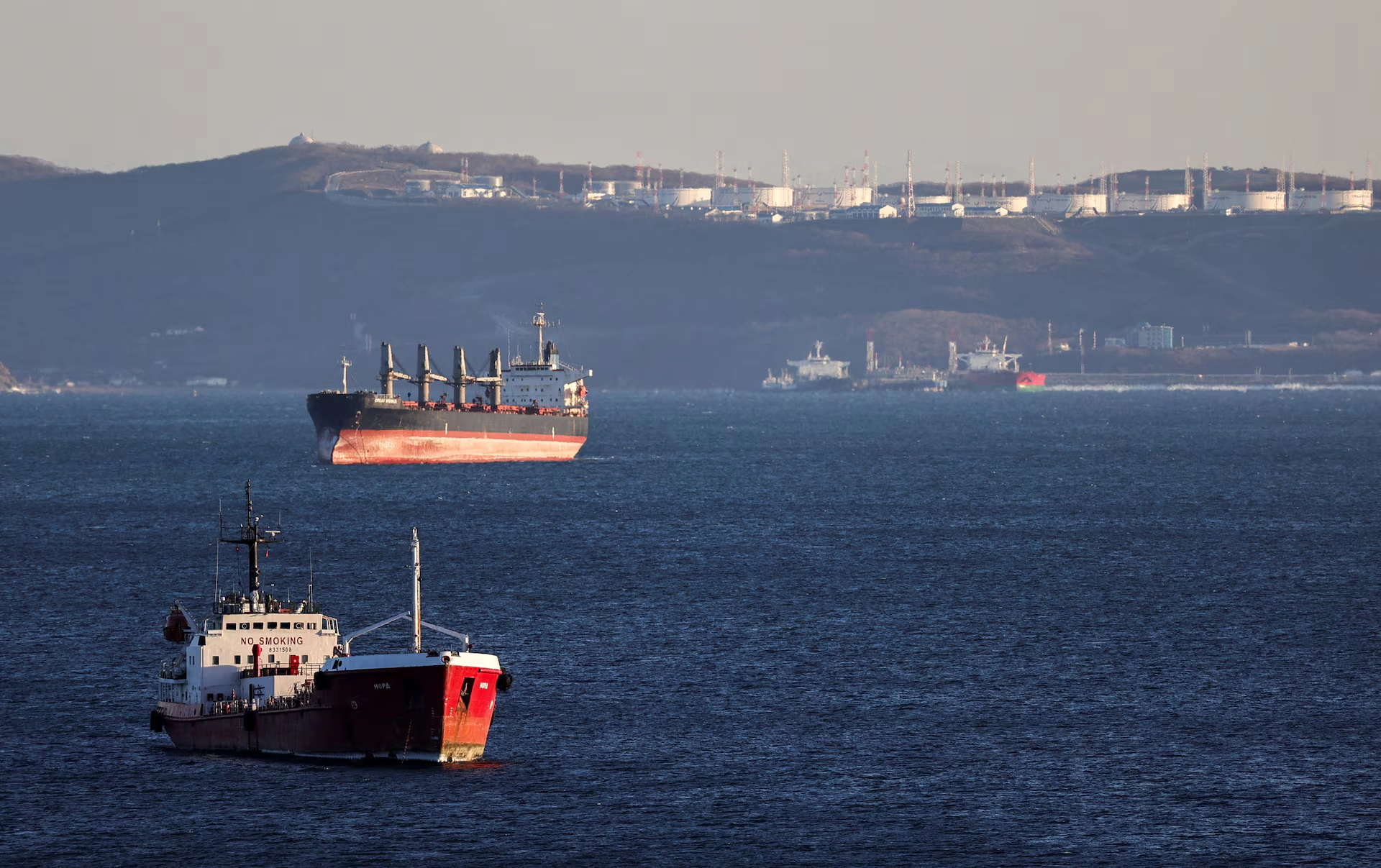
Indonesia, Southeast Asia’s largest economy, has committed to importing up to 150 million barrels of Russian crude oil through the end of 2026, a deal that goes well beyond emergency crisis management and increasingly resembles a deliberate, multi-year repositioning of the country’s energy security architecture away from a Middle East supply base that the Strait of Hormuz conflict has exposed as dangerously concentrated.
The agreement, finalized after President Prabowo Subianto‘s April visit to Moscow for direct talks with President Vladimir Putin, involves Russia supplying 100 million barrels of oil at a preferential price, with a further 50 million barrels available if Indonesia’s needs escalate, according to reporting from The Moscow Times. Hashim Djojohadikusumo, the president’s brother and a senior economic adviser, confirmed Indonesia has also secured Russian government commitment to store up to 150 million barrels domestically as a buffer against future volatility.
Why Indonesia Cannot Wait Out the Crisis
Indonesia’s exposure to Middle East supply disruption is structural rather than incidental. The country produces roughly 577,000 barrels of crude per day, according to May 2026 figures — well below the government’s 610,000 barrel target and a fraction of the roughly 1.5 million barrels per day the country produced in the 1990s, before mature field decline eroded domestic output, according to analysis published by OilPrice.com. Against consumption running near 1.6 million barrels per day, Indonesia faces a persistent daily supply deficit approaching one million barrels, forcing continuous reliance on imports for both crude and refined products.
Energy and Mineral Resources Minister Bahlil Lahadalia has been explicit about the scale of this dependence, noting Indonesia requires roughly 300 million barrels of imported crude annually while holding strategic reserves sufficient for only 21 to 23 days of consumption — a dangerously thin buffer for an economy of Indonesia’s size, according to reporting cited by OilPrice.com’s earlier coverage. Roughly 20-25% of Indonesia’s crude imports have historically transited the Strait of Hormuz, a route the ongoing conflict has rendered unreliable at precisely the moment global oil markets can least absorb additional supply shocks.
From Emergency Waiver to Structural Partnership
The diplomatic and commercial mechanics enabling this shift trace back to a US sanctions waiver for Russian crude issued on March 12, 2026 — a decision that, according to OilPrice.com’s analysis, effectively acknowledged that Asia could not balance its oil market without Russian barrels during a major Middle Eastern supply disruption. Successive extensions of that waiver have since encouraged regional buyers to treat Russian crude not merely as emergency supply, but as a legitimate, ongoing tool of energy security — a reframing with significant implications for how Asian governments approach sanctioned commodities going forward.
Indonesia’s pivot did not emerge in isolation. Rystad Energy analyst Prateek Panday characterized the country’s strategy as grounded in supply economics, refinery compatibility, and medium-term energy security logic rather than opportunistic crisis response, a framing echoed by analysts at Indonesia’s own Strategic and Economics Action Institution, who described the approach as a deliberate effort to reduce exposure to a single, highly escalation-sensitive supply cluster. Indonesia became a full BRICS member in January 2025 and subsequently signed a free-trade agreement with the Eurasian Economic Union, diplomatic groundwork that made the current energy partnership commercially and politically easier to execute than it would have been even eighteen months earlier.
Indonesia is far from alone in this recalibration. The Philippines began importing Russian crude under the same US waiver in March 2026, with state oil company Petron purchasing 2.5 million barrels in its first such deal since 2021 and receiving three cargoes across March and May. Vietnam has reportedly held its own talks with Moscow since March regarding a potential start to Russian oil imports — suggesting a broader regional realignment is underway across Southeast Asia rather than an isolated Indonesian policy choice.
Refinery Compatibility Remains the Critical Variable
Indonesia’s state oil company Pertamina has signaled openness to the deepening relationship while flagging a genuine technical constraint: compatibility between Russian crude grades and Pertamina’s existing refinery configuration. Pertamina spokesperson Fadjar Djoko Santoso (“Baron”) confirmed the company would conduct further studies on processing Russian crude, noting that refinery modernization efforts are expected to eventually give Pertamina’s facilities the flexibility to handle a broader range of crude types, according to reporting from the New Straits Times.
Early shipments offer a preview of the compatibility challenge. Only two vessels carrying Russian crude reached Indonesia in the six months preceding the Moscow summit, each transporting roughly 700,000 barrels of Sakhalin Blend — a light, sweet crude with an API gravity around 45 degrees and low sulfur content that makes it well suited to gasoline-oriented refining, according to OilPrice.com’s analysis. Scaling from two modest cargoes to a 150-million-barrel annual commitment will require substantially more logistics infrastructure, refinery testing, and shipping capacity than the current relationship has yet demonstrated.
Beyond Oil: A Broader Energy Alignment With Moscow
The Prabowo-Putin summit extended well beyond crude oil supply. Indonesia is separately exploring the development of floating nuclear power plants in partnership with Russian state nuclear company Rosatom, with CEO Alexey Likhachev describing commercial discussions following what he characterized as strong Indonesian interest in nuclear technology, according to reporting from Tempo. Indonesian Foreign Minister Sugiono has framed nuclear cooperation with Russia as part of a broader push toward energy self-sufficiency within three years, while stressing that any partnership must prioritize technology transfer and adherence to international safety standards.
Indonesia is also negotiating liquefied petroleum gas imports from Russia to address a widening domestic supply gap — LPG demand is projected to reach 10 million tons in 2026 against domestic production capacity of just 1.6 million tons, according to Minister Lahadalia, a gap previously filled predominantly by US and Middle Eastern suppliers whose reliability the current conflict has called into question.
What This Means for Global Energy Diplomacy
Indonesia’s pivot illustrates a broader pattern reshaping global energy trade in 2026: sanctions architecture designed around a binary compliant-versus-non-compliant framework is proving less durable when a major regional supply disruption forces large importing economies to weigh energy security against geopolitical alignment. What began as an exceptional, waiver-dependent response to the Middle East crisis is increasingly hardening into formal government-to-government infrastructure — storage agreements, refinery studies, and nuclear cooperation — that will likely persist well beyond whatever timeline the underlying Strait of Hormuz disruption eventually follows.
Discover more from The Economy
Subscribe to get the latest posts sent to your email.



Key Takeaways
- Rolex’s secondary market rose approximately 7.9% year-over-year as of 2026 (per WatchCharts data) — trailing Patek Philippe (+16.2%) and Tudor (+11.4%) but still outperforming Audemars Piguet (+3.4%).
- Rolex raised U.S. retail prices 4–9% in January 2026 (steel models ~5.6%, gold models ~8.7%), narrowing the historical gap between retail and pre-owned pricing.
- Not every model appreciates: steel sports references (Submariner, GMT-Master II, Daytona) have held value far better than two-tone or widely available dress references like the standard Datejust.
- The Lady-Datejust posted the sharpest 2026 gain among tracked collections — up 22.73%, from roughly $9,269 to $11,376 — driven by demand for smaller, “everyday luxury” watches.
- Gold’s rise past $2,400/oz has directly lifted the investment case for Rolex’s precious-metal references (Day-Date, Sky-Dweller, Yacht-Master).
The Model-by-Model Picture
| Category | 2026 Trend |
|---|---|
| Lady-Datejust | +22.73% (strongest performer among tracked collections) |
| Steel sports models (Submariner, GMT-Master II) | Held value well; corrected from 2022 peak but stabilized above retail |
| Daytona | Corrected from highs above $50,000 to the mid-$30,000s; still among the most sought-after references |
| Two-tone/widely available Datejust | Flat to negative — “holds value” is an overstatement for this category |
| Gold references (Day-Date, Sky-Dweller) | Lifted by gold’s rise above $2,400/oz |
Why the “Rolex Always Appreciates” Myth Is Fading
The pandemic-era boom pushed some references — the Daytona above all — to speculative highs disconnected from historical norms. Since the March 2022 peak, steel sports models have compressed meaningfully, and dealers who bought inventory near the top have in some cases faced 20–40% markdowns on liquidation. The lesson for 2026 buyers: Rolex as a category is not a monolith. Value retention depends heavily on specific reference, condition, and whether the piece comes with box and papers (“full set”).
What’s Actually Driving 2026 Strength
- Retail price increases raise the floor. When a new Submariner retails at $10,050 (up from $9,500), a pre-owned example at $11,000–$12,000 suddenly represents a smaller premium — narrowing the gap without secondary prices actually moving.
- Supply discipline remains Rolex’s core lever. The brand has never confirmed production numbers, and secondary-market premiums remain entirely a function of Rolex’s own manufacturing decisions — a risk factor as much as a support.
- Certified Pre-Owned rollout. Rolex’s now fully rolled-out CPO program has changed how buyers transact in the used market, adding a layer of brand-verified legitimacy that supports pricing.
The Case for Rolex as a Portfolio Diversifier
Financial advisors increasingly frame luxury watches not as a replacement for equities or bonds, but as a tangible, historically low-correlation diversifier — one that carries its own risks (illiquidity, condition-dependent pricing, no yield) but has demonstrated multi-decade resilience for specific references.
Is Rolex a good investment in 2026?
It depends heavily on the specific reference. Steel sports models like the Submariner and Daytona have held or grown in value; two-tone and widely available dress models generally have not. Overall, Rolex’s secondary market rose about 7.9% year-over-year in 2026, trailing Patek Philippe but ahead of Audemars Piguet.
Discover more from The Economy
Subscribe to get the latest posts sent to your email.

Navigating Mortgage and Loan Refinancing in a High-Yield Environment
Global public debt crossing critical thresholds has kept central bank policies volatile, resulting in fluctuating US Treasury yields throughout 2026. For homeowners and commercial property holders burdened by previous high-interest borrowing cycles, finding optimal refinance windows has become a high-stakes financial puzzle. Stalled disinflation and stubborn employment numbers mean rate cuts are incremental, requiring borrowers to act with precision.
Timing your mortgage or commercial loan refinance in this environment requires a deep understanding of yield curve movements and lender risk appetites.
Decoding 2026 Refinance Dynamics
The 10-Year Treasury Yield Benchmark
Mortgage rates continue to track closely with the 10-year US Treasury yield. When macroeconomic anxiety spikes debt issuance, yields rise, tightening consumer borrowing capacity. Savvy borrowers monitor weekly Treasury auctions to lock in rates during brief dip windows.
Hybrid ARMs and Alternative Structures
With fixed rates remaining elevated, 7/1 and 10/1 adjustable-rate mortgages (ARMs) have surged in popularity. These products offer lower initial monthly payments, giving borrowers breathing room until central bank easing cycles fully materialize.
| Loan Product | Current Rate Range | Best For | Key Risk Factor |
| 30-Year Fixed Mortgage | 6.2% – 6.8% | Long-term predictability | Higher initial monthly outlay |
| 7/1 Hybrid ARM | 5.5% – 5.9% | Short-term ownership / flipping | Rate reset risk after year 7 |
| Commercial Refinance | 7.0% – 8.2% | Corporate asset restructuring | Strict DSCR lender covenants |
Actionable Steps for Successful Refinancing
To maximize your chances of securing favorable refinance terms in a volatile market, follow a disciplined preparation strategy.
Boost Your Credit Score Immediately: Lenders in 2026 are applying stringent credit tiering; a 20-point increase can drop your APR by a crucial quarter-point.
Shop Regional Credit Unions: Smaller financial institutions often offer portfolio loans with more flexible underwriting than major national banks.
Calculate the Break-Even Point: Ensure your total closing costs are recouped through monthly savings within 24 months of closing.
“Market Strategist View: Refinancing in 2026 is an exercise in opportunistic timing. Borrowers must maintain immaculate financial profiles ready to strike the moment Treasury yields dip.”
Mastering the complexities of today’s debt environment ensures you can successfully lower your debt service costs and protect your long-term financial stability.
Discover more from The Economy
Subscribe to get the latest posts sent to your email.

The days of pulling generic auto insurance quotes based purely on your zip code and age are officially over. In 2026, insurance comparison engines are powered entirely by generative AI and real-time telematics. These platforms digest thousands of live data points—ranging from your driving smoothness via connected vehicle sensors to real-time traffic congestion patterns—to generate hyper-personalized premiums instantly.
For consumers, this evolution represents both a massive opportunity for savings and a hidden trap for penalty pricing. Understanding how AI algorithms evaluate risk is essential for anyone looking to lower their monthly auto insurance premiums.
How AI Comparison Engines Evaluate Your Risk Profile
Behavioral Telematics and Connected Cars
Modern cars stream performance data directly to insurance aggregators. Generative AI models analyze braking sharpness, acceleration curves, cornering G-forces, and phone distraction metrics. Drivers who maintain smooth, defensive habits are rewarded with dynamic rate cuts of up to 40% compared to traditional rating tiers.
Predictive Traffic and Weather Modeling
AI tools now cross-reference your daily commute route with predictive weather and accident probability models. If your standard parking location or driving corridor has a statistically higher incidence of uninsured motorist claims, your quotes will reflect that hyper-local risk assessment.
| Comparison Factor | Traditional Rating Model | 2026 Generative AI Model | Impact on Premium |
| Mileage & Usage | Annual estimated odometer reading | GPS tracking & live trip duration | High (up to 35% savings) |
| Driving Behavior | MVR driving record & accidents | Real-time braking, speed, & G-force | Critical (determines tier) |
| Vehicle Tech | Make, model, and safety rating | ADAS calibration & repair cost data | Moderate |
Strategies to Lower Your AI-Driven Insurance Quote
To outsmart the algorithm and secure the lowest possible premium in 2026, drivers must proactively manage their digital footprint on insurance platforms.
Opt-In for Telematics Trial Periods: Many insurers offer immediate 15% discounts just for installing their driving app; let it track safe habits for 30 days to lock in permanent savings.
Scrub Unverified Public Records: Ensure your motor vehicle report is free of clerical errors that AI risk models misinterpret as reckless behavior.
Compare AI Aggregators: Use platforms that integrate multi-carrier API feeds rather than single-brand comparison sites to find the best risk-adjusted rate.
“Industry Note: AI-driven pricing rewards transparency and precision. Drivers who actively manage their telematics data consistently out-save those relying on legacy quote calculators.”
Embracing AI comparison tools allows savvy policyholders to customize coverage limits precisely to their driving habits, eliminating wasted premium spend while ensuring robust protection.
Discover more from The Economy
Subscribe to get the latest posts sent to your email.

Stock Market Crash in 2026? Warning Signs, Scenarios and a Calm Investor Checklist

Peso Mexicano vs Dólar Estadounidense: A Practical USD/MXN Guide for October 2026

Is the Stock Market Open on Columbus Day 2026? NYSE, Nasdaq and Bonds Explained

Concert Ticket Prices in 2026: Dynamic Pricing, Fees and How to Buy Safely

High-Yield Savings Accounts in 2026: How to Compare APY Without Chasing a Headline

EU-China Trade Deal 2026: How Beijing and Brussels Avoided a Trade War—and Who Wins

Social Security 2027 COLA Announcement: Date, Formula and What Retirees Should Check

China’s AI Microdrama Boom: How Beijing Is Reshaping Global Media

Q3 2026 Earnings Preview: Can Record Profit Expectations Keep Wall Street’s Rally Alive?

Russia Diesel Deal 2026: Oil Prices and Inflation Risks

Fed Rates 2026: Treasury Yields, Bonds and SGOV Explained

S&P 500 Market Breadth 2026: Weak Rally or Rotation?

The AI Capex Boom: Data Centers Reshaping Growth

Palantir Stock in 2026: Extraordinary AI Growth

PSX Forecast 2026: KSE-100, IMF Reviews & Geopolitics

Middle East War Economics 2026: Oil Prices & Energy Markets

China Stocks Today: Are Big Economies in Asia Nearing a Market Bottom?

Crypto Daily Outlook: Bitcoin, Altcoins, and the Future of Decentralized Finance

Global Pension Systems Ranked: The World’s Best and Worst Retirement Frameworks

World’s Largest Economies: Ranking the Top Global Powers

Elon Musk’s Next Moves: Disrupting the 2026 Global Economy

Pakistan Economy 2026: Inside the SBP’s Balancing Act

GasBuddy Market Insights: How Crude Price Shifts Impact Local Fuel Cost Averages

World Bank & IMF Reports 2026: Why the “3% Growth” Consensus Is Actually a Debate

Global Equity Market Divergence: US Tech vs. European Dividend Stocks vs. Asian Growth

Crude Oil & Petroleum Market Analysis: OPEC+ Decisions and Price Forecasts

IMF & World Bank Global Economic Outlook: Growth Forecasts Across Europe and Asia

Silver Price Today: Why the Xi-Trump AI Standoff Is Fueling a Safe-Haven Rally
-

 Markets & Finance9 months ago
Top 15 Stocks for Investment in 2026 in PSX: Your Complete Guide to Pakistan’s Best Investment Opportunities
-

 Analysis8 months ago
Johor’s Investment Boom: The Hidden Costs Behind Malaysia’s Most Ambitious Economic Surge
-

 Analysis8 months ago
Top 10 Stocks for Investment in PSX for Quick Returns in 2026
-

 Banks9 months ago
Best Investments in Pakistan 2026: Top 10 Low-Price Shares and Long-Term Picks for the PSX
-

 Analysis8 months ago
Brazil’s Rare Earth Race: US, EU, and China Compete for Critical Minerals as Tensions Rise
-

 Investment9 months ago
Top 10 Mutual Fund Managers in Pakistan for Investment in 2026: A Comprehensive Guide for Optimal Returns
-

 Global Economy10 months ago
15 Most Lucrative Sectors for Investment in Pakistan: A 2025 Data-Driven Analysis
-

 Global Economy10 months ago
Pakistan’s Export Goldmine: 10 Game-Changing Markets Where Pakistani Businesses Are Winning Big in 2025