
Legal
Xponential Fitness Franchise Lawsuit: The $3.97M Judgment

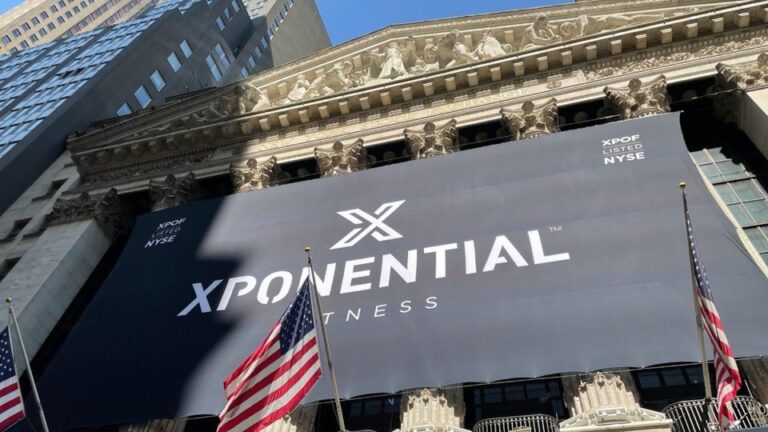
The pitch was intoxicatingly simple. Buy a boutique fitness studio, tap into a proven corporate playbook, and ride the post-pandemic wellness boom to financial independence. For the franchisees of Pure Barre and CycleBar, that promise has officially ruptured. Xponential Fitness, the aggressive conglomerate behind these ubiquitous neon-lit studios, was just ordered to pay $3.97 million for misleading the very people who bankrolled its rapid expansion. This is not merely a localized dispute between disgruntled business owners and a corporate parent. It is a systemic indictment of a business model that treats human ambition as expendable capital.
Boutique fitness is no longer just about endorphins and community; it is an industrialized asset class. Over the last decade, private equity firms and corporate consolidators transformed the neighborhood yoga or cycling studio into a hyper-financialised franchising machine. Yet the glossy facade of the global wellness economy, valued at roughly $5.6 trillion by industry analysts, hides a deeply asymmetrical power dynamic. At the center sits Xponential Fitness, a company that scaled ruthlessly by selling a “business in a box” concept to mid-career professionals, retirees, and corporate defectors.
The structural flaw in this ecosystem is one of misaligned incentives. The franchisor makes the bulk of its money on initial franchise fees, mandatory equipment purchases, and royalty percentages drawn from top-line revenue, whether the individual studio turns a profit or bleeds cash. This creates a dangerous temptation to sell the dream at volume, irrespective of the unit-level reality. As borrowing costs have climbed globally, the debt burdens shouldered by these small operators have become mathematically unsustainable, exposing the cracks in the corporate narrative.
The Core Development: Anatomy of a Judgment
The recent $3.97 million judgment is a watershed moment in the expanding Xponential Fitness franchise lawsuit saga. The core allegation arbitrated in this case is as old as commerce itself: selling a financial fiction. Legal arbiters found that the parent company systematically misled franchisees regarding the financial viability, build-out costs, and operating metrics required to open and sustain a boutique studio.
For the prospective buyer, the primary shield against corporate deception is supposed to be the Franchise Disclosure Document (FDD). In the case of CycleBar and Pure Barre, plaintiffs successfully argued that the initial investment figures presented in these legal disclosures were artificially suppressed. A prospective owner might be told a build-out costs $350,000, only to discover that mandatory corporate vendors, supply-chain markups, and required marketing spends push the actual capital expenditure well past $500,000 before the doors even open.
This financial penalty validates a narrative that has been building since June 2023, when a devastating report by short-seller Fuzzy Panda Research accused Xponential of hiding hundreds of failing studios and running a business model that inevitably destroyed franchisee capital. Shortly thereafter, the company’s founder and chief executive, Anthony Geisler, abruptly resigned amid mounting internal investigations. Reuters has reported extensively on the Federal Trade Commission’s mounting scrutiny of deceptive practices within the franchise sector, signaling that this $3.97 million ruling is likely the beginning of a much wider regulatory reckoning.
To understand the mechanics of the deception, one must look at the mandated supply chains. Franchisees are rarely allowed to source their own exercise bikes, ballet barres, or flooring. They must buy proprietary equipment directly from the franchisor or its designated affiliates. If a franchisor quietly inflates the cost of a stationary bike or a specialized sound system, it captures immediate margin while the franchisee takes on a heavier Small Business Administration (SBA) loan. When revenues fail to meet the lofty projections touted during the sales pitch, the local operator is left holding a crushing debt load while the corporate parent reports another quarter of franchise fee growth to Wall Street.
The Analytical Layer: The Illusion of Sweat Equity
Why do intelligent, well-capitalised professionals fall into this trap? The answer lies in the psychological architecture of the franchise pitch. Boutique fitness specifically preys on the modern desire for purpose-driven entrepreneurship. Buyers are not just purchasing a cash-flow vehicle; they are buying an identity. They want to be the mayor of their local wellness community. Corporate sales teams weaponize this emotion, presenting the franchise as a turnkey operation where success is guaranteed so long as the franchisee follows the manual.
Why is Xponential Fitness being sued? Franchisees allege the company engaged in deceptive sales tactics by dramatically understating the costs required to open a studio and overstating potential revenues. The lawsuit claims corporate leadership manipulated financial performance representations, leaving hundreds of local owners burdened with insurmountable debt and failing boutique fitness locations.
The primary legal battlefield in these disputes is Item 19 of the Franchise Disclosure Document. This section allows, but does not technically require, a franchisor to make Financial Performance Representations (FPRs). If a Pure Barre parent company penalty is going to fundamentally change the industry, it will be by forcing regulators to close the loopholes in Item 19. Historically, franchisors have manipulated these figures through omission. They might report the average gross revenue of studios open for more than two years, conveniently excluding the dozens of locations that went bankrupt in month 18. They present a survivor’s bias as a baseline expectation.
The unit economics of a boutique fitness studio are notoriously fragile. A CycleBar misleading franchise owners about capacity utilization is a fatal blow. These businesses have high fixed costs—commercial rent in premium retail plazas, expensive proprietary equipment leases, ASCAP music licensing fees, and corporate royalty payments. The variable costs, primarily instructor wages and local marketing, are also rising. To break even, a studio needs a highly specific number of recurring monthly memberships. If corporate projections overestimate local market demand by even 15 percent, the studio will mathematically never turn a profit.
The Financial Times has repeatedly highlighted how private equity’s reliance on franchise models often strips unit-level profitability to inflate corporate valuations. When a brand is owned by an institutional investor looking for an exit within five to seven years, the incentive is to rapidly expand the footprint. More signed franchise agreements equal higher projected revenue, which justifies a higher multiple during an IPO or sale. The actual, long-term survival of a Pure Barre studio in a suburban strip mall is entirely secondary to the immediate liquidity event of the corporate parent.
Implications & Second-Order Effects: The Coming Wave
The downstream consequences of this $3.97 million judgment extend far beyond the balance sheet of Xponential Fitness. This ruling provides a vital piece of case law for hundreds of other distressed franchisees currently bound by mandatory arbitration clauses. It pierces the corporate veil of deniability.
The most immediate secondary effect will be felt in the commercial real estate sector. Boutique fitness franchises have been a crucial tenant class for commercial landlords recovering from the retail apocalypse. If the financial models underpinning these studios are fundamentally broken, landlords are sitting on millions of square feet of precarious leases. When a franchisee defaults, the corporate parent rarely steps in to assume the lease. Instead, the local operator declares personal bankruptcy, the landlord is left with an empty, highly specialized space that is expensive to retrofit, and the commercial real estate market takes another silent hit.
Furthermore, this saga is poised to trigger severe tightening in small business lending. A vast majority of boutique fitness franchise risks are underwritten by SBA loans, which require the borrower to sign a personal guarantee. This means that when the business fails, the bank can seize the franchisee’s home, their retirement accounts, and their children’s college funds. The World Bank warns that high interest rates will continue to expose highly leveraged, low-margin business models. A franchise that looked viable with a 4 percent loan in 2019 is a financial death trap at 9 percent in today’s macroeconomic climate. Lenders, suddenly aware that franchisor revenue projections may be fictionalized, will inevitably demand higher collateral and impose stricter underwriting standards on the entire franchise sector.
What follows, however, is the regulatory response. The Federal Trade Commission, under Chair Lina Khan, has already signaled an aggressive pivot toward investigating the power imbalances inherent in franchise agreements. For decades, the FTC Franchise Rule has been treated as a disclosure requirement rather than a consumer protection enforcement mechanism. The agency essentially operated on the premise that as long as the franchisor put the risks in the FDD, the buyer was responsible. This ruling gives regulators the political capital to shift from passive disclosure oversight to active fraud enforcement. If the FTC begins demanding audited, unit-level profitability metrics before a franchisor can legally sell a new territory, the entire velocity of the $800 billion franchise industry will decelerate.
Competing Perspectives: The Architecture of Risk
Yet, to lay the entirety of the blame at the feet of corporate executives is to ignore the fundamental premise of capitalism. A dissenting perspective—one fiercely defended by corporate franchisors and trade groups—is the principle of caveat emptor. Let the buyer beware.
The International Franchise Association and corporate defense attorneys argue that a franchise agreement is a commercial contract between sophisticated adults, not a consumer protection issue. Prospective franchisees are explicitly instructed, in bold lettering on the first page of the FDD, to hire independent legal counsel and financial advisors before signing. The documents state clearly that business ownership carries an inherent risk of total capital loss and that previous corporate success does not guarantee future individual results.
From the franchisor’s vantage point, the failure of a specific CycleBar or Club Pilates location is rarely a result of corporate malice. Instead, they point to poor local execution. They argue that failed franchisees simply did not follow the mandated marketing playbook, hired subpar instructors, or failed to aggressively manage their local sales funnels. In this view, disgruntled franchisees are simply failed entrepreneurs seeking a scapegoat for their own operational incompetence.
The Economist frequently notes that regulatory overreach in the franchise sector risks stifling a model that has historically provided a reliable ladder to the middle class for millions of entrepreneurs. If regulators make it legally perilous for a franchisor to estimate potential earnings, the flow of capital into small business creation could dry up. The defense insists that while bad actors exist, punishing an entire corporate structure for the failure of localized units destroys the very mechanism that allows brands to scale efficiently across global markets.
That said, the “sophisticated buyer” defense begins to look dangerously thin when an arbitration panel uncovers evidence of systemic, intentional obfuscation. When a corporation knows that its mandated supply chain costs are destroying unit economics, yet continues to sell new territories using outdated or manipulated financial models, the line between aggressive salesmanship and actionable fraud evaporates.
The Bill Comes Due
The $3.97 million judgment against Xponential Fitness is not a fatal blow to a publicly traded conglomerate of its size. It is, instead, a dangerous precedent. It forces a glaring light onto the dark matter of the modern franchise economy: the undeniable reality that corporate growth is frequently subsidized by the localized ruin of individual operators.
The tension here is irreducible. A corporate entity has an obligation to its shareholders to maximize revenue, while a franchisee needs unit-level profitability to survive. For years, the industry pretended these two goals were perfectly aligned. This legal ruling officially shatters that pretense. The era of selling financial illusions under the guise of wellness is over.
Discover more from The Economy
Subscribe to get the latest posts sent to your email.



The administrative clock on your driver’s license starts running the moment you’re arrested for DUI — often just 10 days — and it moves independently of, and much faster than, your criminal case.
Drunk driving remains one of the most heavily enforced and consequential offenses in the U.S. legal system. Drunk driving killed 11,904 people in 2024, accounting for roughly 30% of all U.S. traffic fatalities, according to National Highway Traffic Safety Administration data cited by Mothers Against Drunk Driving. Against that backdrop, DUI enforcement, prosecution, and administrative license penalties have become more aggressive — and more procedurally complex — making experienced legal representation critical for anyone facing a charge.
This guide covers how DUI cases actually proceed, the twin-track legal exposure (criminal and administrative) most defendants don’t realize they’re facing, and what to look for in an attorney.
How a DUI Case Actually Works: Two Separate Legal Tracks
Most people charged with DUI assume they’re facing a single case. In reality, a DUI arrest typically triggers two parallel proceedings that operate on entirely different timelines and rules.
Key takeaway: The administrative license suspension process (handled by your state’s DMV or equivalent agency) and the criminal DUI prosecution (handled by the court) are separate. Missing the administrative appeal deadline — often as short as 7 to 10 days after arrest — can result in an automatic license suspension regardless of the outcome of your criminal case.
The Two Tracks Explained
1. Criminal Prosecution This is the case most people think of: arraignment, potential plea negotiation, and, if necessary, trial. Penalties can include fines, probation, mandatory alcohol education programs, ignition interlock device requirements, and in repeat or aggravated cases, jail time.
2. Administrative License Proceedings Run independently of the criminal court, this process determines whether your driving privileges are suspended pending or regardless of the criminal outcome. Requesting an administrative hearing within the short statutory window is often the only way to contest the suspension or preserve limited driving privileges.
Step-by-Step: What Happens After a DUI Arrest
- Arrest and chemical testing — breath, blood, or urine testing to determine blood alcohol concentration (BAC), typically measured against the standard .08 g/dL legal limit for non-commercial drivers.
- Administrative suspension notice — most states issue an immediate temporary license and a short window to request a hearing challenging the suspension.
- Arraignment — formal charges are read and an initial plea is entered.
- Evidence review and motion practice — an attorney examines whether the traffic stop, field sobriety tests, and chemical testing were conducted lawfully, since procedural errors can lead to evidence being excluded.
- Plea negotiation or trial — many cases resolve through negotiated plea agreements, though the strength of the evidence and the defendant’s prior record significantly shape outcomes.
- Sentencing — penalties vary widely by state, BAC level, and whether the case involves a repeat offense, injury, or a minor passenger.
Financial and Strategic Implications: The True Cost of a DUI Conviction
A DUI conviction’s cost extends far beyond the initial fine, and the cumulative financial impact is frequently underestimated by defendants weighing whether to hire counsel.
| Cost Category | Typical Range | Notes |
|---|---|---|
| Court fines and fees | Several hundred to several thousand dollars | Varies significantly by state and BAC level |
| License reinstatement fees | Roughly $100–$500 | Required after any suspension period ends |
| Ignition interlock device | Roughly $70–$150 installation plus $60–$100/month | Often mandatory even for first offenses in many states |
| Auto insurance increase | Often 50%–100%+ for several years | One of the largest long-term costs of a conviction |
| Mandatory alcohol education/treatment programs | Several hundred to over a thousand dollars | Court-ordered in most jurisdictions |
| Legal defense costs | Varies by case complexity | Frequently offset by reduced fines, avoided license suspension, or a reduced charge |
Expert insight: The insurance-rate increase following a DUI conviction is often the single largest long-term financial consequence — frequently exceeding the court fine itself when compounded over several years of higher premiums. This is one of the strongest financial arguments for contesting a charge rather than simply accepting a plea.
Why the Traffic Stop and Testing Procedure Matter So Much
A meaningful share of DUI defenses hinge not on disputing that the defendant had been drinking, but on whether the stop, field sobriety testing, and chemical testing were conducted in strict compliance with procedural requirements. Improperly calibrated breathalyzer equipment, a stop lacking reasonable suspicion, or a chain-of-custody gap in blood testing can each independently undermine the prosecution’s case — which is precisely why early attorney involvement matters more in DUI cases than in many other criminal matters.
How to Choose the Right DUI Attorney
- DUI-specific trial and negotiation experience — DUI law involves specialized scientific and procedural issues (breathalyzer calibration standards, field sobriety test protocols) that general criminal defense attorneys may not handle regularly.
- Familiarity with your state’s administrative license process — given the short filing windows, a firm needs to move immediately after your first call.
- A track record of both negotiated outcomes and trial verdicts — prosecutors and courts respond differently to attorneys known to be prepared for trial.
- Clear, upfront explanation of likely penalty exposure — based on your BAC, prior record, and jurisdiction, not generic reassurance.
- Transparent fee structure — unlike personal injury cases, criminal defense (including DUI defense) is typically billed as a flat fee or hourly rate rather than contingency, so confirm total cost expectations at the outset.
Key takeaway: Because the administrative license suspension clock starts immediately and runs independently of the criminal case, the value of contacting a DUI attorney within the first 24–48 hours after arrest is measured in preserved legal options, not just eventual case outcome.
Future Outlook: DUI Enforcement and Legal Trends Through 2027
- Drunk driving fatalities remain elevated despite recent improvement. Alcohol-related crash deaths fell about 7.6% between 2022 and 2023, but remain up roughly 25% compared to a decade earlier, keeping enforcement funding and penalty severity elevated in most states.
- State-level trends are diverging. Some states saw significant year-over-year increases in drunk-driving deaths even as the national trend improved, suggesting enforcement intensity and legislative response will likely vary more by state going forward.
- Passive impaired-driving detection technology is advancing. Continued advocacy for in-vehicle passive alcohol-detection technology, including federally mandated systems under recent legislation, points toward a longer-term shift from post-incident enforcement toward prevention — a trend that may eventually affect how DUI cases are investigated and prosecuted.
- Ignition interlock requirements continue to expand.
- A growing number of states now mandate interlock devices even for first-time offenders, increasing both the compliance burden and the associated cost for anyone convicted.
Frequently Asked Questions
What’s the legal blood alcohol limit for driving?
The standard legal limit is .08 g/dL BAC for non-commercial drivers in all states, though commercial drivers face a stricter .04 g/dL threshold, and many states apply zero-tolerance standards for drivers under 21.
Can a DUI charge be reduced or dismissed?
Yes, depending on the facts. Procedural issues with the traffic stop, field sobriety testing, or chemical testing can lead to reduced charges, case dismissal, or evidence being excluded, which is why early legal review of the arrest procedure matters.
How quickly do I need to act to protect my driver’s license?
Very quickly. Administrative license suspension appeal windows are often as short as 7 to 10 days after arrest and run independently of your criminal case timeline.
Will a DUI conviction affect my insurance rates?
Almost certainly. Insurance premium increases of 50% or more for several years following a conviction are common, frequently making this the largest long-term financial consequence of a DUI.
Do DUI attorneys work on contingency like personal injury lawyers?
No. Criminal defense, including DUI representation, is typically billed as a flat fee or hourly rate rather than contingency, since there’s no monetary “recovery” involved as there is in a civil injury case.
Discover more from The Economy
Subscribe to get the latest posts sent to your email.
The clock on your right to compensation starts ticking the moment you’re injured — and in most states, you have as little as one to three years to act before that right disappears permanently.
Personal injury law covers an enormous range of harm: car accidents, slip-and-falls, medical malpractice, defective products, dog bites, and workplace injuries all fall under this single legal umbrella. What they share is a common legal foundation — negligence — and a common process for pursuing compensation. Yet most people only learn how the system actually works after they’re already injured and under pressure from insurance adjusters to settle quickly.
This guide walks through how personal injury claims are built, what drives settlement value, and how to evaluate an attorney before you sign a retainer.
How Personal Injury Claims Work: The Core Legal Framework
Nearly every personal injury case rests on proving four elements: the defendant owed you a duty of care, they breached that duty, the breach caused your injury, and you suffered quantifiable damages as a result. Missing any one of these elements can sink an otherwise sympathetic case.
Key takeaway: The vast majority of personal injury claims never reach a courtroom. Most cases are resolved through negotiated settlement — frequently in the weeks or days before a scheduled trial — because both sides generally prefer the certainty of a settlement to the unpredictability and expense of trial.
The Most Common Categories of Personal Injury Claims
- Motor vehicle accidents — car, motorcycle, pedestrian, and bicycle collisions caused by another driver’s negligence.
- Premises liability (slip-and-fall) — injuries caused by a property owner’s failure to maintain safe conditions.
- Medical malpractice — harm caused by a healthcare provider’s deviation from the accepted standard of care.
- Product liability — injuries caused by a defectively designed, manufactured, or labeled product.
- Dog bites and animal attacks — often governed by strict liability rules that don’t require proving the owner’s negligence.
- Workplace injuries — which may involve both a workers’ compensation claim and a separate third-party liability claim.
Step-by-Step: How a Personal Injury Case Typically Proceeds
- Initial consultation and case evaluation — nearly always free, used to assess liability and potential damages.
- Investigation and evidence gathering — accident reports, medical records, witness statements, and, where relevant, expert analysis.
- Demand letter and negotiation — the attorney submits a formal demand to the at-fault party’s insurer, backed by documented damages.
- Filing suit, if necessary — done before the statute of limitations expires, often as a strategic step to apply pressure even when settlement remains the goal.
- Discovery and continued negotiation — the vast majority of cases still settle during this phase.
- Trial, if the case doesn’t settle — a small minority of cases proceed all the way to a jury verdict.
Financial and Strategic Implications: What Determines Your Settlement
Settlement value in personal injury cases hinges on a combination of economic damages (medical bills, lost wages) and non-economic damages (pain and suffering, diminished quality of life), weighted against the strength of the liability evidence and available insurance coverage.
| Factor | How It Affects Settlement Value |
|---|---|
| Severity and permanence of injury | The single largest driver — permanent or catastrophic injuries command significantly higher non-economic damages |
| Clarity of liability | Clear-cut fault accelerates settlement and reduces the discount insurers apply for “litigation risk” |
| Available insurance coverage | Settlement is practically capped by the at-fault party’s policy limits absent additional assets to pursue |
| Comparative/contributory negligence rules | States that reduce or bar recovery based on the claimant’s own fault percentage can significantly affect final payout |
| Quality of documentation | Thorough medical records and consistent treatment history materially strengthen a claim’s credibility |
| Legal representation | Represented claimants typically recover more than unrepresented claimants, even after accounting for attorney fees |
Expert insight: Insurance adjusters are trained to make an early, modest settlement offer before a claimant has fully documented the extent of their injuries. Accepting an offer before reaching maximum medical improvement — the point where your condition has stabilized — is one of the most common and costly mistakes injury victims make.
Statutes of Limitations Vary Significantly by State
Personal injury statutes of limitations generally range from one to six years depending on the state, with most states clustering around two to three years from the date of injury. Kentucky and Tennessee have among the shortest windows at one year, while a handful of states extend to as long as six years — underscoring why confirming your specific state’s deadline early is critical.
Contingency Fees: How Personal Injury Attorneys Are Paid
Contingency fee arrangements are standard practice in U.S. personal injury litigation: the attorney is paid a percentage of the recovery only if the case succeeds, with no upfront cost to the client. This “no win, no fee” structure is precisely what allows injury victims — regardless of financial means — to access experienced legal representation.
How to Choose the Right Personal Injury Lawyer
- Relevant case-type experience — a lawyer who regularly handles your specific type of claim (auto accident, malpractice, product liability) will understand the nuances that generalists often miss.
- Trial readiness, not just settlement history — insurers negotiate more seriously with firms known to be willing and able to take a case to trial.
- Transparent fee structure — confirm the contingency percentage and how case costs are handled in writing before signing.
- Direct access and communication — ask who will actually be handling your case day-to-day, particularly at high-volume firms.
- Verified track record — ask for examples of comparable case outcomes, understanding that past results don’t guarantee future ones.
- Free initial consultation — standard across the industry; be wary of any firm charging for an initial case evaluation.
Key takeaway: The most consequential decision in a personal injury case often happens in the first two weeks — before medical treatment is complete and before you’ve spoken to an insurance adjuster. Early legal guidance, even before hiring counsel, materially changes downstream leverage.
Future Outlook: Personal Injury Litigation Trends Through 2027
- Rising medical costs are increasing claim values. As healthcare costs continue to climb, the economic-damages component of personal injury claims — medical bills and future treatment costs — is trending upward across most injury categories.
- Nuclear verdicts continue to influence settlement negotiations. A pattern of unusually large jury awards in recent years has made insurers more inclined to settle higher-exposure claims before trial, benefiting well-represented claimants.
- Litigation funding and case-cost financing are expanding. More claimants are using pre-settlement funding to cover living expenses during litigation, though these products carry high costs and require careful evaluation alongside your attorney.
- State-level tort reform remains an active legislative battleground. Several states have debated or enacted changes to damage caps, comparative negligence rules, and statute-of-limitations periods — meaning the legal landscape in any given state can shift from year to year.
Frequently Asked Questions
How much does it cost to hire a personal injury lawyer?
Nearly all personal injury attorneys work on contingency, meaning there is no upfront fee. The attorney is paid a percentage of the settlement or verdict — commonly 25%–40% — only if the case succeeds.
How long do I have to file a personal injury claim?
Statutes of limitations vary by state, generally ranging from one to six years, with most states falling between two and three years from the date of injury. Confirm your state’s specific deadline as early as possible.
Do most personal injury cases go to trial? No. The large majority of personal injury claims are resolved through negotiated settlement, often shortly before a scheduled trial date, rather than proceeding to a jury verdict.
What’s the difference between economic and non-economic damages?
Economic damages cover quantifiable losses like medical bills and lost wages. Non-economic damages compensate for pain, suffering, and diminished quality of life, and are typically the more negotiable component of a settlement.
Will hiring a lawyer actually get me more money than settling on my own?
Represented claimants typically recover meaningfully more than unrepresented claimants, even after accounting for attorney fees, largely because insurers negotiate differently once litigation becomes a credible threat.
Discover more from The Economy
Subscribe to get the latest posts sent to your email.

When a company delivery van, rideshare car, or work truck causes a crash, the driver behind the wheel is rarely the only party who should be paying — and knowing how to reach the employer’s insurance is often the difference between a modest payout and full compensation.
Commercial vehicle accidents cover a much broader category than semi-trucks: delivery vans, utility trucks, company fleet sedans, rideshare vehicles operating commercially, and contractor pickups all fall under this umbrella. What unites them legally is a single concept — employer liability — that most injury victims don’t realize applies to their case until an experienced commercial vehicle accident lawyer explains it.
This guide covers how liability, insurance, and settlement value work when the at-fault vehicle was being operated for business purposes, and what separates a commercial vehicle claim from an ordinary car accident case.
How Commercial Vehicle Liability Actually Works
The foundational legal doctrine in these cases is respondeat superior — Latin for “let the superior answer” — which holds an employer liable for the negligent acts of an employee committed within the scope of employment. In practice, this means a delivery company, contractor, or fleet operator can be held directly responsible for a crash caused by one of its drivers while on the job.
Key takeaway: The critical legal question in almost every commercial vehicle case is scope of employment — was the driver performing a work-related task at the time of the crash? A driver commuting to work is generally not “on the job” for liability purposes, but a driver making a delivery, running a work errand, or operating a company vehicle during business hours almost always is.
Common Categories of Commercial Vehicle Accidents
- Delivery and courier vehicles — package delivery vans, food delivery drivers, and freight couriers under tight scheduling pressure.
- Rideshare and taxi services — vehicles operating under a transportation network company’s commercial insurance policy while a passenger is booked or in transit.
- Contractor and utility vehicles — construction, plumbing, electrical, and utility company trucks, often involving employer negligence in vehicle maintenance or driver training.
- Company fleet vehicles — sales reps, service technicians, or any employee driving a business-owned or business-leased vehicle during work duties.
- Government and municipal vehicles — a distinct category with different procedural rules, since claims against government entities typically require a formal notice of claim within a short statutory window.
Step-by-Step: Establishing a Commercial Vehicle Claim
- Confirm employment and scope-of-employment status. Was the driver clocked in, performing a delivery, or otherwise acting on the employer’s behalf?
- Identify the correct commercial insurance policy. Commercial auto policies typically carry far higher limits than personal auto policies and may be layered with an umbrella policy.
- Investigate independent negligence by the employer. Beyond vicarious liability, the company itself may be liable for negligent hiring, inadequate training, unsafe scheduling, or poor vehicle maintenance.
- Preserve dispatch and telematics records. Many commercial fleets use GPS tracking and driver-behavior monitoring that can independently establish speed, braking, and route data at the time of the crash.
- Negotiate against corporate defense counsel. Companies typically deploy experienced defense attorneys and adjusters from the outset, which is precisely why matching legal representation matters.
Financial and Strategic Implications: What Commercial Coverage Means for Claim Value
Commercial auto insurance policies are structured very differently from personal auto policies, and that difference is often the single biggest driver of settlement size.
| Vehicle/Driver Type | Typical Commercial Liability Coverage | Key Liability Consideration |
|---|---|---|
| Personal auto (for comparison) | Often as low as state-mandated minimums (commonly $25,000–$50,000 per person) | Single-driver negligence only |
| Rideshare/TNC vehicle (passenger in car) | Commonly $1 million combined single limit while a ride is active | Coverage tier depends on driver app status at time of crash |
| Delivery/courier company vehicle | Often $500,000–$1 million or more | Employer vicarious liability plus potential negligent-hiring claim |
| Contractor/utility fleet vehicle | Often $500,000–$1 million, sometimes higher with umbrella coverage | Maintenance and training records frequently central to liability |
| Interstate trucking (for comparison) | Federally mandated $750,000–$5 million depending on cargo | FMCSA regulatory framework applies |
Expert insight: Rideshare cases are particularly nuanced — coverage tiers change depending on whether the driver’s app was off, on but waiting for a ride request, or actively transporting a passenger. Identifying the correct coverage tier at the moment of the crash is often the first and most consequential step in the claim.
Contingency Fees and Case Costs
As with most personal injury practice areas, commercial vehicle accident lawyers typically work on contingency, commonly in the 25%–40% range, with no upfront cost to the client and case expenses advanced by the firm and reimbursed from the recovery.
Statutes of Limitations Still Apply — and Can Be Shorter Against Government Entities
Personal injury statutes of limitations generally range from one to six years depending on the state, with most states falling between two and three years. However, claims against a government-operated commercial vehicle (a municipal bus, a city utility truck) frequently require a formal notice of claim within a much shorter window — sometimes as little as 90 days — making prompt legal consultation essential when a public entity is involved.
How to Choose the Right Commercial Vehicle Accident Lawyer
- Experience against corporate and institutional defendants — this is materially different from negotiating with an individual driver’s personal insurer.
- Familiarity with the relevant industry — rideshare, delivery logistics, construction fleets, and municipal vehicles each carry distinct insurance structures and regulatory frameworks.
- Investigative resources for telematics and dispatch data — GPS logs, dash-cam footage, and driver-app data are often decisive evidence and can be difficult to obtain without formal legal process.
- A track record of pursuing employer negligence claims, not just driver negligence — this is frequently where the largest additional recovery is found.
- Transparent, written contingency-fee terms confirmed at the initial consultation, which is standard and free across the industry.
Key takeaway: The biggest mistake injury victims make in commercial vehicle cases is accepting a quick settlement offer from the driver’s personal insurer before confirming whether the vehicle and driver were covered under a separate, much larger commercial policy.
Future Outlook: Commercial Vehicle Liability Trends Through 2027
- E-commerce delivery volume continues to expand fleet exposure. As last-mile delivery growth persists, delivery-vehicle crash claims — against both dedicated courier companies and gig-economy delivery platforms — represent a growing share of commercial vehicle litigation.
- Telematics and dash-cam evidence are becoming standard in litigation. More fleets now equip vehicles with continuous recording and driver-behavior scoring, giving plaintiff attorneys richer evidence but also giving defense counsel new tools to contest fault.
- Rideshare insurance-tier disputes remain a frequent litigation flashpoint. Coverage-tier ambiguity at the moment of a crash continues to generate disputes between transportation network companies and their insurers, directly affecting how quickly injury victims are compensated.
- Nuclear verdicts in commercial fleet cases are prompting earlier settlements. As with trucking litigation, a pattern of large jury verdicts against corporate fleet operators has made insurers more willing to settle high-exposure claims before trial.
Frequently Asked Questions
Can I sue a company if their employee caused my accident? Generally yes. Under the doctrine of respondeat superior, employers can be held liable for crashes caused by employees acting within the scope of their employment, in addition to any direct negligence by the company itself, such as inadequate driver training.
Is a rideshare accident treated differently than a regular car accident? Yes. Rideshare accidents involve tiered insurance coverage that depends on whether the driver’s app was off, on and waiting, or actively transporting a passenger at the time of the crash, which directly affects which policy and coverage limit applies.
What if the commercial vehicle was owned by the government? Claims against government-operated vehicles typically require a formal notice of claim within a much shorter deadline than standard personal injury statutes of limitations, sometimes as little as 90 days, making prompt legal action critical.
How is a commercial vehicle accident settlement different from a personal auto accident settlement? Commercial vehicles typically carry substantially higher insurance limits than personal auto policies, and cases often involve additional claims against the employer for negligent hiring, training, or maintenance, which can increase total recoverable compensation.
Do commercial vehicle accident lawyers charge upfront fees? No. Most work on a contingency-fee basis, typically 25%–40% of the recovery, with no payment required unless the case succeeds.
Discover more from The Economy
Subscribe to get the latest posts sent to your email.

Neocloud Economics in 2026: GPU Debt, Utilization and Power

What Is a Neocloud? How AI GPU Clouds Work and Compare

Lula Re-elected in 2026: What Changes for the Dollar, Brazilian Stocks, and Interest Rates?

Lula Wins Brazil’s 2026 Election: Five Economic Tests for 2027

SSI November 2026 Payment: Why Benefits Arrive October 30

Russia Sanctions Waiver: What Asian Oil Buyers Gain

Asia Markets Weekly: How Oil, US Yields and the Fed Reach Tokyo, Kuala Lumpur and Karachi

Gold Near $4,000: Buy, Hold or Wait? A Pakistan Tola Price Guide

US 10-Year Treasury Yield Near 5%: The Hidden Cost for Pakistani Investors

Fed Meeting on October 28: Hike or Hold—and Why Pakistan Investors Should Care

Can Pakistan Turn US–Iran Mediation Into an Economic Dividend?

Oil Above $100: How Higher Crude Prices Reach Pakistan’s Rupee, Petrol and Imports

SBP Interest Rate at 11.5%: What Will Decide Pakistan’s Next Policy Move?

The Global South: Debt, Climate Finance and Investment in 2026

Crude Oil & Petroleum Market Analysis: OPEC+ Decisions and Price Forecasts

Top US Convenience Store Chains: Store Counts, EV Charging, and Sales Trends

Algorithmic Dogfights: Why the U.S. and China Must Establish Rules of Engagement for Autonomous Air Power

Who Is Shivon Zilis? The Neuralink Executive at the Center of the Musk–OpenAI Trial

Social Security Extra $90 Deposit: Who Qualifies for the October 2026 Medicare Rebate?

Corporate America Faces a New Debt Test as US Borrowing Costs Surge

Global Economic Outlook 2026: 7 Forces Reshaping Markets, Trade and Business

Gold Price Outlook 2026: The Forces Behind the Forecasts—and What Could Reverse Them

Gold Falls 3.7% as Yields Surge: Is Gold Still a Safe Haven in 2026?

Stock Market Today: Dow, S&P 500, and Nasdaq Retreat as Treasury Yields

Anthropic Bans Sustained Abuse of Claude AI Under New Usage Policy Effective November 12, 2026

MAS Allocates S$1.45 Billion to Five Asset Managers in Third EQDP Batch: Total Deployment Reaches S$5.4 Billion

Geopolitics and Your Portfolio: How International Affairs Move Global Markets

US 10-Year Yield Hits 5.24%: What the Historic Bond Market Sell off Means for Mortgages and Investors
-

 Markets & Finance10 months ago
Top 15 Stocks for Investment in 2026 in PSX: Your Complete Guide to Pakistan’s Best Investment Opportunities
-

 Analysis8 months ago
Johor’s Investment Boom: The Hidden Costs Behind Malaysia’s Most Ambitious Economic Surge
-

 Analysis8 months ago
Top 10 Stocks for Investment in PSX for Quick Returns in 2026
-

 Banks9 months ago
Best Investments in Pakistan 2026: Top 10 Low-Price Shares and Long-Term Picks for the PSX
-

 Analysis9 months ago
Brazil’s Rare Earth Race: US, EU, and China Compete for Critical Minerals as Tensions Rise
-

 Investment10 months ago
Top 10 Mutual Fund Managers in Pakistan for Investment in 2026: A Comprehensive Guide for Optimal Returns
-

 Global Economy10 months ago
15 Most Lucrative Sectors for Investment in Pakistan: A 2025 Data-Driven Analysis
-

 Global Economy10 months ago
Pakistan’s Export Goldmine: 10 Game-Changing Markets Where Pakistani Businesses Are Winning Big in 2025