
Stagfaltion
Stagflation vs. Soft Landing: How Central Bank Rates Are Reshaping European and Asian Economies

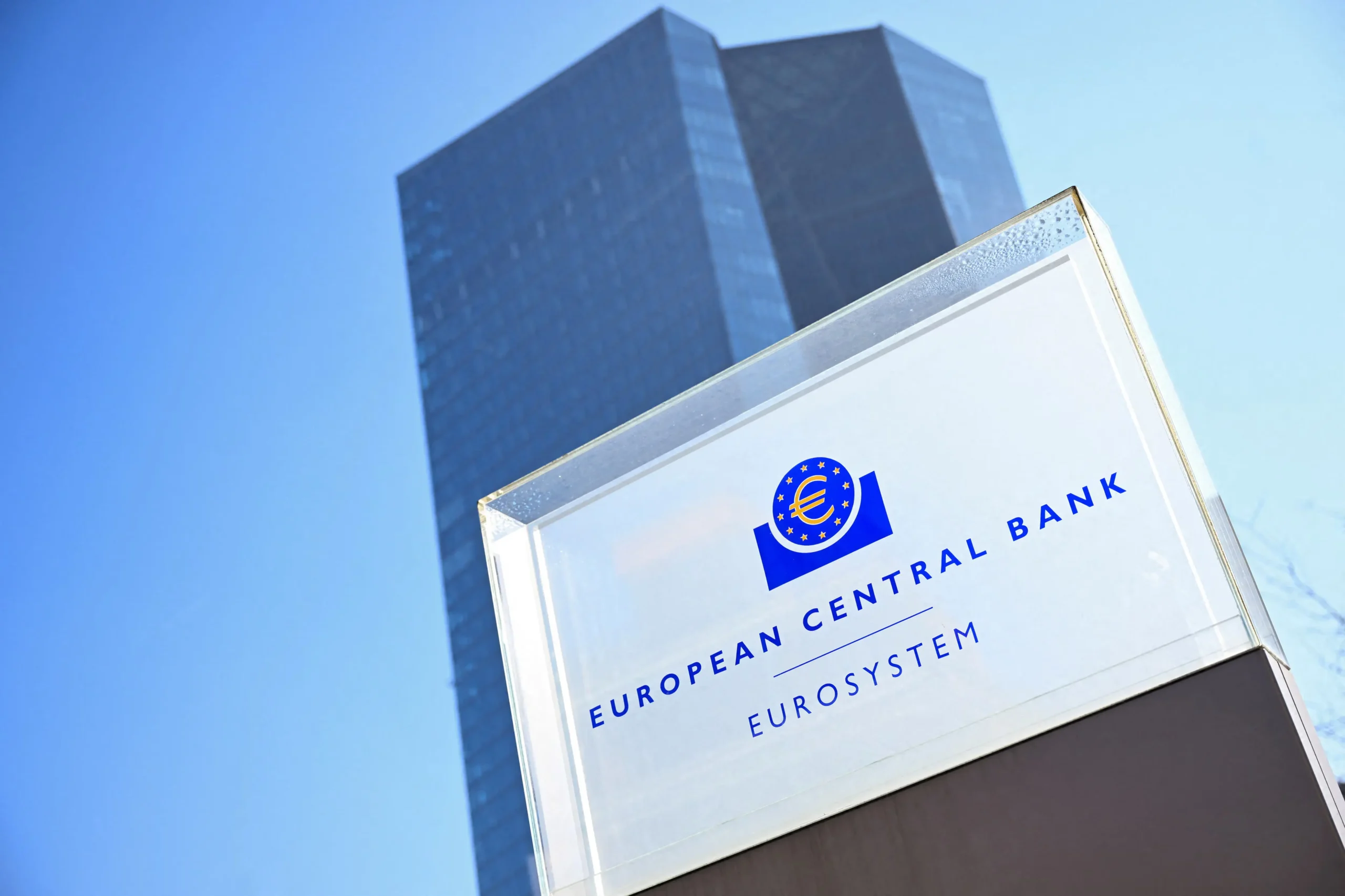
Fed hiked, ECB hiked, BoE held 6-3, BoJ next. Inside the most divergent central bank week since 2022 and what it signals for stagflation risk.
Executive Summary / Key Takeaways
- Four major central banks moved within eight days: the ECB raised its deposit rate to 2.5% on 10 September, the Fed hiked to 3.75%–4.00% on 16 September, the Bank of England held at 3.75% on a 6-3 vote on 17 September, and the Bank of Japan is expected to move on 18 September.
- UK inflation has hit a five-month high of 3.1%, with the BoE warning it is likely to rise further over coming quarters.
- The Bank of England also announced an unexpected plan to sell £146 billion of UK government bonds directly to the Treasury to complete quantitative tightening.
- This is a supply-shock tightening cycle, not a demand-driven one — which is precisely what makes the stagflation question live.
- The soft-landing case rests on strong productivity and AI-driven capital investment; the stagflation case rests on energy prices that have not normalised.
1. Introduction & Immediate Context
Central banks almost never tighten into an energy shock. Doing so risks amplifying the output loss while doing little to address the price source. Over eight days in September 2026, three of the world’s four largest monetary authorities did exactly that — and the fourth is expected to follow.
The sequencing matters. The ECB raised its main rates by a quarter point at its 10 September meeting, lifting the deposit rate from 2.25% to 2.5%, and said inflationary pressures arising from the conflict in the Middle East would contribute to inflation remaining above its 2% target for an extended period, according to the House of Commons Library. That followed a June increase of the same size. The Fed moved on 16 September. The Bank of England broke the pattern on 17 September by holding.
For CFOs and macro investors the question is no longer whether policy is restrictive. It is whether restriction is being applied to the right problem.
2. Core Market / Strategic Analysis
2.1 The September policy grid
| Central Bank | Decision | Policy Rate | Vote / Signal | Source |
|---|---|---|---|---|
| Federal Reserve (16 Sep) | +25 bps | 3.75%–4.00% | Unanimous 12-0; 16 of 18 see another hike | Federal Reserve |
| ECB (10 Sep) | +25 bps | 2.50% deposit rate | Second hike since June 2026 | Commons Library |
| Bank of England (17 Sep) | Hold | 3.75% | 6-3, three voting for 4.00% | Euronews |
| Bank of Japan (18 Sep) | Expected +25 bps | 1.00% → 1.25% expected | Hike priced near certainty | FXStreet |
2.2 Why the Bank of England blinked — and why three members did not
The MPC voted six to three to leave borrowing costs unchanged, with the dissenting trio pushing for a quarter-point increase to 4%, Euronews reported. The energy shock from the Iran war has pushed UK inflation to a five-month high of 3.1%. The Committee said inflation is likely to rise further over coming quarters, pointing to crude and refined energy prices that have climbed again since its last meeting and remain more volatile and higher than pre-conflict levels.
That is a central bank telling markets it expects to miss its target by a widening margin — and choosing not to act. Bank Rate has stood at 3.75% since December 2025 following six consecutive quarter-point cuts, and the July meeting produced the same hawkish 6-3 split.
The balance-sheet news was the genuine surprise. Alongside the rate decision the Bank announced an unexpected plan to sell £146 billion of UK government bonds directly to the Treasury, Invezz reported. The proposal is intended to help complete quantitative tightening and could ease some pressure on the gilt market, though it requires the chancellor’s approval. The MPC is already reducing its asset purchase programme from a peak of £895 billion to £489 billion as of 9 September 2026.
Read together, the two decisions are coherent: hold the price of money steady, but remove duration risk from the market through a different channel.
2.3 Asia’s mirror-image problem
Japan’s position inverts everyone else’s. Its ultra-low rates financed trillions of dollars in global investment for more than a decade, making the yen one of the world’s cheapest funding currencies — an advantage that may be entering a new phase as the BoJ tightens again, FXStreet noted.
The carry-trade unwind is not a Japanese story. It is a global liquidity story, and it has already shown up in the US long end: the 10-year Treasury yield briefly crossed 5% in mid-September, driven by a combination of surging oil prices, a hotter-than-expected August CPI, heavy bond issuance and a possible unwinding of the yen carry trade as Japanese rates rise.
3. Structural Drivers and Competitor Gaps
The stagflation-versus-soft-landing frame is usually argued with sentiment. The honest version requires separating two questions.
Question one: is the inflation demand-driven? Largely not. The ECB, BoE and Fed all attribute the current impulse to energy. The IMF’s July update expects global inflation to pause its steady decline. Tightening against a supply shock compresses demand without addressing supply, which is the textbook path to a growth-inflation squeeze.
Question two: is the supply side strong enough to absorb it? Here the evidence cuts the other way. The Fed’s own statement describes productivity growth as strong and capital investment as robust, with domestic spending resilient. The IMF notes that accelerated demand-driven momentum in the global technology cycle, driven by AI advances and adoption, is partly offsetting the war’s effects.
That is the crux. A genuine stagflation requires weak supply-side growth alongside high inflation. What the data currently show is high inflation alongside unusually strong productivity and investment — an unusual and unstable combination, but not classic stagflation.
Three markers will resolve it:
- Whether energy prices normalise. Oil trading solidly above $100 per barrel around the Fed decision, per Yahoo Finance, keeps the shock live. The World Bank’s 2027 recovery scenario assumes it fades.
- Whether second-round effects appear in wages. The BoE explicitly flagged the risk of higher energy prices transmitting into household costs, wages and broader inflation.
- Whether the AI capex cycle holds. Both the IMF and the World Bank treat broader AI adoption as the principal upside risk to growth. If technology investment slows, the offset disappears and the stagflation case strengthens sharply.
4. Key Implications for Stakeholders
Corporate CFOs in Europe. Euro-area policy is still the loosest of the major blocs at a 2.5% deposit rate, but the ECB has now hiked twice since June and expects above-target inflation for an extended period. Refinancing windows are narrowing; the argument for terming out debt in Q4 2026 rather than waiting for 2027 is stronger than it was in June.
UK-exposed borrowers. A held Bank Rate does not mean held borrowing costs. With the MPC expecting inflation to rise further and three members already voting to hike, the November meeting is genuinely live. The £146 billion gilt transfer, if approved, is the variable to watch for long-end pricing.
Asian exporters. Yen weakness following the Fed’s decision improved the earnings outlook for Japan’s export-focused industries — but a BoJ hike cuts the other way. Currency hedging assumptions built on a persistently cheap yen need revisiting.
Multi-asset allocators. Divergence itself is the tradeable feature. The Fed is tightening into strength, the ECB into weakness, the BoE is paralysed by a split committee, and the BoJ is normalising from a near-zero base. Relative-value positioning in rates is more attractive than directional duration.
5. Frequently Asked Questions
Q1: Is the global economy heading into stagflation in 2026?
Not on current data. Inflation is elevated and energy-driven, but productivity growth and capital investment remain strong, which classic stagflation requires to be weak. The risk rises materially if the AI-led investment cycle slows while energy prices stay high.
Q2: Why did the Bank of England hold while the Fed and ECB hiked?
The MPC voted 6-3 to hold at 3.75% despite inflation hitting a five-month high of 3.1%, judging that the energy-driven inflation impulse did not yet warrant tightening. Three members dissented in favour of a quarter-point rise to 4%.
Q3: What is the ECB’s current interest rate?
The ECB raised its deposit rate to 2.5% on 10 September 2026, its second quarter-point increase since June. Its next scheduled policy meeting concludes on 29 October.
Q4: How does the Bank of Japan’s decision affect global markets?
A BoJ hike raises the cost of yen funding, which has underpinned global carry trades for over a decade. The unwind has already contributed to higher long-dated yields in the US and Europe.
Discover more from The Economy
Subscribe to get the latest posts sent to your email.


Asian Markets Analysis: Navigating Volatility in China, Japan, and Singapore Stocks

Stagflation vs. Soft Landing: How Central Bank Rates Are Reshaping European and Asian Economies

IMF & World Bank Global Economic Outlook: Growth Forecasts Across Europe and Asia

Fed Rate Hike Projections vs. Trump’s Interest Rate Policy: What Global Markets Expect Next

Singapore Stocks: The Ultimate Safe Haven for Markets and Finance in 2026?

Marie Gluesenkamp Perez: How a Former Shop Owner’s Moderate Politics Are Shaping Tech and Economy Bills

The Future of Silicon: Supply Chain Vulnerabilities in the 2026 Tech Sector

Rolex Perpetual Market Value 2026: Why Luxury Watches Remain a Top Alternative Asset

PSX and KSE-100: How Pakistan’s Market Became One of Asia’s Best Performers

China Stocks vs. Japan Stocks: Where World Bank and IMF Data Point for 2027

Beyond Rhetoric: How the EU Is Deploying ‘All Tools’ to Rebalance Its €1 Billion-a-Day Trade Deficit with China

Elon Musk’s Next Moves: Disrupting the 2026 Global Economy

INTC Stock Forecast 2026: Can Intel’s Government-Backed Turnaround Hold?

Bitcoin Price Action in Q4 2026: Safe-Haven Asset or High-Risk Tech Play?

State Farm’s $5B Dividend 2026: Who Qualifies & Payout Dates

US-China Relations in Q3 2026: Trade Tariffs and Supply Chain Risks

Oil Surges as Strait of Hormuz Traffic Collapses Again

SpaceX Starship Flight 14: First Orbital Attempt & Starlink V3 Launch Explained

Bank of England Set to Hold Rates Through Year-End, Reuters Poll Shows

Top 30 Stocks for Investment in PSX for Massive ROI in 2026

The 2026 Crypto Regulatory Shift: What It Means for Institutional Investors

AI Chip Stocks 2026: The Best Semiconductor Investments Beyond Marvell

AI-Powered Training: The Next Multi-Billion Dollar Ecosystem in Fitness

Tween Back-to-School Trends 2026: What’s Driving the $85B Season

Russia’s Black Sea Oil Exports Fall for a Fifth Straight Week

Shein Clothes Quality & Safety in 2026: What Lab Tests Show

Global Chip Selloff Deepens: What’s Driving the Aug. 19 Semiconductor Rout

10-Year Treasury Yield Hits 4.80%: What It Means for Rates & Portfolios
-

 Markets & Finance8 months ago
Top 15 Stocks for Investment in 2026 in PSX: Your Complete Guide to Pakistan’s Best Investment Opportunities
-

 Analysis7 months ago
Johor’s Investment Boom: The Hidden Costs Behind Malaysia’s Most Ambitious Economic Surge
-

 Analysis7 months ago
Top 10 Stocks for Investment in PSX for Quick Returns in 2026
-

 Analysis7 months ago
Brazil’s Rare Earth Race: US, EU, and China Compete for Critical Minerals as Tensions Rise
-

 Banks8 months ago
Best Investments in Pakistan 2026: Top 10 Low-Price Shares and Long-Term Picks for the PSX
-

 Investment8 months ago
Top 10 Mutual Fund Managers in Pakistan for Investment in 2026: A Comprehensive Guide for Optimal Returns
-

 Global Economy9 months ago
15 Most Lucrative Sectors for Investment in Pakistan: A 2025 Data-Driven Analysis
-

 Global Economy9 months ago
Pakistan’s Export Goldmine: 10 Game-Changing Markets Where Pakistani Businesses Are Winning Big in 2025