
Business
Gold Hits Record High 2026 as Trump Davos-Greenland Crisis Deepens

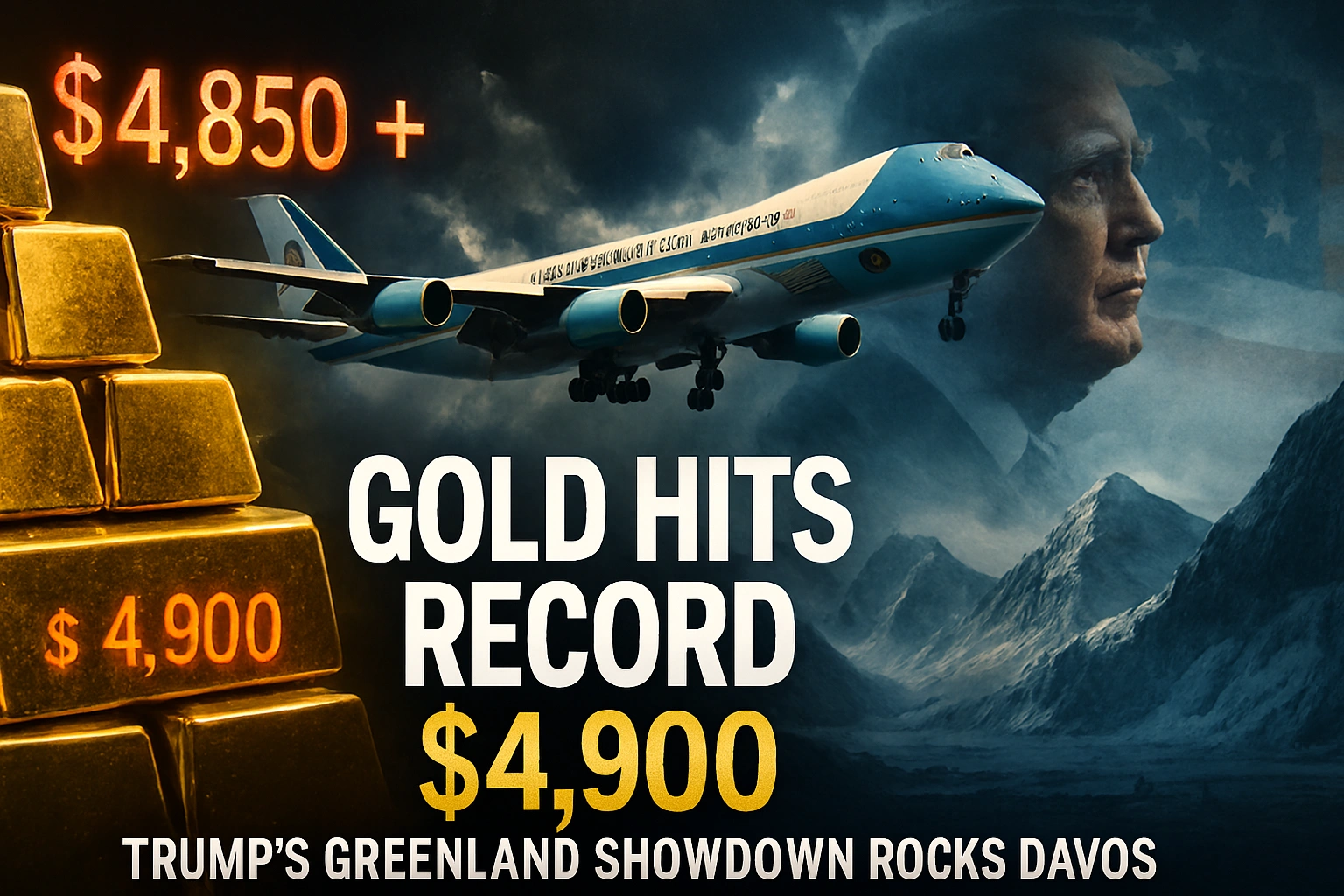
Gold prices soar past $4,800 amid Trump’s Greenland tariff threats and Davos arrival. Analysis of safe-haven demand, geopolitical risks, and market outlook.
The yellow metal has spoken, and its message reverberates from trading floors in London to the Alpine corridors of power. Gold prices shattered all previous records on January 21, 2026, surging past $4,850 per troy ounce as President Donald Trump departed for the World Economic Forum in Davos—a journey briefly interrupted when Air Force One experienced an electrical malfunction, forcing a return to base and a switch to the backup aircraft. The incident, minor in technical terms but symbolically resonant, seemed to mirror the turbulence roiling global markets as investors flee to the ultimate safe haven amid escalating tensions over Greenland.
The timing could scarcely be more charged. Trump’s renewed push to acquire Greenland—dismissed as improbable during his first term—has evolved from rhetorical flourish to concrete policy threat, complete with proposed tariffs on Denmark and the European Union should they resist American overtures. As the president’s plane finally lifted off for Switzerland, gold traders were already pricing in scenarios that would have seemed fantastical mere months ago: a transatlantic trade war triggered by Arctic territorial ambitions, a fracturing of NATO’s unity, and the potential unraveling of the post-1945 consensus on sovereignty and territorial integrity.
This is not merely another spike in precious metals pricing. The gold record high January 2026 represents a profound vote of no confidence in the stability of the international order, a hedge against the unthinkable becoming routine. As Trump prepares to address global elites in Davos—many of whom view his Greenland gambit with alarm bordering on disbelief—the question is no longer whether markets will react, but how far the contagion will spread.
The Gold Rally in Context: Safe Haven Demand Meets Dollar Doubt
To understand why gold prices hit record high January 2026, one must first grasp the convergence of forces that have transformed bullion from a defensive play into a must-own asset. According to data compiled by Bloomberg, spot gold has risen approximately 18% since the start of the year, obliterating the previous all-time high of $4,150 set in late 2025. The surge accelerates a trend that began when Trump’s transition team first floated the Greenland acquisition in December, but the current rally reflects broader anxieties.
The immediate catalyst is clear: Trump’s tariff threats over Greenland have injected extraordinary uncertainty into transatlantic trade relations. The president has suggested levies as high as 200% on select Danish and European goods should Copenhagen refuse to negotiate Greenland’s status—a position that The Financial Times describes as “without precedent in modern diplomatic history.” European Commission President Ursula von der Leyen has called the proposal “an assault on the principles that have governed relations between democracies for eight decades,” setting the stage for confrontation rather than compromise.
But the Trump Greenland tariffs represent only one dimension of gold’s safe haven appeal. The dollar, traditionally an alternative refuge during geopolitical stress, has weakened against a basket of currencies as investors question whether the United States can simultaneously pursue aggressive unilateral policies and maintain the reserve currency’s privileged status. The dollar index has declined nearly 4% since early January, a significant move that makes gold more attractive to holders of other currencies while also reflecting doubts about American policy coherence.
Historical parallels abound, though none align perfectly. The 1970s stagflation era saw gold surge from $35 per ounce to over $800 as the Bretton Woods system collapsed and geopolitical shocks—oil embargoes, Cold War tensions—eroded confidence in fiat currencies. More recently, Trump’s first-term trade war with China in 2019 drove gold above $1,500 as investors hedged against tariff escalation and growth slowdowns. Yet the current rally differs in velocity and breadth: central banks from China to Poland are reportedly accelerating gold purchases, while retail demand in Asia has surged despite record prices—a sign that even price-sensitive buyers view current risks as extraordinary.
“Gold is doing what it’s supposed to do,” noted a commodities strategist at a major investment bank in a Reuters interview, “but the speed and magnitude suggest markets are pricing in tail risks that we normally associate with wartime or financial crisis. The Greenland situation has become a focal point for broader anxieties about American reliability and the rules-based order.”
The Federal Reserve’s policy stance adds another layer of complexity. With inflation still above target but growth showing signs of deceleration, the Fed faces an impossible trilemma: maintain credibility through continued restraint, support growth through easing, or absorb the inflationary shock of potential tariffs. Gold, which pays no interest and thus competes with bonds when rates rise, has historically thrived in environments where real yields—nominal rates minus inflation—turn negative or uncertainty renders yield calculations irrelevant. Current market pricing suggests investors believe the Fed will ultimately prioritize growth over inflation control, a calculation that favors hard assets.
Greenland Becomes the Fault Line: Arctic Ambitions and Atlantic Fractures
The question of how Greenland transformed from a peripheral issue to the potential trigger for a transatlantic rupture deserves careful examination. The autonomous Danish territory, home to approximately 57,000 people and vast deposits of rare earth minerals critical for modern technology, has long attracted interest from great powers. Yet Trump’s renewed campaign—characterized by public statements describing Greenland’s acquisition as essential for national security and economic competitiveness—represents a sharp departure from diplomatic norms.
As The New York Times reported, Trump’s advisers have framed Greenland through the lens of strategic competition with China, which has sought Arctic access and rare earth dominance for over a decade. Greenland’s mineral wealth includes neodymium, praseodymium, and dysprosium—elements essential for electric vehicle motors, wind turbines, and advanced military systems. China currently controls approximately 70% of global rare earth processing, a monopoly that American policymakers view as an unacceptable vulnerability.
Beyond minerals, Greenland occupies critical geography as Arctic ice melt opens new shipping routes and resource extraction opportunities. The Northwest Passage, increasingly navigable due to climate change, could reduce shipping times between Asia and Europe by roughly 40% compared to traditional routes through the Suez or Panama canals. Military strategists note that Thule Air Base, already operated by the United States in northwestern Greenland, would become even more valuable in any scenario involving Russian or Chinese Arctic expansion.
Denmark’s position, however, remains unambiguous. Prime Minister Mette Frederiksen has stated repeatedly that “Greenland is not for sale,” a position supported unanimously by the Danish parliament. Greenland’s own government, led by Premier Múte Bourup Egede, has emphasized the territory’s right to self-determination while noting its constitution does not permit unilateral secession from the Kingdom of Denmark without Danish consent—a legal complexity that makes any transfer of sovereignty extraordinarily difficult even if Greenlanders desired it.
The escalation to tariff threats marks a dangerous inflection point. The Economist notes that using trade policy to coerce territorial concessions from an ally violates both World Trade Organization principles and the spirit of NATO, potentially setting precedents that could undermine the entire framework of Western economic and security cooperation. European officials have responded with unusual unity, warning that American tariffs would trigger immediate retaliation and could force a fundamental reassessment of the transatlantic relationship.
NATO complications add further volatility. Both the United States and Denmark are founding members of the alliance, which operates on principles of collective defense and mutual respect for sovereignty. Article 5—the collective defense clause—has been invoked only once, following the September 11 attacks, when European allies rallied to America’s defense. The prospect of the alliance’s most powerful member threatening economic warfare against a small fellow member over territorial acquisition raises existential questions about NATO’s purpose and viability.
Geopolitical analysts suggest several factors explain the timing of Trump’s push. The Ukraine war has demonstrated the strategic value of resource security and territorial control. China’s Belt and Road Initiative continues expanding into the Arctic through partnerships with Russia. And domestic American politics increasingly reward bold nationalist postures over traditional diplomatic caution. Yet the gap between Trump’s stated objectives and feasible outcomes remains vast—a disconnect that markets are pricing into safe haven assets like gold.
Davos Under Strain: Global Elites Confront American Unilateralism
The World Economic Forum’s annual gathering in Davos typically serves as a venue for consensus-building among political and business elites, a place where disagreements are aired but common ground is sought. Trump’s arrival this week, however, has transformed the event into something approaching a reckoning with American power and its limits.
According to reports from The Wall Street Journal, European leaders have coordinated their messaging in advance of Trump’s expected address, preparing to confront the Greenland issue directly while seeking to preserve broader economic ties. French President Emmanuel Macron, German Chancellor Friedrich Merz, and European Commission officials plan to emphasize that territorial sovereignty is non-negotiable regardless of economic inducements or threats—a message intended for domestic audiences as much as for Trump.
The president’s Davos speech, scheduled for the forum’s main stage, will be scrutinized for signals about how far he intends to push the Greenland confrontation. Trump’s advisers have suggested he will frame the issue in terms of “American renewal” and “correcting historic mistakes,” language that could either provide face-saving ambiguity or double down on maximalist demands. Markets appear positioned for the latter, with gold’s continued strength suggesting traders expect escalation rather than de-escalation.
Business leaders attending Davos face their own dilemmas. American companies with significant European operations—a category that includes most Fortune 500 firms—would suffer severe disruption from any transatlantic trade war. Yet corporate executives have limited leverage over Trump’s foreign policy and risk domestic political backlash if they appear to prioritize foreign relationships over American interests as the administration defines them.
The International Monetary Fund’s managing director is expected to warn during the forum that a trade conflict between the United States and Europe could shave up to 1.5% from global GDP growth, a shock comparable to the initial impact of COVID-19 lockdowns. The IMF’s analysis, as covered by the Financial Times, suggests that even if tariffs are implemented briefly before negotiation, the uncertainty costs alone would trigger capital flight, supply chain disruptions, and investment delays that could take years to reverse.
China’s absence from high-profile Davos discussions is notable, as Beijing has carefully avoided entanglement in the Greenland dispute while quietly positioning itself to benefit from transatlantic discord. Chinese officials have signaled willingness to deepen economic ties with Europe should American relationships fray, offering a strategic alternative that European leaders find simultaneously attractive and concerning given their own worries about Chinese influence.
Potential outcomes range widely. Optimistic scenarios envision Trump using tariff threats as negotiating leverage to extract concessions on other issues—Arctic cooperation agreements, rare earth supply chains, defense burden-sharing—before declaring victory and stepping back. Pessimistic scenarios involve actual tariff implementation, European retaliation, and a downward spiral that fragments Western economic integration. Markets currently price probabilities somewhere between these extremes, with gold’s rally suggesting greater weight on downside risks.
Broader Implications and Outlook: When Safe Havens Become the Trade
The gold record high 2026 extends far beyond precious metals markets, sending ripples through currencies, sovereign debt, equities, and commodities. The dollar’s decline, already mentioned, accelerates as foreign central banks reportedly diversify reserves away from U.S. Treasury securities—not yet at panic levels, but sufficient to pressure yields higher and complicate Federal Reserve policy. The euro has strengthened despite Europe’s own economic challenges, reflecting a relative assessment that European institutions, whatever their flaws, present less immediate risk than American policy volatility.
Equity markets have responded with characteristic schizophrenia: technology stocks decline on fears that rare earth supply disruptions could raise input costs, while defense contractors rally on expectations of increased military spending. European indices underperform American counterparts as investors price in recession risk from potential tariffs, yet both lag the relentless upward march of gold and other hard assets.
Cryptocurrency advocates have sought to position Bitcoin and other digital assets as alternative safe havens, noting Bitcoin’s own surge above $105,000 this month. Yet analysis from Bloomberg suggests crypto’s rally reflects different dynamics—liquidity flows and speculative positioning—rather than the genuine flight-to-safety driving gold demand. When markets price genuine systemic risk, the argument goes, five thousand years of precedent favor the metal over the algorithm.
Commodity markets more broadly reveal growing concern about supply chain fragmentation. Industrial metals have rallied alongside gold as traders position for a world where geopolitical barriers replace just-in-time efficiency. Oil prices remain subdued, reflecting demand concerns, but natural gas has spiked on European fears about energy security should broader conflicts emerge. Agricultural commodities show increased volatility as weather uncertainties compound with trade policy unpredictability.
The question now dominating trading desk conversations: can gold breach $5,000 per ounce, and if so, when? Technical analysts point to chart patterns suggesting momentum remains strong, with limited resistance levels until $5,200. Fundamental analysts note that if Trump’s Greenland push triggers even a moderate trade conflict, safe haven demand could easily propel prices higher. Central bank buying—particularly from China, Russia, and emerging markets seeking to reduce dollar exposure—provides a steady bid that wasn’t present during previous gold rallies.
Yet risks to the gold thesis exist. Any genuine de-escalation in Davos or afterward would likely trigger profit-taking, potentially sharp given how rapidly positions have built. If the Federal Reserve signals greater tolerance for market volatility or commits to maintaining high rates regardless of growth concerns, real yields could rise enough to make interest-bearing assets competitive again. And gold’s rally itself could prove self-limiting: at current prices, mine supply increases while jewelry demand—particularly from price-sensitive Asian consumers—softens.
Policy risks extend beyond trade. The European Union faces internal challenges as member states debate how firmly to confront American demands, with some Eastern European nations prioritizing security ties over economic principles. NATO’s credibility hangs in the balance, with unclear implications for defense spending, strategic planning, and alliance cohesion. And the precedent of using economic coercion to pursue territorial claims, should it succeed, would fundamentally alter the post-1945 international system in ways that extend far beyond the Arctic.
Conclusion: The Price of Disruption
Gold’s ascent to record highs amid Trump’s Davos arrival and the Greenland standoff crystallizes a moment of profound uncertainty about the architecture of global order. The electrical issue that briefly grounded Air Force One—a minor technical glitch resolved within hours—serves as an unintended metaphor for the larger questions now confronting markets and policymakers. When established systems encounter unexpected turbulence, do they adapt and continue, or do cascade failures follow?
The answer matters enormously. Gold prices, for all their drama, are merely symptoms of deeper anxieties about reliability, predictability, and the rules that govern interaction between nations. If the United States can threaten tariffs to coerce territorial concessions from allies, what other norms might be negotiable? If Europe cannot defend the sovereignty of its own members without risking economic catastrophe, what does collective security mean? If markets must price the previously unthinkable as merely improbable, what risk-free rate truly exists?
These are not questions with easy answers, which is precisely why gold—that most ancient of safe havens—trades at prices that would have seemed fantastical even a year ago. Davos will provide some clarity in coming days, though perhaps not the reassurance that markets crave. Until then, the yellow metal’s message remains clear: in an age of disruption, the ultimate hedge is the asset that predates the disruption itself.
The world watches Switzerland this week, waiting to learn whether American ambition and European principle can find accommodation, or whether the fractures now visible will deepen into chasms. Gold traders, characteristically, are not waiting for the answer—they’re betting that asking the question is reason enough to buy.
Discover more from The Economy
Subscribe to get the latest posts sent to your email.


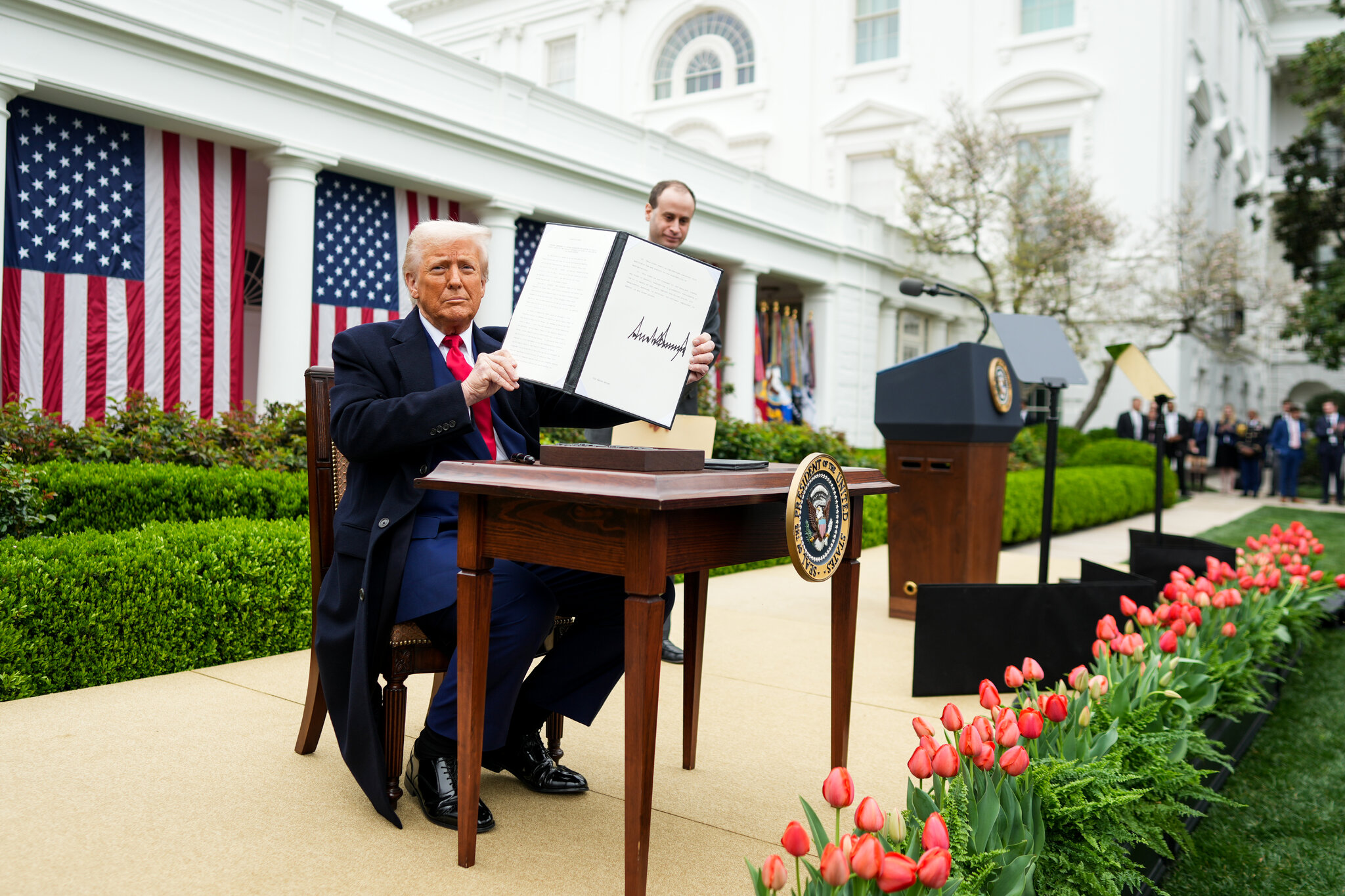
The US is imposing 10–12.5% tariffs on 60 countries over forced-labour enforcement gaps. Here’s what it means for Canada, Pakistan, and global sourcing.
Most tariff coverage in 2026 has focused on headline-grabbing bilateral fights — Section 232 metals duties, the US-Canada CUSMA review, reciprocal tariff threats. But a quieter measure moving through the USTR process may end up touching more of global trade than any single country-specific tariff: a forced-labour enforcement tariff applied not to a handful of adversaries, but to 60 economies accounting for 99% of US imports.
In mid-2026, the US Trade Representative proposed tariffs of 10% to 12.5% on imports from 60 economies — covering roughly 99% of US imports — after finding these countries had not adequately enforced bans on forced-labour goods. Countries with partial enforcement commitments face the lower 10% rate; the rest face 12.5%, with a special mechanism for apparel and textiles.
What the rule actually does
The USTR’s findings state that these 60 economies have failed to adequately prohibit or enforce bans on goods made with forced labour, which the agency frames as a source of unfair competition against countries that do enforce such bans. The proposed structure is two-tiered: a 10% tariff for countries that already have some form of forced-labour import prohibition or have committed to implementing one, and a 12.5% tariff for the remaining countries. A separate mechanism would allow limited apparel and textile imports at reduced rates, softening the blow for garment-dependent exporters.
Canada is on the list despite being a treaty partner under CUSMA — a reminder that forced-labour enforcement gaps are being treated as a distinct trade-policy lever, separate from tariff and quota negotiations under existing free-trade agreements.
Why this is the underreported story
Coverage so far has treated this as a compliance footnote inside broader tariff news. It deserves more attention for three reasons:
- Scale: unlike sector tariffs on steel or autos, this rule touches nearly the entire US import base at once, which means the aggregate cost pass-through to US consumers could exceed any single sector-specific measure.
- Enforcement burden shifts downstream: exporting countries — including major garment and electronics suppliers in Asia — will need to demonstrate active supply-chain auditing, not just legal prohibitions on paper, to qualify for the lower rate.
- Leverage point beyond trade: it gives Washington a tool to press human-rights and labour-standards issues inside what looks, on the surface, like a routine tariff schedule.
What exporters and sourcing teams should watch
- Whether their country lands in the 10% or 12.5% tier once USTR finalises findings after the July 2026 comment period
- Documentation requirements for the textile/apparel carve-out
- Whether affected governments respond with formal labour-enforcement commitments to shift tiers before the rule takes effect.
Discover more from The Economy
Subscribe to get the latest posts sent to your email.
Banks
Pakistan’s Most Reliable Export Is Its People: Remittances Hit $41.6 Billion, Overtaking Total Exports
Introduction
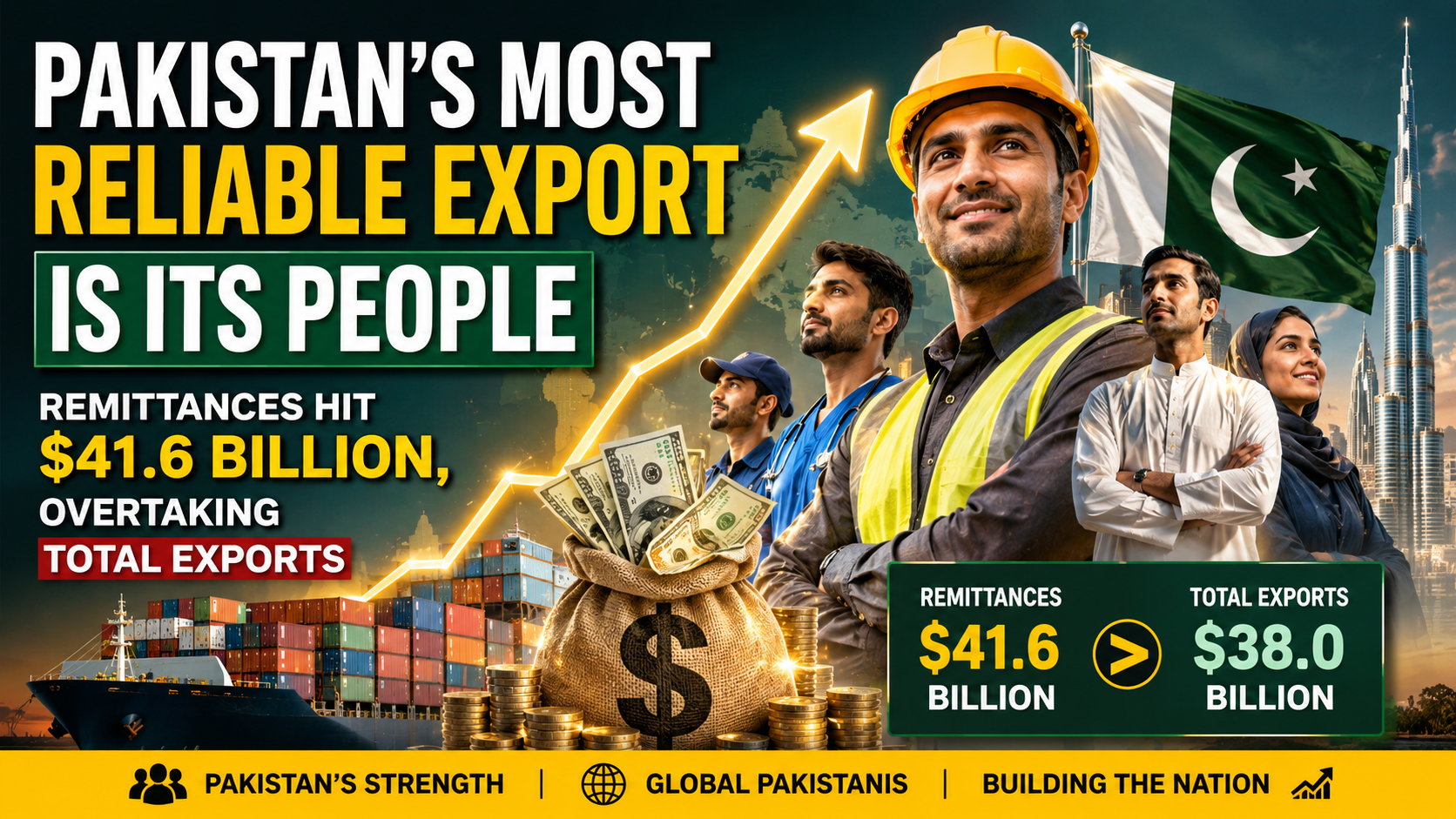
For the first time in the country’s history, money sent home by Pakistan’s overseas workers has exceeded the value of everything Pakistan actually sells abroad. Remittances hit a record $41.6 billion in the fiscal year ending June 30, 2026, according to State Bank of Pakistan data — surpassing total merchandise exports for the same period and cementing a structural shift that economists are increasingly uneasy about (VOI World/State Bank of Pakistan).
The Numbers Behind the Milestone
Remittance inflows rose 8.6% year-on-year in FY26, up from $38.3 billion in FY25 (VOI World). Some reporting puts the full 11-month figure even higher at $38 billion before the final month was tallied, with May 2026 alone contributing $4.25 billion — an amount roughly equal to what the entire country spends on imports in a single month (Express Tribune). A separate Express Tribune report puts the full FY26 total even higher, at $41.58 billion, an increase of nearly $3.29 billion over the prior year, delivered “without structured educational, training or welfare support” for the overseas workforce generating it (Express Tribune — Remittances Without Structured Support).
Saudi Arabia remained the single largest source of remittances in June 2026 at $829.6 million, followed by the UAE ($792.3 million), the United Kingdom ($514.9 million) and the United States ($296.8 million), with Italy and Oman each contributing more than $100 million (VOI World). That geographic concentration matters: a substantial share of Pakistan’s remittance base originates from the Gulf, leaving the country’s external account exposed to labor market reforms, economic cycles and geopolitical developments concentrated in a single, currently volatile region (Business Recorder Editorial).
Exports Have Been Stuck for Years
The remittance surge stands in sharp contrast to Pakistan’s export performance, which has shown little sustained dynamism despite years of concessional financing, preferential tariff regimes and subsidized energy for exporters (Business Recorder Editorial). The textile sector — long considered the backbone of Pakistan’s export economy — has been stuck in a $15–18 billion annual range for years, even as a handful of forward-thinking textile groups have managed to grow exports and diversify product lines under the exact same operating conditions others cite as prohibitive (Express Tribune). Separately reported nine-month data for the fiscal year showed exports contracting 5.8% to $23.3 billion even as imports rose nearly 8% to $46.8 billion, widening the trade gap further (Minute Mirror).
Over the three fiscal years from 2023 to 2025, Pakistan received $95.8 billion in remittances compared with $91 billion in merchandise exports — a gap that reflects, according to Business Recorder analysis, a deliberate policy orientation that has effectively institutionalized remittances as the default tool for stabilizing the current account rather than addressing the underlying export weakness (Business Recorder Opinion).
The Dutch Disease Warning
Independent economists have begun explicitly framing this pattern as a precursor to Dutch disease — the phenomenon where a large, easy source of foreign currency inflow reduces the pressure and incentive to build a competitive tradeable export sector (Business Recorder Opinion). The policy dimension is not incidental: under IMF program conditions, a long-standing subsidy that had encouraged banks to actively mobilize remittance transfers was withdrawn in the 2026 Budget, contributing to a temporary slowdown in inflows during the early months of the fiscal year before the government released Rs30 billion from its contingency fund to help revive momentum (Business Recorder Opinion).
A Business Recorder editorial published in July 2026 was blunt about the implication: Pakistan’s overseas workers have effectively become the country’s “most reliable export,” with its own people functioning as its largest export commodity — a framing the editorial explicitly calls an unsustainable foundation for long-term development strategy (Business Recorder Editorial).
The Silver Linings
The remittance boom has provided genuine macroeconomic stabilization. Total liquid foreign reserves crossed $23.98 billion as of early July 2026, including $18.47 billion held by the State Bank of Pakistan itself, with the rupee holding relatively steady around Rs278 per dollar in the interbank market (Express Tribune — Remittances Without Structured Support). Inflation has also been easing, and large-scale manufacturing showed signs of recovery with 5.9% growth in earlier-reported data, while agricultural lending rose 14.4% during July–February, extending credit access to farmers (Minute Mirror). Separately, Pakistan has reportedly repaid roughly Rs4,722 billion in debt ahead of schedule and posted a historic milestone in IT sector exports, suggesting pockets of genuine structural improvement exist alongside the broader export stagnation (Radio Pakistan).
Why This Matters Beyond Pakistan
Pakistan’s experience is a useful case study for other remittance-dependent emerging economies navigating IMF program conditions. The core tension — using a reliable, low-effort capital inflow to paper over a harder structural problem in the tradeable goods sector — is not unique to Pakistan, but few economies illustrate the scale of the imbalance as starkly as a country where remittances now formally exceed total exports.
Key Takeaways
- Pakistan’s FY26 remittances hit a record $41.6 billion, surpassing total merchandise exports for the first time in the country’s history.
- Saudi Arabia and the UAE remain the largest single sources, concentrating external account risk in the Gulf region.
- Textile exports have been stuck between $15–18 billion annually for years despite sustained government support.
- Economists are increasingly framing the remittance-export imbalance as a Dutch disease risk rather than a stabilization success story.
- Reserves have strengthened to nearly $24 billion and the rupee has stabilized, but the underlying export competitiveness problem remains unresolved.
Sources: VOI World, Express Tribune — Remittances Dwarf Exports, Express Tribune — Remittances Without Structured Support, Business Recorder Opinion, Business Recorder Editorial, Minute Mirror, Radio Pakistan
Discover more from The Economy
Subscribe to get the latest posts sent to your email.
AI
Anthropic Offers Up to $600,000 Salary for Critical IPO Role as AI Giant Prepares for Wall Street Debut

As anticipation builds around what could become one of the largest technology listings in recent history, artificial intelligence company Anthropic is offering an eye-catching base salary of up to $600,000 for a key investor relations position, underscoring how seriously the company is preparing for its expected initial public offering (IPO).
The San Francisco-based AI developer, best known for its Claude family of AI models, has posted a vacancy for a Director of Investor Relations with a base compensation ranging from $425,000 to $600,000, making it one of the most strategically important hires ahead of its anticipated public market debut. According to a report by Business Insider, the company is expected to pursue an IPO as early as fall 2026, following a surge in valuation and extraordinary revenue growth.
A Strategic Hire Ahead of a Landmark IPO
The investor relations director will be responsible for shaping Anthropic’s investment narrative, maintaining relationships with institutional investors, and helping Wall Street understand the company’s long-term strategy and financial outlook.
According to the job description, the successful candidate will:
- Develop Anthropic’s investment story for public markets.
- Serve as a primary liaison between executive leadership and investors.
- Analyze AI industry developments and communicate their financial implications.
- Support earnings communications, investor presentations, and regulatory disclosures.
- Work closely with the company’s newly appointed Head of Investor Relations.
The position reports into Kenneth Dorell, who joined Anthropic earlier this year after previously leading investor relations at Meta. His appointment reflects the company’s broader effort to build an experienced leadership team capable of navigating public market expectations.
Why Investor Relations Matters More Than Ever
While investor relations roles are common among public companies, they become especially significant during the transition from private to public ownership.
For Anthropic, the challenge extends beyond explaining quarterly financial results. The company must convince investors that its massive investments in AI research, computing infrastructure, and talent acquisition can translate into sustainable long-term growth.
Unlike many traditional software companies, Anthropic operates as a public benefit corporation, meaning it is legally committed to balancing shareholder returns with the responsible development of advanced artificial intelligence. The company’s official mission emphasizes building reliable, interpretable, and safe AI systems for the long-term benefit of society, according to the company’s website.
This dual mandate creates a unique communication challenge for investor relations executives, who must explain how commercial success aligns with responsible AI development.
AI Boom Drives Extraordinary Compensation
The offered salary highlights the increasingly fierce competition for executive talent across the AI industry.
Although a base salary of $600,000 is exceptional by conventional corporate standards, compensation at leading AI companies frequently includes stock awards, bonuses, and long-term incentives that can substantially increase total earnings.
Anthropic has become one of Silicon Valley’s fastest-growing companies, with demand for its enterprise AI products accelerating rapidly. The company’s coding assistant, Claude Code, has gained significant traction among software developers and businesses seeking AI-powered programming tools.
Recent reporting indicates that Anthropic’s annualized revenue has expanded dramatically as enterprise adoption of generative AI continues to accelerate, strengthening investor expectations ahead of a potential IPO.https://www.businessinsider.com/anthropic-ipo-hiring-investor-relations-director-2026-7
Preparing Wall Street for an Unconventional AI Company
Anthropic’s investor relations team faces a unique assignment.
Unlike mature technology companies with decades of operating history, frontier AI companies remain difficult to value because they invest billions of dollars annually in computing infrastructure, model training, and research talent while operating in a rapidly evolving competitive environment.
Potential investors will likely seek clarity on several key questions:
- Future profitability.
- Infrastructure spending.
- AI safety governance.
- Regulatory risks.
- Competitive positioning against OpenAI, Google, Meta, and xAI.
- Long-term monetization strategy.
The investor relations director will play a central role in translating these complex issues into a compelling investment thesis.
Strong Financial Momentum Strengthens IPO Expectations
Anthropic has emerged as one of the world’s most valuable privately held AI companies.
Backed by major investors including Amazon and Google, the company has attracted substantial funding over the past several years while rapidly expanding its enterprise customer base.
Its Claude models have become widely used for coding, research, enterprise automation, and business productivity, placing Anthropic among the strongest competitors to OpenAI.
The company’s remarkable financial momentum has fueled growing speculation that its IPO could become one of the defining public offerings of the AI era.
Competition for AI Talent Intensifies
The generous compensation package also reflects the broader battle for experienced executives across the artificial intelligence sector.
Companies developing frontier AI systems increasingly compete not only for elite researchers and engineers but also for specialists in finance, public markets, communications, and regulatory affairs.
As valuations continue climbing into the hundreds of billions of dollars, experienced executives capable of guiding companies through IPOs have become increasingly valuable.
Industry observers expect executive compensation across AI firms to remain elevated as competition intensifies.
The Bigger Picture
Anthropic’s decision to offer a base salary reaching $600,000 for an investor relations executive sends a clear signal that preparations for public markets are accelerating.
Beyond the headline salary, the recruitment reflects a broader transformation within the AI industry. As companies mature from venture-backed startups into global technology leaders, success increasingly depends not only on breakthrough research but also on convincing investors that enormous AI investments can produce sustainable long-term returns.
If Anthropic proceeds with its widely anticipated IPO, this investor relations hire could become one of the most influential behind-the-scenes roles in shaping how one of the world’s most valuable AI companies is introduced to public investors.
Sources
- Business Insider, Anthropic is offering a $600,000 salary for one of its most important IPO hires: https://www.businessinsider.com/anthropic-ipo-hiring-investor-relations-director-2026-7
- Anthropic, Official Company Website: https://www.anthropic.com/
Discover more from The Economy
Subscribe to get the latest posts sent to your email.

Pakistan Gulf Investment Outflows 2026: Peace Deal Stakes Explained

Canada Trade Diversification 2026: China, Indonesia, UAE Deals Explained

US Forced-Labour Tariffs on 60 Countries: The Hidden Trade Shock of 2026

Global Central Banks 2026: Fed, BoE and BoJ Decisions Could Reshape Markets

Gulf Capital Retreat From Pakistan 2026: UAE Loan Freeze & What It Means

Pakistan’s Most Reliable Export Is Its People: Remittances Hit $41.6 Billion, Overtaking Total Exports

Indonesia’s Confidence Problem: Record Investment, a Sinking Rupiah, and a Widening Credibility Gap

Down But Not Out: Inside the Slow Sinking of Russia’s War Economy

China’s Growth Slips to a Four-Year Low: Why Beijing Still Won’t Pull the Stimulus Trigger

The Johor-Singapore Corridor: How Malaysia Became Southeast Asia’s AI Infrastructure Powerhouse

Canada’s Economy ‘On Pause’: Inside the CUSMA Deadline That Passed Without a Deal

Dubai’s Millionaire Magnet: How the UAE Turned Middle East Turmoil Into a Capital Safe-Haven Boom

Britain’s Sixth Prime Minister in a Decade: What Starmer’s Exit Means for Gilts, Sterling and Your Portfolio

Anthropic Offers Up to $600,000 Salary for Critical IPO Role as AI Giant Prepares for Wall Street Debut

Carry Trade Unwind 2026: How the Yen’s Snapback Triggered a Global Margin Call

AI Bubble Warning 2026: Why BIS, IMF and Bank of England Fear a Market Crash

BRICS De‑Dollarization Strategy Takes Shape with $15 Billion Local‑Currency Push

The AI Super Bubble Is Ready to Burst

Russia Bans Diesel Exports 2026: Global Fuel Market Impact Explained

Strait of Hormuz Blockade 2026: Oil Prices Surge 9% as US-Iran Conflict Reignites

Private Credit Warning: Most BDCs Turn Unprofitable in 2026, Reuters Finds

Bitcoin $150k Milestone Achieved as US Sovereign Crypto Pivot Looms

IMF Cuts Pakistan Growth Forecast, Raises Inflation to 8.4%
Gulf Capital Retreat From Pakistan 2026: UAE Loan Freeze & What It Means

India Economic Rise 2026: How the Subcontinent Toppled Japan

Strait of Hormuz 2026: Why Markets Still Don’t Trust It’s Open

China Housing Market Turnaround: White‑List Model Stabilises Prices

Chipmakers Just Lost 6.7% in Two Days: Inside the Great AI Trade Rotation
-

 Markets & Finance7 months ago
Top 15 Stocks for Investment in 2026 in PSX: Your Complete Guide to Pakistan’s Best Investment Opportunities
-

 Analysis5 months ago
Johor’s Investment Boom: The Hidden Costs Behind Malaysia’s Most Ambitious Economic Surge
-

 Analysis5 months ago
Top 10 Stocks for Investment in PSX for Quick Returns in 2026
-

 Analysis6 months ago
Brazil’s Rare Earth Race: US, EU, and China Compete for Critical Minerals as Tensions Rise
-

 Banks6 months ago
Best Investments in Pakistan 2026: Top 10 Low-Price Shares and Long-Term Picks for the PSX
-

 Investment7 months ago
Top 10 Mutual Fund Managers in Pakistan for Investment in 2026: A Comprehensive Guide for Optimal Returns
-

 Global Economy7 months ago
15 Most Lucrative Sectors for Investment in Pakistan: A 2025 Data-Driven Analysis
-

 Global Economy7 months ago
Pakistan’s Export Goldmine: 10 Game-Changing Markets Where Pakistani Businesses Are Winning Big in 2025