
Analysis
Malaysia’s Growth Accelerates to 5.8% as Data Centre Boom Defies Global Uncertainty


Malaysia’s economy expanded 5.8% year-on-year in the second quarter of 2026, accelerating from 5.4% in the first quarter, according to preliminary estimates from the Department of Statistics Malaysia — a pace that has caught even optimistic forecasters off guard (Trading Economics).
What Drove the Acceleration
Chief Statistician Datuk Seri Dr. Mohd Uzir Mahidin attributed the strength to resilient domestic demand and broad-based improvement across productive sectors. The sectoral breakdown shows where the momentum concentrated: mining and quarrying rebounded sharply to 10.2% growth (from -2.1% in Q1), driven by higher natural gas production, while manufacturing accelerated to 7.5% (from 5.9%), supported by increased output of electrical, electronic, and optical products alongside petroleum and chemical goods (Trading Economics).
Services growth eased slightly to 5.4% from 5.6%, and construction moderated to 6.6% from 7.0%, while agriculture contracted 3.7% amid weaker oil palm and fishing output. For the first half of 2026 overall, Malaysia’s economy grew 5.6%, well above the 4.5% pace recorded in the same period a year earlier.
The Data Centre Effect
The through-line across nearly every recent Malaysia growth story is the same: artificial intelligence infrastructure. The IMF’s July 2026 World Economic Outlook Update kept Malaysia’s full-year GDP forecast unchanged at 4.7%, naming the country — alongside South Korea, Taiwan, and Thailand — as one of Asia’s top net exporters of AI-related hardware (W.Media).
The OECD’s 2026 Economic Survey of Malaysia echoes the point, noting that robust global demand for data centres and AI has buoyed the economy even through a temporary slowdown in early 2026, helping Malaysia post sizeable improvements in material living standards (OECD).
Malaysia’s finance ministry has credited the “Ekonomi MADANI” reform agenda for reinforcing this momentum, pointing to continued AI and data centre investment “supported by facilitative policies and a conducive investment environment,” alongside steady household spending buoyed by public-sector pay reforms and targeted cash assistance programs (Ministry of Finance Malaysia). Unemployment has fallen to 2.9%, the lowest in a decade.
Forecasts Are Playing Catch-Up
The Q2 beat is already forcing revisions. MBSB Investment Bank said it is reviewing its current 4.5% full-year GDP forecast upward following the stronger-than-expected second-quarter print, citing continued strength in the manufacturing Purchasing Managers’ Index, which held at 50.7 in July — comfortably in expansion territory (The Star). Rising tourist arrivals are also expected to support consumption through the second half of the year.
The Risk Still on the Table
None of this insulates Malaysia entirely from external shocks. The OECD survey flags that soaring global energy prices and disruptions in commodity supply chains — largely a function of the ongoing Middle East conflict — remain key vulnerabilities, and recommends Malaysia step up fiscal consolidation, including reducing fossil fuel subsidies and reintroducing a broader value-added tax, while protecting low-income households through targeted transfers.
The finance ministry itself has acknowledged the risk directly, noting that a prolonged West Asia conflict could disrupt global supply chains through higher energy, logistics, and input costs — pressures serious enough that Putrajaya has formalized a crisis management task force under the National Economic Action Council to monitor developments and coordinate real-time policy responses.
Bottom Line
Malaysia’s Q2 number is one of the clearest examples yet of how the AI infrastructure buildout is reshaping growth trajectories across export-oriented Southeast Asian economies. The question for the second half of 2026 is whether that momentum can offset the same energy and supply-chain risks that are complicating growth stories from Jakarta to Singapore.
How fast did Malaysia’s economy grow in Q2 2026?
Malaysia’s GDP grew 5.8% year-on-year in Q2 2026, up from 5.4% in Q1, driven by a rebound in mining, accelerating manufacturing, and sustained data centre and AI-related investment.
Discover more from The Economy
Subscribe to get the latest posts sent to your email.


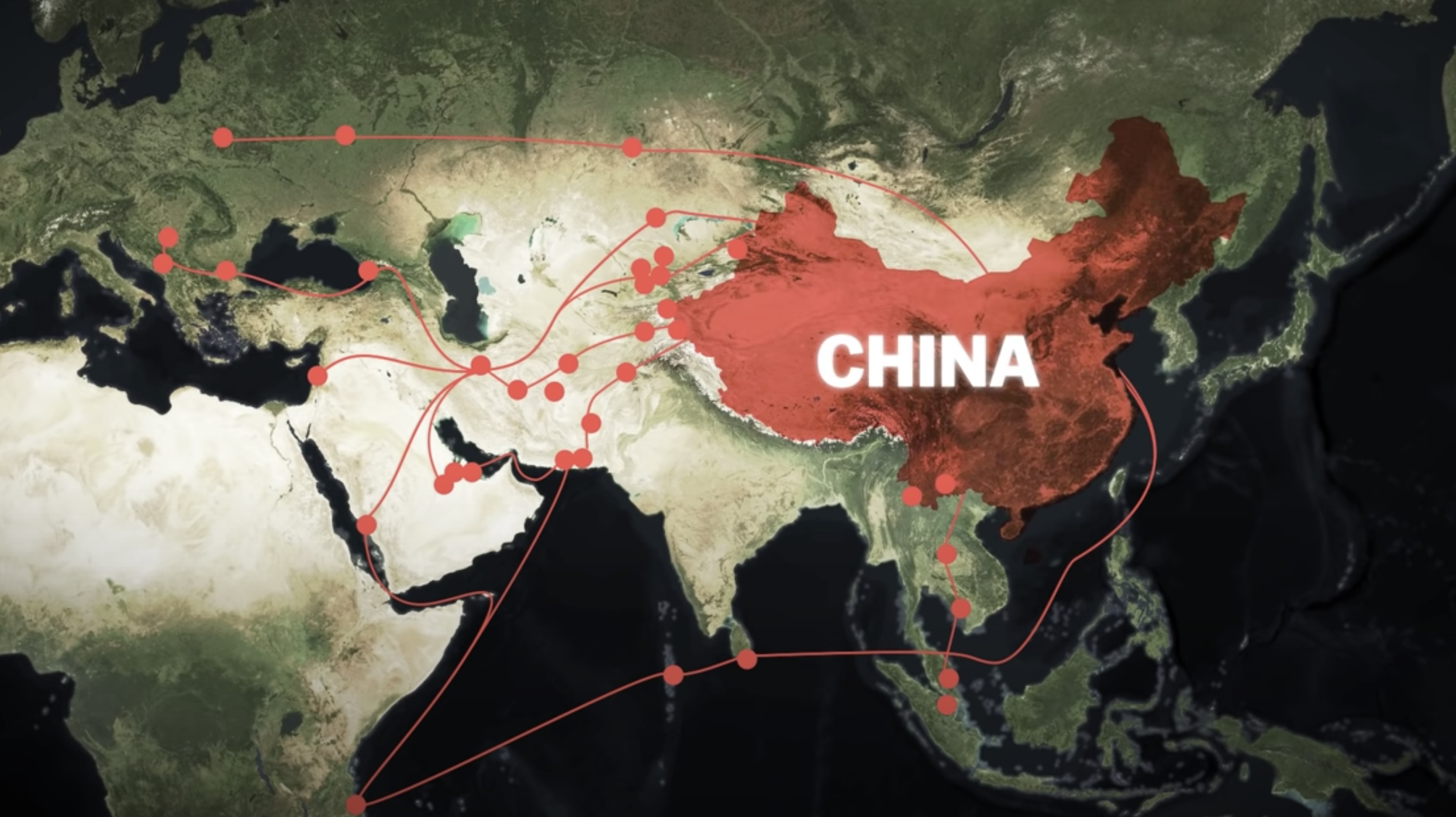
China’s foreign goods trade maintained strong momentum through the first seven months of 2026, with total import-export value reaching 30.13 trillion yuan ($4.46 trillion), up 17.3% year-on-year, according to General Administration of Customs data released Friday, August 7 (CGTN).
Imports Are Outgrowing Exports — A Notable Reversal
The headline figure obscures a more interesting shift beneath it. Exports rose 14% to 17.44 trillion yuan, while imports climbed a faster 22% to 12.69 trillion yuan — meaning import growth has been outpacing export growth, according to the same customs data. That’s a meaningful departure from the pattern that dominated Chinese trade data through much of the mid-2020s, when policymakers leaned heavily on export-led growth while domestic demand lagged.
Mechanical and electrical products remain China’s dominant export category, totaling 11.12 trillion yuan and growing 21.2% — now accounting for 63.8% of China’s total exports, underscoring how central advanced manufacturing and electronics remain to the country’s trade profile.
Where the Growth Is Coming From
China’s trade diversification strategy continues to show measurable results. Trade with ASEAN grew 20% in the first seven months of the year, trade with the EU rose 9.5%, Latin America climbed 15.4%, and Africa grew 18.9%. Trade with Belt and Road Initiative partner countries reached 15.36 trillion yuan, up 15.5%, while trade with other APEC economies hit 18.03 trillion yuan, up 21% (CGTN).
This diversification has been years in the making, accelerated by tariff pressure from Washington. Trading Economics data from earlier in 2026 showed Chinese exports to the U.S. declining even as overall export volumes hit record highs, as manufacturers redirected shipments toward Southeast Asia, Africa, and Latin America to offset the impact of U.S. tariffs (Trading Economics).
A Growth Target Built on Trade Strength
The strong trade numbers are consistent with the trajectory Premier Li Qiang set out earlier in the year, when Beijing targeted 4.5%–5% GDP growth for 2026, down modestly from the prior year’s target, which itself was met largely through a roughly one-fifth surge in China’s trade surplus. Economists have been skeptical that Beijing will pivot away from export dependence any time soon, noting that recent policy documents pledged a “notable” increase in household consumption without offering many concrete mechanisms to deliver it (Investing.com/Reuters).
The US-China Undercurrent
Trade tensions with Washington remain an active backdrop rather than a resolved issue. The South China Morning Post’s ongoing coverage notes Beijing has launched an investigation into imported printers and photocopiers that use foreign-developed software, a direct response to the latest round of U.S. sanctions — illustrating how the trade relationship continues to generate tit-for-tat regulatory measures even as overall Chinese trade volumes with the rest of the world climb (SCMP).
Why the Import Surge Matters
A 22% jump in imports against 14% export growth is a data point worth watching closely for anyone tracking global demand signals. Stronger Chinese imports typically translate into higher demand for commodities, industrial inputs, and consumer goods from trading partners — a potentially supportive signal for economies like Indonesia, Malaysia, and Australia that count China as a top trading partner. Whether this reflects a genuine, durable shift toward domestic consumption-led growth, or simply reflects higher commodity prices flowing through import values, will become clearer as full-year 2026 data consolidates.
How much did China’s trade grow in 2026?
China’s total goods trade reached 30.13 trillion yuan ($4.46 trillion) in the first seven months of 2026, up 17.3% year-on-year, with imports (+22%) growing faster than exports (+14%) for the period.
Discover more from The Economy
Subscribe to get the latest posts sent to your email.
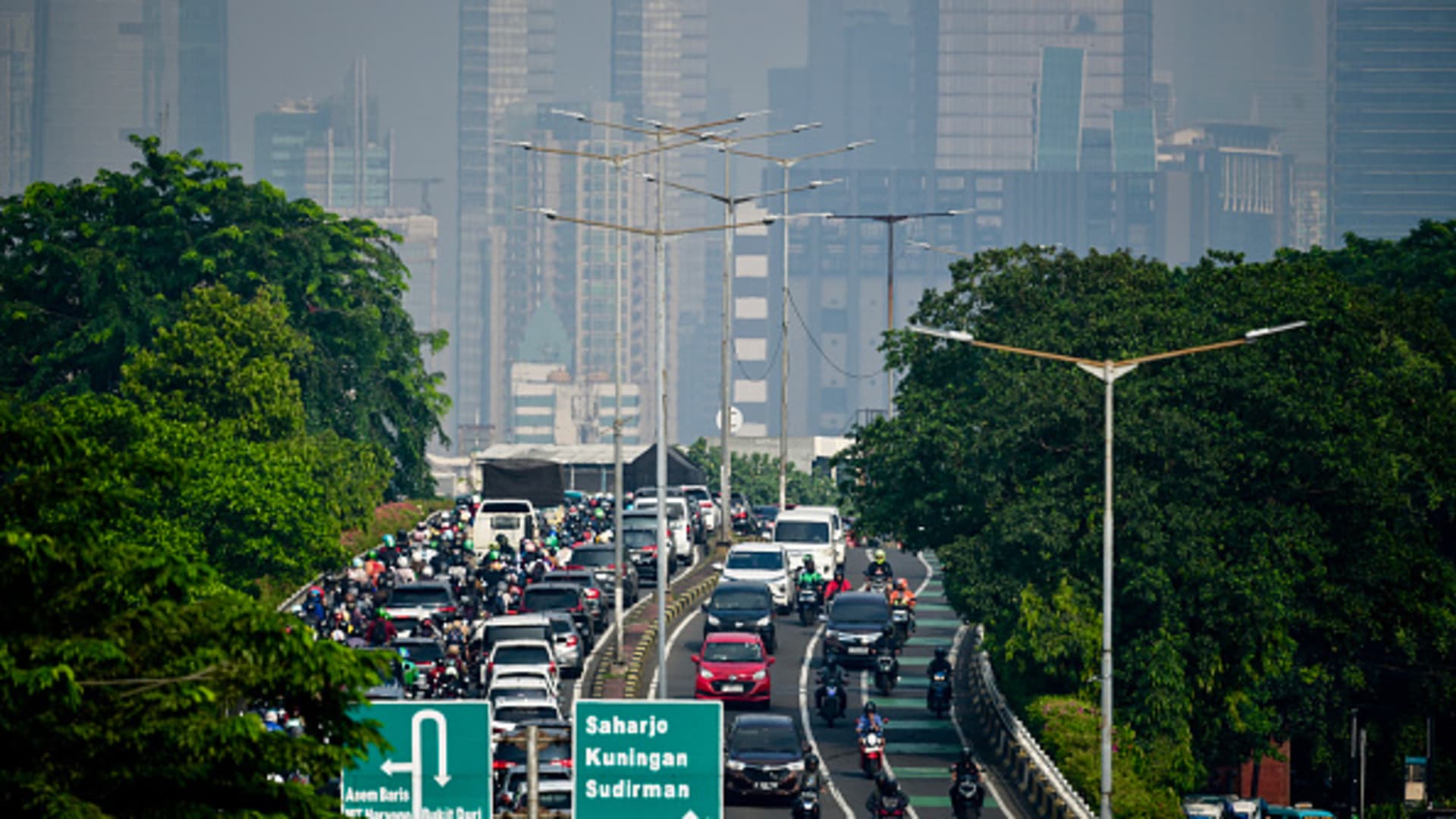
Indonesia’s economy expanded 5.29% year-on-year in the second quarter of 2026, comfortably beating forecasts and extending a run of growth that has outpaced most consensus estimates for the year (Business Indonesia). On paper, it’s a strong number for Southeast Asia’s largest economy. Underneath it, the picture is considerably more complicated.
A Growth Beat With an Asterisk
The Q2 print builds on 5.61% year-on-year growth in the first quarter — itself an acceleration from 4.87% in 2025 — driven primarily by household expenditure, which grew 6.44% year-on-year and accounted for more than half of total growth, alongside gross fixed capital formation up 6.04% (Eurasia Review). Manufacturing, mining, and construction all contributed positively.
Most international lenders, including the OECD, still expect full-year 2026 growth to land closer to 4.7%–5.0%, below Jakarta’s own targets, citing a softening labor market, weakening consumer confidence, and contracting retail sales that emerged in the second quarter despite the headline GDP beat (Indonesia Investments).
The Rupiah Problem
The disconnect between strong headline growth and investor caution centers on the rupiah, which has repeatedly hit record lows in 2026 despite active intervention by Bank Indonesia. A research note from Krungsri Bank describes a genuine “confidence crisis”: net foreign direct investment contracted 26% year-on-year in the first quarter of 2026, suggesting the currency weakness has moved beyond financial markets and into real investment decisions (Krungsri).
Bank Indonesia has responded with a mix of rate policy and direct currency-market intervention. The central bank held its benchmark rate steady at 4.75% through much of the first half of 2026, and in March introduced new rules requiring documentation for foreign-currency purchases above $50,000 per party per month, explicitly aimed at curbing speculative activity in the rupiah (Trading Economics). BI Governor Perry Warjiyo said the bank would “continue to optimize its policy mix to safeguard external resilience.”
What’s Driving Investment Flows
Despite the FDI contraction narrative, sector-level data tells a more nuanced story. Indonesia’s textile industry alone saw investment rise by double digits in the first half of 2026, reaching IDR 11.4 trillion, while imports surged 34.27% in June, driven largely by raw materials — typically a leading indicator of continued industrial activity rather than a slowdown (Business Indonesia). Special economic zones have also continued attracting capital in transport, logistics, telecommunications, and mining, according to the same outlook report.
The Structural Challenge
The deeper issue, as one Eurasia Review analysis by retired Indonesian diplomat Simon Hutagalung put it, is not whether Indonesia is in crisis — it isn’t — but whether Jakarta can convert short-term growth into durable growth. Job creation has increasingly concentrated in lower-value-added sectors, with many new positions failing to deliver middle-income wages even as real wage growth trends downward, according to the Business Indonesia outlook.
That structural weakness is precisely what worries the OECD and other lenders more than the quarterly growth print. A 5%-plus GDP number that rests on household consumption propped up by social assistance, rather than productivity-driven wage gains, is a different kind of growth story than one built on rising real incomes.
What to Watch
The rupiah’s trajectory through Q3 will be the clearest signal of whether investor confidence is stabilizing. Bank Indonesia’s next policy meetings will test whether the central bank has room to ease rates to support growth, or whether currency defense continues to take priority. A sustained rebound in FDI — rather than just portfolio inflows — would be the strongest evidence yet that Indonesia’s “stable yet fragile” 2026 story is tilting back toward stability.
How much did Indonesia’s economy grow in Q2 2026?
Indonesia’s GDP grew 5.29% year-on-year in Q2 2026, beating forecasts, even as the rupiah remained under pressure and net foreign direct investment fell 26% year-on-year in the first quarter.
Discover more from The Economy
Subscribe to get the latest posts sent to your email.

Singapore’s Ministry of Trade and Industry (MTI) delivered its second upward growth revision of 2026 on August 11, lifting the full-year GDP forecast to a range of 4.5% to 5.5%, up sharply from the 2.0%–4.0% range set earlier this year (IndexBox). The revision cements Singapore’s position as one of the few advanced economies where 2026 is turning out better than planned, not worse.
The Numbers Behind the Upgrade
The city-state’s economy expanded 5.9% year-on-year in the second quarter of 2026, a modest easing from 6.3% in the first quarter but still comfortably ahead of pre-year expectations. On a seasonally adjusted quarter-on-quarter basis, GDP grew 1.4%, building on 1.2% growth in Q1, pushing first-half growth to 6.1% year-on-year (IndexBox).
CNBC’s reporting on the announcement points to three converging forces: stronger-than-expected first-half performance, resilient external demand, and — critically — a smaller-than-feared economic hit from the ongoing Middle East conflict, as drawdowns in oil inventories and substitution to alternative energy sources have capped the rise in global energy prices (CNBC).
Exports Are the Real Story
Perhaps the more striking revision came from Enterprise Singapore, which raised its non-oil domestic exports (NODX) forecast to 14%–16% growth for 2026, more than tripling its previous 3%–5% estimate. The agency attributed the jump to a more resilient global economy and sustained AI-related capital expenditure flowing through Singapore’s electronics and semiconductor supply chains (EconoTimes).
This is Singapore’s second upgrade in the space of roughly six months — MTI had already revised its forecast up from 1.0%–3.0% to 2.0%–4.0% in February, when full-year 2025 growth came in at 5.0% (MTI). The pattern suggests forecasters have consistently underestimated the strength of the AI-driven capex cycle flowing through Asia’s trade and manufacturing hubs.
The Inflation Trade-Off
Growth of this magnitude has not come free. The Monetary Authority of Singapore (MAS) tightened its exchange-rate-based monetary policy in late July to contain persistent price pressures, particularly from elevated energy costs tied to the broader Middle East conflict. MAS now expects both core and headline inflation to range between 1.5% and 2.5% for 2026, with annual inflation already at 1.6% in June and forecast to climb further into the first half of 2027 (EconoTimes).
In response, the government has rolled out additional financial support for households and businesses grappling with higher energy bills — a sign that policymakers see the inflation overshoot as manageable rather than alarming, but not one to be ignored either.
Why This Matters Beyond Singapore
Singapore’s export and GDP trajectory functions as a bellwether for AI-linked trade flows across Southeast Asia. A NODX forecast nearly quadrupling in scope signals that semiconductor and electronics demand tied to global AI infrastructure buildouts — the same forces propping up Nvidia’s order book and Taiwan’s foundries — is filtering through the region’s smaller, trade-dependent economies faster than most models anticipated.
For investors and policymakers in neighboring Malaysia and Indonesia, Singapore’s upgrade offers a preview of how AI capex can offset geopolitical risk premiums that might otherwise be expected to weigh on Southeast Asian growth this year.
What to Watch Next
The key swing factor remains the Middle East conflict’s trajectory. MTI’s own language ties the upgrade partly to the war’s “less severe” economic impact than initially feared — a conditional judgment that could reverse quickly if Strait of Hormuz shipping risks escalate again. MAS’s October policy review will be the next test of whether the current tightening stance holds or whether inflation data forces a further recalibration.
What is Singapore’s 2026 GDP growth forecast?
Singapore’s Ministry of Trade and Industry raised its 2026 GDP growth forecast to 4.5%–5.5% on August 11, 2026, up from 2.0%–4.0%, driven by AI-related capital expenditure and resilient exports.
Discover more from The Economy
Subscribe to get the latest posts sent to your email.

China’s Trade Surges to $4.46 Trillion — the Real Story

US Inflation Cools to 3.4% in July, Clearing the Runway for a September Fed Cut

UK Inflation Set to Peak Near 3.2% as Bank of England Holds the Line at 3.75%

Malaysia’s Growth Accelerates to 5.8% as Data Centre Boom Defies Global Uncertainty

Indonesia’s Economy Beats Forecasts — But Investors Aren’t Celebrating Yet

US Senate Passes Sweeping Russia Sanctions Bill, Threatening 100% Tariffs on Oil Buyers

Singapore Doubles Down on Growth as AI Capex Rewrites the Forecast

Canada-US Tariff Deadline: Inside the 50% Levy Standoff Before Aug 19

Russia’s War Economy Got a Reprieve From Iran

China’s Economy Has a Structural Problem: Factories Are Winning, Households Are Losing

How Malaysia “Shrugged Off” Trump’s Tariffs — and What Comes Next

Singapore’s AI Boom Is Now a Two-Country Story

Why Global Family Offices Are Converging on Dubai in 2026

A Weak Jobs Report Just Rewired the Fed’s Autumn — And Wall Street Cheered

China Politburo July 2026: Stimulus Signals Explained

Down But Not Out: Inside the Slow Sinking of Russia’s War Economy

Gulf Capital Retreat From Pakistan 2026: UAE Loan Freeze & What It Means

Pakistan’s Economic Survey FY26: Inflation Spike Insights

Russia Fuel Shortages 2026: Inside a Cracking War Economy

Top 15 Financial Stocks for Investment in PSX

Strait of Hormuz Crisis 2026: How Trump’s Toll U-Turn Exposes Global Economic Risk

Russia’s War Economy Model Is Starting to Crack, Think Tank Warns

Pakistan’s Economic Growth: Resilience Amid Challenges

Andy Burnham, UK Gilts and Mortgages: July 2026 Explainer

Fed Chair Kevin Warsh’s AI Rate Bet 2026: Inside the FOMC Split on Productivity vs Inflation

Pakistan Economy 2026: IMF Growth Warning vs. a Booming KSE-100

Anthropic’s Trillion-Dollar Race: Inside the Path to an October 2026 IPO

Pakistan Passed Its Third IMF Review
-

 Markets & Finance7 months ago
Top 15 Stocks for Investment in 2026 in PSX: Your Complete Guide to Pakistan’s Best Investment Opportunities
-

 Analysis6 months ago
Johor’s Investment Boom: The Hidden Costs Behind Malaysia’s Most Ambitious Economic Surge
-

 Analysis6 months ago
Top 10 Stocks for Investment in PSX for Quick Returns in 2026
-

 Analysis6 months ago
Brazil’s Rare Earth Race: US, EU, and China Compete for Critical Minerals as Tensions Rise
-

 Banks7 months ago
Best Investments in Pakistan 2026: Top 10 Low-Price Shares and Long-Term Picks for the PSX
-

 Investment7 months ago
Top 10 Mutual Fund Managers in Pakistan for Investment in 2026: A Comprehensive Guide for Optimal Returns
-

 Global Economy8 months ago
15 Most Lucrative Sectors for Investment in Pakistan: A 2025 Data-Driven Analysis
-

 Global Economy8 months ago
Pakistan’s Export Goldmine: 10 Game-Changing Markets Where Pakistani Businesses Are Winning Big in 2025