
Banks
Kevin Warsh Fed Chair Nominee: Will Trump’s Pick Dash Rate-Cut Dreams and Spark Powell-Level Clashes?

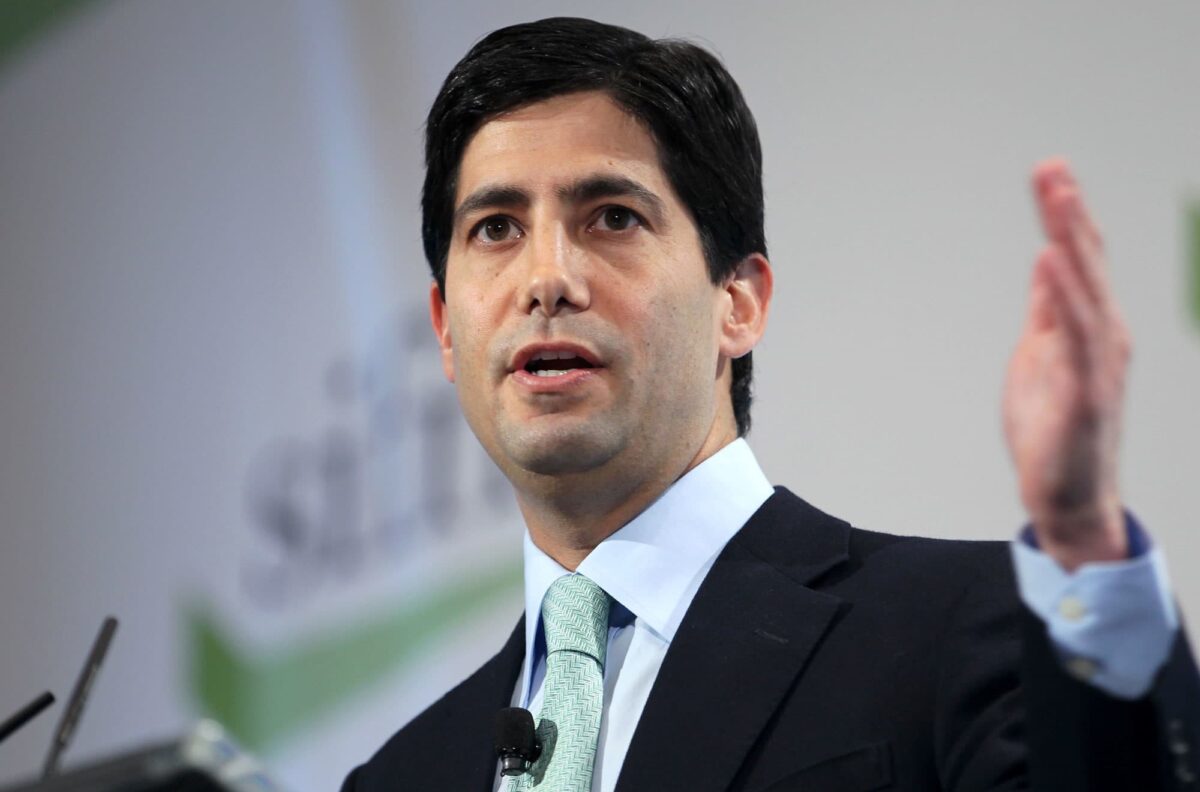
The Federal Reserve’s marble corridors are bracing for a familiar storm. President Donald Trump’s nomination of Kevin Warsh as the next Fed chair has ignited a firestorm of speculation about monetary policy’s future—and whether the White House and central bank are headed for another bruising collision that could rattle markets and reshape America’s economic trajectory.
But here’s the uncomfortable truth Trump may not want to hear: Warsh, despite his professed willingness to deliver the aggressive rate cuts the president craves, faces a near-impossible task. As one vote among twelve on the Federal Open Market Committee, the 54-year-old former Fed governor confronts economic data that screams “hold steady,” a committee of skeptical peers, and the ghost of independence battles past. His nomination sets up what could become the most consequential—and contentious—Fed leadership since Paul Volcker’s inflation wars.
The No-Win Scenario: One Vote Against Economic Reality
Trump has expressed confidence that Warsh will deliver the monetary easing he’s demanded since his first term, when his public feuds with Jerome Powell became ritual theater. Yet the economic landscape of early 2026 tells a starkly different story than the one animating the president’s rate-cut ambitions.
Unemployment has fallen to 3.8%, hovering near historic lows that typically signal an economy running hot rather than one crying out for stimulus. Inflation, while cooled from its 2022 peaks, remains stubbornly elevated at 2.5%—still above the Fed’s 2% target and enough to make any central banker think twice about loosening policy. The FOMC’s recent 10-2 vote to hold rates steady underscores the committee’s prevailing caution, a dynamic that won’t magically evaporate when Warsh assumes the chair.
“The Fed doesn’t operate in a vacuum,” explains Sarah Bianchi, a former Treasury official now at Evercore ISI. “Even if Warsh wanted to champion rate cuts tomorrow, he’d need to persuade a majority of his colleagues that the data supports it. Right now, it doesn’t.”
This creates Warsh’s central dilemma: How does he satisfy a president who appointed him while maintaining the institutional credibility that gives monetary policy its power? As CNBC reported on the Warsh nomination, financial markets are already pricing in potential volatility as investors game out scenarios ranging from Warsh’s capitulation to Trump’s demands to an independence battle that could dwarf the Powell years.
The Persuasion Problem: Convincing a Skeptical Committee
JPMorgan’s economists have projected no rate changes throughout 2026, a forecast that aligns with the current committee’s demonstrated hawkishness. For Warsh to engineer the cuts Trump wants, he’ll need to do more than simply advocate—he’ll need to fundamentally shift the analytical framework his colleagues use to interpret incoming data.
Consider the mechanics: The FOMC includes seven governors and five rotating regional Fed presidents, each bringing distinct perspectives shaped by their districts’ economic conditions. Warsh would need to build consensus among economists who’ve spent the past three years battling inflation back from 40-year highs, many of whom remain scarred by the experience of being behind the curve in 2021.
The tasks facing Warsh as Fed chair, as detailed by The Wall Street Journal, include:
- Coalition building: Identifying which committee members might be persuaded toward a more dovish stance and crafting data-driven arguments that address their specific concerns
- Managing dissents: Preparing for awkward press conferences where he might be in the minority, a nearly unprecedented position for a Fed chair
- Market communication: Walking the tightrope between signaling independence from the White House while not triggering the kind of market selloff that could itself force the Fed’s hand
- Institutional defense: Protecting the Fed’s research apparatus and staff economists from political pressure while maintaining constructive dialogue with the administration
The historical precedent isn’t encouraging. Even Arthur Burns, often cited as the cautionary tale of a Fed chair who bent to presidential pressure in the 1970s, had more committee support than Warsh can currently count on.
The Hawk Who Turned? Decoding Warsh’s Monetary Philosophy
Part of what makes the Warsh vs Powell Fed policy debate so intriguing is Kevin Warsh’s own ideological evolution. The Atlantic documented Warsh’s hawkish history during his 2006-2011 tenure as a Fed governor, when he consistently advocated for tighter policy and warned about the dangers of the Fed’s expanding balance sheet during the financial crisis.
That version of Warsh—the one who voted against several of Ben Bernanke’s quantitative easing programs and penned Wall Street Journal op-eds warning about inflation risks from loose money—seems almost unrecognizable from the more accommodative figure who’s recently signaled openness to the Trump administration’s preferences.
What changed? Skeptics point to political ambition and the reality that Fed chair nominations don’t come to those who publicly oppose the president’s agenda. Supporters argue Warsh has genuinely evolved, recognizing that the post-2008 world of structural disinflationary forces requires different tools than the high-inflation 1970s and 1980s.
“Warsh isn’t stupid,” notes Diane Swonk, chief economist at KPMG. “He knows the economy he’s inheriting looks nothing like the one he left in 2011. The question is whether his apparent dovish turn is tactical or substantive—and that will determine everything about how he leads.”
The economic impacts of a Warsh chairmanship, as analyzed by The Washington Post, could ripple through everything from mortgage rates to business investment decisions. Markets hate uncertainty, and a Fed chair caught between presidential demands and committee resistance delivers uncertainty in spades.
The Powell Precedent: When Independence Meets Presidential Fury
Jerome Powell’s tenure offers a roadmap of what Warsh might face—and a warning. Trump’s public criticism of Powell became so routine that it lost shock value: the president called his own appointee an “enemy” comparable to China’s Xi Jinping, demanded negative interest rates, and reportedly explored whether he could fire the Fed chair (legal scholars concluded he couldn’t, though the question itself was destabilizing).
Powell survived by cultivating support among committee members, maintaining discipline in his public communications, and occasionally delivering rate cuts that seemed timed to defuse presidential rage while maintaining plausible deniability about political influence. It was a masterclass in institutional self-preservation, but it came at a cost: questions about Fed independence that lingered throughout his tenure.
Warsh faces a potentially harder road. Unlike Powell, who arrived with a reputation as a consensus-builder and without strong ideological priors on monetary policy, Warsh carries baggage. His previous Fed tenure left him tagged as an inflation hawk. His private equity career and close ties to financial markets—BBC News examined the rate implications of his Wall Street connections—create different conflict-of-interest concerns than Powell’s law firm background.
Most crucially, Warsh lacks the reservoir of goodwill among Fed staff and regional bank presidents that Powell cultivated. “Powell was everyone’s second choice for chair,” recalls one former Fed official who requested anonymity. “That meant when things got tough, people gave him the benefit of the doubt. Warsh won’t have that luxury.”
The Market Volatility Wildcard: When Speeches Move Billions
Financial markets have already begun pricing in Trump Fed rate cuts 2026 scenarios, creating a dangerous dynamic where Warsh’s every utterance will be parsed for hints about policy direction. A single misplaced word at a Jackson Hole speech or a poorly calibrated congressional testimony could trigger billions in asset movements.
This creates perverse incentives. If markets rally on expectations of Warsh-engineered rate cuts that the economic data doesn’t support, those gains could themselves become economic inputs—the “wealth effect” that makes consumers and businesses feel richer and spend more, potentially further stoking inflation and making the very cuts Warsh promised even less defensible.
Conversely, if Warsh signals independence and data-dependence early, disappointing both Trump and investors, the resulting selloff could create its own economic headwinds. A sharp enough market correction might paradoxically give Warsh the cover he needs for cuts: “We’re responding to financial conditions, not political pressure.”
The Federal Reserve chair risks in this scenario are stark:
- Credibility erosion: If markets perceive Warsh as Trump’s puppet, the Fed’s forward guidance loses power
- Inflation resurgence: Premature cuts could reignite price pressures just as they’re moderating
- Political backlash: If the economy weakens, both parties will blame Warsh—Democrats for being Trump’s stooge, Republicans for not cutting fast enough
- International consequences: Dollar volatility and concerns about U.S. monetary policy independence could ripple through global markets
The Senate Confirmation Gauntlet: Progressive Opposition Meets MAGA Pressure
Assuming Warsh’s nomination reaches the Senate floor—no guarantee given the razor-thin margins in 2026—he faces opposition from multiple angles. Progressive Democrats remember his hawkish past and view him as insufficiently concerned with full employment. Some centrist Democrats worry about his Wall Street ties and potential conflicts of interest.
But the more interesting dynamic is the pressure from Trump’s own coalition. MAGA-aligned senators will demand explicit commitments on rate cuts during confirmation hearings, creating a public record that haunts Warsh throughout his tenure. Every time he subsequently votes to hold rates steady or—perish the thought—raise them, those clips will resurface.
“Confirmation hearings are where Fed nominees usually pledge independence and data-dependence,” notes Donald Kohn, former Fed vice chair. “Warsh needs those pledges to satisfy traditional Republican senators and pass the hearing. But Trump will want different assurances privately. Threading that needle publicly, on the record, is nearly impossible.”
The lack of clear Fed allies compounds Warsh’s challenge. Powell cultivated relationships with Lael Brainard and other governors. Warsh’s previous tenure ended over a decade ago; the institution has turned over almost completely. He’ll be building those relationships from scratch while simultaneously trying to lead.
The Data Doesn’t Lie: Why 2026 Won’t Be a Cutting Cycle
Strip away the politics, and the economic fundamentals tell a clear story. The labor market’s strength at 3.8% unemployment suggests the Fed’s restrictive policy has achieved a soft landing—cooling inflation without triggering recession. This is the monetary policy holy grail, and central bankers who’ve achieved it don’t typically rush to undo their success.
Inflation at 2.5%, while improved, remains above target and concentrated in services sectors where wage pressures matter. Core PCE inflation, the Fed’s preferred measure, has similarly stalled in its descent, suggesting the “last mile” to 2% will be harder than the journey from 9%.
JPMorgan’s forecast of no rate changes reflects this reality. Their economists see an economy that’s neither overheating enough to require additional tightening nor cooling enough to justify easing. It’s a Goldilocks scenario for the economy, but a political nightmare for a president who promised relief through lower borrowing costs.
Trump Warsh nomination impact on actual policy, then, may be surprisingly muted. The president can appoint the Fed chair, but he can’t appoint economic reality. Warsh will discover what Powell learned: the data doesn’t care about presidential tweets.
Looking Ahead: The Independence Test That Matters
The coming months will reveal whether Kevin Warsh possesses the institutional fortitude this moment demands. History suggests Fed chairs who prioritize short-term political accommodation over long-term credibility end badly—for themselves, their institutions, and the economy.
Arthur Burns’s capitulation to Nixon-era pressure contributed to the Great Inflation. G. William Miller’s brief, ineffective tenure paved the way for Volcker’s painful medicine. Even Alan Greenspan’s long reign ended with questions about whether his reluctance to raise rates in 2003-2004 planted seeds for the housing bubble.
The question facing the Senate, and the country, is whether Warsh learned the right lessons from history—or simply the ones that got him nominated.
Will Kevin Warsh prove to be the independent steward American monetary policy needs, or will the Trump Fed rate cuts saga define his legacy? As investors, businesses, and policymakers game out scenarios, one thing seems certain: the 2026 Fed will be must-watch economic theater, with billions of dollars and millions of jobs riding on every FOMC decision.
The nomination hearings will test whether Warsh can articulate a vision that satisfies constitutional responsibilities while acknowledging political realities. The American economy—and global markets watching closely—deserve nothing less than clarity, competence, and courage.
Discover more from The Economy
Subscribe to get the latest posts sent to your email.


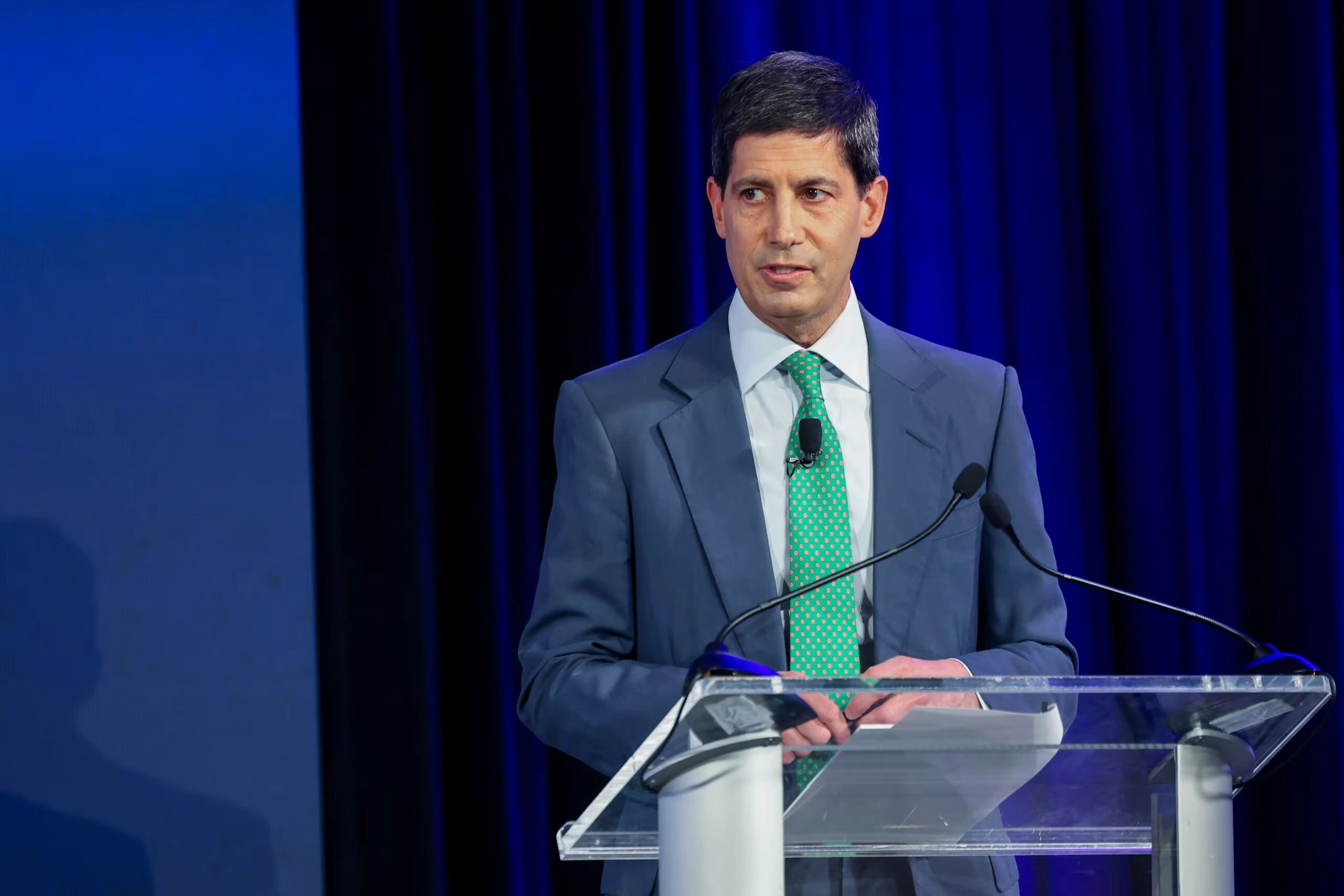
New Federal Reserve Chair Kevin Warsh has ended the central bank’s decade-old practice of forward guidance, arguing that when the Fed signals future rate moves, investors react to the Fed’s forecast rather than to actual economic data — distorting the very information the Fed needs to set policy. The result is a more volatile, headline-driven rate environment for the rest of 2026.
The decision nobody flagged as the real story
When the Federal Reserve left its benchmark rate unchanged at its most recent meeting, most coverage treated it as a non-event — a hold was expected, so the story ended there. But buried in the post-meeting commentary was a structural break from 15 years of Fed communication strategy: Chair Kevin Warsh said he no longer intends to give markets forward guidance on the future path of monetary policy at all (Deloitte Insights).
Warsh’s reasoning, as reported by Deloitte Insights, is that markets function best when they respond to real-time economic data rather than to the Fed’s own projections about that data. It’s a subtle distinction with a large practical consequence: for over a decade, investors have priced assets partly off what the Fed says it will do, not what the economy is actually doing. Warsh’s bet is that this feedback loop has made policy less informative and markets more reflexive.
Why this matters more than the headline rate hold
This shift arrives at a delicate moment. Global headline inflation has been revised up sharply this year, and the disinflation trend that had been running since early 2024 has stalled, according to the IMF’s July 2026 World Economic Outlook update (IMF). At the same time, market strategists are warning that equities may not be fully pricing in the possibility of a Fed rate hike — not a cut — in the second half of 2026, driven by a combination of tariff-related price pressure, elevated oil costs from the Strait of Hormuz disruption, and AI-linked investment spending that is inflationary in the near term even if disinflationary over the long run (CNBC).
Without forward guidance, markets lose the cushion that used to soften the reaction to each new inflation print or jobs report. Every data release becomes a standalone event, not a data point layered onto a known Fed trajectory. That raises the odds of sharper single-day moves in rates-sensitive assets — mortgages, regional bank equities, and Treasury yields — around each Fed meeting and each major economic release for the remainder of the year.
The historical contrast
Forward guidance became a core Fed tool after the 2008 financial crisis, when interest rates hit zero and the Fed needed another lever to influence long-term borrowing costs — it started telling markets explicitly how long rates would stay low. That practice persisted, in various forms, through multiple Fed chairs. Warsh’s reversal is effectively a bet that in an economy no longer at the zero lower bound, guidance does more to distort expectations than to anchor them.
What to watch through the rest of 2026
- Every CPI and jobs report becomes a bigger market-moving event, since there’s no Fed-signaled path to fall back on.
- Mortgage and corporate borrowing costs may see more volatility even without any actual change in the policy rate.
- The housing market, already under pressure — U.S. existing home sales fell 2.4% in June against expectations for a rise (CNBC) — is particularly exposed to unanchored rate expectations.
- International central banks are watching closely, since a more reactive Fed changes the calculus for currency and rate policy from London to Ottawa to Jakarta (see our global central bank divergence explainer).
Why it matters for your portfolio or business
If you run a business with floating-rate debt, or you’re a household watching mortgage pricing, the practical takeaway is this: don’t expect the Fed to tell you where rates are headed next. Plan around scenario ranges rather than a single expected path, and expect more volatility around data releases through the remainder of 2026.
Discover more from The Economy
Subscribe to get the latest posts sent to your email.
Economic Reforms
$23 Trillion Just Descended on Singapore — What the Capital Reallocation Really Signals
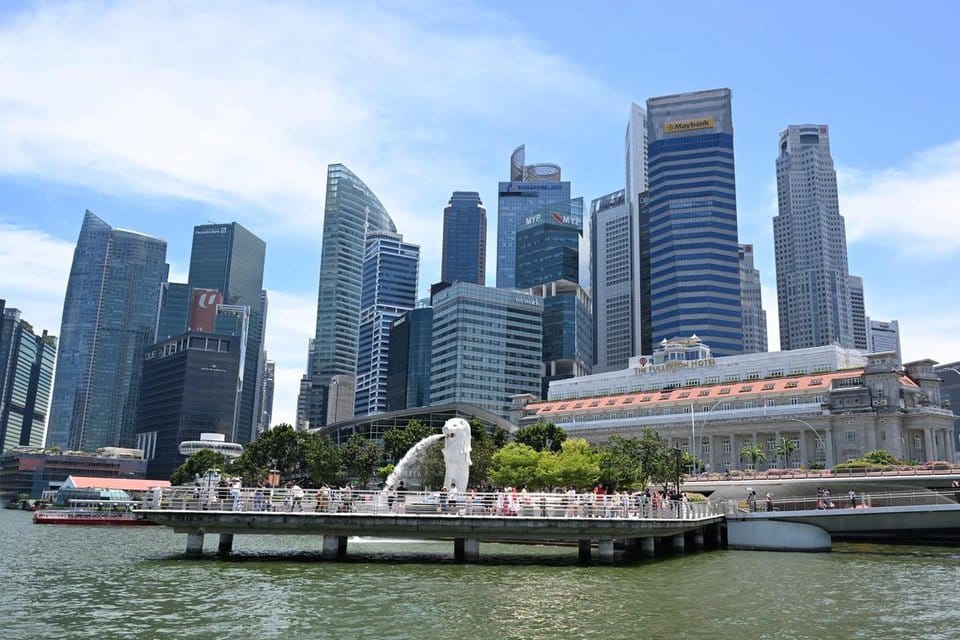
Singapore’s economy delivered a genuine surprise in the first quarter of 2026: GDP growth came in at 6.0% year-on-year, exceeding flash estimates of 4.6% and marking the strongest quarterly growth since Q3 2024, driven by a pickup in construction and a faster-expanding services sector. That number alone would be a solid regional story. What has been far less examined is the scale of institutional capital that used Singapore as a staging ground in the same period — and what that capital is actually positioning for.
The Summit That Underlines the Real Story
The 13th Invest ASEAN conference, held in Singapore, brought together 200 institutional investors managing a combined US$23 trillion in assets, alongside 54 companies with a combined market capitalisation of US$553 billion, drawn from Malaysia, Singapore, Thailand, Indonesia, the Philippines, Vietnam, and India. Maybank IBG’s CEO Michael Oh-Lau noted attendance exceeded expectations, and — more importantly — identified the three themes actually dominating investor conversations: energy transition, supply chain reconfiguration, and AI-led digital transformation.
That framing matters because it tells you this isn’t generic “emerging markets are cheap” capital. It’s a specific bet that Southeast Asia is where global manufacturers and technology supply chains are relocating capacity away from concentrated single-country exposure — a direct legacy of the trade-war and pandemic-era lessons about over-reliance on any one manufacturing hub.
The Numbers That Back the Thesis
Singapore’s own listed companies are showing exactly the kind of structural growth that theme would predict. Semiconductor test-equipment maker AEM Holdings reported Q1 FY2026 revenue of S$116.9 million, up 35.8% year-on-year, with net profit surging 329%, driven by ramp-up from its largest fabless AI/HPC customer. Management has since raised full-year revenue guidance by roughly 20%, to a range of S$550–600 million — implying growth of 38–50% for the year. This is a direct beneficiary of AI infrastructure capital expenditure being routed through Southeast Asian supply chains rather than concentrated purely in Taiwan or the US.
Meanwhile, Singapore’s flagship carrier group posted full-year FY2026 revenue of S$20.5 billion, up 5.0%, beating analyst estimates even as net income fell due to higher costs — a signal that travel and logistics volumes tied to the region’s growing role as a trade and investment hub remain resilient even when margins compress.
Regional Ripple Effects: Malaysia’s Upgrade
The capital reallocation thesis isn’t confined to Singapore itself. Maybank Investment Banking Group used the same summit to sharply upgrade Malaysia’s 2026 GDP growth forecast to 4.9%, from a prior estimate of 4.4%, citing resilient manufacturing output tied to the same energy-transition and AI-driven technology upcycle themes. Maybank maintained its year-end target for Malaysia’s FBM KLCI at 1,750 points, underpinned by 7.5% earnings growth and rising foreign participation.
Why This Should Matter to South Asian Policymakers
For an economy like Pakistan actively courting foreign investment — and, as covered separately, struggling with a slide in regional FDI rankings — the ASEAN capital-reallocation story is a useful diagnostic. The $23 trillion showing up in Singapore isn’t simply chasing yield; it’s chasing specific, demonstrable supply-chain and energy-transition infrastructure readiness. Singapore and Malaysia are winning this capital not because they offer the cheapest labour, but because they’ve built the regulatory, logistics, and semiconductor-adjacent industrial base that lets AI-driven capital expenditure land productively. That is a competitiveness template, not a low-cost template — and it’s the same gap analysts have flagged as holding back large-project FDI elsewhere in the region.
Singapore’s Own Policy Response
Singapore isn’t resting on the inflow. The government has published its Economic Strategy Review Final Report with more detailed proposals for sustaining competitiveness, while Singapore’s Ministry of Trade and Industry has maintained its 2026 GDP growth forecast range at 2.0–4.0% — a deliberately conservative band relative to the blowout Q1 print, suggesting policymakers expect the current pace to be difficult to sustain through the full year without further reform-driven productivity gains.
What to Watch
The clearest signal of whether this capital reallocation is durable rather than a summit-driven headline will be whether AI/HPC-linked order books at companies like AEM continue expanding through the second half of 2026, and whether the Johor-Singapore Special Economic Zone — covered in detail separately — can convert cross-border investor interest into committed, multi-year manufacturing capital rather than portfolio flows that can reverse quickly.
Discover more from The Economy
Subscribe to get the latest posts sent to your email.
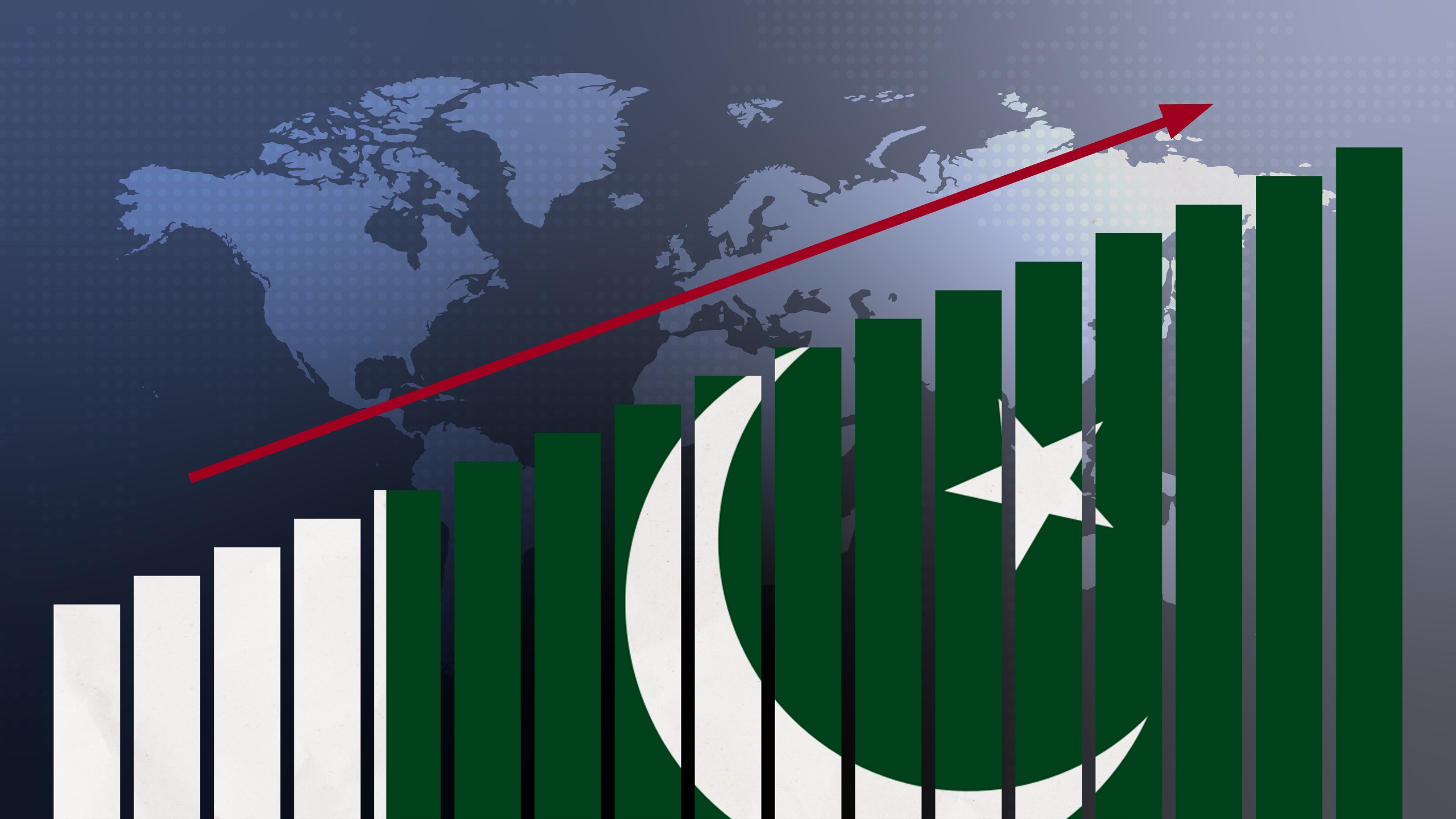
Pakistan’s Economic Survey for FY2025-26, unveiled by Finance Minister Muhammad Aurangzeb in June, told a story policymakers wanted told: GDP growth of 3.7%, the fastest in four years, a narrowing fiscal deficit, and a stock market that gained double digits. State Bank of Pakistan Governor Jameel Ahmad went further, projecting growth closer to 4% and reserves hitting a fresh all-time high of $20.2 billion by December 2026. On paper, this is a genuine turnaround from the balance-of-payments crisis of 2023.
But buried in the same briefings is a number that contradicts the recovery narrative almost entirely: Pakistan has slipped from seventh to ninth place among regional destinations for investment projects exceeding $500 million. That is the story most coverage has skipped past in favour of the growth headline — and it is arguably the more important one for anyone trying to understand where Pakistan’s economy actually stands.
Two Data Sets, One Contradiction
Start with what’s going right. The Pakistan Stock Exchange’s KSE-100 index rose 18.4% during July–March FY2026, lifting market capitalisation from Rs15,237 billion to Rs16,534 billion. Large-scale manufacturing grew 6.1%, its best showing in four years, with double-digit growth in cement, fertiliser, and automobiles. The current account is projected to stay in surplus for a second straight year. Reserves have grown sixfold since February 2023.
Now the other side of the ledger. Export receipts for FY26 plunged to $30.1 billion, missing the target by $5.2 billion, pushing the trade deficit up more than 21% to $39.47 billion. And the flagship metric for whether multinational capital believes in Pakistan’s long-term story — large-project FDI — is moving in the wrong direction even as everything else improves.
What’s Actually Driving the Disconnect
This is not simply a case of one data series lagging another. It reflects a specific and structural problem: Pakistan’s recovery so far has been a stabilisation story, not a competitiveness story. Reserve accumulation, a stronger currency, and a lower policy rate are macro-stability wins that matter enormously for avoiding another balance-of-payments crisis. They do not, by themselves, fix the structural bottlenecks — energy costs, tax unpredictability, contract enforcement, and regulatory friction — that determine whether a global manufacturer chooses Karachi over Hanoi or Ho Chi Minh City for a $500 million plant.
The IMF’s own review work on Pakistan’s programme flags a related concern: reserve cover, while vastly improved, remains too low by standard metrics, and export competitiveness has been undermined by declining global prices amid intensified competition — even where Pakistan retains relatively favourable US tariff access. In plain terms: the currency and reserve picture looks better because of financial engineering and multilateral disbursement, while the underlying export engine that would organically generate durable dollar inflows is still stalling.
The Roshan Digital Account Is Papering Over a Bigger Gap
One bright spot analysts point to is the Roshan Digital Account scheme, which has been attracting average inflows of around $300 million a month following recent enhancements. That is diaspora-driven portfolio and remittance-adjacent capital — valuable, but categorically different from foreign direct investment in manufacturing or infrastructure that creates jobs and builds export capacity. Relying on RDA inflows to offset a slide in large-project FDI is a substitution, not a solution.
Why This Matters More Than the Headline Growth Number
Growth of 3.7–4% sounds respectable, but it falls short of Pakistan’s own 4.2% target and is far below the 6–7% growth economists say is needed to meaningfully absorb the country’s youth labour force. Sustained above-trend growth requires precisely the kind of durable, large-ticket FDI that is currently declining. If Pakistan cannot reverse its regional investment-ranking slide, the current stabilisation — however real — risks becoming a plateau rather than a launchpad.
The IMF’s own conditionality points in this direction too: sustained fiscal discipline, deeper FX market liberalisation, and financial-sector reform are all listed as prerequisites for the kind of investment climate that would reverse the FDI slide, alongside progress on Pakistan’s constitutionally mandated transition to a riba-free financial system by 2027.
The Bottom Line for Investors and Policymakers
Pakistan’s FY26 numbers are genuinely better than they have been in years — but the FDI ranking slip is the metric that determines whether this is a cyclical recovery or a structural one. Until multinational capital treats Pakistan as more attractive than regional peers for large, multi-year commitments, the reserve and stock-market gains will remain vulnerable to reversal the moment global risk appetite shifts. The next Economic Survey should be judged less by the GDP print and more by whether Pakistan climbs back toward seventh place — or slips further.
Discover more from The Economy
Subscribe to get the latest posts sent to your email.

Apple vs OpenAI Lawsuit: The Economic Story Behind the Headline

Pakistan’s KSE-100 Surged 44% in FY26 — But Its Foundation Is Fragile

Indonesia’s First Trade Deficit in 6 Years: The B50 and Coal Connection

Russia’s Shadow Fleet Insurance Economy: How Sanctions Really Work in 2026

China’s Two Economies: AI Chip Exports Soar as Property Craters

Malaysia’s GDP Upgrade to 4.9%: The Hormuz Tanker Link No One’s Reporting

Singapore’s $23 Trillion AI Capital Magnet: Inside Invest ASEAN 2026

CUSMA’s Annual Review Trap: Why Canada’s Trade Deal Deadline Passing Isn’t Good News

National Contributions Tax” Explained: Burnham-Era Reform 2026

Kevin Warsh’s Fed Doctrine: Why “No Forward Guidance” Matters

The Yuan Now Settles 67% of Russian Oil Payments — Quiet De-Dollarization in Action

China’s Economy Is Now Dangerously Dependent on One Thing: Exports

Malaysia’s Growth Forecast Just Jumped to 4.9% — The JS-SEZ Master Plan Is Why

$23 Trillion Just Descended on Singapore — What the Capital Reallocation Really Signals

Top 20 PSX Stocks for Investment in 2027: Your Complete Guide to Pakistan’s Best Investment Opportunities

Russia Bans Diesel Exports 2026: Global Fuel Market Impact Explained

Carry Trade Unwind 2026: How the Yen’s Snapback Triggered a Global Margin Call

Investors Pile Into Bullish Dollar Bets as ‘US Exceptionalism’ Trade Returns

Pakistan Textile Body Welcomes FY27 Budget, Seeks FTR

India Economic Rise 2026: How the Subcontinent Toppled Japan

Japan’s Nikkei Scales Record Peak as AI Shares Track US Chip Rally

Why China’s Demand Stimulus Still Isn’t Working

IMF Cuts Pakistan Growth Forecast, Raises Inflation to 8.4%

Grinding the Already Ground: Pakistan’s Inflation Crisis

JPMorgan Cuts Anthropic AI Access in Hong Kong

Top 7 Banking Stocks for Investment in PSX: Pakistan’s Lenders Are Still Printing Money

Bitcoin $150k Milestone Achieved as US Sovereign Crypto Pivot Looms

Weak Demand at Treasury Auctions Is Quietly Rattling Bond Investors
-

 Markets & Finance6 months ago
Top 15 Stocks for Investment in 2026 in PSX: Your Complete Guide to Pakistan’s Best Investment Opportunities
-

 Analysis5 months ago
Top 10 Stocks for Investment in PSX for Quick Returns in 2026
-

 Analysis5 months ago
Brazil’s Rare Earth Race: US, EU, and China Compete for Critical Minerals as Tensions Rise
-

 Analysis5 months ago
Johor’s Investment Boom: The Hidden Costs Behind Malaysia’s Most Ambitious Economic Surge
-

 Banks6 months ago
Best Investments in Pakistan 2026: Top 10 Low-Price Shares and Long-Term Picks for the PSX
-

 Investment6 months ago
Top 10 Mutual Fund Managers in Pakistan for Investment in 2026: A Comprehensive Guide for Optimal Returns
-

 Global Economy7 months ago
15 Most Lucrative Sectors for Investment in Pakistan: A 2025 Data-Driven Analysis
-

 Global Economy7 months ago
Pakistan’s Export Goldmine: 10 Game-Changing Markets Where Pakistani Businesses Are Winning Big in 2025