
US Economy
Iran Nuclear Deal in Limbo: Trump Claims Inspection Agreement, Tehran Denies It

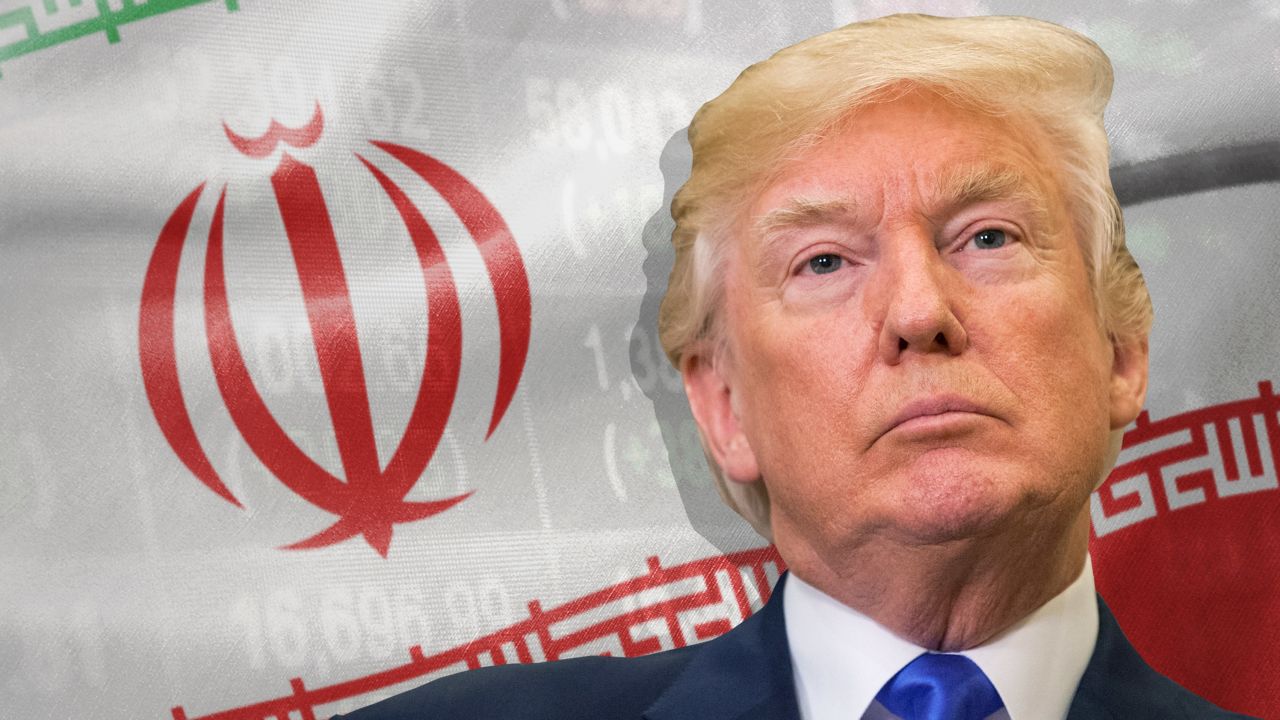
Trump claims Iran agreed to nuclear inspections as part of the US-Iran peace deal — Tehran denies it. With Hormuz transit fees, missiles, and nuclear sites in dispute, the fragile ceasefire faces its first major test. Here’s what’s at stake economically.
Introduction: A Peace Deal With Too Many Asterisks
When President Trump signed the US-Iran Memorandum of Understanding on June 18, 2026, financial markets erupted in relief. Oil prices fell. Stocks surged. Gas approached $4 a gallon. For a moment, it seemed the world’s most damaging energy crisis in modern history was finally drawing to a close.
But within days, the cracks in the agreement began to show. As of June 24, 2026, Washington and Tehran are publicly at odds on at least three critical dimensions of the deal — and each unresolved dispute carries its own set of economic consequences for global markets, energy supply chains, and the fragile US-Iran ceasefire framework.
The Three Core Disputes
1. Nuclear Inspections: Claimed and Denied
President Trump publicly claimed that Iran had agreed to nuclear inspections as part of the peace framework. Tehran swiftly and categorically denied the claim, creating an immediate credibility crisis for both sides of the negotiation (CBS News).
This is not a peripheral issue. The nuclear question was at the center of the original US-Israeli rationale for the military campaign that began on February 28, 2026. If Iran has not conceded to verification mechanisms — and Tehran’s denial suggests it has not — then one of the foundational objectives of the war remains unachieved.
For financial markets, an unresolved nuclear dispute raises the probability that the 60-day ceasefire period does not produce a durable peace agreement. And a collapse of negotiations after the ceasefire window means a potential return to hostilities — with all the energy market implications that entails.
2. Strait of Hormuz Transit Fees
Secretary of State Marco Rubio stated unequivocally on June 24 that Washington would not accept Iranian tolls or fees on the Strait of Hormuz — signaling that Tehran has indeed raised the issue of extracting economic value from the waterway it effectively held hostage for four months (CBS News).
Iran’s desire to monetize the Hormuz is strategically understandable — the country sustained enormous economic damage during the conflict, and controlling the strait’s commercial access represents one of its few remaining leverages. But for the US and global shipping interests, any tolling regime on the Hormuz would set a deeply dangerous precedent for the freedom of navigation that underpins global trade.
Even the suggestion of transit fees is a market-moving variable. Any shipping operator pricing future freight must now factor in the possibility that Hormuz passage may not remain free — a development that would structurally increase energy supply chain costs permanently.
3. Ballistic Missiles
The third fault line involves Iran’s ballistic missile program. The US and its allies have long sought to curtail Iran’s ability to develop and deploy long-range missiles capable of carrying nuclear warheads. Tehran considers its missile program a sovereign defense priority and has historically refused to negotiate it away.
These three overlapping disputes — nuclear, navigational, and military — collectively represent the core strategic tensions that led to the war in the first place. The MoU’s 60-day timeframe for resolving them is widely viewed by analysts as extremely compressed.
Economic Stakes: What a Deal Failure Would Cost
The economic cost of the 4-month Hormuz closure has been staggering. According to a comprehensive accounting:
- The IEA characterized the closure as “the greatest global energy security challenge in history” — disrupting roughly 20% of global oil supply (Wikipedia: 2026 Iran War Fuel Crisis)
- At its peak, the conflict removed an estimated 10 million barrels per day from global markets
- Brent crude surged from ~$74 pre-war to over $120 per barrel at peak
- US gasoline prices approached $5.00 per gallon in April 2026
- Gulf states experienced a 40–120% spike in food consumer prices as the Hormuz closure simultaneously blocked 80%+ of their food imports
- Countries including Pakistan, Bangladesh, Zimbabwe, Nigeria, and Vietnam faced severe fuel shortages (Wikipedia)
A return to even partial hostilities would not merely replay this crisis — it could amplify it. Global oil supply chains disrupted for four months do not normalize instantly. A second closure of the Hormuz within weeks of the first reopening would likely produce more severe price spikes than the first, as strategic reserves would be depleted and producers would have less buffer capacity.
The US Congressional Dimension
Adding further complexity, the US Senate passed a War Powers Resolution by a 50-48 margin directing President Trump to remove US armed forces from hostilities against Iran unless explicitly authorized by a Congressional declaration of war (CBS News).
Trump blasted the resolution as “poorly timed and meaningless” in a Truth Social post, calling the four Republican senators who voted with Democrats “losers” and insisting he would resolve the Iran situation “one way or the other.”
The resolution is largely symbolic — it has little binding force — but it signals the limits of Congressional patience for an extended or renewed conflict with Iran, and may constrain Trump’s flexibility in the event that ceasefire negotiations collapse.
Market Implications: A Fragile Equilibrium
The current oil market is in an unusual state: prices have fallen sharply on peace expectations, but the underlying conditions for a supply shock remain fully intact. The Hormuz infrastructure is damaged. Production across the Gulf is at reduced capacity. The ceasefire is temporary. The nuclear dispute is unresolved.
This creates a highly asymmetric risk profile for energy markets:
- Upside for oil prices: Any breakdown in the 60-day negotiations, any Iranian demand for transit fees, any new military incident
- Downside for oil prices: Full normalization of Hormuz flows, successful nuclear agreement, resumption of Gulf production at pre-war levels
Traders who are long risk assets based on peace optimism are effectively betting that all of the above fault lines resolve favorably — within 60 days.
“The immediate prognosis is optimistic and assumes no significant setbacks,” noted PVM Oil Associates analyst Tamas Varga. But the “hardest part, on delivering the pledges,” remains ahead (Al Jazeera).
What Investors Should Watch
In the coming days and weeks, four indicators will determine whether the current market calm holds:
- Hormuz traffic data — Are tanker movements through the strait genuinely increasing? Real-time AIS tracking data will be the most reliable signal
- IAEA statements — Will Iran allow nuclear inspectors? Any formal IAEA engagement (or refusal) will be a market-moving event
- Trump-Rubio-Khamenei diplomatic signals — Watch for backchannel communications and formal negotiating sessions within the 60-day window
- Insurance rate movements — Marine insurance pricing for Hormuz transit remains an excellent real-time gauge of risk perception among sophisticated market participants
The Bigger Picture: Energy Security in the Age of Geopolitical Risk
The 2026 Iran war has exposed the vulnerability of a global economy still fundamentally dependent on a single narrow chokepoint for nearly a fifth of its energy supply. Even before the peace deal’s durability is tested, governments from Tokyo to Berlin to New Delhi are accelerating strategic reserve buildups, energy diversification plans, and — in China’s case — calls for a faster transition to domestic energy sources.
“China says the Iran crisis shows nations must speed up the energy shift,” Bloomberg reported (Bloomberg) — a framing that will shape energy policy debates for years to come.
The Hormuz crisis may ultimately prove to be the event that broke the world’s complacency about energy security — regardless of whether the current peace deal holds.
Frequently Asked Questions (FAQ)
Q: Did Iran agree to nuclear inspections in the US-Iran peace deal?
The US claimed Iran agreed; Tehran denied it. As of June 24, 2026, this remains one of the most significant unresolved disputes in the peace framework.
Q: Can Iran charge transit fees for the Strait of Hormuz?
The US has explicitly rejected any Iranian fees or tolls on the Hormuz. Secretary of State Rubio stated Washington will not accept them. However, whether Iran ultimately demands them remains an open question.
Q: What happens after the 60-day ceasefire ends?
The MoU provides a 60-day window for formal negotiations. If no agreement is reached, military hostilities could theoretically resume — which would likely trigger another severe oil market disruption.
Q: How much did the Strait of Hormuz closure cost the global economy?
The IEA described it as the greatest energy security challenge in history. At peak disruption, roughly 10 million barrels per day of oil supply were removed from global markets, contributing to Brent crude surpassing $120/barrel and US gas prices approaching $5/gallon.
Q: What is the War Powers Resolution passed by the US Senate?
The Senate passed a 50-48 resolution directing Trump to remove US forces from hostilities against Iran unless Congress explicitly authorizes the use of force. Trump has dismissed it as “meaningless.”
Discover more from The Economy
Subscribe to get the latest posts sent to your email.


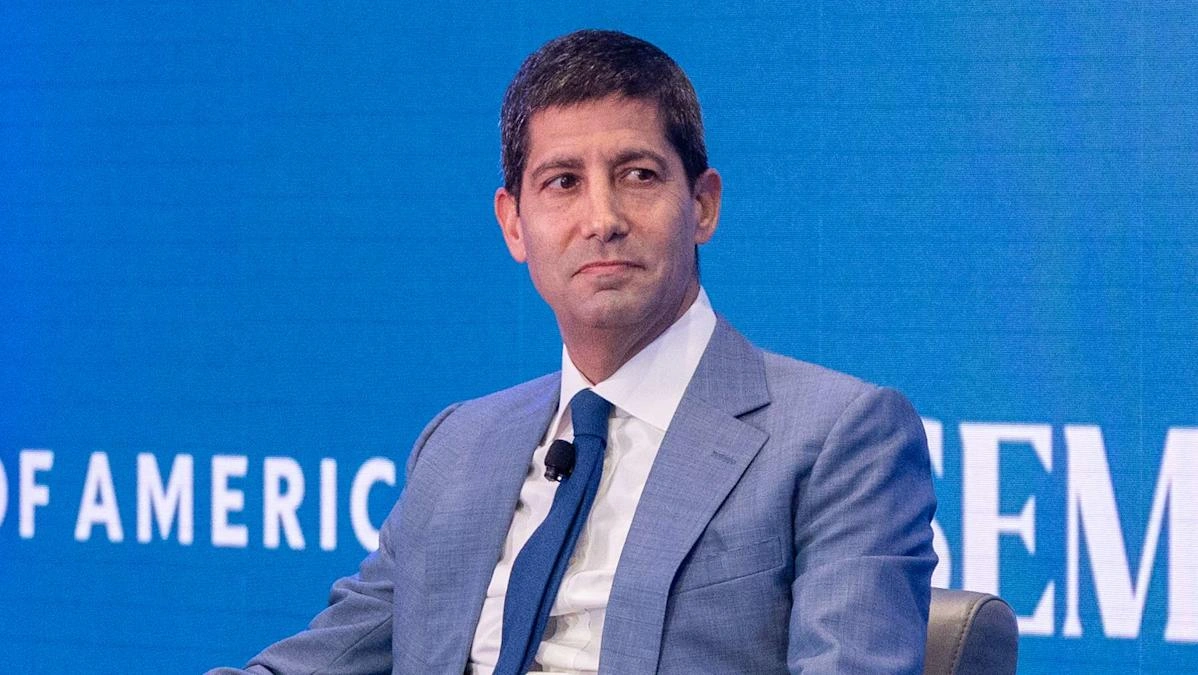
The Federal Reserve held its benchmark interest rate steady at 3.5%-3.75% on July 29, 2026, but the more consequential detail was the vote itself: 9-3, with three regional Federal Reserve Bank presidents — Cleveland’s Beth Hammack, Minneapolis’s Neel Kashkari, and Dallas’s Lorie Logan — dissenting in favor of a rate hike, according to CNBC’s coverage of the meeting. Inflation has remained above the Fed’s 2% target for more than five years, the underlying tension driving the split.
A New Chair, A Different Communication Style
The decision was the latest under Fed Chair Kevin Warsh, who took over after Jerome Powell’s term expired on May 15, 2026, according to iShares’ 2026 Fed outlook. Warsh has deliberately shortened the Fed’s post-meeting statements and pulled back on the kind of explicit forward guidance markets had grown accustomed to under his predecessors — he has reportedly dedicated one of five internal task forces specifically to rethinking how the Fed communicates, according to CNBC’s reporting. Warsh has publicly called inflation “a choice,” repeatedly emphasizing the importance of getting prices under control in recent congressional testimony.
At his post-meeting press conference, Warsh pushed back on characterizing the decision as a “pause,” instead describing it as “a rigorous review of the economic situation” and “a view of what our own homework is to try to resolve those questions in the period ahead,” according to a separate CNBC recap. Warsh has reportedly used the phrase “family fight” 13 times across five public appearances to acknowledge the committee’s internal divisions — an unusually candid framing for a sitting Fed Chair.
Why the Split Exists
Governor Christopher Waller has separately voiced concern that higher rates could become necessary without more inflation progress, even though he voted for the hold at this meeting. The full committee’s June projections penciled in one quarter-point increase by the end of 2026 — a notable shift from the rate-cutting path markets had priced in earlier in the year, according to the Fed’s own June 2026 Summary of Economic Projections, which explicitly flags that the federal funds rate outlook “is subject to considerable uncertainty” given how sensitive each participant’s view is to how inflation and employment data evolve from here.
Complicating Factors
Renewed U.S.-Iran tensions have already pushed mortgage rates near a one-year high independent of the Fed’s own decisions, since longer-term rates track Treasury yields and inflation expectations rather than the Fed funds rate directly, according to CNBC’s analysis. Separately, iShares had earlier projected that once a new Chair was confirmed, the Fed might seek one or two rate cuts to bring rates closer to a 3%-3.25% range — a path the July hold and hawkish dissents now put in serious doubt.
The next FOMC meeting is scheduled for September 15-16, 2026, and will include a fresh Summary of Economic Projections, according to Forbes’ Fed tracker — the next real test of whether Warsh’s committee can narrow its internal divide or whether the “family fight” framing becomes the defining feature of Fed policy through the rest of 2026.
Discover more from The Economy
Subscribe to get the latest posts sent to your email.
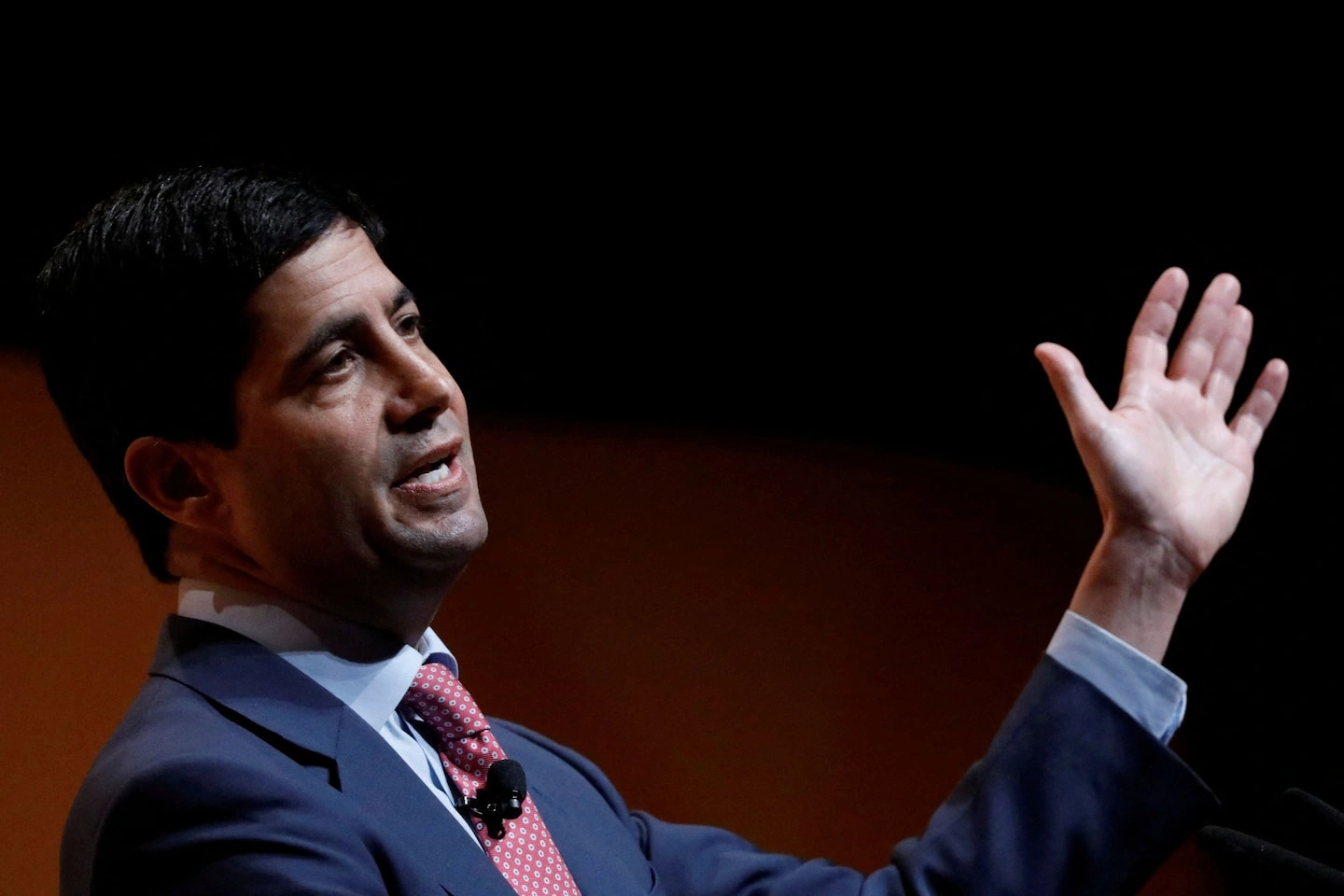
Federal Reserve Chair Kevin Warsh presided over a closely watched two-day policy meeting this week, with markets widely expecting the Federal Open Market Committee to hold interest rates steady even as the Trump administration prepares a new round of tariffs designed to replace the “Liberation Day” duties the Supreme Court struck down as illegal.
A Hawkish Hold, With Dissent in the Room
The FOMC’s July 28–29 meeting — the fifth of eight scheduled gatherings in 2026 — was expected to end with rates unchanged, according to a consensus among Fed watchers reported by U.S. News, though not without disagreement among the twelve committee members. Warsh, who has pledged that the Fed has “no tolerance” for elevated consumer and producer costs, faces a delicate balancing act: a steady labor market and solid GDP arguably justify holding rates, while cooling oil prices — following a pause in US strikes on Iran — have taken some pressure off the inflation outlook, according to TheStreet.
Replacement Tariffs Target 60 Countries
The monetary policy decision lands alongside a parallel fiscal shock. The administration is preparing new import duties of 10% to 12.5% affecting roughly 60 countries and jurisdictions, structured explicitly as replacements for the April 2025 “Liberation Day” tariffs that were ruled illegal by the Supreme Court, according to U.S. News. Independent modelling suggests the stakes are substantial: the Tax Foundation estimates the Trump administration’s tariff programme now represents the largest US tax increase as a share of GDP since 1993, equivalent to roughly $1,500 per household in 2026, while reducing long-run US GDP by an estimated 0.4% before accounting for foreign retaliation.
The Federal Reserve held interest rates steady at its July 28–29, 2026 meeting under new Chair Kevin Warsh, as the Trump administration prepared replacement tariffs of 10–12.5% on roughly 60 countries. The Tax Foundation estimates the tariff programme costs US households about $1,500 in 2026 and cuts long-run GDP by 0.4%.
Research from the Federal Reserve Bank of New York adds a further wrinkle for policymakers: tariff-driven cost increases are still working their way through supply chains, with more pass-through to consumer prices still in the pipeline months after the initial duties took effect — a dynamic that complicates any straightforward reading of near-term inflation data.
Fed Independence Remains an Open Wound
Warsh’s tenure has been shadowed by an unusually public fight over central bank independence. President Trump has publicly needled the Fed’s board, and an active federal court case is weighing whether the administration can remove Fed Governor Lisa Cook, while a separate effort may target Governor Michael Barr, according to Kiplinger’s live coverage of the meeting. Trump has called Warsh “fantastic” while simultaneously criticising the board’s “political” members — a dynamic that leaves the new chair navigating both markets and the administration’s expectations simultaneously.
Markets Weigh Tariffs Against a Cooling Energy Shock
Treasury yields have been volatile heading into the decision: the 10-year yield touched its highest level since January 2025 amid a surge tied to Middle East risk, before easing again as oil prices tumbled on news of a pause in US-Iran hostilities, according to CNBC’s US economy tracker. Import prices, meanwhile, posted a surprise gain in July, with the cost of goods from China reaching its highest level since 2008 — an early signal of the tariff pass-through the New York Fed has flagged.
What Investors Should Watch Next
The immediate market focus shifts to the Fed’s post-meeting statement and Warsh’s press conference for any signal on the committee’s tolerance for tariff-driven price increases layered atop an already-elevated cost environment. The bigger structural question — whether markets can continue to trust the Fed’s independence from the White House amid ongoing governor-removal litigation — is unlikely to be resolved by this meeting alone, and is likely to remain a persistent overhang on long-duration Treasury yields through the rest of 2026.
Discover more from The Economy
Subscribe to get the latest posts sent to your email.
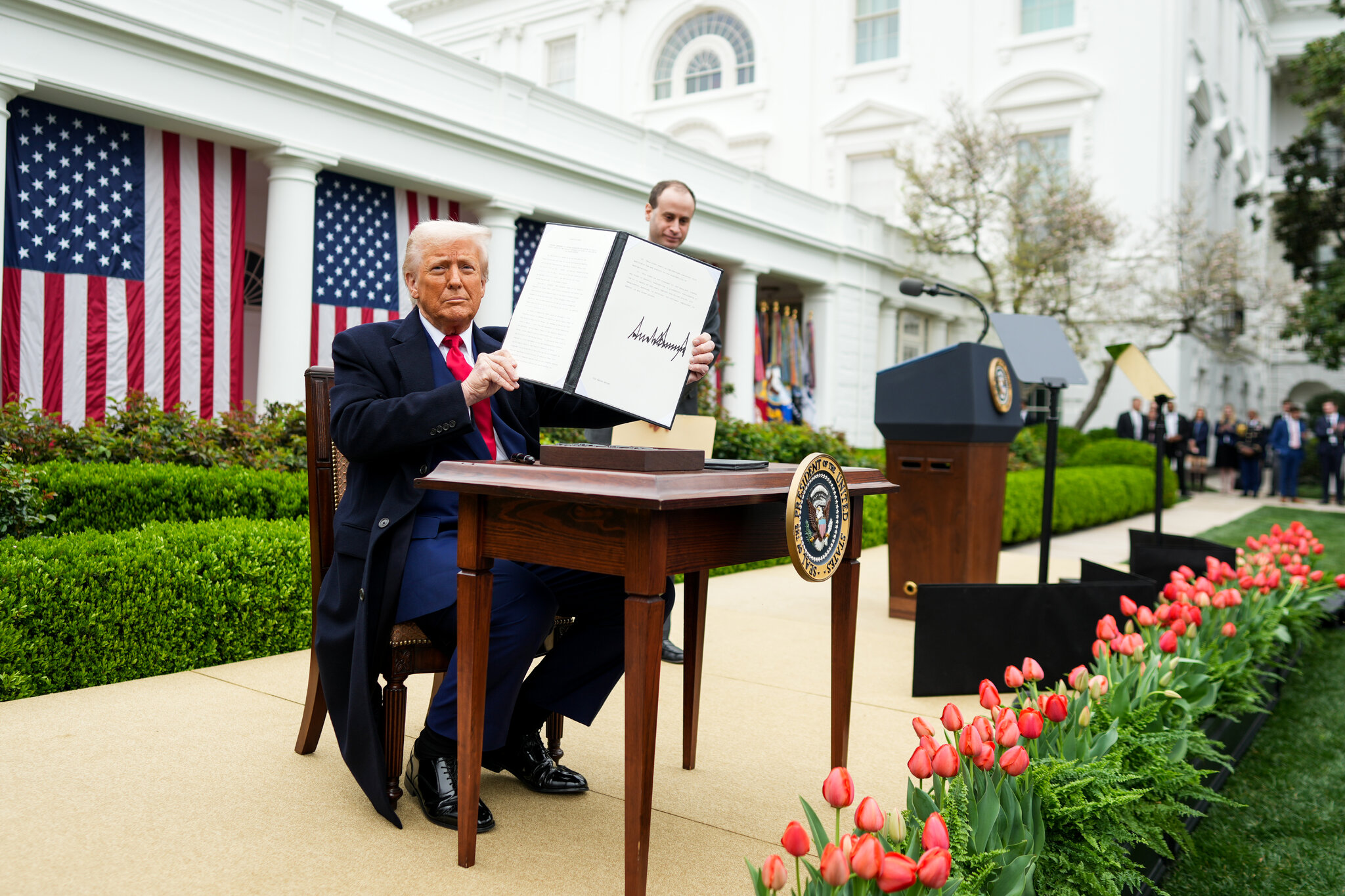
The US is imposing 10–12.5% tariffs on 60 countries over forced-labour enforcement gaps. Here’s what it means for Canada, Pakistan, and global sourcing.
Most tariff coverage in 2026 has focused on headline-grabbing bilateral fights — Section 232 metals duties, the US-Canada CUSMA review, reciprocal tariff threats. But a quieter measure moving through the USTR process may end up touching more of global trade than any single country-specific tariff: a forced-labour enforcement tariff applied not to a handful of adversaries, but to 60 economies accounting for 99% of US imports.
In mid-2026, the US Trade Representative proposed tariffs of 10% to 12.5% on imports from 60 economies — covering roughly 99% of US imports — after finding these countries had not adequately enforced bans on forced-labour goods. Countries with partial enforcement commitments face the lower 10% rate; the rest face 12.5%, with a special mechanism for apparel and textiles.
What the rule actually does
The USTR’s findings state that these 60 economies have failed to adequately prohibit or enforce bans on goods made with forced labour, which the agency frames as a source of unfair competition against countries that do enforce such bans. The proposed structure is two-tiered: a 10% tariff for countries that already have some form of forced-labour import prohibition or have committed to implementing one, and a 12.5% tariff for the remaining countries. A separate mechanism would allow limited apparel and textile imports at reduced rates, softening the blow for garment-dependent exporters.
Canada is on the list despite being a treaty partner under CUSMA — a reminder that forced-labour enforcement gaps are being treated as a distinct trade-policy lever, separate from tariff and quota negotiations under existing free-trade agreements.
Why this is the underreported story
Coverage so far has treated this as a compliance footnote inside broader tariff news. It deserves more attention for three reasons:
- Scale: unlike sector tariffs on steel or autos, this rule touches nearly the entire US import base at once, which means the aggregate cost pass-through to US consumers could exceed any single sector-specific measure.
- Enforcement burden shifts downstream: exporting countries — including major garment and electronics suppliers in Asia — will need to demonstrate active supply-chain auditing, not just legal prohibitions on paper, to qualify for the lower rate.
- Leverage point beyond trade: it gives Washington a tool to press human-rights and labour-standards issues inside what looks, on the surface, like a routine tariff schedule.
What exporters and sourcing teams should watch
- Whether their country lands in the 10% or 12.5% tier once USTR finalises findings after the July 2026 comment period
- Documentation requirements for the textile/apparel carve-out
- Whether affected governments respond with formal labour-enforcement commitments to shift tiers before the rule takes effect.
Discover more from The Economy
Subscribe to get the latest posts sent to your email.

Russia’s War Economy Got a Reprieve From Iran

China’s Economy Has a Structural Problem: Factories Are Winning, Households Are Losing

How Malaysia “Shrugged Off” Trump’s Tariffs — and What Comes Next

Singapore’s AI Boom Is Now a Two-Country Story

Why Global Family Offices Are Converging on Dubai in 2026

A Weak Jobs Report Just Rewired the Fed’s Autumn — And Wall Street Cheered

Britain’s Fragile Rebound Meets a Budget Deadline and a Trump Ultimatum

Pakistan’s Economy Grew 3.7% — So Why Doesn’t It Feel Like a Recovery?

Top 15 Financial Stocks for Investment in PSX

Pakistan Exports 2026: Record $35.6B Forecast Masks Trade Deficit Risk

UK’s Jobs Downturn Now Matches the 2008 Financial Crisis — And AI Is Accelerating It

Fed Rate Cut Bets Surge After Shock US Jobs Report Exposes Labor Market Cracks

Pakistan’s Trade Gap Widens to $3.95bn Despite Meeting FY26 Current Account Target

Why Ottawa Is Betting on Dubai: Inside Canada’s Gulf Trade Pivot

Gold Price Forecast 2026: Fed’s July 29 Decision and Record Central Bank Buying Explained

China Politburo July 2026: Stimulus Signals Explained

Pakistan Economy 2026: GDP Grows 3.7% as IMF Completes EFF Review Amid Middle East Risk

Strait of Hormuz Blockade 2026: Oil Prices Surge 9% as US-Iran Conflict Reignites

Down But Not Out: Inside the Slow Sinking of Russia’s War Economy

Gulf Capital Retreat From Pakistan 2026: UAE Loan Freeze & What It Means

Global Stock Market Selloff 2026: Stagflation Fears Return as Iran Conflict Reignites

Pakistan’s Economic Survey FY26: Inflation Spike Insights

Russia Fuel Shortages 2026: Inside a Cracking War Economy

Strait of Hormuz Crisis 2026: How Trump’s Toll U-Turn Exposes Global Economic Risk

Bank of England Rate Decision Amid Energy Crisis

Russia’s War Economy Model Is Starting to Crack, Think Tank Warns

Pakistan’s Economic Growth: Resilience Amid Challenges

Andy Burnham, UK Gilts and Mortgages: July 2026 Explainer
-

 Markets & Finance7 months ago
Top 15 Stocks for Investment in 2026 in PSX: Your Complete Guide to Pakistan’s Best Investment Opportunities
-

 Analysis6 months ago
Johor’s Investment Boom: The Hidden Costs Behind Malaysia’s Most Ambitious Economic Surge
-

 Analysis6 months ago
Top 10 Stocks for Investment in PSX for Quick Returns in 2026
-

 Analysis6 months ago
Brazil’s Rare Earth Race: US, EU, and China Compete for Critical Minerals as Tensions Rise
-

 Banks7 months ago
Best Investments in Pakistan 2026: Top 10 Low-Price Shares and Long-Term Picks for the PSX
-

 Investment7 months ago
Top 10 Mutual Fund Managers in Pakistan for Investment in 2026: A Comprehensive Guide for Optimal Returns
-

 Global Economy8 months ago
15 Most Lucrative Sectors for Investment in Pakistan: A 2025 Data-Driven Analysis
-

 Global Economy8 months ago
Pakistan’s Export Goldmine: 10 Game-Changing Markets Where Pakistani Businesses Are Winning Big in 2025