
Analysis
From Personal Crisis to $1.7 Billion: How This CEO Built a Virtual Women’s Health Platform That’s Redefining Maternal Care


Former Flatiron Health executive Marta Bralic Kerns turned her own pregnancy complications into a data-driven solution serving 7% of U.S. births—and she’s just getting started.
When Marta Bralic Kerns experienced serious complications during her first pregnancy, she confronted a reality familiar to millions of American women: a fragmented healthcare system ill-equipped to provide consistent, personalized support during one of life’s most vulnerable periods. Rather than accept this as inevitable, the former Flatiron Health executive channeled her frustration into building something transformative.
Five years later, her answer—Pomelo Care—has reached a $1.7 billion valuation following a $92 million Series C funding round in January 2026. The virtual women’s health platform now covers nearly 7% of all U.S. births and is expanding far beyond maternity care to address hormonal health, perimenopause, menopause, and pediatrics. In recognition of her achievement, Kerns was named EY Entrepreneur of the Year 2025, cementing her position as one of healthcare’s most influential innovators.
The Genesis: When Data Meets Motherhood
Kerns’ journey from technology executive to healthcare entrepreneur began with a simple question: Why couldn’t pregnancy care be proactive rather than reactive? Her experience at Flatiron Health—the oncology data company acquired by Roche for $1.9 billion—had taught her the power of using real-time data to improve clinical outcomes. She recognized that the same principles could revolutionize maternal care.
The statistics she uncovered were sobering. One in ten babies in the United States requires NICU admission. Preterm birth rates remain stubbornly high. Yet many complications, including preeclampsia—a leading cause of maternal mortality—can be prevented with simple, evidence-based interventions like low-dose aspirin, which reduces risk by approximately 25%.
“What struck me was the gap between what we knew from research and what actually happened in practice,” Kerns observed in recent interviews. “Women were falling through the cracks not because providers didn’t care, but because the system wasn’t designed to catch them.”
Building the Affordable Maternal Telehealth Model
Launched in 2021, Pomelo Care developed a virtual care platform that provides 24/7 access to multidisciplinary care teams including obstetricians, midwives, nurses, doulas, lactation consultants, and mental health specialists. The platform’s differentiator lies in its sophisticated use of data analytics to identify risk factors early and trigger timely interventions.
The model addresses critical pain points in traditional prenatal care:
Key Features:
- Continuous monitoring: Algorithm-driven risk assessment flags conditions like gestational diabetes and preeclampsia before they escalate
- Accessible support: Round-the-clock virtual consultations eliminate barriers related to transportation, work schedules, and geographic isolation
- Care coordination: Integrated teams ensure seamless transitions between prenatal, postpartum, and pediatric care
- Evidence-based protocols: Standardized interventions proven to reduce adverse outcomes
This approach has resonated with both insurers and employers seeking to contain costs while improving health outcomes. Pomelo now partners with major insurers including UnitedHealthcare and Elevance, as well as large employers like Koch Industries, serving both Medicaid and commercial populations.
The economic case is compelling. Early detection and prevention of pregnancy complications not only saves lives but also significantly reduces healthcare expenditures associated with NICU stays, emergency interventions, and long-term maternal health issues.
Expanding the Vision: Beyond Pregnancy to Lifelong Women’s Health
The January 2026 funding round signals Pomelo’s ambitious expansion beyond its maternity care roots. Kerns envisions a comprehensive virtual women’s health platform supporting women at every life stage—a strategic pivot that addresses a glaring market inefficiency.
“Maternity care was our entry point because the need was so acute,” Kerns explained to Axios. “But women’s health challenges don’t begin at conception or end at delivery. We’re building infrastructure for lifelong care.”
The expansion encompasses several verticals:
New Service Lines:
- Hormonal health: Managing conditions like PCOS and endometriosis through specialized virtual consultations
- Perimenopause and menopause management: Addressing the estimated 1.3 million American women who enter menopause annually, many without adequate medical support
- Evidence-based pediatric virtual care: Extending support to postpartum care for working moms navigating infant health concerns
- Preventive care: Leveraging data to identify and mitigate long-term health risks
This broader strategy positions Pomelo to compete in the rapidly growing women’s health technology sector, valued at over $50 billion and projected to expand significantly as venture capital increasingly flows toward femtech solutions.
The Competitive Landscape: Navigating a Crowded Market
Pomelo’s expansion brings it into more direct competition with established players in the virtual women’s health space, each carving out distinct niches:
Maven Clinic, which raised $125 million in 2024, has built a comprehensive family health platform encompassing fertility, pregnancy, parenting, and pediatrics. Its focus on employer-sponsored benefits has made it a favorite among Fortune 500 companies.
Oula differentiates itself through a hybrid maternal care model, partnering with hospitals to blend virtual and in-person services, appealing to women who prefer traditional birth settings with enhanced digital support.
Kindbody has concentrated on fertility services, operating physical clinics alongside virtual consultations—a capital-intensive model targeting affluent urban markets.
Bloomlife and Marani Health represent the wearables and AI monitoring segment, using prenatal wearables and AI prenatal monitoring to track fetal health and maternal vital signs.
Pomelo’s competitive advantage lies in its dual focus: deep data integration across the care continuum and its commitment to serving both Medicaid and commercial populations. While competitors often target higher-income demographics, Pomelo’s model addresses health equity by making high-quality care accessible regardless of socioeconomic status.
Preeclampsia Prevention Tips and the Power of Simple Interventions
One of Pomelo’s most impactful contributions has been systematizing the delivery of simple, evidence-based interventions that dramatically improve outcomes. The platform’s approach to preeclampsia prevention exemplifies this philosophy.
By analyzing patient data—including blood pressure trends, lab results, and risk factors like first pregnancy, advanced maternal age, or pre-existing conditions—Pomelo’s algorithms identify women who would benefit from low-dose aspirin therapy, typically initiated before 12 weeks of pregnancy. This straightforward intervention, costing mere pennies per day, can reduce preeclampsia risk by up to 25%.
Yet studies suggest fewer than 30% of eligible pregnant women receive this recommendation in traditional care settings. The gap represents not a knowledge deficit but a systems failure—precisely the problem Pomelo was designed to solve.
The company’s recent funding will accelerate the deployment of similar data-driven protocols across its expanding service lines, from optimizing hormone therapy dosing to identifying early signs of postpartum depression.
The Economic and Social Imperative
Pomelo’s growth trajectory occurs against the backdrop of America’s maternal health crisis. The United States has the highest maternal mortality rate among developed nations, with significant racial disparities. Black women face pregnancy-related death rates nearly three times higher than white women.
These aren’t just health statistics—they represent economic losses from decreased workforce participation, increased disability, and preventable healthcare costs estimated in the billions annually. Virtual care platforms like Pomelo offer a scalable solution, particularly for underserved communities with limited access to obstetric specialists.
The employer value proposition is equally compelling. Companies offering comprehensive women’s health benefits report higher employee retention, reduced absenteeism, and improved productivity. As more employers recognize reproductive and hormonal health as strategic HR priorities, demand for integrated solutions is accelerating.
Looking Ahead: Challenges and Opportunities
Despite its impressive growth, Pomelo faces significant challenges. Regulatory complexity varies by state, particularly around telehealth reimbursement and scope of practice for virtual providers. Scaling personalized care while maintaining quality requires continuous investment in technology and clinical talent. And competition for patients and payer contracts is intensifying as more entrants recognize the market opportunity.
Yet the fundamentals favor Pomelo’s model. The company’s early mover advantage in building data infrastructure, its proven ability to improve outcomes while reducing costs, and Kerns’ credibility as both a healthcare entrepreneur and EY Entrepreneur of the Year position it well for the next phase of growth.
The expansion into lifelong women’s health care represents not just a business strategy but a recognition that women’s healthcare needs have been systematically underserved by a medical system designed primarily around male physiology and episodic care models.
A New Paradigm for Women’s Health
Marta Bralic Kerns’ journey from frustrated new mother to billionaire CEO illustrates how personal experience combined with technological expertise can catalyze systemic change. Pomelo Care’s evolution from maternity-focused startup to comprehensive women’s health platform reflects a maturing market understanding: women need integrated, data-driven care across their entire lifespan, not fragmented solutions for discrete life events.
As the company deploys its $92 million in fresh capital, the healthcare industry will be watching to see whether Pomelo can replicate its maternal care success across hormonal health, menopause management, and preventive care. If it succeeds, the impact will extend far beyond shareholder returns—it will represent a fundamental reimagining of how America delivers women’s healthcare.
For the millions of women who’ve navigated pregnancy complications, hormonal imbalances, or menopausal symptoms with inadequate support, that transformation cannot come soon enough. Kerns’ vision offers a glimpse of what becomes possible when motherhood’s challenges inspire technological solutions—and when those solutions scale to serve women at every stage of life.
Discover more from The Economy
Subscribe to get the latest posts sent to your email.


Analysis
Iran War Singapore Growth & Inflation 2026: Gan’s Warning Explained | A Wake-Up Call for Asia
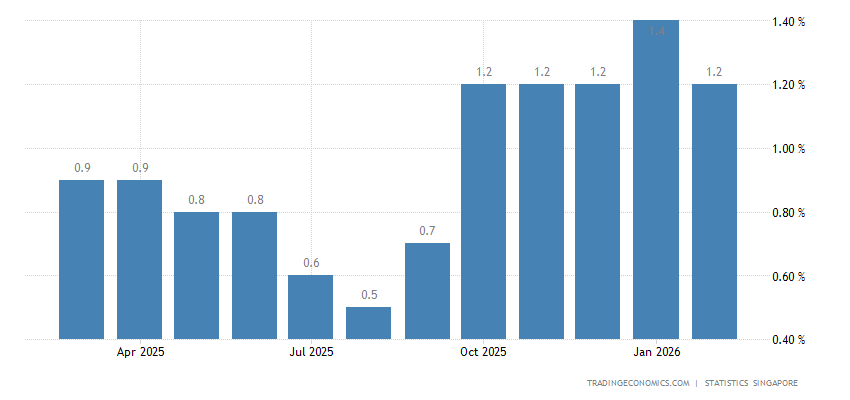
DPM Gan Kim Yong told Parliament on April 7, 2026 that the Iran war will hurt Singapore’s GDP and push inflation higher. Here’s what it means for Asia’s open economies — and why the forecast revision coming in May could be the most consequential in a decade.
Singapore’s Moment of Reckoning Has Arrived
The chamber was unusually charged for a Tuesday afternoon. More than seventy parliamentary questions had been filed — a volume that, by Singapore’s meticulous standards, signals genuine institutional alarm. When Deputy Prime Minister and Minister for Trade and Industry Gan Kim Yong rose to address Parliament on April 7, 2026, the words he delivered were neither catastrophist nor comforting. They were something more unsettling than both: calibrated, honest, and unmistakably ominous. “As a small and highly open economy,” he said, “Singapore will not be able to insulate ourselves completely from this crisis. Growth in the coming quarters is likely to be affected by the ongoing conflict.”
Outside on Shenton Way, the morning’s trading boards told a parallel story — the Straits Times Index down, freight quotes climbing, electricity tariffs that had already been revised upward on April 1 now looking like a floor rather than a ceiling. For Singapore, a city-state with no hinterland, no domestic energy base, and no insulation from the global price of anything, the Iran war is not a distant geopolitical abstraction. It is an arriving economic storm, and Gan’s parliamentary statement was the clearest official admission yet that the government’s own forecasts — upgraded as recently as February to a bullish 2% to 4% GDP growth for 2026 — will need to be revisited.
This is the story of why that revision matters, and what it reveals about the structural vulnerabilities of every small, trade-dependent economy in a world increasingly shaped by great-power conflict.
Not Ukraine Redux: Why This Shock Is Different in Kind
Experienced market watchers were quick to reach for the 2022 Russia-Ukraine playbook when the US-Israeli strikes on Iran began on February 28, 2026. That instinct is understandable but analytically dangerous. The Ukraine episode was primarily a European energy shock — devastating for the continent’s natural gas grid, but geographically contained in ways that allowed Asian economies to pivot rapidly toward alternative suppliers and routes. The Iran war is something structurally different, and more globally corrosive.
The Strait of Hormuz, through which approximately 20% of the world’s traded oil passes alongside vast volumes of liquefied natural gas, does not have a European bypass. The closure of the strait triggered by the conflict has disrupted roughly a fifth of global oil supply, sending Brent crude surging to over US$82 per barrel — a 30% increase since the start of 2026 and the highest level since January 2025. Unlike the Suez Canal, for which alternative routing around the Cape of Good Hope is slow and costly but physically possible, the Hormuz chokepoint forces rerouting that simply cannot be accomplished at comparable volumes or speed.
More critically, the war’s cascading effects are not bounded by energy markets. Analysts have described the economic impact as the world’s largest supply disruption since the 1970s energy crisis, encompassing surges in oil and gas prices, wide disruptions in aviation and tourism, and volatility in financial markets. That characterisation — the 1970s benchmark — is one that Singapore’s older policymakers understand viscerally. The 1973 oil embargo reshaped the city-state’s energy strategy for a generation. What is unfolding in 2026 is arriving with far greater interconnectedness and far less margin for response.
The Four Channels: How the Iran War Hits Singapore’s Economy
Energy and Chemicals: The First and Loudest Channel
Singapore is one of Asia’s pre-eminent refining and petrochemicals hubs. Its Jurong Island complex processes millions of barrels of crude annually, supplying refined products and chemical feedstocks across the region. When global crude prices surge and Gulf supply contracts abruptly, the feedstock economics of that entire industrial ecosystem are upended. Parliamentary questions filed for the April 7 sitting explicitly asked whether Singapore’s petrochemical and refining sectors face risks to output, margins and competitiveness given the republic’s role as a regional energy and chemicals hub.
Gan confirmed that the spike in global oil and natural gas prices will inevitably raise fuel and electricity costs for Singapore, and that cost increases will “feed through to broader inflation.” He went further, calling the supply disruption from the Hormuz closure “the worst disruption since the 1973 oil embargo” — language that carries particular weight from a minister known for understatement.
Electricity tariffs were already revised upward from April 1. Singaporean authorities have warned of sharper increases to come, with cooking gas prices also rising, though some providers said they may absorb costs for hawker centres. For industrial consumers — manufacturers, data centres, cold-chain logistics — these are not headline distractions. They are margin compressors arriving on top of already elevated input costs.
Manufacturing: The Second-Round Hit
Singapore’s manufacturing sector — which encompasses electronics, biomedical products, and advanced chemicals — does not consume crude oil directly in most of its processes. But energy is embedded in every stage of global supply chains, and when shipping costs and input prices rise simultaneously, the squeeze reaches even the most advanced factories.
Senior economists at DBS Group Research noted that Singapore’s economy is confronting uncertainty from a relatively strong position, with solid growth momentum buoyed by global AI-related tailwinds and still-low inflation at the start of 2026. That strength, real as it is, does not make the republic immune to margin compression in its externally-facing industries. Semiconductor packaging, precision engineering, and pharmaceutical manufacturing all depend on global logistics networks whose costs are now rising sharply.
The AI demand tailwind that powered Singapore’s manufacturing resilience through early 2026 remains intact — demand for advanced chips has not diminished. But when energy and transport costs rise across the supply chain, even AI-driven production is not entirely insulated. Earnings risk for Singapore’s listed manufacturers is real and, as yet, inadequately priced by equity markets.
Transport and Travel: The Visible Daily Pain
Here is where the economic shock becomes humanised. Jet fuel prices have climbed in lockstep with crude, squeezing airline operating margins and threatening the air connectivity on which Singapore’s Changi Airport — the city’s most strategically important piece of infrastructure — depends. Parliamentary questions addressed fare adjustments by ride-hailing operators Grab and ComfortDelGro, asking whether the Ministry of Transport was consulted and what regulatory oversight is in place to prevent private-hire and taxi operators from passing on fuel costs unchecked. The fact that cab drivers received a S$200 fuel subsidy in the April 7 package is telling: the government recognises that transport cost pass-throughs are already live.
Aviation and tourism were singled out among the sectors facing wide disruptions from the conflict. For Singapore, which has positioned itself as Asia’s premier transit hub and whose aviation-adjacent services — hospitality, MICE, retail — form a meaningful slice of services GDP, a sustained softening in air traffic flows is a multi-quarter drag that GDP models may not yet fully capture.
Domestic Services: The Inflation Spiral That Begins in Changi Road
The most economically insidious channel is the one that receives the least analytical attention: the inflationary pass-through into domestic services. When fuel prices rise, school bus operators raise fares — something already visible in Singapore’s local reports. When electricity tariffs rise, restaurants’ operating costs rise; when food import costs climb because freight is more expensive, hawker centre prices follow. These are the mechanisms through which an energy shock migrates from the oil market to the heartland household.
As school bus driver V. Parath put it plainly: “The price of everything in Singapore is increasing.” That is not merely anecdote. It is a leading indicator that core inflation is beginning to broaden from energy and transport into services — a broadening that, once embedded in wage expectations, becomes structurally stickier.
Pull Quote: “This is not a standard energy shock. It is a simultaneous hit to feedstock costs, freight rates, exchange-rate dynamics and consumer confidence — arriving in an economy that was already managing multiple transition pressures. Singapore’s buffers are real and substantial. But buffers are finite.”
The Macro Ripple: MAS, the SGD, and an Unenviable Policy Dilemma
The Monetary Authority of Singapore’s principal policy instrument is the exchange rate, not the interest rate. The central bank manages the Singapore dollar against an undisclosed basket of trading partner currencies within a policy band, adjusting the slope, width, and centre of that band to target imported inflation. In a standard energy shock, the textbook response is to allow or even encourage modest SGD appreciation to absorb imported price increases.
MAS confirmed in early March that it is conducting a formal assessment of the domestic financial system’s exposure, and that the Singapore dollar nominal effective exchange rate remains within its established appreciating policy band — positioning intended to dampen imported inflationary pressures.
But the policy dilemma is more complex than the textbook suggests. Broader dollar strength driven by safe-haven demand and reduced US Federal Reserve rate-cut expectations — with futures markets now pricing the first fully priced Fed cut as late as September, two months later than the July consensus prevailing before the conflict — has compressed Singapore’s room to manoeuvre. A SGD that appreciates against the USD provides some imported-price relief but simultaneously hits the competitiveness of Singapore’s export-facing industries at precisely the moment when their margins are already being squeezed.
Maybank economist Chua Hak Bin had flagged inflation as an underappreciated risk in 2026, citing rising semiconductor prices and the unwinding of Chinese export deflation — a deflationary cushion that had kept manufactured goods prices suppressed for several years. A Gulf supply shock superimposes an energy cost surge on top of those pre-existing pressures. If the conflict persists beyond four to six weeks, Singapore’s core inflation could break above MAS’s 1–2% forecast band, creating pressure on the central bank to shift its exchange-rate policy.
That band adjustment, if it comes, will be one of the most significant MAS signals in years — and it is coming into view.
The Limits of “Safe Haven”: Why Singapore Is Not Immune to Structural Fragmentation
For a generation, Singapore cultivated — and largely deserved — a reputation as Asia’s most resilient small open economy: deep reserves, AAA fiscal credibility, trade agreements with virtually every major partner, and an uncanny institutional capacity to navigate geopolitical turbulence without becoming its casualty. That reputation is not false. But this crisis is exposing its conditionality.
Coordinating Minister for National Security K. Shanmugam warned on April 7 that markets have yet to factor in the worst-case scenario — and that Singapore cannot rule out power disruptions if the conflict in Iran further disrupts global energy supplies. A sitting minister explicitly raising the spectre of power disruption in a city whose every competitive advantage rests on the reliability of its infrastructure is not rhetoric — it is a risk disclosure.
The structural issue is one that Singapore shares with a cohort of ultra-open economies whose prosperity was architected for a rules-based, multilateral trade order. Taiwan, South Korea, and the Netherlands are the most obvious analogues. Each is deeply integrated into global supply chains, each imports most of its energy needs, and each has built extraordinary competitiveness precisely by maximising openness rather than pursuing autarky. In a world of discrete shocks — a pandemic here, a trade dispute there — openness is the right bet. In a world where great-power conflict is becoming endemic rather than episodic, that calculus deserves harder scrutiny.
The Iran war’s economic impact is not merely a supply shock. It is a signal that the frequency and geographic scope of geopolitical disruptions may be structurally higher going forward than the models that underpin Singapore’s growth forecasts were calibrated for. When Gan says growth in the coming quarters will be “affected,” he is describing an outcome. The deeper question is whether Singapore’s — and Asia’s — planning frameworks are being updated to account for a world where such statements become a recurring feature rather than an exception.
May’s Forecast Revision: What to Expect — and Fear
Singapore’s GDP advance estimate for the first quarter is due on April 14, with a full economic outlook update scheduled for May. The first-quarter numbers will almost certainly show resilience — Gan himself acknowledged that early data indicate economic activity held up well through Q1. That resilience, largely built on AI-driven electronics demand and services strength, will briefly reassure markets.
May’s revision is another matter. The 2% to 4% full-year GDP forecast issued in February was calibrated for a world in which the Iran conflict was either resolved or contained within weeks. Singapore’s predicament is shaped by geography as much as policy — the republic sits far from the conflict zone, yet its economy is tied tightly to global trade, imported food and imported fuel. Any threat to Gulf energy production or maritime passage through strategic chokepoints can ripple quickly into Asian benchmark prices, freight costs and business sentiment.
A sustained conflict — and with over a month of fighting already in the books, “sustained” is no longer a tail risk — points to a revised growth forecast closer to the lower end of the current range or potentially below it. Inflation forecasts, already tracking against MAS’s 1–2% core target band, are likely to be revised upward. For households and SMEs that have not yet felt the full pass-through of April’s electricity tariff increase, the coming months will be measurably harder.
What Policymakers Must Do — and What Singapore Offers as Model
The S$1 billion support package unveiled on April 7 — boosting the corporate income tax rebate from 40% to 50%, advancing grocery vouchers to June, and providing S$200 supplements to both eligible households and cab drivers — is competent crisis management. It cushions the immediate pain, demonstrates governmental responsiveness, and signals institutional credibility to markets. It is not, however, a structural solution.
For Singapore specifically, the priorities are now fourfold. First, accelerate energy diversification — Shanmugam noted that Singapore is studying alternatives including nuclear power to broaden its fuel mix, a move that was politically contentious eighteen months ago and is now strategically urgent. Second, extend supply-chain diplomacy aggressively: the Singapore-Australia joint energy security statement of March 23, 2026 is exactly the kind of bilateral redundancy-building that needs to be replicated across multiple partners and commodity categories. Third, provide targeted, time-limited support for SMEs facing acute energy and freight cost pressure — the risk of SME failures compressing domestic employment and spending is underappreciated. Fourth, and most importantly, begin recalibrating the medium-term planning framework to assume a structurally less stable geopolitical environment than the one that informed Singapore’s last decade of growth strategy.
For the broader cohort of open Asian economies — South Korea, Taiwan, Vietnam, Thailand — Singapore’s predicament is a live case study in vulnerabilities they share. The lesson is not to retreat from openness, which remains the correct long-term bet for small economies without large domestic markets. It is to build genuine redundancy into energy, food, and supply-chain systems; to cultivate multiple geopolitical relationships that provide diplomatic buffer in crises; and to hold fiscal capacity in reserve precisely for moments like this one.
Singapore has those reserves. Its institutions are among the world’s most capable. The response so far has been measured, credible, and appropriately scaled. But Gan’s words in Parliament on April 7 should be read not only as a situational update but as a structural warning — to Singapore, and to every economy that built its prosperity on the assumption that the global order would remain permissive. That assumption is now, unmistakably, in question.
The bumpy ride ahead is not Singapore’s alone.
Discover more from The Economy
Subscribe to get the latest posts sent to your email.
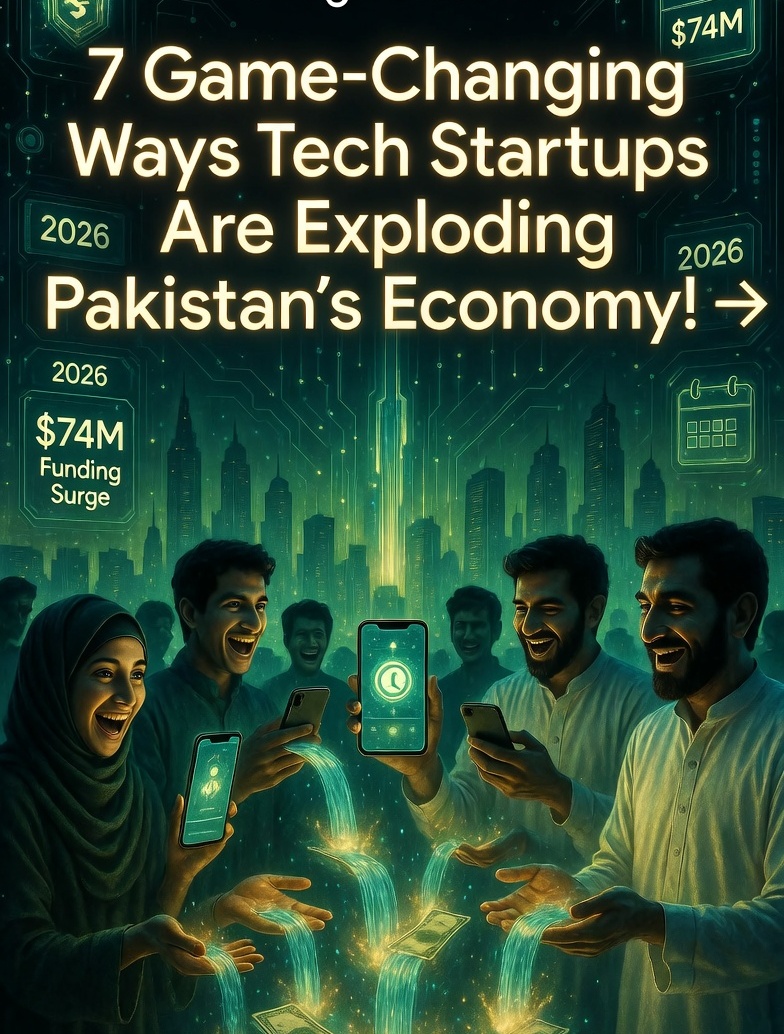
Let’s Explore how Pakistan’s fintech startups are transforming financial inclusion, payments, SME lending, and digital banking in 2026—with real data, key players, and policy insights driving the country’s $4B startup ecosystem.
Picture Amna, a small-scale textile vendor in Faisalabad’s crowded bazaar. Three years ago, she kept her earnings in a tin box under the shop counter—unbanked, invisible to the formal economy, and locked out of credit. Today, she processes supplier invoices digitally, accesses working capital within 24 hours, and tracks her cash flow on a smartphone app. Amna didn’t walk into a bank branch. A startup came to her.
This is the quiet revolution reshaping Pakistan’s financial landscape. With VC-backed startups now collectively valued at around $4 billion—up 3.6 times since 2020—Pakistan’s growth rate outpaces larger ecosystems including India, New York, and Dubai, positioning it among emerging “New Frontier” tech markets Profit by Pakistan Today. Yet for all the momentum, no unicorn has emerged yet, the funding gap at growth stages remains acute, and roughly 85% of transactions still move in cash. The gap between potential and reality is precisely where startups are doing their most consequential work.
Here are seven ways Pakistan’s tech startups are rewriting the rules of finance in 2026—and why global investors and policymakers should be paying close attention.
1. Expanding Financial Inclusion Beyond Urban Walls
Pakistan’s financial exclusion problem is, at its core, a distribution problem. Traditional banks have concentrated their branch networks in major cities, leaving vast swathes of rural Punjab, interior Sindh, and Balochistan underserved. Pakistan aims to increase adult financial inclusion to 75% by 2028, up from 64% currently, with 143 million broadband and 193 million cellular subscribers forming the digital infrastructure to get there. Invest2Innovate
Startups are filling this gap with mobile-first models that don’t require a bank branch, a credit history, or even a formal ID in some pilots. Easypaisa—Pakistan’s largest mobile wallet—has evolved from simple bill payments into a comprehensive financial super-app covering government disbursements, QR payments, and international remittances. JazzCash serves tens of millions of users across peri-urban and rural markets. Meanwhile, newer entrants like Paymo are targeting digital-native youth with social banking features designed for Gen Z’s financial behaviours.
The economics here are compelling on a global scale. Bangladesh’s bKash built a $2 billion enterprise on mobile financial services for an underserved population—a playbook Pakistan’s ecosystem is now iterating and improving upon. The difference is that Pakistan’s startups are layering artificial intelligence and embedded finance on top of basic wallet infrastructure, building toward something more sophisticated than simple cash transfers.
2. Reinventing B2B Payments and Supply Chain Finance
If consumer fintech is the visible face of Pakistan’s digital finance revolution, B2B infrastructure is its beating engine. Haball is perhaps the most striking example. The Karachi-based fintech has raised a $52 million Pre-Series A round led by Zayn VC and backed by Meezan Bank, scaled its platform to handle over $3 billion in payments, and disbursed more than $110 million in financing to thousands of SMEs and multinational clients. Daftarkhwan
What Haball is doing—digitizing the order-to-cash cycle across Pakistan’s vast informal supply chains—addresses a structural inefficiency that has cost the economy billions in idle working capital and reconciliation errors. By automating invoicing, digitizing trade flows, and embedding Shariah-compliant financing into the transaction itself, Haball turns every payment into a data point for underwriting the next loan.
The implications extend well beyond individual deals. Pakistan’s informal sector accounts for over 40% of GDP, and much of that informality is driven by opaque supply chains and the friction of cash. When startups digitize these flows, they don’t just solve a payments problem—they bring entire economic layers into visibility, taxation, and formal credit assessment for the first time.
3. Accelerating Digital Remittances and Cross-Border Finance
Remittances are Pakistan’s economic lifeline. At roughly $30 billion annually, they outpace foreign direct investment and are equivalent to nearly 8% of GDP. Yet the infrastructure carrying this money has historically been dominated by expensive incumbents—hawala networks and legacy wire services that extract 5–7% in transfer fees from workers sending money home from the Gulf, UK, and North America.
Startups are beginning to disrupt this. Platforms like SadaPay are digitizing international remittances, reducing friction and cost for Pakistani diaspora communities. Invest2Innovate The company’s trajectory also illustrates the ecosystem’s volatility—SadaPay faced staff reductions following its acquisition by Turkish fintech Papara, underscoring how consolidation is beginning to reshape the competitive landscape even in early-stage markets.
Pakistan’s Raast instant payment system, launched by the State Bank of Pakistan and inspired by India’s Unified Payments Interface, is now the backbone connecting digital remittance platforms to beneficiary accounts in real time. The combination of a robust central rails infrastructure and agile startup players building on top of it creates the conditions for the kind of remittance cost compression India achieved within five years of launching UPI—a development that could redirect hundreds of millions of dollars in annual transfer fees back into Pakistani household budgets.
4. Unlocking Capital for Small and Medium Enterprises
SMEs account for roughly 90% of businesses in Pakistan and contribute around 40% of GDP, yet they receive less than 10% of total bank credit. The reasons are well-documented: lack of collateral, informal accounting, no credit history, and risk-averse bank lending desks that simply aren’t calibrated for small-ticket loans. This is where Pakistan’s credit-tech and embedded finance startups are making their most economically significant interventions.
Startups like CreditBook provide micro-loans to SMEs and individuals excluded from traditional banking, while Abhi innovates payroll financing, NayaPay supports SME financial management, and Mahana Wealth promotes saving among the underserved. Invest2Innovate Abhi, founded in 2021, has now raised $57.8 million for its financial wellness platform—making it one of the best-capitalised fintech startups in the country.
The pivot toward hybrid financing models is itself a structural innovation. Pakistan’s startups raised approximately $74.2 million in reported funding in 2025, almost double the funds mobilised in 2024, with the increase driven by hybrid financing—combinations of equity and debt—replacing the previous equity-only funding approach. Business Recorder This mirrors what development finance institutions have long advocated: blended finance structures that reduce first-loss risk and unlock private capital at scale. When applied at the SME lending level, the same logic holds.
5. Building Regulatory Infrastructure That Enables—Not Just Constrains—Innovation
A startup ecosystem is only as strong as the regulatory framework it operates within. Pakistan has not always been known for nimble financial regulation, but the State Bank of Pakistan has been quietly constructing an architecture that is beginning to attract serious attention.
The SBP’s regulatory sandbox, launched to allow fintechs to test innovations under controlled conditions without full licensing requirements, has been central to this shift. SBP’s frameworks have created a supportive environment, positioning Pakistan as a promising fintech market. Invest2Innovate The central bank’s digital banking licensing framework, which has drawn applications from a growing cohort of neobank candidates, represents a further commitment to structured innovation rather than arbitrary prohibition.
Globally, the contrast with peer markets is instructive. Bangladesh’s fintech growth was turbocharged by its own regulatory openness to mobile financial services—a decade ago, a decision considered brave at the time. Nigeria’s central bank took a more restrictive path and watched significant fintech capital flow to Ghana and Kenya instead. Pakistan’s regulators appear to have absorbed these lessons, even if implementation speed remains a work in progress. One of the most notable structural shifts in 2026 is the rise of hybrid financing models and growing interest from bilateral and multilateral development finance institutions in supporting Pakistan’s startup ecosystem. Startup
6. Driving Islamic Fintech as a Global Differentiator
Pakistan is home to 230+ million Muslims, and its financial system has a constitutional obligation to move toward interest-free models. This is not merely a regulatory constraint—it is a market opportunity of extraordinary scale that global Islamic finance players have barely begun to exploit at the retail level.
Haball’s Shariah-compliant supply chain financing is one marker of this trend. But the opportunity extends much further: Murabaha-structured digital lending, Musharaka-based equity crowdfunding, and Sukuk tokenization on blockchain rails are all adjacent spaces where Pakistani startups have structural advantages that competitors in secular financial systems simply don’t possess.
Islamic fintech, AI-driven credit systems, open banking, and cross-border payments are identified as the four major growth frontiers for Pakistan’s fintech ecosystem. Startup With the global Islamic finance industry valued at over $3 trillion and growing at 10–12% annually, Pakistani startups that develop credible, scalable models in this space are building for an export market as much as a domestic one—positioning Pakistan as a potential hub for Islamic fintech products serving markets from Indonesia to Morocco.
7. Creating Jobs, Skills, and a Self-Sustaining Innovation Flywheel
Economic ecosystems don’t grow linearly—they compound. The most durable contribution Pakistan’s tech startup sector is making to its financial ecosystem isn’t any single product or funding round. It is the accumulation of human capital: engineers, product managers, compliance specialists, data scientists, and founders gaining experience that will seed the next generation of ventures.
There are now 170+ VC-backed startups across Pakistan, with 13 “Colts” generating $25–100 million in annual revenue and 17 breakouts having raised between $15 million and $100 million. Startup Each of these companies is a training ground. When engineers leave Haball or NayaPay to start their own ventures, they carry institutional knowledge—of regulatory navigation, of underwriting logic, of enterprise sales in a cash-heavy economy—that accelerates their next company’s time to product-market fit.
Funding to female-founded or co-founded startups nearly doubled, rising from $5.5 million in 2024 to $10.1 million in 2025 Business Recorder, though the average deal size for women-led ventures remains smaller, signalling that inclusion in the ecosystem is widening even as capital parity remains elusive. This trajectory matters: research from McKinsey and the IFC consistently shows that more diverse founding teams produce more resilient companies and broader economic multipliers.
The Road Ahead: From Momentum to Transformation
Pakistan’s fintech story in 2026 is one of real but fragile progress. The country’s $4 billion ecosystem could scale rapidly over the next five to seven years with deeper growth capital and large exits—but the funding gap at later stages remains the primary bottleneck, with no company yet earning more than $100 million in annual revenue or reaching unicorn status. Profit by Pakistan Today
The comparison with India is both inspiring and sobering. India’s fintech ecosystem generated over $9 billion in venture funding in 2021 alone, supported by a government that treated UPI as strategic infrastructure and built policy frameworks that pulled private capital in behind. Pakistan’s policymakers have the blueprint. What they lack is the same scale of conviction in execution.
For international investors—particularly development finance institutions, Gulf sovereign wealth funds, and impact-oriented funds looking at frontier markets—Pakistan represents a rare combination: a massive underserved population, a young and mobile-connected demographic pyramid, a regulatory environment trending toward openness, and startup teams with demonstrably world-class technical ambition. The risk is real. So is the asymmetry.
A Call to Action
For policymakers: Accelerate the implementation of open banking frameworks and extend the SBP’s digital banking licensing to include regionally focused neobanks targeting rural communities. Treat financial infrastructure—Raast, digital identity, data-sharing rails—as public goods requiring sustained government investment, not one-time pilot programmes.
For investors: The window for early growth-stage capital in Pakistan’s fintech sector is open and underappreciated. The startups that survive the current funding gap will emerge stronger, leaner, and with defensible market positions. Patient capital with local ecosystem partnerships is the model that will generate both returns and development impact.
For entrepreneurs: The infrastructure is improving. The regulatory environment is becoming more navigable. The market is enormous, largely untapped, and increasingly digital. Pakistan’s first fintech unicorn is not a question of whether—it is a question of when, and who.
Amna in Faisalabad is already there. The rest of Pakistan’s financial system is catching up to her.
Sources and data cited from: Pakistan Tech Report, Dealroom.co & inDrive, January 2026; invest2innovate (i2i) 2025 Ecosystem Report; i2i Fintech Landscape Report; Tracxn Pakistan FinTech Data, January 2026; Daftarkhwan: Top Pakistani Startups 2026; Startup.pk VC Ecosystem Report; World Bank Financial Inclusion Data.
Discover more from The Economy
Subscribe to get the latest posts sent to your email.
Analysis
China Tightens Financial Oversight: D-SIB Expansion Signals Intensified Property Crisis Response
As Beijing adds Zheshang Bank to systemically important lenders list, the move underscores mounting pressure on financial regulators to shore up stability amid a deepening real estate downturn
China’s financial regulators have expanded their roster of systemically critical banks, adding a regional powerhouse to a watchlist designed to prevent cascading failures—a decision that reveals as much about the nation’s economic anxieties as it does about its prudential priorities. On February 14, 2026, the People’s Bank of China (PBOC) and the National Financial Regulatory Administration (NFRA) designated China Zheshang Bank as the country’s 21st domestic systemically important bank (D-SIB), subjecting the Zhejiang-based lender with ¥3.35 trillion ($485 billion) in assets to heightened capital requirements and intensified scrutiny.
The inclusion marks the first expansion of China’s D-SIB framework since its inception in 2021, when regulators initially identified 19 institutions whose potential collapse could trigger financial contagion. That the list remained static for five years—only to grow now, amid one of China’s most severe property market corrections in decades—is no coincidence. It’s a tacit acknowledgment that the country’s financial system faces strains severe enough to warrant preemptive fortification, particularly as banks grapple with exposure to a property sector that has hemorrhaged value since Evergrande’s spectacular 2021 default.
The Architecture of Systemic Risk: Understanding China’s D-SIB Framework
The D-SIB designation isn’t merely bureaucratic bookkeeping. It’s a macroprudential tool borrowed from global financial stability playbooks, adapted to China’s state-dominated banking landscape. Similar to the Basel Committee’s G-SIB framework that tracks 29 globally systemically important banks, China’s domestic version categorizes lenders based on their potential to destabilize the financial system if they falter. The consequences are tangible: additional capital buffers ranging from 0.25% to 1.5% of core tier-1 capital, depending on the institution’s systemic footprint.
The 2025 assessment, released in early 2026, divides China’s 21 D-SIBs into five groups by ascending order of systemic importance—though notably, no banks qualified for the fifth and most critical tier, suggesting that while China’s banking behemoths cast long shadows, none yet approach the systemic heft of JPMorgan Chase or Bank of America at the global level. The current roster includes all six state-owned commercial banks—Industrial and Commercial Bank of China (ICBC), China Construction Bank, Agricultural Bank of China, Bank of China, Bank of Communications, and Postal Savings Bank of China—alongside ten joint-stock commercial banks and five urban lenders.
Zheshang Bank’s addition to Group 1, the lowest tier requiring a 0.25% capital surcharge, positions it alongside China Minsheng Bank, Ping An Bank, and other mid-sized institutions. Yet even this modest buffer carries significance. At a time when profitability across China’s banking sector has cratered—with return on equity falling to 8.9% in 2023, the lowest in over a decade—every basis point of capital requirement translates to constrained lending capacity or diminished shareholder returns.
Property Debt Exposure: The Elephant in China’s Banking Balance Sheet
The timing of Zheshang Bank’s designation cannot be divorced from the specter haunting China’s financial system: property sector debt. While official non-performing loan (NPL) ratios for commercial banks have held steady at 1.5% through 2025 and into early 2026, this aggregate figure masks a more troubling reality. According to data from China’s Big Four state-owned banks, property-related NPL ratios averaged 5.2% as of mid-2024, more than triple the system-wide average and representing only a modest improvement from 5.5% at year-end 2023.
For Agricultural Bank of China, the pain is most acute: its real estate NPL ratio reached 5.42%, reflecting the bank’s extensive lending to rural developers and local government financing vehicles (LGFVs) that fueled infrastructure-dependent growth in smaller cities. These are the battlegrounds where China’s property downturn cuts deepest—not in Shanghai’s gleaming towers, but in the oversupplied tier-three and tier-four cities where ghost developments outnumber residents.
Fitch Ratings estimates that Chinese banks’ exposure to LGFVs alone approaches 15% of their balance sheets, exceeding direct loans to property developers (approximately 4% of total loans). This interconnectedness creates a doom loop: as property values decline, local governments lose land-sale revenue that once funded their quasi-sovereign entities, which in turn struggle to service debt owed to the very banks that financed China’s urbanization miracle. A 5% default rate among LGFVs, the IMF warns, could increase banking system NPLs by 75%.
Capital Injection as Stabilization Theater
Beijing isn’t waiting for the house of cards to collapse. In April 2025, the Chinese government injected RMB 520 billion ($72 billion) into four major state banks—0.4% of GDP—to bolster their capital compliance ahead of Total Loss-Absorbing Capacity (TLAC) requirements modeled after G-SIB standards. This wasn’t charity; it was preemptive crisis management. With ICBC recently upgraded to a higher G-SIB bucket requiring increased capital buffers effective January 2027, China’s largest banks face dual pressures: domestic D-SIB surcharges and international G-SIB obligations.
The capital injection also serves a second purpose: enhancing lending capacity at a moment when credit demand has evaporated. Corporate borrowing growth fell to 9.4% in Q1 2025, down from 12.8% the prior year, as businesses retrench amid property sector uncertainty and elevated real borrowing costs. Household debt-to-disposable income ratios hover at 139%, dampening consumer appetite for mortgages even as banks slash rates.
The Global Context: China’s D-SIB Framework Meets International Standards
China’s regulatory tightening occurs against a backdrop of heightened global scrutiny of systemically important financial institutions. The Financial Stability Board’s November 2025 G-SIB update maintained 29 banks on its watchlist, with five Chinese institutions—ICBC, Bank of China, China Construction Bank, Agricultural Bank of China, and Bank of Communications—earning G-SIB status. ICBC’s ascent from bucket 2 to bucket 3 reflects its expanding complexity and cross-border footprint, demanding additional common equity of 1.5% versus the previous 1%.
Yet China’s D-SIB framework diverges from its global counterpart in critical ways. While G-SIBs are assessed on size, cross-jurisdictional activity, complexity, and substitutability, China’s methodology emphasizes domestic systemic importance—a reflection of the country’s capital controls and the limited international exposure of most regional banks. Zheshang Bank, for instance, operates primarily in Zhejiang province, China’s manufacturing heartland and a hotbed of private enterprise. Its ¥3.35 trillion asset base dwarfs many European regional lenders, yet it doesn’t merit G-SIB consideration because its failure wouldn’t ripple beyond China’s borders.
This insularity is both strength and vulnerability. On one hand, China’s banking system remains largely walled off from contagion effects that could amplify through global wholesale funding markets. On the other, the concentration of risk within China’s borders means that a domestic shock—say, a wave of LGFV defaults or a deeper property market collapse—has nowhere to diffuse. It reverberates internally, threatening the 55% of China’s financial assets controlled by these 21 D-SIBs.
Small Banks, Big Headaches: The Fragility Beyond the D-SIB List
While D-SIB oversight focuses on systemically critical institutions, China’s financial vulnerability increasingly concentrates in smaller lenders. Rural commercial banks, which represent 14% of total banking assets, carry NPL ratios of 2.8%—nearly double the system average—and provision coverage ratios that dipped below the 150% supervisory threshold in 2023 before recovering modestly. In response, authorities have accelerated consolidation: approximately 290 small banks were merged in 2024, compared to just 70 between 2019 and 2023.
The collapse of four banks between 2019 and 2020—Baoshang Bank, Bank of Jinzhou, Heng Feng Bank, and Bank of Liaoning—exposed the brittleness of regional lenders with concentrated property sector exposure and weak governance. Regulators learned a painful lesson: prevention beats bailout. By expanding the D-SIB list to include institutions like Zheshang Bank, authorities signal vigilance not just toward the obvious giants but toward the mid-tier players whose failure could trigger depositor panic in a financial system where implicit state guarantees shape behavior.
Forward-Looking Implications: Stability Through Constraint
The D-SIB expansion carries dual implications for China’s economic trajectory. First, it enhances financial stability by compelling systemically important banks to maintain thicker capital cushions, reducing the probability of taxpayer-funded rescues. The PBOC and NFRA’s joint statement accompanying the February 14 announcement emphasized their commitment to “continuously strengthen the supplementary supervision of systemically important banks and promote their safe, sound operation.”
Second, it may constrain credit creation precisely when China’s economy needs stimulus. Additional capital requirements force banks to retain earnings rather than distribute dividends or expand lending. In an economy where credit growth has already decelerated and deflationary pressures persist—consumer price inflation remained tepid through 2025 while producer prices deflated—tighter bank regulation risks compounding the very stagnation it aims to prevent.
Therein lies the paradox of macroprudential policy: the interventions that safeguard long-term stability can throttle short-term growth. China’s policymakers must walk a tightrope, balancing the imperative to ringfence its financial system against property sector fallout with the need to stimulate an economy projected to grow at just 4.1% in 2026—a far cry from the double-digit expansions that defined the previous generation.
The Human Dimension: Who Pays for Financial Resilience?
Beyond the technocratic language of capital buffers and systemic importance scores, real people bear the costs of financial instability. The property downturn has left hundreds of thousands of Chinese homebuyers holding contracts for unfinished apartments, their life savings tied up in stalled projects delivered by bankrupt developers. Banks, reluctant to crystallize losses by foreclosing on developer loans, engage in “extend and pretend” strategies that keep zombie borrowers on life support while starving healthier firms of credit.
For Zhejiang’s private manufacturers—the backbone of China’s export engine—Zheshang Bank’s D-SIB designation may mean tighter lending standards and higher borrowing costs as the bank shores up capital to meet regulatory requirements. Small and medium enterprises, already squeezed by weakening global demand and U.S. tariffs, may find credit even harder to access, exacerbating unemployment in a province where factory jobs support millions.
The trade-off is stark but necessary. Without stronger banks, a deeper crisis looms—one that could wipe out not just corporate balance sheets but household savings in a system where deposit insurance remains limited and faith in state support, while strong, is not infinite.
Conclusion: A Regulatory Reckoning Amid Unresolved Risks
China’s expansion of its D-SIB list to 21 institutions represents more than bureaucratic prudence; it’s a window into the anxieties of the world’s second-largest economy as it navigates a property crisis that refuses to resolve. The regulatory tightening may succeed in preventing bank failures, but it cannot alone revive confidence in a real estate sector that has lost its luster or convince households to spend rather than save.
What remains to be seen is whether China’s state-directed financial system can absorb the losses from its property market reckoning without sacrificing the credit creation needed to sustain growth. The D-SIB framework offers a buffer, not a cure. As long as property prices drift lower, local governments struggle to repay debt, and banks hold vast portfolios of questionable loans, the specter of systemic instability will persist—designation or not.
For international investors watching China’s trajectory, the message is clear: Beijing is shoring up its defenses, not declaring victory. And in financial regulation as in war, preparation for the worst is the wisest strategy when the storm clouds refuse to dissipate.
Discover more from The Economy
Subscribe to get the latest posts sent to your email.
-

 Markets & Finance3 months ago
Top 15 Stocks for Investment in 2026 in PSX: Your Complete Guide to Pakistan’s Best Investment Opportunities
-

 Analysis2 months ago
Brazil’s Rare Earth Race: US, EU, and China Compete for Critical Minerals as Tensions Rise
-

 Banks3 months ago
Best Investments in Pakistan 2026: Top 10 Low-Price Shares and Long-Term Picks for the PSX
-

 Investment3 months ago
Top 10 Mutual Fund Managers in Pakistan for Investment in 2026: A Comprehensive Guide for Optimal Returns
-

 Analysis2 months ago
Top 10 Stocks for Investment in PSX for Quick Returns in 2026
-

 Asia3 months ago
China’s 50% Domestic Equipment Rule: The Semiconductor Mandate Reshaping Global Tech
-

 Global Economy3 months ago
Pakistan’s Export Goldmine: 10 Game-Changing Markets Where Pakistani Businesses Are Winning Big in 2025
-

 Global Economy3 months ago
15 Most Lucrative Sectors for Investment in Pakistan: A 2025 Data-Driven Analysis