
Auto
BYD’s Ambitious 24% Export Growth Target for 2026: Can New Models and Global Showrooms Defy a Slowing China EV Market?

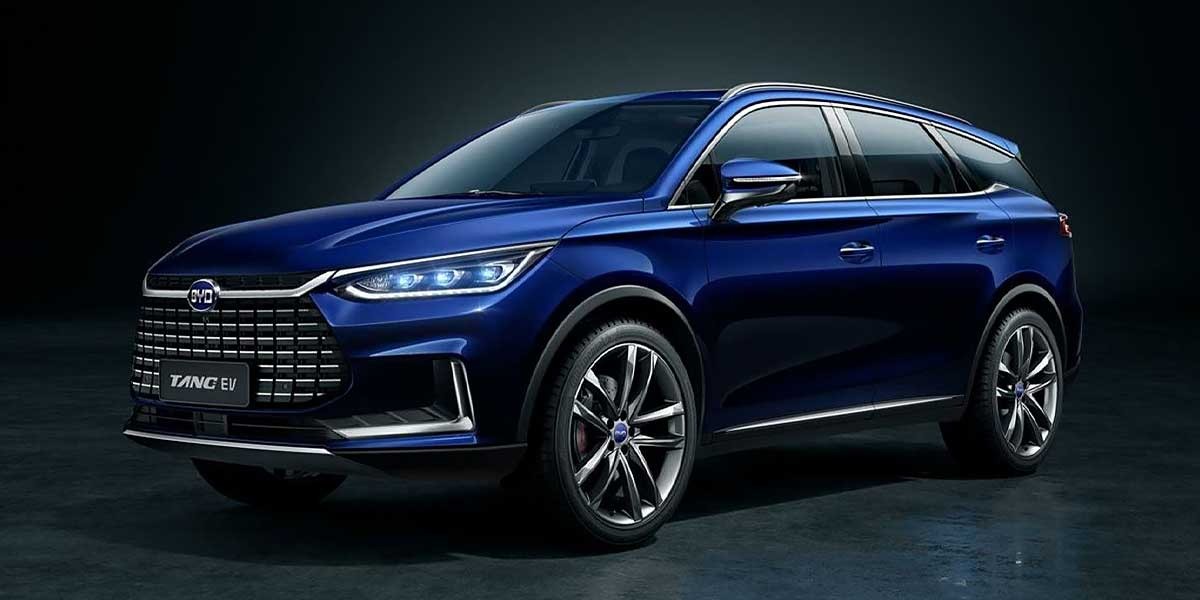
BYD’s auditorium at Shenzhen headquarters that crystallizes the strategic pivot of the world’s largest electric vehicle maker: 1.3 million. This is BYD’s target for overseas sales in 2026, a 24.3% jump from the previous year, as announced by branding chief Li Yunfei in a January media briefing. This figure is more than a goal; it is a declaration. With China’s domestic EV market showing unmistakable signs of saturation and ferocious price wars eroding margins, BYD’s relentless growth engine now depends on its ability to replicate its monumental domestic success on foreign shores. The question echoing through global automotive boardrooms is whether its expanded lineup—including the premium Denza brand—and a rapidly unfurling network of international showrooms can overcome rising geopolitical headwinds and entrenched competition.
The Meteoric Ascent: How BYD Built a Colossus
To understand the magnitude of the 2026 export target, one must first appreciate the velocity of BYD’s ascent. The company, which began as a battery manufacturer, has executed one of the most stunning industrial transformations of the 21st century. In 2025, BYD sold approximately 4.6 million New Energy Vehicles (NEVs), cementing its position as the undisputed volume leader. Crucially, within that figure lay a milestone that shifted the global order: ~2.26 million Battery Electric Vehicles (BEVs), officially surpassing Tesla’s global deliveries and seizing the BEV crown Reuters.
The foundation of this dominance is vertical integration. BYD controls its own battery supply (the acclaimed Blade Battery), semiconductors, and even mines key raw materials. This mastery over the supply chain provided a critical buffer during global disruptions and allows for aggressive cost control. However, the domestic market that fueled this rise is changing. After years of hyper-growth, supported by generous government subsidies, China’s EV adoption curve is maturing. The result is an intensely competitive landscape where over 100 brands are locked in a profit-eroding price war Bloomberg.
BYD’s 2026 Export Blueprint: From 1.05 Million to 1.3 Million
BYD’s overseas strategy is not a tentative experiment but a full-scale offensive, backed by precise tactical moves. The 2025 export base of approximately 1.04-1.05 million vehicles—representing a staggering 145-200% year-on-year surge—provides a formidable launchpad. The 2026 plan, aiming for 1.3 million units, is built on two articulated pillars: product diversification and network densification.
1. New Models and the Premium Denza Push: Li Yunfei explicitly stated the launch of “more new models in some lucrative markets,” which will include Denza-branded vehicles. Denza, BYD’s joint venture with Mercedes-Benz, represents its attack on the premium segment. Launching models like the Denza N9 SUV in Europe and other high-margin markets is a direct challenge to German OEMs and Tesla’s Model X. This move upmarket is essential for improving brand perception and profitability beyond the volume-oriented Seal and Atto 3 (known as Yuan Plus in China) Financial Times.
2. Dealer Network Expansion: The brute-force expansion of physical presence is key. BYD is moving beyond reliance on importers to establishing dedicated dealerships and partnerships with large, reputable auto retail groups in key regions. This provides localized customer service, builds brand trust, and significantly increases touchpoints for consumers. In 2025 alone, BYD expanded its European dealer network by over 40% CNBC.
The Domestic Imperative: Why Overseas Growth is Non-Negotiable
BYD’s export push is as much about necessity as ambition. The Chinese market, while still the world’s largest, is entering a new phase.
- Market Saturation in Major Cities: First-tier cities are approaching saturation points for NEV penetration, pushing growth into lower-tier cities and rural areas where consumer appetite and charging infrastructure are less developed.
- The Relentless Price War: With legacy automakers like Volkswagen and GM fighting for share and nimble startups like Nio and Xpeng launching competitive models, discounting has become endemic. This pressures margins for all players, even the cost-leading BYD The Wall Street Journal.
- Plateauing Growth Rates: After years of doubling, NEV sales growth in China is expected to slow to the 20-30% range in 2026, a dramatic deceleration from the breakneck pace of the early 2020s.
Consequently, overseas markets—with their higher average selling prices and less crowded competition—represent the most viable path for maintaining BYD’s growth trajectory and satisfying investor expectations.
The Global Chessboard: BYD vs. Tesla and the Chinese Cohort
BYD’s international expansion does not occur in a vacuum. It faces a multi-front competitive battle.
vs. Tesla: The rivalry is now global. While BYD surpassed Tesla in BEV volumes in 2025, Tesla retains significant advantages in brand cachet, software (FSD), and supercharging network density in critical markets like North America and Europe. Tesla’s response, including its own cheaper next-generation model, will test BYD’s value proposition abroad The Economist.
vs. Chinese Export Rivals: BYD is not the only Chinese automaker looking overseas. A look at 2025 export volumes reveals a cohort in hot pursuit:
- SAIC Motor (MG): The historic leader in Chinese EV exports, leveraging the MG brand’s European heritage.
- Chery: Aggressive in Russia, Latin America, and emerging markets.
- Geely (Zeekr, Polestar, Volvo): A sophisticated multi-brand approach targeting premium segments globally.
While BYD currently leads in total NEV exports, its rivals are carving out strong regional niches, making global growth a contested space Reuters.
Geopolitical Speed Bumps and Localization as the Antidote
The single greatest risk to BYD’s 2026 export target is not competition, but politics. Tariffs have become the primary tool for Western governments seeking to shield their auto industries.
- European Union: Provisional tariffs on Chinese EVs, varying by manufacturer based on cooperation with the EU’s investigation, add significant cost. BYD’s rate, while lower than some rivals, still impacts pricing.
- United States: The 100% tariff on Chinese EVs effectively locks BYD out of the world’s second-largest car market for the foreseeable future.
BYD’s counter-strategy is localization. By building vehicles where they are sold, it can circumvent tariffs, create local jobs, and soften its political image. Its global factory footprint is expanding rapidly:
- Thailand: A new plant operational in 2024, making it a hub for ASEAN right-hand-drive markets.
- Hungary: A strategically chosen factory within the EU, set to come online in 2025-2026, to supply the European market tariff-free.
- Brazil: A major complex announced, targeting Latin America and leveraging regional trade agreements.
This “build locally” strategy requires massive capital expenditure but is essential for sustainable long-term growth in protected markets Bloomberg.
Risks and the Road Ahead: Brand, Quality, and Culture
Beyond tariffs, BYD faces subtler challenges. Brand perception in mature markets remains a work in progress; shifting from being seen as a “cheap Chinese import” to a trusted, desirable marque takes time and consistent quality. While its cars score well on initial quality surveys, long-term reliability and durability data in diverse climates is still being accumulated.
Furthermore, managing a truly global workforce, supply chain, and product portfolio tailored to regional tastes (e.g., European preferences for stiffer suspension and different infotainment systems) is a complex operational leap from being a predominantly domestic champion.
Conclusion: A Calculated Gamble on a Global Stage
BYD’s 24% export growth target for 2026 is ambitious yet calculated. It is underpinned by a formidable cost structure, a rapidly diversifying product portfolio, and a pragmatic shift to local production. The slowing domestic market leaves it little choice but to pursue this path aggressively.
The coming year will be a critical test of whether its engineering prowess and operational efficiency can translate into brand strength and customer loyalty across cultures. Success is not guaranteed—geopolitical friction is increasing, and competitors are not standing still. However, BYD has repeatedly defied expectations. Its 2026 export campaign is more than a sales target; it is the next chapter in the most consequential story in the global automotive industry this decade—the determined rise of Chinese automakers from domestic leaders to dominant global players. The world’s roads are about to become the proving ground.
Discover more from The Economy
Subscribe to get the latest posts sent to your email.


Indonesia controls roughly 60% of the world’s nickel supply. A single policy reversal there in mid-2026 is now doing more to move global battery-metal prices than any OEM announcement or central bank decision — and it’s getting far less coverage than it deserves.
The whiplash, in numbers
Indonesia’s Energy and Mineral Resources Ministry began 2026 by tightening its annual mining work plan and budget quota (RKAB) sharply, cutting the approved nickel production quota to 260–270 million tons — roughly one-third lower than 2025’s approved quota of 379 million tons, according to Argus Media. That tightening, combined with a shift from three-year to annual RKAB approval cycles and a revised ore-pricing formula, pushed London Metal Exchange nickel prices to an 18-month high of $18,950 per tonne on January 29, 2026.
Now Indonesia is reportedly reversing course. The ministry has informed some miners that mid-year revisions will boost total 2026 mining quotas to 360 million tons — up from roughly 260 million tons issued in the first half — according to Bloomberg. Benchmark nickel futures dropped as much as 2.7% to $16,705 a tonne on the news, per Mining.com.
Why the whiplash happened
The tightening earlier in 2026 had real operational consequences: PT Weda Bay Nickel, formerly the world’s largest nickel ore producer, was forced to suspend output after exhausting its drastically reduced quota, per Mining.com. Eramet, Weda Bay’s operator, placed part of its mining operations into care and maintenance, and financial pressure emerged at downstream producers including Gunbuster Nickel, according to ING Think. Meanwhile, PT Vale Indonesia and other producers needed significantly higher quotas to feed new processing plants coming online — creating pressure from within Indonesia’s own downstream industry to reverse the restriction.
The reversal, if confirmed, would represent Indonesia’s first meaningful easing of nickel supply restrictions this year, according to ING Think — and underscores just how influential Indonesian policy has become for the global nickel market: “expectations around mining quotas and ore pricing have repeatedly moved prices well before any impact on actual production has materialised.”
The underreported gap between quota and reality
The most important nuance missing from most coverage: approved quotas do not automatically translate into actual production. In 2025, authorities ultimately approved a much higher RKAB than initially proposed, yet actual ore output remained well below the permitted ceiling because of operational and financial constraints, according to ING Think. Nickel output is still projected to rise 11.9% in 2026 to 2.9 million tonnes regardless of the quota back-and-forth, because much of the capacity expansion is already “built-in” from prior investment decisions, particularly by Chinese-backed firms, per Mining Technology.
The International Nickel Study Group forecasts only a modest 32,000-tonne primary nickel deficit for 2026 — a narrow enough margin that a higher RKAB could quickly erase any expected shortfall, according to ING Think.
Why this matters for EV and battery supply chains
China-led foreign direct investment has been the primary catalyst behind Indonesia’s nickel boom, financing the rapid build-out of smelters and high-pressure acid leaching (HPAL) plants used for battery-grade nickel, per Mining Technology. Global EV sales grew 21% through late 2025, with Europe up 33% and China up 19%, according to Crux Investor — sustained demand growth that means Indonesia’s supply decisions have an outsized effect on the input costs behind every EV battery pack sold globally, whether or not the end consumer or automaker ever sees the word “RKAB.”
Canada is positioning itself as a secondary supply source: Canada Nickel’s Crawford project was designated a “National-Building Project” by Prime Minister Mark Carney, targeting construction by year-end 2026 — though Crawford and comparable projects like Lifezone Metals’ Kabanga in Tanzania each represent less than 1% of the global nickel market, meaning Indonesia’s policy will remain the dominant swing factor for years, per Crux Investor.
What this means for buyers and investors
For battery manufacturers, EV makers, and commodities investors, the message is that Indonesian regulatory decisions — not mine discoveries or demand shocks — are now the primary driver of near-term nickel price volatility. Given the RKAB system’s shift to annual review cycles, expect this pattern of policy-driven price swings to repeat at least once a year going forward, rather than settling into a stable supply regime.
FAQ
What is Indonesia’s RKAB nickel quota system? RKAB (Rencana Kerja dan Anggaran Biaya) is Indonesia’s annual mining work plan and budget approval process, which sets how much nickel ore each company is permitted to produce.
Why did nickel prices rally in early 2026? Indonesia tightened its RKAB nickel quota to 260–270 million tons, down about one-third from 2025’s approved level, pushing LME nickel prices to an 18-month high of $18,950 a tonne.
Is Indonesia now increasing its nickel production quota? Reports indicate Indonesia is considering raising its 2026 quota to around 360 million tons, though the change has not been officially confirmed and remains at the discretion of the Energy Minister.
Discover more from The Economy
Subscribe to get the latest posts sent to your email.
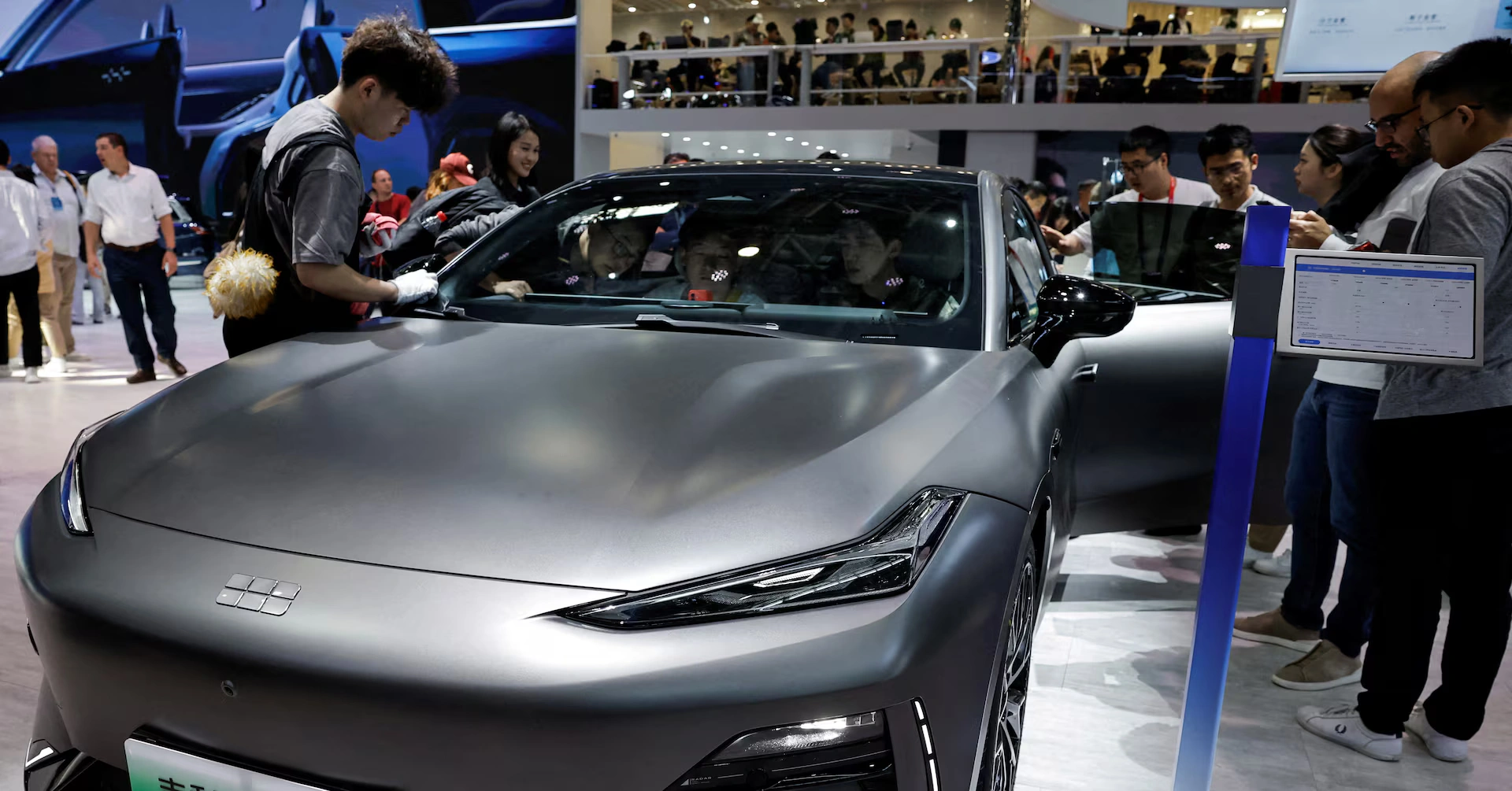
A Wuling Hongguang MiniEV rolls off a Liuzhou production line priced at $6,560. A Chevrolet Equinox EV, built four time zones away in Spring Hill, Tennessee, starts above $34,000. The gap between those two numbers is the real story of the global auto industry in 2026, and Chinese EVs are no longer a distant threat to Detroit — they are a wall the United States has built around itself, one that is already cracking at the edges in Mexico and Canada. The 100% U.S. tariff has not solved the competitiveness problem. It has only postponed the reckoning.
The Tariff Wall Is Holding, But the Perimeter Isn’t
Washington’s strategy has been simple: keep Chinese EVs out, buy American manufacturers time to catch up. The result has been a market frozen in place rather than one transformed. A 100% import tariff, first imposed by the Biden administration and kept in place by President Trump, continues to block direct retail competition between Chinese OEMs and U.S.-listed automakers on American soil. Detroit’s response has been retreat, not reinvention — General Motors and Ford have both pared back their near-term EV production targets, and the Big Three’s global market share has slid from 21.4% in 2019 to roughly 15.7% in 2025, according to reporting cited by the Detroit News.
That figure matters because it shows the tariff has protected market share at home while doing nothing to arrest the bigger loss abroad. BYD overtook Tesla as the world’s top-selling EV maker in 2025, delivering 2.26 million units against Tesla’s 1.64 million — a gap that didn’t exist five years ago and that no American tariff schedule touches, because it was won in markets the U.S. doesn’t control.
Meanwhile the wall has a side door. Canada cut its tariff on Chinese-built EVs to 6.1% in January 2026, allowing up to 49,000 vehicles a year in a deal Prime Minister Mark Carney struck directly with Beijing — reportedly in exchange for China easing its own tariffs on Canadian canola oil. The quota is expected to climb roughly 6% annually, reaching 70,000 within five years. BYD now has a partial North American foothold without ever crossing the U.S. border.
The headline number is almost absurd by American standards. Five of China’s best-selling EVs sit in a $10,000 to $12,000 price band, while the average new car in the U.S. now costs roughly $50,000 — more than four times as much. The Wuling Hongguang MiniEV anchors the bottom of that stack at $6,560, and Geely’s EX2 populates the $8,000–$12,000 tier with a full feature set; auto analyst Felipe Munoz has pointed to the EX2’s interior quality and use of cabin space as evidence that the price gap isn’t simply a subsidy illusion.
That price advantage is not a temporary distortion of currency or labor costs. It is structural. China’s three best-selling EV brands — BYD, Wuling, and Geely — received approval for 83 new passenger car models collectively in the twelve months to October 2025. Volkswagen received approval for six. Nissan got two. That isn’t a difference in effort; it’s a difference in industrial architecture — state subsidy, vertical integration across the battery supply chain, and a domestic manufacturing base operating at a scale Western automakers have never built. A 2024 AlixPartners report found Chinese EV models reach market two to three years faster than non-Chinese brands, a velocity gap tariffs delay but cannot erase.
Three numbers explain why this matters beyond price tags:
- 16 million — electric cars China produced in 2025, roughly 20% more than domestic demand absorbed, according to the International Energy Agency, pushing the surplus into export markets.
- 75% — China’s share of global EV manufacturing capacity.
- 40% — China’s share of global EV trade volume.
China isn’t just making cheaper cars. It’s making more of them than its own market can absorb, and that surplus is finding doors the United States hasn’t fully sealed — Mexico, where Chinese vehicles briefly captured a quarter of total sales before a new 50% tariff took effect in January 2026, and Canada, where the door is now deliberately ajar.
Why a 100% Tariff Hasn’t Produced American Competitiveness
Does the US tariff on Chinese EVs actually protect American carmakers long-term?
The tariff protects domestic sales volume in the short term but does not address the underlying cost and innovation gap. It has allowed GM, Ford, and Tesla to avoid building lower-priced models, leaving them structurally unprepared for competition whenever the tariff wall is lowered, bypassed regionally, or rendered irrelevant by Chinese manufacturing on North American soil.
That’s the uncomfortable analytical truth underneath the trade statistics. A protective tariff only works if the protected industry uses the breathing room to close the gap it’s being shielded from. Instead, the opposite has happened. Without Chinese competition forcing their hand, U.S. manufacturers — even Tesla, the supposed EV pioneer — have concentrated on affluent buyers rather than developing the lower-priced, lower-margin vehicles that would broaden the market. Tesla has, by its own public framing, become more focused on robotaxis and humanoid robots than on delivering new affordable models.
That’s a strategic choice with consequences. EV sales in the U.S. have softened since Biden-era tax credits expired, and the national charging buildout has underdelivered. Ford and GM have both announced significant pullbacks to their EV ambitions — not because Chinese cars are competing with them directly, but because the broader market the tariff was meant to nurture hasn’t matured the way policymakers hoped.
There’s also a quieter erosion happening through software, not steel. Volvo recently received U.S. government approval to continue selling vehicles running Chinese-developed and maintained software, even after a Biden-era rule targeting companies with significant Chinese ownership took effect in March 2026. The tariff wall was built for hardware. It was never designed for code.
The next phase of this story isn’t about whether Chinese EVs reach North America — they already have, through Mexico and now Canada. It’s about whether they reach the United States, and how.
Direct imports of Chinese-made EVs into the U.S. remain highly unlikely in the near term given the political weight the United Auto Workers carries in swing-state politics, and given the bipartisan security concerns that have hardened, not softened, since 2024. But a joint-venture manufacturing arrangement — Chinese EVs built on U.S. soil, with U.S. labor, under licensing or partnership structures — is increasingly treated as plausible by industry analysts. Ford has reportedly explored ties with Geely, and the Trump administration’s rhetoric toward Chinese EV plants in the U.S. has at times sounded more welcoming than the tariff policy it inherited suggests.
For policymakers, the second-order effect is a credibility problem. Stellantis, which owns Dodge, Chrysler, Jeep, and Ram alongside several European brands, now competes in a hemisphere where its northern and southern neighbors are taking opposite approaches — Canada opening a narrow channel, Mexico closing one. A North American auto market that operated for three decades as a single integrated zone under NAFTA and its successor is fragmenting into three different tariff regimes for the same category of vehicle. That complicates supply chains for every automaker with cross-border plants, not just the ones trying to sell EVs.
For American consumers, the implication is more direct and less abstract: continued exclusion from a global product category that is, by most independent measures, cheaper, more feature-rich, and evolving faster than its domestic alternative. The Council on Foreign Relations has framed this gap in stark terms — China’s EV producers have “taken the world by storm” in a way that poses a structural threat to an American auto industry still organized around a century-old product architecture.
Not everyone agrees the tariff is a mistake. The dominant counter-argument, voiced consistently by the UAW and echoed across both political parties, rests on national security and industrial-base preservation: allowing subsidized Chinese EVs unrestricted access to the U.S. market wouldn’t just compress American automaker margins — it could hollow out domestic manufacturing employment in a politically and economically sensitive sector, the way Japanese and South Korean competition reshaped Rust Belt manufacturing in the late twentieth century, but compressed into a far shorter timeline.
There’s also a more technical objection. Critics of liberalization point to the gap between the 100% tariff’s stated justification — countering Chinese state subsidies — and the scale of the subsidies themselves. Trade economists at Bruegel have noted the tariff rate implies that half the cost of a Chinese EV is government-funded, a claim that exceeds most independent estimates of actual subsidy levels, suggesting the policy may be doing more political signaling than precise economic correction.
Energy economist James Sallee of UC Berkeley represents the opposing camp most bluntly: he argues the Canada-China deal demonstrates that simply allowing the world’s most popular EVs to compete directly in North America would expand consumer access and accelerate decarbonization, without the U.S. needing to wait for Detroit to catch up on its own.
The contest over Chinese EVs was never really about a single number on a customs form. It’s about whether an industrial strategy built on exclusion can substitute for one built on competitiveness — and five years into the experiment, the evidence is uneven at best. The tariff has done exactly what it promised: it has kept Chinese-badged cars off American driveways. It has not done what its architects implied it would: force U.S. automakers to build something that could win on price, speed, or software if the wall ever came down.
That wall is no longer airtight. It has a 49,000-vehicle gap in Canada, a software loophole at Volvo, and a Mexican border where tariff rates are being renegotiated under pressure rather than settled by policy. None of those cracks amount to collapse. But they are the shape of how trade walls usually fail — not all at once, but at the edges, until the center can no longer hold the line it was built to protect.
America’s carmakers don’t have to compete with Chinese EVs today. That is not the same as being able to avoid it indefinitely.
Discover more from The Economy
Subscribe to get the latest posts sent to your email.
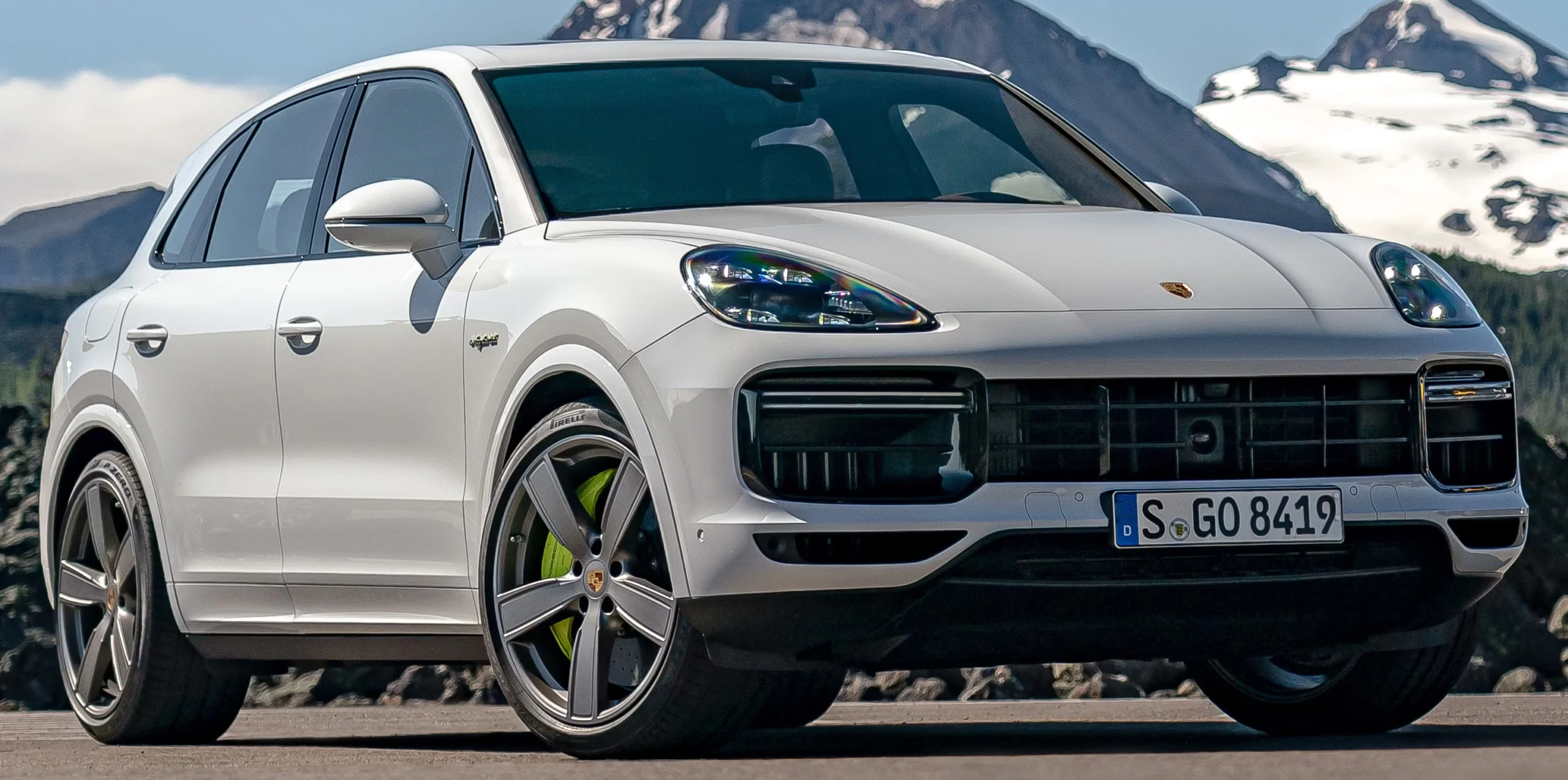
At Gaydon, Warwickshire, on June 17, 2026, Jaguar Land Rover’s chief executive, PB Balaji, told a room of bondholders, banks and Tata Motors investors that the carmaker’s American future runs less through the charging cable than through old-fashioned petrol — and plenty of it. JLR’s strategy now targets US millionaires and billionaires with hybrid and petrol-powered Range Rovers and Defenders, betting that buyers who don’t blink at six-figure price tags also won’t blink at Donald Trump’s tariffs. It’s a reversal five years in the making. Shares in Tata Motors Passenger Vehicles fell more than 8% on the day.
The timing isn’t accidental. JLR is still digging out from a cyberattack that the UK’s Cyber Monitoring Centre called the most economically damaging cyber event in the country’s history — a five-week production shutdown last September that cost an estimated £1.9 billion and rippled through more than 5,000 supplier firms. Layer on a 25% US import tariff imposed in April 2025, later trimmed to 10% for UK-built cars under a bilateral trade deal but left higher for Slovak-built Defenders, and the arithmetic of selling cars in America turned brutal. JLR’s full-year results for FY26, posted on its own investor relations site, explain why patience has worn thin: revenue of £22.9 billion, wholesale volume down 23.2% on the previous year, and an EBIT margin of just 0.7%. Against that backdrop, doubling down on wealthy, price-insensitive American buyers looks less like ambition and more like survival.
Inside JLR’s Plan to Win Over America’s Millionaires and Billionaires
At the heart of Wednesday’s presentation was a structure JLR calls House of Brands: four distinct identities — Range Rover, Defender, Discovery and Jaguar — each pursuing a different relationship with the battery. Jaguar alone goes fully electric, built on a new Electric Modular Architecture (EMA) at Halewood, Merseyside, with the first Type 01 grand tourer due this year. Range Rover, Defender and Discovery keep what JLR calls propulsion flexibility: mild hybrid, full hybrid, plug-in hybrid and battery-electric variants sold side by side for as long as customers want them.
That flexibility is the real story. Trade publication WardsAuto reported that JLR now frames hybrid and combustion models as a deliberate bridge while battery-electric versions catch up with demand, not a stopgap to be abandoned the moment EV sales improve. That’s a marked change in tone from 2021, when JLR’s original Reimagine strategy promised Jaguar would lead an electric-only future for the entire group.
North America sits at the center of the new plan. Balaji told reporters that rising demand for luxury goods, paired with strong brand loyalty, points to real growth potential in the region, and singled out Defender as a candidate for new high-end variants tailored to American buyers. JLR is already exploring how to make that happen on the ground: a non-binding memorandum of understanding signed with Stellantis weeks earlier opens the door to building Defender-style vehicles on US soil, sidestepping import tariffs altogether, according to bmmagazine.
JLR laid out the financial logic in hard numbers:
- £3.7 billion in near-term investment, much of it aimed at next-generation Range Rover and Range Rover Sport electric variants and the Jaguar Type 01
- £1.7 billion in cost savings over two years, intended to push the company’s breakeven point down from 350,000 units to roughly 300,000
- A 4% EBIT margin target for FY27 — modest by historic JLR standards, but a clear improvement on FY26’s 0.7%
- An £18 billion investment commitment running through FY29, unchanged despite the turbulence
What JLR’s Hybrid and Petrol Strategy Reveals About the Luxury EV Slowdown
JLR isn’t alone in pulling back. Auto Express noted that Porsche has abandoned its target of selling 80% electric vehicles by 2030, reintroducing hybrid and petrol models; Lamborghini converted a planned electric model into a hybrid; and Bentley pushed back its first all-electric SUV by roughly a year. The pattern across the ultra-luxury tier is consistent: brands that promised an electric-only future are buying themselves more time with combustion and hybrid power, in precisely the price bracket JLR is now chasing.
Why Is JLR Targeting Millionaires and Billionaires in the US?
Wealthy American buyers are largely indifferent to tariff-driven price increases, and the US supplies more than a quarter of JLR’s global revenue. With roughly 20 million American millionaires and a record 989 US billionaires per Forbes’ 2026 list, JLR sees more durable margins in fewer customers than in volume.
The logic traces back further than this week. Carscoops reported in 2023 that then-chief-executive Adrian Mardell first floated the idea of chasing America’s millionaire class rather than competing on volume, pointing to Jaguar’s stronger, wealthier customer base in the 1990s. What’s changed under Balaji is the scope: the millionaire pitch now spans the whole House of Brands, not just a reinvented Jaguar, and it comes paired with an explicit hybrid-and-petrol commitment rather than a promise that EVs alone would carry the group upmarket.
Yet the electric ambition hasn’t disappeared — it’s been re-sequenced. Jaguar’s first EMA-based product and a Range Rover Electric variant are both due this year, giving JLR a foot in both camps: electric halo cars to prove technological credibility, and combustion-hybrid volume to keep the balance sheet alive while battery costs and US charging infrastructure catch up with the company’s own ambitions.
The Second-Order Effects: Suppliers, Rivals and the UK’s Manufacturing Base
The shift carries consequences well beyond JLR’s own balance sheet. The company’s UK supply chain, still recovering from last year’s cyberattack, depends on stable production volumes to absorb fixed costs; the Bank of England said the production halt alone shaved 0.17 percentage points off UK GDP in September 2025, a reminder of how tightly JLR’s fortunes are woven into Britain’s industrial output. A pivot toward hybrid and petrol variants, which draw on more conventional and more diversified parts than battery-electric platforms, could ease some of that pressure by spreading orders across a wider supplier base rather than concentrating them on battery and motor specialists.
For competitors, JLR’s move sharpens an emerging two-speed market in luxury vehicles. BMW, Mercedes-Benz and Porsche all manufacture inside the United States, face a smaller tariff penalty as a result, and can afford to keep pushing electric models without the same urgency to lean back on combustion. JLR, lacking US factories, doesn’t have that luxury. Its discussions with Stellantis about American production are as much about tariff arithmetic as about market positioning — and a sign of how seriously the company takes the cost gap. Automotive News has separately reported that JLR absorbed a $520 million tariff hit in the US even after raising prices, underlining just how exposed the company remains without domestic assembly.
For policymakers, the implications cut two ways. A renewed reliance on combustion and hybrid technology buys JLR time but complicates the UK’s own net-zero ambitions for vehicle manufacturing, given the company’s outsized share of British car output. In Washington, the strategy amounts to a quiet vote of confidence that tariff policy, disruptive as it’s been, hasn’t driven JLR out of the US market. Instead, the company is reorganizing around it — exploring domestic assembly through Stellantis and leaning into the one customer segment tariffs can’t easily touch. Small and medium-sized JLR suppliers, many of whom received emergency financing after the cyberattack, stand to benefit most directly from steadier production, since a wider, more flexible model range generally means more predictable order volumes than a high-stakes bet on EV-only output timed against uncertain demand.
The Skeptics’ Case: Is This Strategic Patience or Retreat?
Not everyone reads JLR’s pivot as prudence. Critics within the industry argue that five years after Reimagine promised an electric-only Jaguar and a rapidly electrifying Land Rover lineup, repeated delays to the Range Rover Electric and now an explicit embrace of petrol and hybrid power for growth read less like sequencing and more like retreat. The brand froze sales of some combustion Jaguar models in 2024 to clear room for its rebrand, only to lean on hybrid and petrol Land Rover products two years later to hit growth targets — a contradiction that gives ammunition to those who say the original electric-only timeline was unrealistic from the start.
There’s also a balance-sheet argument against complacency. JLR’s FY26 free cash flow was negative £2.2 billion, and an EBIT margin target of just 4% for FY27 remains well below the 10% management once promised before tariffs and the cyberattack intervened. Tata Motors Passenger Vehicles’ 8% share-price drop on results day suggests investors share some of that skepticism, even as they welcome a more conservative breakeven target.
JLR’s defenders counter that hybrid and petrol sales are simply more profitable than EVs at current battery costs, and that doubling down on America’s wealthiest buyers — rather than racing rivals toward mass-market EV volume — is the only credible path back to double-digit growth. That said, the next two years of delivery, not Wednesday’s slide deck, will settle the argument.
The tension at the heart of JLR’s announcement isn’t really about batteries versus engines. It’s about whether a heritage luxury group, still recovering from the costliest cyberattack in UK history and squeezed by an American tariff regime built for an earlier kind of trade war, can buy itself enough time with the wealthy to outlast the slower parts of the electric transition. Balaji is betting that America’s millionaires and billionaires, insulated from sticker shock by definition, are patient enough to wait while charging infrastructure and battery economics catch up. Mardell made a version of the same bet in 2023, before tariffs, before the breach, before a 23% drop in wholesale volumes. What’s different now is the size of the wager. JLR isn’t just reaching upmarket anymore — it’s reorganizing its entire House of Brands around the proposition that scarcity, not scale, is the only luxury strategy still standing.
Discover more from The Economy
Subscribe to get the latest posts sent to your email.

Andy Burnham, UK Gilts and Mortgages: July 2026 Explainer

Pakistan’s 2026 Monsoon Floods Threaten Fragile Economic Recovery as Inflation Nears 9%

Pakistan Gulf Investment Outflows 2026: Peace Deal Stakes Explained

Canada Trade Diversification 2026: China, Indonesia, UAE Deals Explained

US Forced-Labour Tariffs on 60 Countries: The Hidden Trade Shock of 2026

Global Central Banks 2026: Fed, BoE and BoJ Decisions Could Reshape Markets

Gulf Capital Retreat From Pakistan 2026: UAE Loan Freeze & What It Means

Pakistan’s Most Reliable Export Is Its People: Remittances Hit $41.6 Billion, Overtaking Total Exports

Indonesia’s Confidence Problem: Record Investment, a Sinking Rupiah, and a Widening Credibility Gap

Down But Not Out: Inside the Slow Sinking of Russia’s War Economy

China’s Growth Slips to a Four-Year Low: Why Beijing Still Won’t Pull the Stimulus Trigger

The Johor-Singapore Corridor: How Malaysia Became Southeast Asia’s AI Infrastructure Powerhouse

Canada’s Economy ‘On Pause’: Inside the CUSMA Deadline That Passed Without a Deal

Dubai’s Millionaire Magnet: How the UAE Turned Middle East Turmoil Into a Capital Safe-Haven Boom

Carry Trade Unwind 2026: How the Yen’s Snapback Triggered a Global Margin Call

AI Bubble Warning 2026: Why BIS, IMF and Bank of England Fear a Market Crash

BRICS De‑Dollarization Strategy Takes Shape with $15 Billion Local‑Currency Push

The AI Super Bubble Is Ready to Burst

Russia Bans Diesel Exports 2026: Global Fuel Market Impact Explained

Strait of Hormuz Blockade 2026: Oil Prices Surge 9% as US-Iran Conflict Reignites

Private Credit Warning: Most BDCs Turn Unprofitable in 2026, Reuters Finds

Bitcoin $150k Milestone Achieved as US Sovereign Crypto Pivot Looms

IMF Cuts Pakistan Growth Forecast, Raises Inflation to 8.4%
Gulf Capital Retreat From Pakistan 2026: UAE Loan Freeze & What It Means

India Economic Rise 2026: How the Subcontinent Toppled Japan

Strait of Hormuz 2026: Why Markets Still Don’t Trust It’s Open

China Housing Market Turnaround: White‑List Model Stabilises Prices

Chipmakers Just Lost 6.7% in Two Days: Inside the Great AI Trade Rotation
-

 Markets & Finance7 months ago
Top 15 Stocks for Investment in 2026 in PSX: Your Complete Guide to Pakistan’s Best Investment Opportunities
-

 Analysis5 months ago
Johor’s Investment Boom: The Hidden Costs Behind Malaysia’s Most Ambitious Economic Surge
-

 Analysis5 months ago
Top 10 Stocks for Investment in PSX for Quick Returns in 2026
-

 Analysis6 months ago
Brazil’s Rare Earth Race: US, EU, and China Compete for Critical Minerals as Tensions Rise
-

 Banks6 months ago
Best Investments in Pakistan 2026: Top 10 Low-Price Shares and Long-Term Picks for the PSX
-

 Investment7 months ago
Top 10 Mutual Fund Managers in Pakistan for Investment in 2026: A Comprehensive Guide for Optimal Returns
-

 Global Economy7 months ago
15 Most Lucrative Sectors for Investment in Pakistan: A 2025 Data-Driven Analysis
-

 Global Economy7 months ago
Pakistan’s Export Goldmine: 10 Game-Changing Markets Where Pakistani Businesses Are Winning Big in 2025