
ASEAN
Southeast Asia’s 2026 Economic Outlook: 8 Key Opportunities (and Risks) Reshaping the Region

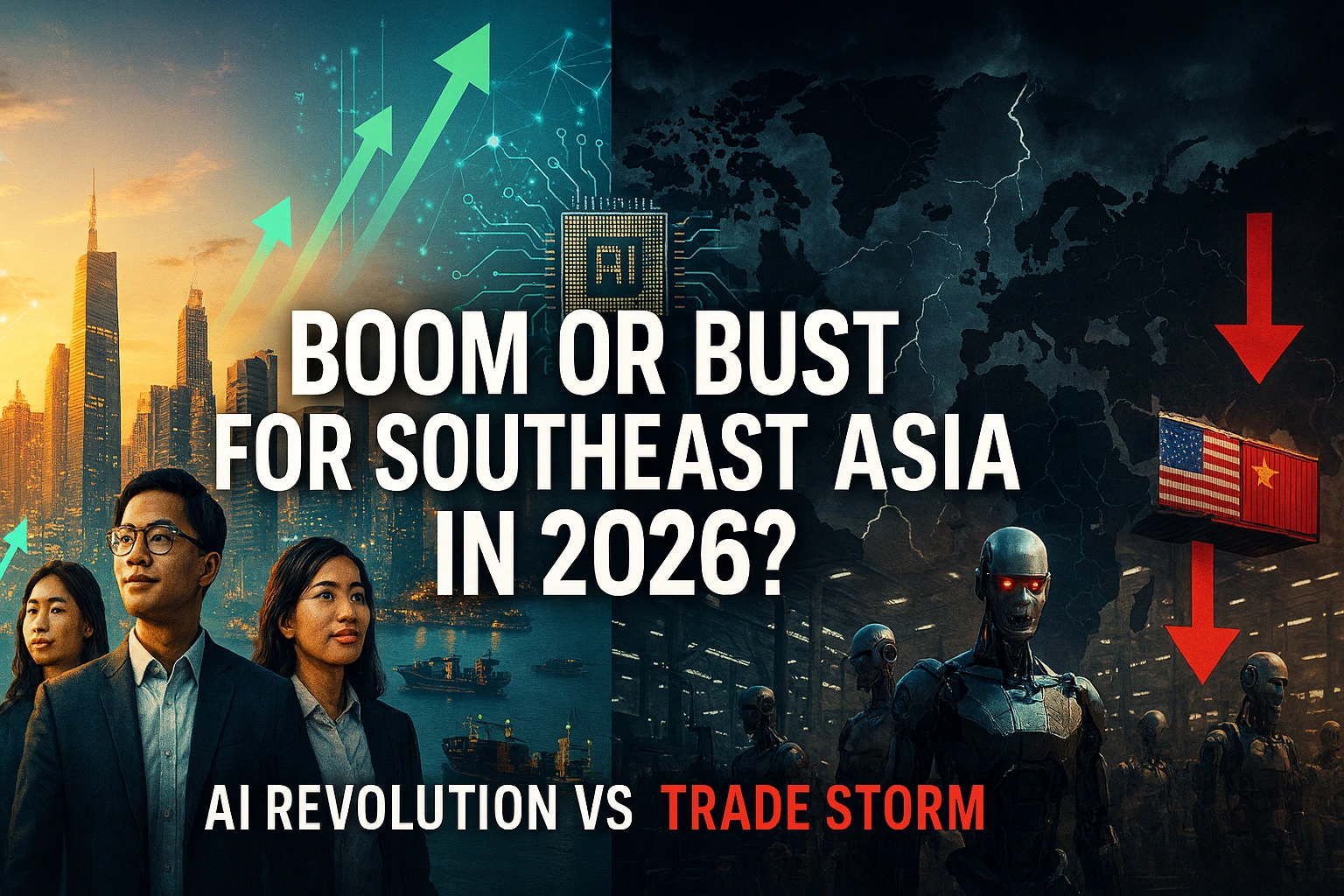
In the plush conference rooms of Davos this January, a question hung in the air above every discussion of Southeast Asia: Is ASEAN moving fast enough? The region stands at a crossroads where artificial intelligence promises productivity gains, yet threatens job displacement; where trade tensions create diversification opportunities, yet expose supply chain vulnerabilities; where digital transformation could unlock trillions in value, yet widens inequality if poorly managed.
At the World Economic Forum panel moderated by The Straits Times, Thailand’s Deputy Prime Minister Ekniti Nitithanprapas sketched three “mega shifts” dominating the global conversation: geopolitics, AI transformation, and climate change. Indonesia’s Digital Affairs Minister Meutya Viada Hafid pushed back on the speed question itself, noting that for a nation of 280 million people across 17,000 islands, pace cannot be separated from inclusivity. Meanwhile, Asian Development Bank President Masato Kanda acknowledged that while AI offers significant productivity gains, it carries social risks if not managed carefully.
The tension is palpable. Southeast Asia’s 670 million people and $3.8 trillion economy represent one of the world’s most dynamic growth stories, yet the region faces unprecedented challenges. On one hand, companies like Indonesia’s Kopi Kenangan—which grew from a single Jakarta storefront in 2017 to over 1,200 locations and unicorn status—demonstrate the entrepreneurial dynamism coursing through ASEAN markets. The coffee chain’s CEO Edward Tirtanata epitomizes a generation of founders leveraging mobile-first commerce and localized AI-powered operations to scale rapidly across borders.
On the other, the numbers tell a more nuanced story. The Asian Development Bank’s December 2025 outlook projects Southeast Asia’s GDP growth at 4.5% in 2025 and 4.4% in 2026—revised upward from earlier forecasts, but down from the 4.7% originally anticipated for both years. The IMF’s January 2026 World Economic Outlook maintains global growth at 3.3% for 2026, while the World Bank’s latest projections for East Asia and the Pacific region show growth slowing to 4.4% in 2026 and 4.3% in 2027.
Behind these aggregate figures lies extraordinary heterogeneity. Vietnam’s growth is expected at 6.0% in 2026, driven by robust exports and technology-led manufacturing. Indonesia anticipates 5.1% growth, supported by domestic consumption and strategic positioning in AI-era mineral supply chains. Singapore, having grown 5.7% year-on-year in Q4 2025, faces moderation but remains Southeast Asia’s AI investment hub. Meanwhile, the Philippines confronts infrastructure bottlenecks, and Malaysia navigates semiconductor sector opportunities alongside automotive tariff pressures.
The region’s diversity—once seen as a weakness—is increasingly viewed as a strategic asset. At Davos, panelists emphasized ASEAN’s neutrality and growing resilience as advantages in a fragmenting global order. As Jaime Ho, editor of The Straits Times, noted, middle powers benefit from alliances with like-minded nations rather than becoming client states of superpowers. Singapore, Ho observed, has “possibly been the best at this”—maintaining deep economic ties with China while serving as America’s closest military ally in the region.

Yet moving forward requires Southeast Asia to confront eight critical dynamics that will determine whether 2026 marks an inflection point toward shared prosperity or deepening fragmentation. These opportunities and risks—from AI-driven productivity to geopolitical escalation—demand policy agility, private sector adaptability, and regional coordination at a scale the bloc has rarely achieved. The stakes could not be higher: get it right, and ASEAN could capture a disproportionate share of 21st-century growth; get it wrong, and the region risks falling behind in the very technologies and trade relationships that will define competitiveness for decades.
1. How AI Can Supercharge Southeast Asia’s Productivity in 2026
The productivity multiplier that could redefine regional competitiveness
Artificial intelligence is no longer a distant promise for Southeast Asia—it’s actively reshaping how businesses operate, governments deliver services, and consumers interact with the digital economy. In 2026, AI adoption is accelerating at unprecedented speed, with ASEAN+ enterprises planning to increase AI spending by 15% on average, covering generative AI, agentic AI, cloud-based services, and on-premises infrastructure.
The opportunity is staggering. Singapore alone is investing S$270 million (approximately $200 million) in next-generation supercomputing infrastructure, with the National Supercomputing Centre’s ASPIRE 2A+ system harnessing NVIDIA H100 GPUs to deliver 20 PetaFLOPS of compute power. The city-state’s AI market is projected to grow from $1.05 billion in 2024 to $4.64 billion by 2030—a 28.10% compound annual growth rate. For generative AI specifically, growth is even more dramatic: from $0.52 billion to $5.09 billion, representing a stunning 46.26% CAGR.
This investment is translating into tangible gains. Financial institutions are leading the charge: OCBC Bank now makes 6 million AI-powered decisions daily, targeting 10 million by 2025, while deploying OCBC GPT to all 30,000 employees globally. In manufacturing, Vietnam’s electronics sector is using AI to optimize quality control and supply chain logistics, contributing to the country’s emergence as a critical node in semiconductor production. Malaysia’s electrical and electronics sector—accounting for roughly 40% of total exports—is integrating AI across design, testing, and production processes.
The regional AI ecosystem is maturing rapidly. Singapore is developing SEA-LION (Southeast Asian Languages in One Network), an open-source large language model trained on 11 regional languages including Malay, Thai, Vietnamese, and Indonesian. By 2026, SEA-LION is expanding to 30-50 billion parameters with text-to-image and text-to-speech capabilities, specifically designed to handle the low-resource languages and context-switching essential in Southeast Asia’s multilingual societies. This contrasts sharply with English-centric models that often fail to capture regional nuance.
The business case is compelling. According to Salesforce’s 2026 predictions, 94% of customers who observe an AI agent in a chat window engage with them, while monthly interactions between employees and AI agents grew by 65% in the first half of 2025. The Philippines is positioning itself to evolve from a service-oriented economy into a knowledge-driven innovation hub through AI-enhanced productivity. Indonesia’s Kopi Kenangan attributes its rapid expansion—opening one store per day—partly to AI-driven demand forecasting, inventory optimization, and mobile-first ordering systems where 70% of transactions flow through AI-enhanced apps.
Infrastructure is scaling to match ambition. The J.P. Morgan Private Bank 2026 Asia Outlook notes that Asia-Pacific is on track to become the world’s largest data center market before 2030, with Singapore maintaining the lowest vacancy rate in the region at just 1.4% while deploying an additional 80MW capacity between 2026 and 2028. Malaysia and Thailand are rapidly expanding data center infrastructure to support AI workloads, with Google signing solar power purchase agreements in Malaysia specifically to supply regional data center operations.
The productivity gains extend beyond high-tech sectors. In agriculture, Thai farmers are using AI-powered analytics to optimize crop yields and predict pest outbreaks. Vietnamese logistics companies employ machine learning to reduce delivery times and fuel costs. Indonesian fintech platforms leverage AI for credit scoring in populations traditionally underserved by banks, expanding financial inclusion while managing risk.
Yet the opportunity demands coordinated action. The January 2026 Hanoi Digital Declaration, adopted at the 6th ASEAN Digital Ministers’ Meeting, commits member states to “accelerate Digital Economy Integration through development of interoperable Digital Public infrastructure” and “leveraging AI and digital analytics to anticipate emerging skill needs.” Japan has joined this effort, pledging cooperation on AI model co-development and comprehensive AI governance frameworks tailored to regional priorities.
The evidence is clear: AI represents Southeast Asia’s most significant productivity opportunity in a generation. Countries that successfully deploy AI across sectors—from manufacturing to services to agriculture—while simultaneously developing local talent and infrastructure will capture disproportionate economic gains in 2026 and beyond.
2. Job Displacement Risks in Manufacturing: The Dark Side of Automation
When efficiency gains create human costs
While AI promises productivity gains, it simultaneously threatens to displace millions of workers across Southeast Asia’s manufacturing heartland. The World Economic Forum projects that almost 40% of existing skillsets will be transformed or made obsolete by 2030—a transition compressed into just four years that could leave swaths of workers behind.
The risk is particularly acute in labor-intensive manufacturing sectors that have defined ASEAN’s export success. Vietnam’s textiles and garments industry, employing millions, faces automation pressures as global brands demand faster turnaround times at lower costs. Cambodia’s 800,000 garment workers—the backbone of the nation’s economy—confront similar threats. In Thailand, factory closures are already emerging: over 2,000 facilities shut down in 2025, partly due to floods of cheap Chinese imports but also reflecting automation trends that reduce labor needs.
The numbers are sobering. According to World Bank analysis, while most jobs exposed to AI are complementary rather than substitutable (only 7% face direct displacement risk), the concentrated impact on specific sectors and demographics creates severe adjustment challenges. Workers in repetitive assembly, quality control inspection, and basic data entry face the highest displacement probability. These tend to be lower-skilled, lower-wage positions disproportionately held by women and rural migrants—populations with fewer resources to retrain or relocate.
Indonesia illustrates the complexity. As the country positions itself as a critical supplier of nickel for AI-era batteries and semiconductors, traditional mining employment patterns are shifting. Automated extraction and processing require fewer workers with different skillsets, potentially displacing communities that have depended on resource extraction for generations. President Prabowo Subianto’s ambitious 8% annual growth target relies heavily on industrial expansion, yet achieving this through automation could create a political backlash if job creation lags.
The Philippines faces a distinct challenge. Long positioned as the world’s call center capital, employing over 1.3 million in business process outsourcing, the nation now confronts AI-powered chatbots and natural language processing systems that can handle routine customer service inquiries more efficiently than human agents. While higher-value analytical and creative roles remain secure, entry-level positions—traditionally a pathway to middle-class stability for college graduates—are eroding.
Malaysia’s experience offers both warning and hope. The country’s manufacturing sector has been investing in automation for years, particularly in electronics. Initially, this displaced workers, but over time, the transition created demand for technicians, engineers, and specialists who maintain and program automated systems. The key difference: significant investment in technical education and retraining programs. Workers who could transition to higher-skilled roles found opportunities; those who couldn’t faced prolonged unemployment or precarious informal work.
Singapore’s approach provides a potential model. The government’s SkillsFuture initiative provides subsidies and programs for continuous reskilling, while the TIP Alliance has secured 800+ tech job commitments for polytechnic graduates. Companies like AWS commit to training 5,000 individuals annually through 2026, while Microsoft’s Asia AI Odyssey targets 30,000 developers across ASEAN. Remarkably, 81% of Singapore businesses plan to increase AI training investment in the next 6-12 months.
Yet Singapore’s per capita resources and small population make its programs difficult to replicate at Indonesia’s or Vietnam’s scale. The challenge intensifies in countries with large rural populations, limited social safety nets, and education systems ill-equipped to deliver rapid reskilling. The risk is not merely economic but political: displaced workers fuel populist movements, protectionist policies, and social unrest that could derail the very reforms needed to sustain competitiveness.
The ADB’s December 2025 outlook explicitly warns that “AI offered significant productivity gains but also carried social risks if not managed carefully.” Indonesia’s Digital Affairs Minister Hafid emphasized at Davos that inclusion cannot be separated from speed—a recognition that leaving populations behind creates instability that ultimately slows development.
The path forward requires unprecedented coordination between governments, businesses, and educational institutions. Countries must simultaneously embrace automation to remain competitive while investing massively in retraining programs, strengthening social safety nets, and creating new employment pathways. Those that succeed will harness AI’s productivity gains without fracturing their societies. Those that fail risk social instability that could undermine decades of development progress.
3. Trade Diversion from US-China Tensions: ASEAN’s Unexpected Windfall
How geopolitical rivalry is reshaping supply chains in Southeast Asia’s favor
The US-China trade war, far from ending, has intensified into a defining feature of the global economic landscape—and Southeast Asia is emerging as the primary beneficiary. What began as tariff skirmishes has evolved into fundamental supply chain reconfiguration, with ASEAN positioned at the center of a massive reallocation of manufacturing capacity and foreign direct investment.
The numbers tell the story. According to Al Jazeera’s analysis of census data, Vietnam’s US trade deficit for goods rose more than $20 billion—from $123.4 billion in 2024 to $145.7 billion in 2025—despite facing a 20% reciprocal tariff. This isn’t simply Chinese goods being rerouted through Vietnam (though that occurs); rather, there’s been “a more fundamental reconfiguration of supply chains,” with ASEAN importing more machinery and intermediate goods from China for production of electronics and consumer goods ultimately destined for US markets.
The tariff architecture creates clear winners and losers within ASEAN. The Lowy Institute’s detailed analysis reveals that while headline reciprocal tariff rates appear devastating—Cambodia, Malaysia, the Philippines, Thailand, and Indonesia all face 19% tariffs, Vietnam 20%—effective tariff rates tell a different story. Malaysia faces only an 11% effective rate (compared to 0.6% in 2024) because approximately half its exports are electronics products currently exempt from reciprocal tariffs. Singapore, the Philippines, Thailand, and Vietnam enjoy similar advantages.
The strategic implication is profound: major ASEAN economies have seen their tariff advantage over China in the US market increase significantly. While China faces combined tariffs exceeding 60% on many products, ASEAN nations maintain market access at substantially lower rates. This differential is driving unprecedented investment flows.
HSBC believes that after years of subdued foreign direct investment, US-China trade tensions have been “a game-changer for the whole ASEAN region.” The ASEAN-6 (Indonesia, Malaysia, the Philippines, Singapore, Thailand, and Vietnam) now captures 14.5% of global FDI—with 65% flowing to Singapore, which serves as both manufacturing hub and regional headquarters location. The city-state’s 10% baseline tariff (lower than most Asian peers) combined with its sophisticated financial services and logistics infrastructure makes it a magnet for companies diversifying from China.
Vietnam has emerged as the clearest beneficiary. The country increasingly functions as a “connector economy,” facilitating trade flows between the US and China. As corporations diversify production away from China, Vietnam absorbs manufacturing activity tied to US end-demand while continuing to source intermediate inputs from China. Samsung, Nike, Intel, and dozens of other multinationals have expanded Vietnamese operations, creating a sophisticated electronics and consumer goods manufacturing ecosystem. The country’s 6.7% growth projection for 2025 and 6.0% for 2026 reflects this momentum.
Indonesia plays a more upstream but increasingly critical role. As the world’s largest nickel producer (59% of global production), Indonesia is positioning itself at the heart of the AI-era battery and semiconductor supply chains. The country’s 79% commodity export composition increasingly aligns with digital economy needs, transforming it from a raw materials supplier to a strategic contributor to the global AI ecosystem. President Prabowo’s administration is leveraging this advantage, with the IMF raising Indonesia’s 2026 growth forecast to 5.1%.
Malaysia’s semiconductor sector offers another compelling case. With electronics and electrical components accounting for 40% of exports (semiconductors comprising 65% of that), Malaysia has captured significant investment from firms diversifying from concentration risks in Taiwan and China. The country’s mature industrial base, skilled workforce, and strategic location make it an attractive alternative. The Star reports that Singapore’s HSBC economist Yun Liu sees diversification as key to the city-state’s manufacturing outperformance, with transport engineering growing at double-digit pace.
The regional coordination response is noteworthy. Rather than compete destructively, ASEAN is moving toward collective engagement. The bloc’s 10 April 2025 joint statement rejected retaliation against US tariffs, opting instead for dialogue. The May 2025 conclusion of ASEAN Trade in Goods Agreement negotiations aims to achieve free flow of goods among member states, creating greater economies of scale. Meanwhile, the ASEAN-China Free Trade Area 3.0 negotiations concluded in May 2025, with China positioning itself as a reliable economic partner in contrast to US volatility.
The European Union has responded by concluding new free trade deals with Indonesia, Mexico, and Mercosur, while exploring enhanced cooperation with Malaysia, the Philippines, and Thailand. The Comprehensive and Progressive Agreement for Trans-Pacific Partnership (CPTPP) already includes Singapore, Malaysia, Vietnam, and Brunei, with Indonesia and the Philippines having applied for membership. This web of agreements provides ASEAN with diversified market access that reduces dependence on any single partner.
Yet the opportunity demands careful navigation. Glen Hilton of DP World observes that companies are adopting “China Plus Many”—spreading operations across multiple countries to reduce risks and enhance agility. ASEAN must ensure that this diversification benefits the region as a whole rather than creating zero-sum competition among member states. The key is regional integration that turns ASEAN’s 670 million people into a unified market attractive to global capital.
Trade diversion from US-China tensions represents perhaps the most significant near-term opportunity for ASEAN. Countries that successfully attract investment, build sophisticated manufacturing ecosystems, and integrate into global value chains will capture decades of prosperity. The window is open in 2026—but it may not remain open indefinitely.
4. Supply Chain Vulnerabilities: The Hidden Risks of Rapid Diversification
Why becoming the alternative to China exposes ASEAN to new fragilities
The very trade diversion that represents opportunity also creates profound vulnerabilities. As Southeast Asia absorbs manufacturing capacity fleeing China and US tariff pressures, the region is discovering that supply chain diversification is neither simple nor without cost. The risks emerging in 2026 threaten to undermine the gains from increased investment and trade.
The Chinese dependency paradox is stark. Even as manufacturing shifts to ASEAN, these new production hubs remain heavily reliant on Chinese inputs and capital goods. J.P. Morgan’s analysis is unequivocal: “Even as some manufacturing shifts to ASEAN and India, these new hubs remain heavily reliant on Chinese inputs and capital goods, reinforcing China’s central role in global trade.” Southeast Asian economies are benefiting from supply chain diversification, but their rising exports are matched by sizable trade deficits with China.
Vietnam exemplifies this dependency. While the country has become a major electronics exporter to the US, it imports vast quantities of components, machinery, and intermediate goods from China. When Chinese supply chains experience disruption—whether from COVID-style lockdowns, power shortages, or policy shifts—Vietnamese manufacturers feel immediate impact. The relationship is symbiotic but asymmetric: Vietnam needs Chinese inputs more urgently than China needs Vietnamese assembly capacity.
The “dumping” crisis reveals another vulnerability. As US tariffs shut Chinese goods out of American markets, these products must find alternative destinations. Southeast Asia, with its relatively open markets and proximity to China, becomes a natural outlet. Thailand’s experience is instructive: the country saw over 2,000 factory closures in 2025 partly due to a flood of cheap Chinese steel and other goods that undercut local producers. Asia Society analysis warns that Chinese industrial overcapacity—especially in sectors like steel, chemicals, and solar panels—threatens to devastate Southeast Asian manufacturers who cannot compete on price.
ASEAN governments are responding with anti-dumping measures. Vietnam and Indonesia have imposed tariffs on specific Chinese goods; Thailand recently announced monitoring mechanisms for cheap imports. But enforcement is challenging, and domestic constituencies differ on the appropriate response. Consumers benefit from lower prices, while manufacturers demand protection. Export-oriented firms fear Chinese retaliation against their products. This creates political complexity that delays effective action.
Infrastructure constraints compound the challenge. The Asian Development Bank estimates that Southeast Asia’s power generation and transmission infrastructure needs $764 billion in investment to support planned economic expansion and renewable energy integration. Current grid systems, developed for centralized fossil fuel generation, struggle to accommodate variable renewable energy at scale. Vietnam’s power grid is already under strain from rapid solar and wind deployment, with the government estimating $18 billion needed by 2030 just to upgrade transmission equipment—yet funding committed so far covers only a fraction.
This infrastructure deficit directly impacts manufacturing competitiveness. Companies relocating from China seek reliable, affordable power; if ASEAN cannot deliver, they’ll look elsewhere. Data centers supporting AI workloads require massive, consistent electricity supply. Thailand’s regulators approved a 2GW Direct Power Purchase Agreement pilot for data centers launching in January 2026, but matching infrastructure to demand remains an ongoing struggle across the region.
Geopolitical risk layering creates additional uncertainty. The US has explicitly targeted “transshipment” from third countries, threatening 40% levies on products produced in Vietnam with significant Chinese content. Sidley Austin’s legal analysis notes that deals with both Vietnam and Indonesia include commitments to strengthen rules of origin to ensure third countries (particularly China) don’t gain from bilateral agreements. This creates compliance burdens and uncertainty for manufacturers trying to navigate complex regulations.
The US-China technology competition adds another layer. As Washington pressures allies to restrict Chinese access to advanced semiconductors, AI chips, and critical technologies, ASEAN countries face difficult choices. Singapore’s inclusion in the Pax Silica agreement—the US’s AI “inner circle”—reflects its strategic positioning but also creates expectations of alignment that may conflict with economic relationships with China. Malaysia, Thailand, and Vietnam must balance security partnerships with economic pragmatism.
Regional coordination remains underdeveloped. While ASEAN has concluded negotiations on trade agreements and digital frameworks, implementation lags. The Digital Economy Framework Agreement (DEFA), if fully implemented by 2026, could expand the region’s digital economy toward $2 trillion by 2030. Yet the agreement requires harmonizing regulations, establishing interoperable systems, and coordinating policies across ten diverse nations—a herculean task. Malaysia’s share of intra-ASEAN consumer exports has dropped sharply, illustrating how countries often pursue national interests over regional integration.
The COVID-19 pandemic revealed how quickly global supply chains can fragment when crisis strikes. ASEAN’s integration into these chains without adequate buffers, redundancy, or regional self-sufficiency creates vulnerability to future shocks. Whether the next disruption comes from pandemic, climate disaster, military conflict, or financial crisis, Southeast Asia’s exposure is significant.
The paradox of 2026 is that ASEAN’s greatest opportunity—becoming the alternative to China-centric supply chains—simultaneously exposes the region to dependencies, dumping, infrastructure constraints, and geopolitical pressures that could undermine the very competitiveness the region seeks to build. Navigating this requires not just attracting investment but developing resilience through infrastructure investment, regional coordination, and careful balancing of great power relationships.
5. Digital Economy Boom: ASEAN’s $2 Trillion Opportunity
How mobile-first innovation and fintech are transforming everyday life
While headlines focus on manufacturing and trade, Southeast Asia’s most transformative economic story in 2026 may be the explosive growth of its digital economy—an ecosystem encompassing e-commerce, fintech, online media, digital services, and increasingly, the platforms that underpin daily life for hundreds of millions of people.
The Digital Economy Framework Agreement (DEFA), which ASEAN leaders are poised to sign in 2026, could expand the region’s digital economy toward $2 trillion by 2030 according to ASEAN Secretariat projections. Indonesia’s Minister Hafid described DEFA as “not only a trade agreement among ASEAN countries, but an operating system” that allows technologies from different countries to work together. This represents ASEAN’s attempt to operationalize strategic autonomy in the digital domain—a recognition that regional cooperation on data flows, cybersecurity, digital identity, and cross-border payments is essential to capture the full value of digitalization.
The mobile-first revolution is already well advanced. ASEAN famously leapfrogged the PC era to become mobile-first, with smartphone penetration exceeding 70% among the region’s over 213 million people aged 14 to 34. More than 90% of Southeast Asian shoppers use AI-powered recommendations when buying online. This digital-native population creates massive opportunities for platforms that can deliver seamless, localized services.
Indonesia’s QRIS (QR Code Indonesian Standard) payment system exemplifies this potential. The system has expanded digital payments nationwide and is now interoperable with systems in Thailand, Malaysia, and other countries, allowing cross-border transactions using local payment apps. This kind of infrastructure—developed regionally rather than imported from Silicon Valley or Shenzhen—gives ASEAN control over critical digital plumbing while ensuring that value created stays within the region.
Fintech is democratizing financial services. Traditional banking has left hundreds of millions of Southeast Asians underserved or excluded entirely. Digital lenders, mobile wallets, and app-based banks are filling this gap. Companies like Grab, Gojek, and Sea Group have evolved from ride-hailing and e-commerce into financial services powerhouses, offering loans, insurance, and investment products to populations that have never held traditional bank accounts.
The implications extend beyond convenience. Small businesses that once struggled to access credit can now get microloans approved in minutes based on AI-powered analysis of transaction data. Rural farmers can receive payments instantly rather than traveling to distant bank branches. Migrant workers send remittances home at a fraction of traditional costs. This financial inclusion drives economic growth while reducing inequality.
Singapore’s leadership in fintech regulation creates spillover benefits for the region. The Monetary Authority of Singapore’s Veritas Framework promotes responsible AI use following FEAT principles (Fairness, Ethics, Accountability, and Transparency). The PathFin.ai initiative launched in July 2025 supports collaborative AI knowledge sharing among financial institutions. MAS’s S$100 million FSTI 3.0 enhancement specifically targets quantum and AI technologies. This regulatory clarity attracts investment while setting standards that other ASEAN nations can adapt.
E-commerce continues explosive growth. The region’s e-commerce market, already one of the world’s fastest-growing, is expanding as infrastructure improves and trust in online transactions deepens. Lazada, Shopee, Tokopedia, and other platforms have transformed retail, especially during COVID-19 when physical commerce contracted. The shift is structural, not cyclical: consumers who experienced the convenience and variety of online shopping aren’t returning entirely to traditional retail.
This growth creates opportunities throughout the value chain. Logistics companies invest in last-mile delivery infrastructure. Small merchants gain access to national and regional markets. Content creators monetize followers through live-streaming commerce. The multiplier effects ripple through the economy.
The creator economy and digital services represent another frontier. Southeast Asia’s young, creative population is producing content, building brands, and monetizing attention across social media platforms. Indonesian, Thai, and Filipino influencers command millions of followers. Vietnam’s tech-savvy developers are building apps and games for regional and global markets. The Philippines’ call center expertise is evolving into higher-value virtual assistance, graphic design, and digital marketing services delivered remotely to clients worldwide.
Salesforce predicts that 2026 will see breakthroughs in localized AI, with more large language model options tailored to Southeast Asia’s unique linguistic and cultural contexts. This enables businesses to build customer service bots, content generation tools, and analytics platforms that actually understand regional languages and cultural nuances—a massive improvement over English-centric models that frequently miss context.
The business models emerging from ASEAN are distinctly regional. Unlike Silicon Valley’s “move fast and break things” ethos or China’s surveillance-capitalist model, Southeast Asian digital platforms emphasize practicality, affordability, and local customization. Kopi Kenangan’s hyperlocal approach means lattes taste different in Singapore than Indonesia, calibrated to local preferences through data analysis. Grab and Gojek bundle services—ride-hailing, delivery, payments, insurance—in ways that reflect the daily rhythms of Southeast Asian life.
The January 2026 Hanoi Digital Declaration commits ASEAN to “promoting paperless and seamless digital trade” and “strengthening a safe, secure, and trusted cyberspace.” The agreement recognizes that the digital economy’s full potential requires coordinated action on standards, interoperability, and security—not just individual national efforts.
Yet realizing the $2 trillion vision demands addressing persistent challenges: uneven internet connectivity, digital literacy gaps, cybersecurity threats, data governance disputes, and the risk that regulatory fragmentation creates barriers rather than opportunities. Malaysia’s leadership as 2025 ASEAN chair emphasized the need for bold economic integration beyond “business-as-usual.” The digital economy’s trajectory in 2026 will test whether ASEAN can deliver.
The opportunity is clear: ASEAN’s digital economy could become the region’s most important competitive advantage, creating inclusive growth that reaches beyond traditional manufacturing hubs into every corner of Southeast Asia. Success requires infrastructure investment, regulatory harmonization, and a commitment to ensuring that digital transformation benefits the many, not just the few.
6. Geopolitical Escalation Risks: When Great Power Competition Turns Hot
The scenarios that could derail Southeast Asia’s growth story
Beneath 2026’s economic opportunities lurks a darker possibility: that geopolitical tensions escalate from economic competition to military confrontation or political instability that fundamentally disrupts ASEAN’s development trajectory. While most forecasts assume continued stability, the risks are significant and growing.
The South China Sea remains a flashpoint. Despite periodic diplomatic efforts to establish a Code of Conduct, territorial disputes among China, Vietnam, the Philippines, Malaysia, and Brunei persist. China’s island-building and militarization continue; the Philippines under President Marcos has strengthened defense ties with the United States; Vietnam maintains wary independence while modernizing its military. A miscalculation—a collision at sea, an overzealous commander, domestic political pressure demanding strong response—could spark confrontation that cascades beyond control.
The economic implications would be severe. The South China Sea hosts some of the world’s busiest shipping lanes; roughly one-third of global maritime trade transits the area. Disruption would immediately affect supply chains, insurance costs, and energy flows. Countries dependent on seaborne trade—essentially all of ASEAN—would face economic shock regardless of whether they’re directly involved in conflict. Financial markets would recoil, capital would flee to safety, and development projects would stall as uncertainty freezes decision-making.
Taiwan represents the ultimate geopolitical wild card. While forecasting scenarios is beyond this analysis’s scope, escalation around Taiwan would impact ASEAN more severely than any other region except Northeast Asia. As Fortune notes, Taiwan produces the majority of the world’s advanced semiconductors; any conflict would immediately halt production and potentially destroy fabrication facilities that cannot be quickly replaced. ASEAN economies heavily dependent on semiconductor imports—Malaysia, Singapore, Thailand, Vietnam—would face supply shortages that halt downstream manufacturing.
Moreover, conflict would force ASEAN nations into impossible choices about alignment. Singapore’s inclusion in Pax Silica signals US partnership; would this require participation in sanctions or enforcement actions? Would China demand that ASEAN remain neutral or face economic consequences? Can the bloc maintain cohesion if members face contradictory pressures from great powers? The strategic ambiguity that has served ASEAN well in peacetime becomes liability when great powers demand clarity.
Domestic political instability within ASEAN adds another layer of risk. Myanmar’s ongoing civil conflict shows no signs of resolution; the country’s 2025 growth forecast was cut sharply to -3.0% following the March earthquake that deepened existing instability. While Myanmar is relatively small economically, its strategic location bordering China, India, Bangladesh, Thailand, and Laos means prolonged chaos creates spillover effects: refugee flows, smuggling routes, and opportunities for extremist groups.
The Philippines faces its own challenges, with weak public infrastructure investment hampering growth and political investigations disrupting governance. Indonesia’s ambitious development plans under President Prabowo require political stability and policy continuity; if these falter, the nation’s 280 million people and strategic location become sources of regional instability rather than growth. Thailand’s history of military coups and political polarization remains a concern despite current stability.
The climate-security nexus intensifies risks. Southeast Asia is among the world’s most vulnerable regions to climate change: rising seas threaten coastal populations and infrastructure; changing rainfall patterns affect agriculture; extreme weather events increase in frequency and severity. These environmental stresses create resource competition (especially over water), force migration, and strain government capacity to respond.
The Lowy Institute warns that geopolitical tensions and the persistence or escalation of conflicts pose significant risks to the regional outlook. The ADB’s December 2025 forecast explicitly states that “geopolitical pressures and weakness in the People’s Republic of China’s property market could also weigh on the region’s growth outlook.”
The Ukraine precedent looms large. Russia’s invasion demonstrated how quickly geopolitical assumptions can shatter, with cascading effects on energy markets, food security, and defense spending worldwide. If great power conflict emerges in Asia, the economic and humanitarian consequences would dwarf Ukraine given the region’s larger populations, deeper economic integration, and critical role in global supply chains.
Business Today’s coverage of Davos 2026 captured the prevailing sentiment: “Nobody really wants to be a client state either of the United States or of China.” Yet this desire for autonomy becomes difficult to maintain when great powers demand alignment. ASEAN’s diversity and neutrality—advantages in peacetime—become sources of tension when members face contradictory pressure.
The probability of major conflict remains low; most analysts expect continued competition below the threshold of armed confrontation. But low probability does not mean no probability, and the consequences of escalation would be catastrophic for Southeast Asia’s development prospects. The region’s economic planning for 2026 assumes geopolitical stability—an assumption that, if wrong, would invalidate growth forecasts and investment strategies overnight.
Risk mitigation requires diversification of economic partnerships, strengthening of regional cooperation mechanisms, and investment in conflict prevention diplomacy. ASEAN’s centrality—the principle that the bloc should remain the primary forum for regional security dialogue—serves this purpose. Maintaining open channels with all great powers, avoiding permanent alignments, and building resilience through economic diversification reduces exposure to any single relationship’s breakdown.
Yet ultimately, much lies beyond ASEAN’s control. Decisions made in Washington, Beijing, Tokyo, Delhi, and other capitals will shape Southeast Asia’s security environment. The region’s best hope is that great powers recognize their shared interest in ASEAN’s stability and prosperity—and that this recognition proves sufficient to prevent escalation that would harm all parties.
7. Green Transition Opportunities: Southeast Asia’s Energy Revolution
How renewable energy and climate action could become competitive advantages
While the global conversation around climate change often focuses on costs and constraints, Southeast Asia’s green transition in 2026 presents genuine economic opportunities—if governments and businesses approach decarbonization strategically rather than viewing it merely as compliance burden.
The investment opportunity is immense. The International Energy Agency estimates that ASEAN needs approximately $21 billion annually in grid investment from 2026 to 2030. Total power generation and transmission infrastructure requirements could reach $764 billion according to ASEAN Centre for Energy assessments. Rather than viewing these figures as daunting, forward-looking governments see them as capital inflows—investment that creates jobs, builds modern infrastructure, and positions countries for long-term competitiveness.
Several ASEAN economies are already moving aggressively. Vietnam’s solar generating capacity exploded from 4 megawatts in 2015 to 16 gigawatts a decade later, with plans to reach 73.4 gigawatts by 2030 and up to 295 gigawatts by 2050. The country’s Direct Power Purchase Agreement mechanism, allowing large companies like LEGO and Samsung to buy electricity directly from renewable producers, could potentially double Vietnam’s renewable energy share from 19% to 42%. This isn’t just environmental policy—it’s industrial strategy to attract manufacturers who face pressure from customers and investors to decarbonize operations.
Malaysia’s Sarawak state offers a compelling case study. The Bintulu Industrial Cluster is advancing hydrogen production, carbon capture, and renewable energy projects, supported by the state-level Post COVID-19 Development Strategy 2030 and Sarawak Energy Transition Policy. A forthcoming state-level carbon levy under the Sarawak Carbon Roadmap provides revenue while creating incentives for clean investment. World Economic Forum analysis notes that consistent policy signals are attracting investment, positioning Bintulu as one of Malaysia’s emerging low-carbon industrial hubs.
Thailand’s Saraburi Sandbox, located in a province producing nearly 80% of the country’s cement, uses blended finance from international partners to support projects in low-carbon cement, alternative fuels, biomass, and solar. This targeted financial support, backed by clear national climate goals, is helping boost industrial decarbonization plans. The approach recognizes that cement and steel—massive emitters—can become cleaner through technology and finance rather than abandoning these essential industries.
The green transition creates distinct competitive advantages. As the European Union’s Carbon Border Adjustment Mechanism (CBAM) takes effect in 2026, companies exporting to Europe face carbon pricing on embedded emissions. ASEAN manufacturers who decarbonize early avoid these costs while gaining preferential access to customers demanding sustainable supply chains. This is particularly relevant for steel, cement, aluminum, and chemicals—sectors where Southeast Asia has significant capacity.
Indonesia exemplifies both opportunity and challenge. As the world’s largest coal exporter and Southeast Asia’s biggest carbon emitter, the country is critical to the regional energy transition. The Just Energy Transition Partnership (JETP) signed in 2022 pledged $20 billion to accelerate Indonesia’s renewable deployment and coal phase-down. However, ABC News reports that Indonesia’s updated climate pledge dropped the promise to phase out coal by 2040, and the government now considers reopening doors for new coal plant construction.
This reflects a broader ASEAN tension: economic development demands reliable, affordable energy; coal delivers both. A recent ISEAS-Yusof Ishak Institute survey found growing public preference for delaying coal phase-out until 2030 or even 2040, as concerns over power supplies and costs counter climate worries. President Prabowo’s brother and Indonesia’s special climate envoy stated: “What is important is that our government is firm in its stance that there will be no phase-out of fossil fuels.”
Yet the clean energy business case is strengthening. Solar and wind costs have plummeted, making renewables cost-competitive with new fossil fuel plants in many contexts. Energy storage technology is improving rapidly, addressing intermittency concerns. Moreover, ASEAN’s renewable resource endowment is substantial: Laos has massive hydropower potential; Indonesia possesses up to 2,900GW of solar PV capacity; Vietnam and the Philippines have excellent wind resources; geothermal potential exists across volcanic island chains.
The challenge is mobilizing capital and building infrastructure. Vietnam’s power grid is under strain from rapid solar deployment, requiring approximately $18 billion by 2030 for transmission upgrades—yet funding committed covers only a fraction. Singapore is exploring regional renewable imports through the ASEAN Power Grid, recognizing its own generation constraints. The World Economic Forum notes that accelerating Southeast Asia’s energy transition requires tighter alignment across policy, industry, and finance.
Industrial decarbonization presents specific opportunities. Indonesia’s dominance in nickel production (59% globally) positions the country at the center of battery supply chains for electric vehicles and energy storage. RMI’s analysis emphasizes that Indonesia’s nickel and aluminum processing, increasingly powered by coal, poses a challenge but also opportunity: shifting to renewable energy for processing creates competitive advantage as customers demand “green” metals produced with clean power.
The Philippines is exploring offshore wind opportunities identified in RMI reports as high potential for accelerating renewable deployment. Thailand and Malaysia are attracting data center investments specifically by offering renewable power supply agreements—Google’s solar PPA with Shizen Energy for Malaysian operations illustrates how clean energy access attracts high-value digital infrastructure.
Singapore’s approach to nuclear energy research through the Singapore Nuclear Research and Safety Institute, mentioned in Heng Swee Keat’s December 2025 remarks, signals that ASEAN is exploring all options to meet surging electricity demand while maintaining decarbonization commitments. As AI and data centers drive energy consumption sharply higher, nuclear could provide baseload clean power that complements variable renewables.
The green transition in 2026 represents a fork in the road for Southeast Asia. Countries that successfully attract clean energy investment, build modern grid infrastructure, and position themselves as sustainable manufacturing hubs will gain lasting competitive advantages. Those that cling to coal may face higher capital costs, market access barriers, and stranded assets as the global economy decarbonizes. The opportunity is significant—but the window to capitalize on it is narrowing.
8. Policy Agility: The Decisive Factor That Will Determine Winners and Losers
Why institutional capacity and adaptive governance matter more than resources
After examining seven major opportunities and risks, a pattern emerges: the countries that will thrive in 2026 and beyond aren’t necessarily those with the most resources, largest populations, or best starting positions. Rather, success will favor nations with institutional capacity to adapt quickly, implement policies effectively, and coordinate across sectors—what might be called “policy agility.”
Singapore exemplifies this advantage. With no natural resources, a tiny land area, and only 5.9 million people, the city-state consistently punches above its weight. Its inclusion in Pax Silica as the only Southeast Asian signatory reflects not just technical capabilities but “strong governance, regulatory credibility, capital markets, logistics, and advanced data center and connectivity infrastructure,” according to NUS Professor Ruben Durante.
Singapore’s AI investments—S$270 million for supercomputing, S$100 million for quantum and AI finance, S$70 million for the SEA-LION language model—demonstrate rapid resource mobilization toward strategic priorities. The government’s ability to identify emerging technologies, consult stakeholders, allocate funding, and execute implementation with minimal bureaucratic friction gives Singapore speed that larger, more complex nations struggle to match. The 81% of Singapore businesses planning to increase AI training investment in the next 6-12 months reflects public-private alignment difficult to replicate elsewhere.
Vietnam offers a different model of agility. The country’s GDP growth—projected at 6.7% in 2025 before moderating to 6.0% in 2026—reflects policy flexibility that has attracted massive foreign investment. Vietnam’s Direct Power Purchase Agreement mechanism, allowing companies to procure renewable energy directly, solved a specific business need while advancing clean energy goals. The country’s rapid solar deployment, while straining grid infrastructure, demonstrated willingness to move quickly and adjust as challenges emerged.
Vietnam’s success in navigating US-China tensions illustrates sophisticated diplomacy. The country increased US trade significantly despite 20% tariffs, expanded economic ties with China, joined multiple regional trade agreements, and maintained strategic relationships with Japan, South Korea, and the EU. This requires bureaucratic capacity to negotiate complex agreements while managing domestic political economy of winners and losers from trade liberalization.
Malaysia’s trajectory shows policy consistency pays dividends. The country’s long-term commitment to electronics manufacturing—maintaining and upgrading capabilities over decades—positioned it to benefit from semiconductor supply chain diversification. Malaysia’s Post COVID-19 Development Strategy 2030 and Sarawak Energy Transition Policy provide predictable frameworks that attract patient capital willing to invest for long-term returns. The government’s ability to approve specific mechanisms like Direct Power Purchase Agreements for data centers demonstrates nimble problem-solving within stable policy direction.
Indonesia presents the challenge of scale. With 280 million people across 17,000 islands, the coordination required for policy implementation dwarfs Singapore’s or Vietnam’s challenges. Yet President Prabowo’s administration is attempting ambitious reforms: joining CPTPP, restructuring state-owned enterprises through the new Danantara holding company, and targeting 8% annual growth. The IMF’s upgraded 2026 forecast to 5.1% reflects confidence that policies are gaining traction, though implementation risks remain high.
The Philippines illustrates how policy paralysis undermines opportunity. Despite favorable demographics and strategic location, the country’s 2026 growth outlook has been downgraded, largely due to weak public infrastructure investment and investigations of publicly-funded projects. When governments cannot execute infrastructure programs, cannot maintain policy consistency, or cannot coordinate across agencies, the best resources and opportunities yield disappointing results.
Thailand’s experience with political instability—multiple coups and frequent government changes—demonstrates how policy uncertainty deters long-term investment regardless of other advantages. Even as the country develops promising initiatives like the Saraburi Sandbox and renewable energy agreements, investors worry about political risk that could reverse priorities or create regulatory chaos.
Regional coordination represents ASEAN’s greatest governance challenge. The Digital Economy Framework Agreement, ASEAN Trade in Goods Agreement, and various connectivity initiatives require harmonizing policies across ten diverse nations with different political systems, economic structures, and development levels. Malaysia’s warning against “business-as-usual” acknowledges that incremental progress is insufficient for the challenges ahead. Yet moving from consensus-driven slow progress to more decisive action requires institutional innovation that ASEAN has historically resisted.
The January 2026 Hanoi Digital Declaration and related initiatives signal awareness that regional coordination must accelerate. Japan’s partnership with ASEAN on AI model development and governance frameworks, formalized at the 6th ASEAN Digital Ministers’ Meeting, provides external support for regional capacity-building. Yet ultimately, ASEAN member states must develop stronger mechanisms for implementation and enforcement of agreed frameworks.
The IMF’s January 2026 World Economic Outlook emphasizes that “private sector adaptability” alongside technology investment and policy support enables economies to offset trade policy shifts and maintain growth. This adaptability—at firm, sector, and national levels—depends on institutional quality. Countries with capable bureaucracies, transparent regulations, effective legal systems, and corruption controls create environments where businesses can adapt quickly to changing conditions.
The ADB’s December 2025 outlook recommends that ASEAN enhance national resilience through “domestic market development, foreign exchange and debt risk management, and regional integration.” These are fundamentally governance challenges, not resource constraints. Cambodia and Laos, despite limited resources, can still develop policy frameworks that attract appropriate investment for their development stages. Larger economies like Indonesia and Thailand have resources but must deploy them effectively.
Skills development—emphasized by Indonesia’s Digital Affairs Minister at Davos—requires sustained policy commitment. AWS’s pledge to train 5,000 individuals annually, Microsoft’s 30,000 developer target across ASEAN, and Singapore’s SkillsFuture programs demonstrate what’s possible. But these initiatives demand government-private sector partnership, curriculum development, quality assurance, and adaptation as technology evolves. Countries that execute well on human capital development will reap decades of advantage.
As 2026 unfolds, the differential performance across ASEAN will increasingly reflect governance quality rather than just resource endowments or geography. Countries that can identify priorities, mobilize resources, implement policies effectively, and adapt to emerging challenges will thrive. Those that cannot—regardless of their potential—will fall behind. The decisive factor is neither AI nor trade relationships nor natural resources, but the institutional capacity to leverage these opportunities while managing risks.
Conclusion: Seizing the Moment Requires Urgency, Unity, and Adaptability
Southeast Asia stands at an inflection point. The region’s 2026 economic outlook features growth forecasts of 4.4% to 4.5%—respectable but not spectacular—masking extraordinary turbulence beneath the surface. AI promises transformation but threatens disruption. Trade tensions create opportunities for diversification but expose vulnerabilities to supply chain shocks. Digital economy expansion could unlock trillions in value but requires infrastructure and governance that remain underdeveloped. The green transition presents competitive advantages but demands investment at a scale that challenges political will.
The World Economic Forum panel’s central question—”Is ASEAN moving fast enough?”—captures the urgency. The honest answer, as Indonesia’s Minister Hafid acknowledged, depends on how speed is defined. If speed means matching the raw pace of technology deployment in the US or China’s state-directed investment, ASEAN will always lag. But if speed means inclusive development that brings 670 million diverse people along, balances growth with stability, and maintains strategic autonomy in a fragmenting world, then ASEAN’s measured approach may prove wisest.
Yet measured should not mean complacent. The risks outlined in this analysis—job displacement, supply chain vulnerabilities, geopolitical escalation—are real and growing. The opportunities—AI productivity gains, trade diversion, digital economy growth, green transition advantages—have windows that may close if action comes too slowly. What’s required is selective urgency: rapid movement on high-priority initiatives while maintaining deliberate planning for complex, long-term challenges.
For policymakers, the action agenda is clear:
- Accelerate AI governance frameworks while investing in skills development at scale. The technology moves too fast to wait for perfect regulation, but moving without guardrails risks social disruption.
- Strengthen social safety nets before automation displaces workers, not after. Reactive programs cost more and provide less security than proactive investment in retraining and support.
- Deepen regional economic integration beyond rhetoric. The Digital Economy Framework Agreement, trade goods agreements, and energy connectivity initiatives require resources and political capital to implement effectively.
- Diversify economic partnerships while managing great power relationships carefully. ASEAN’s strategic value lies in neutrality and centrality—squandering this through premature alignment serves no member’s interests.
- Mobilize green transition capital through innovative financing mechanisms. Whether blended finance, carbon markets, or international partnerships, the $764 billion needed won’t materialize without creative approaches.
For businesses, the imperatives include:
- Invest in AI capabilities while preparing workforces for transition. Companies that view AI purely as cost-cutting automation will create backlash; those that use it to augment human capabilities while retraining workers will build sustainable advantage.
- Build supply chain resilience through diversification and redundancy. Over-optimization for efficiency created brittleness exposed by COVID-19 and trade tensions; 2026 demands balancing efficiency with resilience.
- Embrace sustainability as competitive strategy, not compliance burden. Early movers will capture customer preference, regulatory advantages, and lower capital costs as ESG factors increasingly drive investment.
- Engage with regional initiatives like DEFA and ASEAN Power Grid. These frameworks create opportunities for companies willing to shape their development rather than merely respond.
The path forward demands realism about constraints alongside optimism about possibilities. Singapore Prime Minister Lawrence Wong’s assessment that “the era of rules-based globalization and free trade is over” reflects clear-eyed recognition that the post-World War II international order is fragmenting. Yet as The Straits Times Editor Jaime Ho noted at Davos, middle powers benefit from alliances with like-minded nations. ASEAN’s strength lies in collective action and strategic flexibility.
The region’s diversity—ten countries with different political systems, development levels, and strategic priorities—complicates coordination but also provides resilience. Vietnam’s manufacturing strength complements Singapore’s financial services. Indonesia’s commodities balance Malaysia’s electronics. Thailand’s agriculture aligns with Philippines’ services. This complementarity, if properly harnessed through integration, creates an economic ecosystem more robust than any single member could build alone.
As 2026 unfolds, Southeast Asia faces choices that will echo for decades. Will ASEAN embrace AI transformation while managing social disruption? Will the region capitalize on trade diversion while building genuine capabilities? Will digital economy growth remain concentrated in urban centers or extend to rural populations? Will green transition commitments translate to action or fade amid development pressures? Will policy agility improve or stagnate?
The answers lie not in forecasts but in decisions made this year by governments, businesses, and civil society across the region. The opportunities are real; the risks are significant; the outcomes remain unwritten. What’s certain is that ASEAN’s 2026 economic performance will depend less on external circumstances than on the region’s ability to move with urgency, maintain unity amid diversity, and adapt to a world changing faster than comfortable but perhaps not faster than necessary.
Southeast Asia’s moment is now. The question is whether the region will seize it.
Discover more from The Economy
Subscribe to get the latest posts sent to your email.



Singapore’s non-oil domestic exports rose 20.7% year-on-year in June 2026, driven by a 115.4% surge in integrated circuit shipments tied to AI demand, even as a separate and less-covered trade story unfolds next door: Malaysia-Indonesia bilateral trade is projected to grow 10% to US$29.3 billion in 2026, powered by expanding halal-sector cooperation.
The story most coverage is missing
Regional business press has extensively covered Singapore’s semiconductor export boom. What’s had far less coverage is the parallel, non-tech growth engine developing in the halal trade corridor between Malaysia and Indonesia — a structural, policy-driven trade relationship that is scaling steadily even as the AI trade headlines dominate attention.
Singapore: the AI supply chain’s export barometer
Singapore’s June non-oil domestic exports climbed 20.7% year-on-year, with integrated circuit exports jumping 115.4% and disk media products and personal computers rising 170.9% and 95.8% respectively — a direct read on how deeply the AI infrastructure buildout is flowing through the city-state’s electronics trade (VietnamPlus/VNA). Non-electronic exports told a different story, falling 2.9% in June after a 17.7% rise in May, mainly on weaker shipments of non-monetary gold, petrochemicals and food preparations — evidence the export strength is narrowly concentrated in the AI-linked segment rather than broad-based.
Singapore’s economic gravitational pull on its neighbours is intensifying too: a joint study by the Singapore Business Federation, Restaurant Association of Singapore and Singapore Retailers Association found Singaporean consumers are projected to spend an additional S$1.05 billion (roughly US$810 million) annually in Johor Bahru, just across the Malaysian border — a cross-border consumption pattern that is becoming a meaningful line item in regional retail planning (VietnamPlus/VNA).
The halal corridor: a steadier, policy-built growth story
While AI exports grab headlines, Malaysia’s bilateral trade with Indonesia is forecast to grow 10% to US$29.3 billion in 2026, according to Malaysia’s Chargé d’Affaires in Jakarta, Farzamie Sarkawi — up from US$26.61 billion in 2025, itself a 5.3% increase on the year before (BusinessToday Malaysia).
The driver is structural rather than cyclical: a halal Memorandum of Cooperation signed by the two countries in 2023 established mutual recognition of halal certification, easing product movement and market access across sectors. Sarkawi described the arrangement as delivering “positive progress” through knowledge exchange, training and improved market access for businesses in both countries (BusinessToday Malaysia). The ambition extends beyond the bilateral relationship: intra-D-8 trade — spanning the eight-nation Developing 8 bloc of Muslim-majority economies — currently runs between US$150 billion and US$160 billion annually, with a stated target of US$500 billion by 2030.
The macro backdrop: a region growing, unevenly
The Asian Development Bank’s July 2026 outlook shows Indonesia’s growth forecast holding steady at 5.2% for both 2026 and 2027, while Malaysia’s outlook is unchanged at 4.6% for 2026 and 4.5% for 2027 (ADB). Regional growth leadership, per McKinsey’s Q1 2026 review, sits with Indonesia, Singapore and Vietnam, while the Philippines lagged as domestic challenges weighed on activity (McKinsey).
Indonesia’s investment story has particular momentum: foreign direct investment grew for a second consecutive quarter, rising 8.1% to 249.9 trillion rupiah (roughly US$14.5 billion) in the first quarter of 2026, with Singapore remaining Indonesia’s largest single foreign investor at US$4.6 billion, ahead of China, Japan, Hong Kong and the United States (McKinsey). Realised investment for full-year 2025 reached a record Rp1,931.2 trillion (about US$120.7 billion), exceeding the government’s own target, driven by downstream industrial projects outside Java (BERNAMA).
Indonesia’s central bank has flagged currency management as an active watch item, signalling readiness to step up both onshore and offshore FX intervention to curb rupiah weakness and keep inflation within its 2026-2027 target band (McKinsey). Foreign investment in Indonesian government bonds has nonetheless rebounded, with net inflows of 17.7 trillion rupiah following outflows in the first quarter, alongside cumulative foreign holdings of 174 trillion rupiah in Bank Indonesia Rupiah Securities (BERNAMA).
Institutional context: Singapore’s coming ASEAN chairmanship
Adding a governance dimension to the economic picture, Singapore is set to take over the ASEAN chairmanship from the Philippines in 2027, with Prime Minister Lawrence Wong pledging a smooth transition — a leadership handover that will shape how the bloc coordinates trade and investment policy, including the halal-corridor and semiconductor-trade dynamics described above, through the second half of the decade (BERNAMA).
The bottom line
Southeast Asia’s 2026 growth story is not a single narrative but two distinct, converging tracks: a high-velocity, AI-linked export boom concentrated in Singapore’s electronics trade, and a steadier, policy-engineered halal-sector trade corridor between Malaysia and Indonesia that is quietly scaling toward a $500 billion bloc-wide target by 2030. Investors and policymakers tracking only the semiconductor headlines risk missing the second, structurally more durable growth engine sitting right alongside it.
Discover more from The Economy
Subscribe to get the latest posts sent to your email.
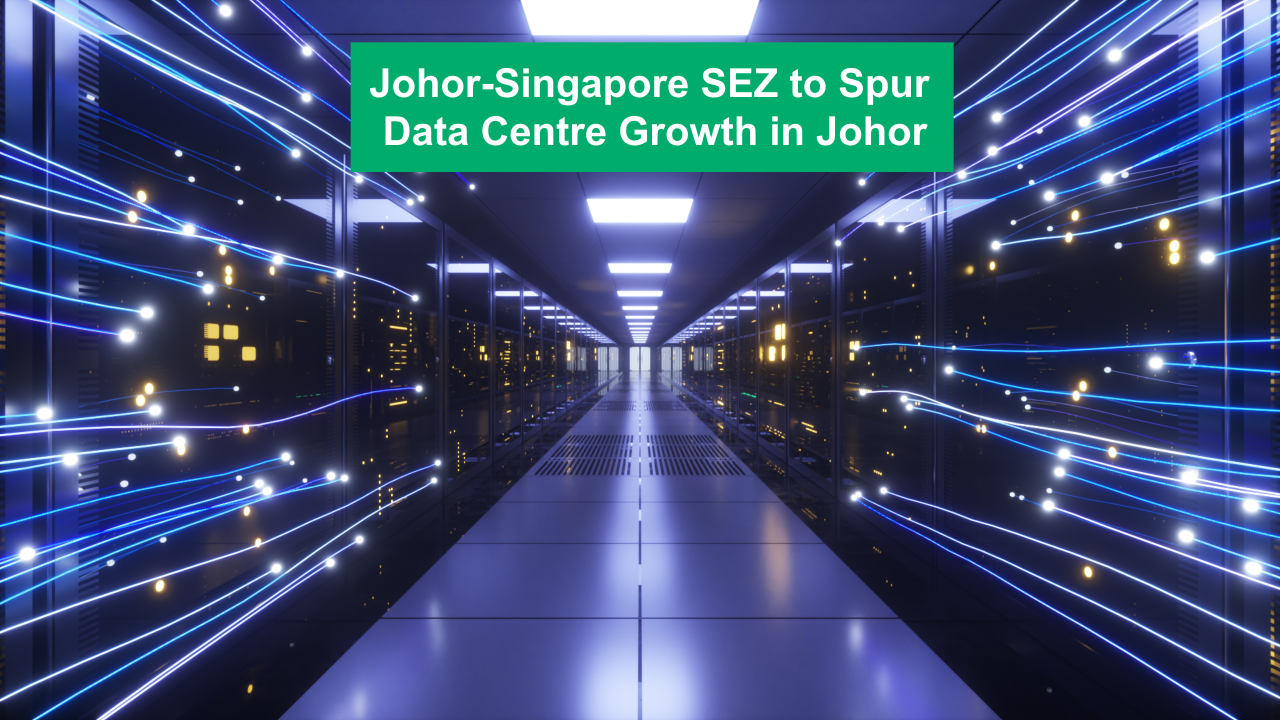
While global headlines chase the AI infrastructure story in the US and China, one of the most interesting AI capital-deployment stories on the planet is unfolding almost unnoticed across a 4-kilometre stretch of water between Singapore and Malaysia — and it’s worth understanding for anyone tracking where the next wave of Southeast Asian growth is actually landing.
What the JS-SEZ Actually Is
The Johor-Singapore Special Economic Zone, formally established on January 7, 2025, covers roughly 3,588 square kilometres across southern Johor state. It spans nine flagship areas and targets investment across eleven sectors, including manufacturing, logistics, financial services, the digital economy, tourism, education, healthcare, and the green economy (Forest City SFZ / Manila Times).
The core idea is simple, even if the execution is complex: Singapore contributes financial infrastructure, regulatory credibility, and capital markets access; Johor contributes roughly four times Singapore’s land area and a median monthly wage around one-seventh of Singapore’s, creating room for industrial-scale development that Singapore’s tiny footprint simply can’t accommodate (Trowers & Hamlins).
The Numbers That Show This Isn’t Just Another SEZ Announcement
Skeptics have plenty of reason to be cautious about grand cross-border economic zone announcements — Southeast Asia has seen plenty of ambitious blueprints fizzle. But the JS-SEZ’s investment figures suggest real capital is already moving, not just political goodwill.
The zone attracted $19 billion in approved investments in 2025, with more than 57% of cumulative approved projects already entering the implementation stage — not just paper commitments (VietnamPlus). That momentum continued into 2026, with $1.3 billion in new approved investments in the first quarter alone, and the Invest Malaysia Facilitation Centre Johor (IMFC-J) fielding 285 investment enquiries worth a combined $18.5 billion in just the first five months of the year.
Separately, Singapore’s Ministry of Trade and Industry confirmed Singapore-based companies have committed more than S$5.5 billion into Johor since the memorandum of understanding was signed (Forest City SFZ). On the Malaysian side, domestic and foreign investment into the region more than doubled from MYR 48.5 billion (roughly US$11.9 billion) in 2024 to MYR 110 billion (about US$27 billion) in 2025, with 70% of that total year’s investment specifically tied to JS-SEZ projects (Lundgreen’s Investor Insights).
The Real Story: Johor Is Becoming Singapore’s Data Centre Overflow Valve
Here’s the angle competitors are missing entirely: this isn’t primarily a manufacturing or logistics story. It’s a data centre story, and it’s happening precisely because Singapore has run out of room and water to support the AI infrastructure boom domestically.
Roughly 60% of Southeast Asia’s data centres are already concentrated in Johor (Lundgreen’s Investor Insights). That’s not a coincidence — Singapore enforces strict limits on new data centre expansion domestically, largely due to power and water constraints, pushing hyperscale demand across the border. Global players including Microsoft, ByteDance, and AirTrunk have already invested in Johor’s data centre buildout, and Johor also benefits from proximity to Singapore’s extensive submarine cable network — around 30 international cables carrying a combined 44.8 terabits per second of capacity (Trowers & Hamlins).
The economics are striking at a granular level: based on Johor State Data Centre Development planning guidelines, every MYR 1 billion (roughly US$250 million) invested in a data centre creates 400 to 600 jobs and adds MYR 500 million (about US$126 million) to Malaysia’s GDP (Lundgreen’s Investor Insights). With data centres, manufacturing, and energy topping the list of investor enquiries by sector, and China, Singapore, and South Korea ranking as the top three source countries for investment interest (Invest Johor), the zone is quietly positioning itself as a geopolitically neutral alternative for AI infrastructure at a moment when US-China tensions make data centre siting decisions increasingly political.
The Infrastructure Piece Everyone’s Watching: The RTS Link
The physical backbone tying this all together is the Johor Bahru-Singapore Rapid Transit System Link, a four-kilometre rail connection between Bukit Chagar and Woodlands North designed to carry up to 10,000 passengers per hour in each direction, cutting a commute that currently involves congested causeway traffic down to roughly five minutes (Forest City SFZ). It’s targeted to begin passenger service by the end of 2026 — a deadline that, if hit, would materially improve the shared-labour-market model underpinning the entire economic zone concept, where thousands of Malaysians already commute daily into Singapore.
What’s Genuinely Uncertain — and Why That Matters for Investors
This is where most boosterish coverage of the JS-SEZ falls short: it’s not risk-free, and the risks are structural rather than cosmetic.
No unified regulatory framework yet exists. The JS-SEZ falls under Malaysian jurisdiction, and substantive regimes — tax, labour law, compliance — remain entirely separate between the two countries. Current cross-border coordination focuses on facilitation rather than genuine legal integration, and the formal master plan and investment blueprint, originally targeted for the first quarter of 2026, has already been delayed (Trowers & Hamlins).
Implementation friction is real, not theoretical. Existing Singaporean businesses operating in Johor are reportedly receiving contrasting guidance from Malaysia’s federal and state governments on tax treatment — exactly the kind of bureaucratic inconsistency that can quietly erode investor confidence even as headline investment figures climb.
The minimum investment threshold favors large players over SMEs. Malaysia’s tax incentive package, administered through MIDA, requires a minimum capital investment of RM500 million (roughly US$126 million) to qualify — a bar high enough to exclude most small and mid-sized businesses from the zone’s most attractive incentives, concentrating benefits among multinationals and large regional players.
Water is the long-term constraint to watch. Data centres consume enormous volumes of water for cooling, and shifting that burden onto Johor — precisely because Singapore’s own water resources are limited — creates an environmental sustainability question that current green initiatives (stormwater reuse, greywater recycling, solar-powered facilities) are only beginning to address at scale.
What This Means for Businesses Weighing Entry
For companies evaluating the JS-SEZ as an expansion target, the practical playbook emerging from early movers suggests: treat Johor as a genuinely separate operating environment rather than “Singapore with cheaper rent,” budget for parallel legal review in both jurisdictions rather than assuming harmonized compliance, and prioritize sectors — data centres, advanced manufacturing, logistics — where the zone’s infrastructure investment is most mature, rather than betting on sectors still waiting on the delayed master plan for clarity.
The Bottom Line
The JS-SEZ has moved past the announcement-and-optimism phase that sinks most cross-border economic zones and into measurable capital deployment — $19 billion in approved 2025 investment with the majority already under implementation is a meaningful signal, not just a talking point. But the zone’s success now depends on execution details that don’t make for exciting headlines: harmonizing tax treatment, delivering the RTS Link on schedule, finalizing the long-delayed master plan, and managing the environmental trade-offs of becoming Southeast Asia’s default data centre overflow zone. Investors who track those unglamorous milestones will understand the JS-SEZ’s real trajectory long before the next round of splashy investment-forum press releases does.
Discover more from The Economy
Subscribe to get the latest posts sent to your email.
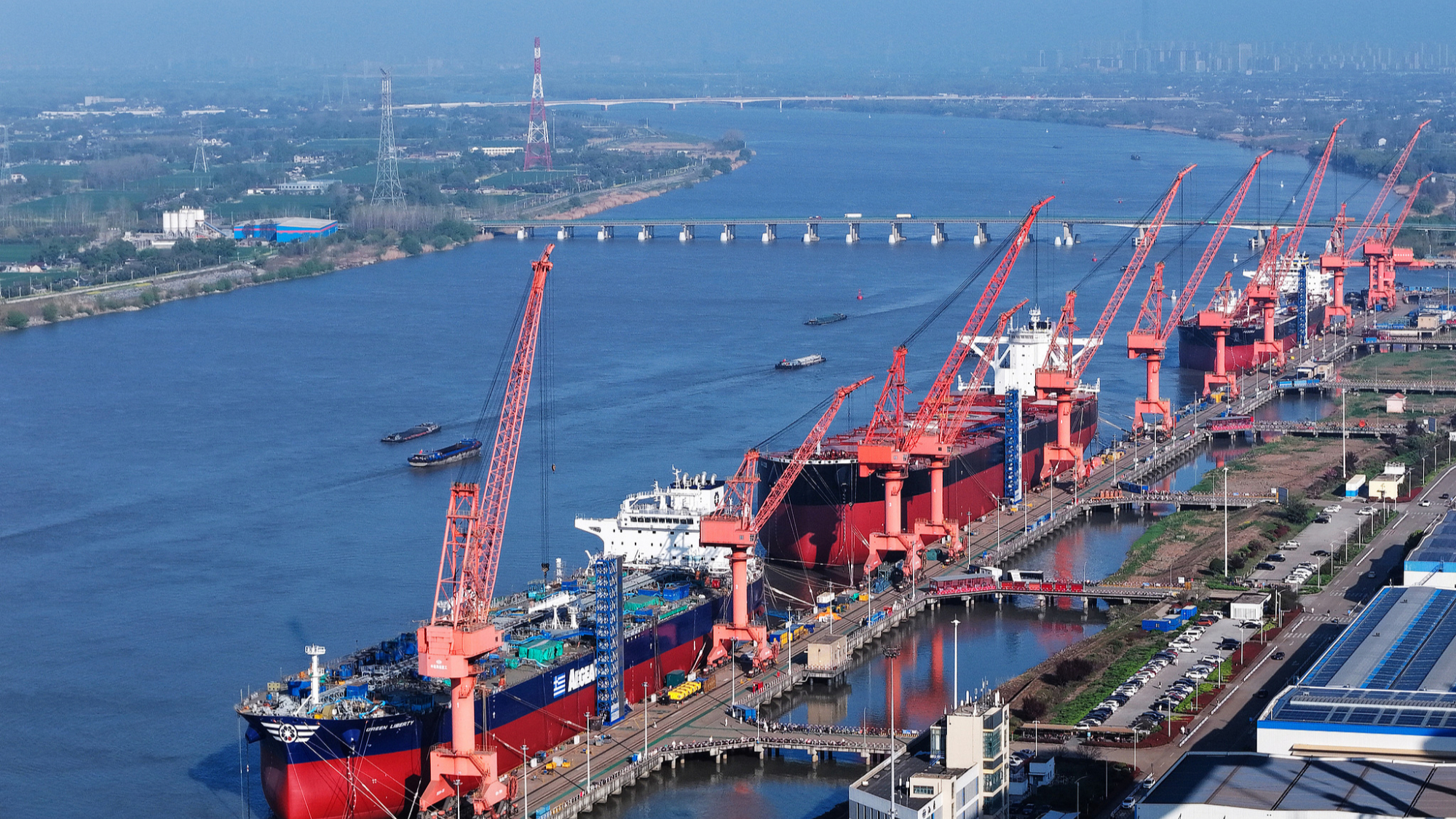
The ASEAN+3 region expanded 4.3% in 2025, outperforming expectations despite what regional economists describe as the most significant shift in global trade policy in decades, according to the AMRO ASEAN+3 Regional Economic Outlook 2026.
A Region Built on Firm Foundations
The ASEAN+3 Macroeconomic Research Office (AMRO) — whose membership spans the ten ASEAN states plus China, Hong Kong, Japan, and Korea — attributes the region’s resilience to firm domestic demand, robust export performance, sustained investment, and deepening intraregional trade linkages. The region enters 2026 with most economies retaining meaningful fiscal and monetary policy space, a buffer regional policymakers built deliberately following the shocks of the preceding decade.
Two Risks Now Dominate the Outlook
AMRO identifies the balance of risks as tilted firmly to the downside for the year ahead, driven by two distinct but interacting shocks. First, the Middle East conflict and the resulting disruption to energy supply through the Strait of Hormuz pose what AMRO calls a significant near-term threat to both regional growth and inflation. Second, shifting US trade policy continues to inject two-sided risk into technology demand and broader trade flows, with financial market volatility compounding the downside pressure from both channels simultaneously.
Semiconductors Anchor the Region’s Trade Position
Regional semiconductor exports remain a structural strength even amid the broader uncertainty. AMRO’s data tracks ASEAN-6 semiconductor exports — spanning Indonesia, Malaysia, the Philippines, Singapore, Thailand, and Vietnam — as a critical driver of regional trade resilience, reflecting the bloc’s entrenchment in global chip and electronics supply chains at a moment when demand for AI-related hardware remains exceptionally strong globally, per AMRO’s full 2026 report.
China’s Property Drag Still Ripples Outward
Even as China’s export engine benefits from AI-driven demand, AMRO notes that overall Chinese investment remained slightly softer in the period under review, with spending on clean energy and advanced manufacturing only partly offsetting a prolonged property-sector adjustment. Given the depth of intraregional trade linkages AMRO’s own research documents, continued softness in Chinese domestic investment carries spillover implications for supply chains and demand across the wider ASEAN+3 bloc, even as China’s headline export growth remains robust.
The Regional Growth Picture, Country by Country
Within the bloc, growth trajectories are diverging. Indonesia, Singapore, and Vietnam are leading regional growth momentum into 2026, while Malaysia and Thailand continue to expand at a steadier, more moderate pace, and the Philippines lags due to domestic structural challenges, according to McKinsey’s Southeast Asia quarterly economic review. The Asia House Annual Outlook separately forecasts overall Asian growth easing to 3.8% from 4.1% according to WTO estimates, reflecting softer global demand, a modest China slowdown, and the fading effect of earlier supply-chain frontloading, though the region is still expected to outperform the global growth average, per Asia House’s 2026 outlook.
Preserving Policy Flexibility Is the Central Challenge
AMRO frames the region’s central policy challenge for 2026 not as responding to any single shock, but as preserving the flexibility to respond to whichever shock materializes first — whether a further escalation in Middle East energy disruption, a sharper-than-expected US tariff or technology-policy shift, or a deeper Chinese property-sector adjustment than currently modeled. For businesses and investors across Singapore, Malaysia, Indonesia, and the wider bloc, that framing suggests 2026 will reward economies and companies that maintain optionality rather than committing early to any single scenario for how the region’s twin external shocks ultimately resolve.
Discover more from The Economy
Subscribe to get the latest posts sent to your email.

Crypto Daily Outlook: Bitcoin, Altcoins, and the Future of Decentralized Finance

Anthony Scaramucci’s Crypto Prediction: Why MicroStrategy’s Move Is Bitcoin’s “iPhone Moment”

Best Dividend Stocks 2026: European & Asian Blue Chips

World Bank & IMF Reports 2026: Why the “3% Growth” Consensus Is Actually a Debate

Elon Musk’s Boring Company Hits $23B Valuation After UAE-Led $3 Billion Series D

Middle East War Economics 2026: Oil Prices & Energy Markets

PSX Forecast 2026: KSE-100, IMF Reviews & Geopolitics

Asian Markets Outlook 2026: China, Japan & Singapore Stocks

Global Economy 2026: IMF Growth, Inflation & Private Credit

Current Account Deficit (CAD) : Causes and Impact

Balance of Payments (BOP)

The Falkland Islands Dispute: Sovereign Wealth, Offshore Drilling, and Market Impacts

Gross Domestic Product (GDP): Nominal vs. Real

What is Inflation and the Consumer Price Index (CPI)?

State Farm’s $5B Dividend 2026: Who Qualifies & Payout Dates

US-China Relations in Q3 2026: Trade Tariffs and Supply Chain Risks

Gold’s Wild 2026: From a Record $5,600 Peak to a 24% Crash and Back Toward $4,500

Oil Surges as Strait of Hormuz Traffic Collapses Again

The Rocket That Won’t Quit: Inside SpaceX’s Falcon 9 Launch Machine

Bank of England Set to Hold Rates Through Year-End, Reuters Poll Shows

SpaceX Starship Flight 14: First Orbital Attempt & Starlink V3 Launch Explained

The 2026 Crypto Regulatory Shift: What It Means for Institutional Investors

AI Chip Stocks 2026: The Best Semiconductor Investments Beyond Marvell

Retail Earnings Week: What Home Depot, Target & Walmart Reveal

AI-Powered Training: The Next Multi-Billion Dollar Ecosystem in Fitness

Top 30 Stocks for Investment in PSX for Massive ROI in 2026

Tween Back-to-School Trends 2026: What’s Driving the $85B Season

Russia’s Black Sea Oil Exports Fall for a Fifth Straight Week
-

 Markets & Finance8 months ago
Top 15 Stocks for Investment in 2026 in PSX: Your Complete Guide to Pakistan’s Best Investment Opportunities
-

 Analysis7 months ago
Johor’s Investment Boom: The Hidden Costs Behind Malaysia’s Most Ambitious Economic Surge
-

 Analysis7 months ago
Top 10 Stocks for Investment in PSX for Quick Returns in 2026
-

 Analysis7 months ago
Brazil’s Rare Earth Race: US, EU, and China Compete for Critical Minerals as Tensions Rise
-

 Banks8 months ago
Best Investments in Pakistan 2026: Top 10 Low-Price Shares and Long-Term Picks for the PSX
-

 Investment8 months ago
Top 10 Mutual Fund Managers in Pakistan for Investment in 2026: A Comprehensive Guide for Optimal Returns
-

 Global Economy9 months ago
15 Most Lucrative Sectors for Investment in Pakistan: A 2025 Data-Driven Analysis
-

 Global Economy9 months ago
Pakistan’s Export Goldmine: 10 Game-Changing Markets Where Pakistani Businesses Are Winning Big in 2025