
Connect with us

Analysis

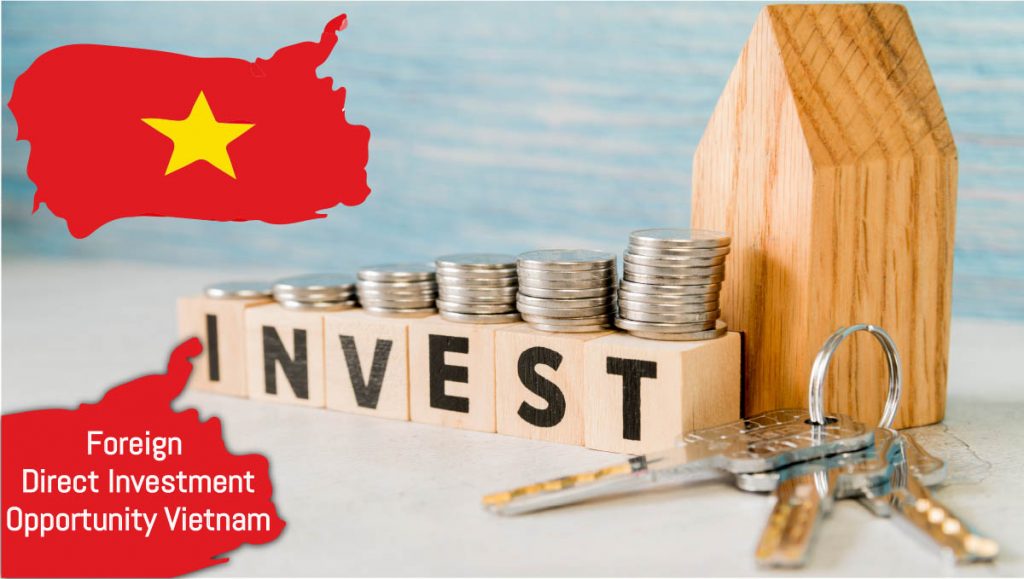
Singapore Developers Deepen Long-Term Bet on Vietnam: Why a Young, Well-Educated Workforce and Booming Middle Class Make It Irresistible

Published

on

Singapore developers are doubling down on Vietnam in 2026 — driven by a booming young workforce, a fast-expanding middle class, and a strategic China+1 pivot that could define Southeast Asian investment for a generation.

A New Chapter, Written in Steel and Concrete

In March 2025, something quietly historic happened at Singapore’s Parliament House. Vietnam’s General Secretary To Lam stood alongside Prime Minister Lawrence Wong as both nations elevated their ties to a Comprehensive Strategic Partnership — Singapore’s first such designation with any ASEAN neighbour. There were the customary ceremonies and communiqués. But what was perhaps most telling was what happened in the room next door, where executives from Sembcorp Development signed fresh memoranda of understanding to expand the Vietnam-Singapore Industrial Park (VSIP) network to 20 parks, spanning over 12,000 hectares across one of Asia’s most compelling economies.

That quiet ceremony was not diplomacy. It was a capital allocation decision dressed in diplomatic clothes.

Here is my thesis, stated plainly: Singapore’s largest developers — CapitaLand, Keppel, Frasers Property, Mapletree, Sembcorp — are executing one of the most strategically disciplined long-cycle bets in Asian real estate. They are betting on Vietnam’s demographics, its manufacturing ascent, and its rapidly expanding middle class, while simultaneously hedging away from a China exposure that has become, for many institutional investors, increasingly uncomfortable. This is not a pivot of desperation. It is a pivot of conviction — and the data, from the factory floors of Binh Duong to the apartment towers of Hanoi’s outer districts, is starting to prove them right.

The Strategic Pivot: Why Now, Why Vietnam

Singapore’s corporate establishment has invested in Vietnam for three decades. CapitaLand planted its first flag in Ho Chi Minh City in the mid-1990s. Keppel Land followed almost simultaneously. What has changed in 2025–2026 is not the presence but the depth of commitment and the breadth of the asset class.

Keppel is now one of the largest foreign investors in urban development in Vietnam, with more than 20 projects and total registered investment capital of about $3.5 billion. That figure alone would rank Keppel among the most significant real estate players in any mid-sized economy. But what makes Vietnam exceptional is that this investment is spreading beyond luxury condominiums and Grade-A offices. In its latest business update for the first nine months of 2025, Keppel reaffirmed Vietnam as one of its core real estate markets, holding a land bank of 6,937 housing units — equivalent to 23% of its total residential portfolio.

Meanwhile, CapitaLand Development, whose group portfolio stood at S$21.5 billion as of March 2025, has been accelerating. In December 2025, CapitaLand Development announced a strategic collaboration agreement with Vinhomes — Vietnam’s leading residential developer — and unveiled The Fullton, an $800 million low-rise residential project in Hung Yen province. The partnership sets the stage for joint ventures in large-scale urban developments, building on earlier collaborations at Vinhomes Smart City and Vinhomes Ocean Park. These are not speculative acquisitions. They are multi-decade, integrated-township commitments.

What is driving this intensification? The China factor cannot be ignored. Singapore’s developers, like most sophisticated institutional allocators, have spent the past three years quietly rebalancing their exposure away from a market where regulatory uncertainty, demographic deceleration, and geopolitical friction have combined to suppress returns. Vietnam offers something rare: strong fundamentals without the political ceiling risk. It is, in the parlance of modern portfolio theory, a high-quality uncorrelated bet.

Driver One: The Demographic Dividend — A Workforce Entering Its Prime

Few countries in Asia hold a demographic card as compelling as Vietnam’s in 2026. Vietnam’s working-age population stands at 68.4% of total population, while just 7.4% are over 65 — a manageable elderly dependency ratio that stands in stark contrast to ageing peers like Thailand, China, and South Korea. With a population now exceeding 101 million, this means Vietnam fields a labour force of nearly 70 million people in their productive years, the vast majority of whom have grown up with universal schooling, rising digital literacy, and an increasingly meritocratic private sector.

Vietnam’s GDP per capita rose from $711 in 1986 to $4,449 in 2024, while the poverty rate fell from 14.0% in 2010 to around 2.3% in 2024 — one of the most compressed poverty-reduction arcs in modern economic history. That compressing poverty is not charity; it is the creation of a labour supply with rising aspirations, improving educational attainment, and a consumption profile that is beginning to resemble early-phase China in the 2000s.

What excites Singapore’s developers is not just the quantity of this workforce but its trajectory. The country combines a large, youthful workforce with increasingly skilled labour and regionally competitive salary levels, positioning it as a preferred destination for manufacturing, technology, services and emerging high-value industries. Apple, Foxconn, Samsung, LEGO, and Google have not moved parts of their supply chains to Vietnam for cheap labour alone — they have moved because that labour is becoming capable of higher-value work at competitive cost structures. For property developers, this matters enormously: skilled workers need quality housing, retail amenities, and serviced offices. The supply chain is also a demand chain.

Vietnam’s government target of raising per capita income to approximately US$7,500 by 2030 — from roughly $4,500 today — represents the kind of earnings growth trajectory that turns a residential market from aspirational to transactional. When wages double within a decade in a country of 100 million people, real estate demand is not linear. It is exponential.

Driver Two: The Rising Middle Class — Consumption Meets Urbanisation

If the workforce is the engine, the middle class is the flywheel. Vietnam’s middle class is expanding rapidly and is expected to reach 26 percent of the population by 2026, up from just 13 percent in 2023 — a projected addition of over 25 million consumers with rising disposable incomes and evolving consumption patterns. To put this in context: Vietnam is adding a middle class roughly equal in size to Australia’s entire population within three years.

This is not a statistical abstraction. It manifests in the apartment towers going up along Hanoi’s western ring roads, in the Grade-A offices filling up faster than developers can complete them in Ho Chi Minh City’s new urban districts, and in the serviced residence sector, where Ascott — CapitaLand’s hospitality arm — has been booking record signings in Vietnam for consecutive years. In the long term, this middle class prioritises education, healthcare, housing, and quality-of-life upgrades such as travel, personal development, and home appliances — with spending on premium goods, branded products, and sustainable offerings rising steadily, driven by increasing incomes and lifestyle aspirations.

Urbanisation is the structural amplifier. Vietnam’s urban population is expected to grow at a compound annual growth rate of about 3% through the mid-2020s. At that rate, Vietnamese cities are absorbing roughly 1.5 million new urban residents annually — each of whom needs housing, transport, retail, and community infrastructure. This is not a short-term stimulus story. It is a generation-long infrastructure deficit that will take precisely the kind of capital and execution that Singapore’s institutional developers specialise in providing.

Vietnam is expected to become an upper-middle-income country in 2026, a milestone that historically catalyses a step-change in consumer behaviour: the shift from durables and basic services to discretionary spending, quality housing, and premium retail. Singapore developers, who have spent decades studying this transition across Malaysia, Indonesia, and China, are positioning before that inflection point hardens into conventional wisdom.

On the Ground: Where the Capital Is Going

The most revealing indicator of conviction is not a press release — it is a land bank decision. Vietnam’s Singapore-developer community has been making those decisions at scale.

The VSIP network, the joint venture between Sembcorp Development and Vietnam’s Becamex IDC, is perhaps the most instructive case study. Over 29 years of development, VSIP has become Vietnam’s leading developer of integrated township and industrial parks, operating 18 projects across the country with over 11,600 hectares of total land fund, attracting 970 customers from 30 economies with over US$23.45 billion of investments and creating more than 320,000 jobs. In 2025 alone, the network expanded to 20 parks, with new projects breaking ground in Nam Dinh, Nghe An, Thai Binh, and Lang Son provinces — extending the industrial corridor northward toward the Chinese border.

Sembcorp and Becamex were awarded two new VSIP projects in 2025, taking the total to 20, during the state visit of Vietnam’s General Secretary to Singapore — a visible signal of how deeply state-level diplomacy and private capital deployment have become intertwined in this bilateral relationship. VSIP’s next iteration — internally referred to as “VSIP 2.0” — is designed around green industrial parks incorporating advanced technologies, renewable energy, and smart logistics, aligning with both Vietnam’s net-zero commitments and the ESG mandates of its multinational tenants.

Frasers Property has simultaneously executed a diversification from residential into industrial and logistics. Frasers Property expects to develop close to a million square metres of international-grade and green-certified industrial facilities over the next three to five years to support the country’s growing economy. In February 2026, Frasers and Gelex Infrastructure signed an enhanced strategic collaboration agreement covering residential properties and high-potential segments across northern Vietnam.

Singapore-based Vantage Point Asset Management committed to mobilising up to $10 billion over the next five years for investments linked to Vietnam’s International Financial Center, with a primary focus on Ho Chi Minh City, as the country seeks to position itself as a regional financial hub. The scale of that commitment — from a Singapore vehicle, for a Vietnamese financial hub — tells you everything about where institutional confidence is currently flowing.

The Geopolitical and Macro Edge: China+1 Finds Its Champion

Vietnam’s ascent as a manufacturing hub is inseparable from the structural reconfiguration of global supply chains. Major multinational corporations including Samsung, Google, Microsoft, Apple, Nike, and Adidas have increasingly integrated Vietnam into their supply chains as part of diversified “China Plus One” strategies. In 2025 alone, Vietnam’s export turnover reached nearly US$306 billion in the first eight months, an increase of nearly 15 percent compared to the same period in 2024.

For Singapore developers, this supply-chain shift is a commercial tailwind with decades of runway. Every electronics factory that relocates from Guangdong to Binh Duong needs industrial park infrastructure, worker housing, and logistics facilities. Every supply-chain engineer relocated from Shenzhen to Hanoi needs a serviced apartment and a Grade-A office. Singapore’s developers are the infrastructure layer beneath the global trade realignment.

Vietnam’s trade architecture underpins this advantage structurally. By 2025, Vietnam had trade relations with more than 230 markets and signed 17 free trade agreements with 65 economies, placing it among the most active participants in bilateral and multilateral trade frameworks. The CPTPP, EVFTA, RCEP, and UKVFTA give Vietnam’s exporters preferential access across Europe, the Indo-Pacific, and Latin America simultaneously — a competitive position no other manufacturing economy in Southeast Asia can match at comparable scale.

As of January 2025, Singapore maintained its position as Vietnam’s largest investor in ASEAN, a distinction it has held for years but is now cementing through government-to-government frameworks that give Singapore-linked capital structural advantages in land access, permit timelines, and joint-venture structures. The Comprehensive Strategic Partnership, signed in March 2025, is the diplomatic scaffolding upon which the next decade of commercial expansion will be built.

Risks and Realism: The Caveats That Serious Investors Price In

No investment thesis — however compelling — arrives without friction. Vietnam’s risks are real and should be stated with precision, not euphemism.

Regulatory unpredictability remains the headline concern. Vietnam’s real estate market has experienced turbulence before: the failure of a major commercial bank in 2022 triggered a real estate credit freeze that took two years to fully clear, and several large domestic developers faced severe liquidity stress. Risks in the financial sector remain related to corporate debt and a high share of non-performing loans, which have risen to their highest level in a decade. Foreign developers navigating joint-venture structures must price in the risk that their local partners face balance sheet pressures at precisely the wrong moment in the construction cycle.

Land title complexity is a second persistent challenge. Vietnam’s layered system of land-use rights, overlapping provincial approvals, and frequent regulatory revisions creates execution risk that can extend project timelines by years. Infrastructure quality outside the major urban corridors remains uneven, and logistics connectivity — while improving rapidly — is still behind Vietnam’s ambitions.

As a trade-dependent economy, Vietnam remains highly exposed to developments in global trade. Higher tariffs on exports to the United States, affecting around one third of Vietnam’s exports, will dent export prospects going forward, with the wider ramifications for investment inflows remaining highly uncertain. The US-China tariff dynamic that has made Vietnam a beneficiary could — under a more aggressive trade regime — partially reverse, particularly if Washington concludes that Vietnam is serving as a re-export hub for Chinese goods.

And yet. Measured against the risk profiles of China, India’s regulatory labyrinth, or Indonesia’s infrastructure gaps at equivalent scale, Vietnam’s friction is manageable, well-understood by operators with decades of local presence, and — critically — declining as the government delivers on its institutional reform agenda.

The Long Game: A Forecast to 2035

Project forward a decade, and the numbers acquire gravitational force. Vietnam’s government has set a double-digit growth target for 2026–2030, with ambitions to reach high-income status by 2045. Even discounting those targets by a third for political optimism, you are looking at an economy that could approach US$1 trillion in GDP by the early 2030s — with a consumer market that by then will include 40–50 million middle-class households demanding premium housing, quality retail, and sophisticated financial services.

In 2025, global technology companies increasingly selected Vietnam not only as a production hub but also as a base for research and development activities, with emerging sectors such as semiconductor manufacturing and data-related industries creating long-term growth platforms. The shift from low-cost assembly toward higher-value manufacturing and technology services is exactly the kind of structural upgrade that sustained Japan’s, South Korea’s, and Taiwan’s property booms for twenty years. Singapore’s developers are not betting on cheap labour. They are betting on the transition away from it.

The industrial-to-residential continuum will thicken. As VSIP parks attract higher-value manufacturers, the surrounding towns will demand urban infrastructure of matching quality — precisely what CapitaLand’s integrated developments and Keppel’s township projects are designed to provide. The factory worker of 2015 becomes the quality-housing aspirant of 2030. Singapore’s developers, uniquely, are positioned to capture both ends of that journey.

Conclusion: The Bet That History Will Validate

There is a particular kind of institutional intelligence that distinguishes the great long-cycle investors from the market-timers: the willingness to commit capital to a story before it becomes consensus, and the operational discipline to execute through the inevitable turbulence.

Singapore’s developers in Vietnam exhibit exactly that quality. They have not arrived because Vietnam is fashionable. They arrived three decades ago, stayed through every crisis, and are now deepening their bets precisely because the fundamental thesis — young population, rising skills, growing middle class, manufacturing hub, diplomatic alignment — is inflecting from aspiration into arithmetic.

The question for every institutional investor, sovereign wealth manager, and corporate board surveying Southeast Asia in 2026 is not whether Vietnam will be one of the defining economic stories of the next quarter-century. That question is settled. The question is whether you are already positioned — or still preparing to be convinced.

Singapore’s developers made their choice. The concrete is curing.


Discover more from The Economy

Subscribe to get the latest posts sent to your email.

Analysis

The Brussels Bet: How Europe’s Merger Reform Could Birth Global Champions—or a Cartel in Disguise

Published

on

In the autumn of 2025, three of Europe’s proudest industrial names—Airbus, Thales, and Leonardo—did something that would have seemed improbable a decade ago. They agreed to pool their satellite businesses into a single entity, provisionally codenamed “Project Bromo,” with combined revenues of roughly €6.5 billion and a workforce of 25,000 engineers spread across the continent. The target was unmistakable: SpaceX, whose Starlink network had already launched more than 10,000 satellites into orbit and was rewriting the rules of communications sovereignty across Europe and beyond.

Project Bromo is not merely a corporate transaction. It is a political statement—and perhaps the most vivid preview yet of the logic animating the European Commission’s landmark review of its EU merger guidelines, the first substantial overhaul since 2004. With a draft of the revised framework expected imminently in spring 2026 and final adoption pencilled in for later this year, Brussels is preparing to make a calculated wager: that the old orthodoxy of pure consumer-welfare competition law is no longer fit for a world where geopolitical rivalry, technological scale, and strategic autonomy have become existential concerns.

It is a wager worth examining with clear eyes—because the upside is a genuinely competitive, innovation-driven European economy, and the downside is something considerably less flattering: a continent that dressed up industrial protectionism in the language of strategic necessity.

What’s Actually Changing—and Why Now

The architecture of EU merger control has not changed at its foundations in over two decades. The 2004 Horizontal Merger Guidelines set out a framework rooted in the “significant impediment to effective competition” test—essentially asking whether a proposed deal would harm consumers through higher prices, reduced choice, or diminished innovation. It was a coherent, principled framework, and for much of the post-Cold War era, it served Europe reasonably well.

What it was not designed to do was navigate a world in which a single American entrepreneur could deploy more communications infrastructure in three years than Europe had built in three decades, or in which Chinese state-backed industrial groups were assembling champions in semiconductors, green energy, and rail at a pace that made European fragmentation look almost wilfully self-defeating.

The Commission’s review is exploring whether and how merger control should incorporate considerations such as resilience, investment incentives, sustainability, defence and security, and other public policy considerations—a significant departure from the narrower consumer-welfare calculus of the original guidelines. In December 2025, EU Competition Commissioner Teresa Ribera indicated that the European Commission would adopt a more forward-looking and innovation-focused approach to deal reviews ahead of the publication of its final revised merger guidelines.

The intellectual scaffolding for this shift was erected most forcefully by Mario Draghi. His September 2024 report, The Future of European Competitiveness, delivered a searing diagnosis: Europe as a business location must not put companies at a significant competitive disadvantage compared to other markets. Draghi drew explicitly on the wreckage of the Siemens-Alstom case—the proposed 2019 rail merger blocked by the Commission despite the looming dominance of China’s CRRC, which had become the world’s largest train manufacturer. That decision had become a kind of shorthand for everything the critics believed was wrong with European competition policy: technically correct, strategically catastrophic. Draghi called for regulatory reforms to facilitate industry consolidation and mergers, joint procurement in defence, and a new trade agenda.

The Competitiveness Compass, issued on 29 January 2025, appears more willing than Draghi to loosen merger rules to support the creation of European ‘champions’—the Commission’s five-year strategic roadmap that translated the Draghi Report’s ambitions into political commitments. Von der Leyen’s mission letter to Competition Commissioner Ribera included an explicit mandate to modernise competition law to ensure that “innovation and resilience are fully considered” in merger assessments—language that would have been unthinkable in Brussels just ten years ago.

The Case for Thinking Big

Let us be honest about what the proponents of reform are actually arguing, because their case is stronger than the headlines typically allow.

The central contention is not that consumer welfare should be ignored—it is that the timeframes and metrics used to assess it have become dangerously myopic. When a European telecoms operator wants to merge with a domestic rival to fund the €20 billion in capital expenditure required to build out 5G infrastructure, blocking that deal on the grounds of short-term price effects is a form of economic self-harm. The counterfactual is not vigorous competition between two financially strained operators; it is a decade of underinvestment, patchy coverage, and continued technological dependence on equipment from Huawei or Ericsson.

There is insufficient broadband infrastructure because there are too many national mobile or telecoms operators that lack the scale to make the necessary investments, while mergers are sometimes prevented by European competition policy. This is the Draghi diagnosis applied to one sector, but the logic extends across the economy.

In semiconductors, in defence, in artificial intelligence, and in clean technology, the story is similar. European companies are individually too small to fund the research pipelines that their American and Chinese competitors sustain. Since innovation in the tech sector is rapid and requires large budgets, merger evaluations should assess how the proposed concentration will affect future innovation potential in critical innovation areas—a framing that asks regulators to think less like price watchdogs and more like industrial strategists.

The satellite sector offers the most vivid illustration of what scale can enable. Until now, Europe lacked a space industry player comparable in scale to the likes of SpaceX or Lockheed Martin in the US, or CASC in China. Project Bromo is explicitly designed to rectify that. The merger will use economies of scale to defend its profitable business building large satellites while building the capability to compete in the new LEO broadband market. The new entity is also positioned as the prime industrial contractor for IRIS², the EU’s sovereign secure communications constellation—a programme that is simultaneously a defence asset, a climate monitoring tool, and an assertion of European technological autonomy.

The Airbus model lurks in the background of all these discussions. When European governments pooled their aerospace industries in the 1970s to create what became Airbus, the move was derided in some quarters as socialist central planning dressed up as industrial policy. Half a century later, Airbus employs 134,000 people, generates annual revenues exceeding €65 billion, and competes with Boeing on genuinely equal terms. There is nothing theoretically absurd about applying that logic to satellites, or to artificial intelligence, or to battery technology.

Von der Leyen stressed the EU’s Competitiveness Compass, saying that “Every single Member State has endorsed the Draghi report,” while regretting IMF analysis results of “internal barriers” within the Single Market, “equivalent to a 45% tariff on goods and a 110% tariff on services.” When internal fragmentation imposes a tariff-equivalent burden of that magnitude, the argument for mergers that can transcend national boundaries becomes very difficult to dismiss.

The Risks That Brussels Must Not Minimise

And yet. The sceptics are not wrong to be nervous, and their arguments deserve more than a dismissive paragraph.

Finland, Ireland, the Czech Republic and two Baltic countries warned against loosening EU merger rules in response to calls by some companies for easier regulatory scrutiny of their deals in order to better compete with non-EU rivals. Their February 2026 joint note to fellow EU ministers was blunt in its pushback: “Size in itself should not be the primary objective” of mergers; efficiency, innovation, and fair competition matter more.

This coalition of smaller economies is not being parochial. They are articulating a genuine and historically grounded concern. The history of European industrial policy is littered with champions that became comfortable monopolists—companies that used state protection and regulatory forbearance not to innovate and compete globally, but to extract rents from captive domestic consumers and suppress more agile domestic rivals. France Télécom did not exactly cover itself in glory during its period of dominance. European banking consolidation in the 2000s produced institutions that were too big to fail and too slow to evolve. The Alstom that Siemens wanted to acquire was itself a partially failed privatisation experiment.

There is a growing push from certain quarters to weaken merger control—ostensibly to spur greater investment and innovation, higher productivity and growth, or the creation of European champions. The CEPR economists who penned that warning are not ideological zealots for consumer welfare. They are registering a legitimate empirical concern: that the evidence linking larger firm size to higher investment, greater innovation, and better consumer outcomes is significantly weaker than the industrial-policy lobby suggests.

The telecom sector is the test case most frequently invoked by reform advocates—and it is also where the evidence is most contested. The five dissenting countries dispute telecom claims that consolidation boosts investment, calling the evidence inconclusive. What we do know from multiple markets is that reducing the number of mobile operators from four to three reliably produces higher prices for consumers. Whether those higher prices are eventually offset by better network investment is an empirical question that depends heavily on the regulatory environment, the specific market, and the commitments extracted at the point of merger clearance—not a general principle that can be assumed away in the guidelines.

There is also a subtler risk: that the champions framework becomes a vehicle for the largest incumbents to capture the regulatory process. Competition Commissioner Ribera has been admirably clear that the reforms are not intended to “shield” European companies from competition. Ribera has made many public statements that EU competition policy and enforcement should support the global competitiveness of European firms, but they should not be loosened to shield those firms from competition to create European champions. The question is whether that intention survives contact with the lobbying reality of Brussels, where defence contractors, telecoms operators, and technology companies are already positioning themselves to benefit from any loosening of the framework.

The Geopolitical Stakes: Why This Cannot Be Ignored

To understand why this debate has acquired such urgency in 2026, one must look beyond the competition law textbooks to the shifting architecture of the global economy.

The world that produced the 2004 Merger Guidelines no longer exists. That world assumed a stable, rules-based international trading system; cheap Russian energy underpinning European industrial competitiveness; and a transatlantic security relationship robust enough to allow European defence spending to remain at modest levels. All three pillars have crumbled simultaneously. The return of tariff-based industrial policy in the United States, China’s increasingly assertive mercantilist strategy, and Russia’s weaponisation of energy dependencies have collectively forced Europe to rethink assumptions it had treated as permanent.

The Draghi Report comes at a moment when the return of expansive industrial policy by the United States and China has caught the European Union flat-footed. Europe’s economic model has been premised on establishing an open and competitive market that benefits from free trade in a rules-based international system. That premise is now a strategic vulnerability as much as it is a principled commitment.

In defence, the pressure is most acute. European governments are under intense political pressure to scale up military production, reduce dependence on American platforms and munitions, and build an indigenous industrial base capable of sustaining a prolonged conflict if necessary. None of that is achievable with the current fragmentation of European defence industry—dozens of national champions competing on essentially national scales for essentially national contracts. Consolidation is not a luxury here; it is a security imperative.

In artificial intelligence, the gap with the United States is stark and widening. European AI research is world-class at the laboratory level; European AI companies are systemically under-capitalised at the commercial level. The challenge is not talent or ideas—it is the ability to assemble the compute infrastructure, the data assets, and the investment capital to convert laboratory breakthroughs into commercial-scale deployments. Larger firms, with deeper balance sheets and broader data access, are better positioned to make that conversion. The argument for consolidation in European AI is correspondingly stronger.

The proposed merger of the space business of Airbus, Thales and Leonardo to create a European satellite company capable of competing with Elon Musk’s SpaceX is likely to be a key development in 2026. The deal could provide a blueprint on the assessment of combinations involving European companies in strategic sectors. How the Commission handles Project Bromo will send a signal about the credibility of the entire reform programme—and about whether Brussels can calibrate the framework to reward genuinely strategic consolidation rather than simply providing cover for anti-competitive consolidation dressed up in the language of sovereignty.

My Verdict: Necessary, But Only Half the Answer

After examining the evidence, the lobbying, the institutional history, and the geopolitical context, my conclusion is this: the reform is broadly necessary but dangerously incomplete without accompanying measures that its proponents are not yet willing to discuss with equal candour.

The case for updating the 2004 guidelines is overwhelming. A framework that treats all efficiency arguments with the same scepticism, regardless of whether we are talking about a grocery chain merger or a satellite manufacturing consolidation designed to counter Chinese and American state-backed competitors, is not analytically coherent. The world has changed. The guidelines should reflect that.

But the reform will succeed only if three conditions are met simultaneously—and currently, only one of them is receiving serious attention.

First, the revised guidelines must embed robust, sector-specific criteria for assessing dynamic competition rather than simply inviting “innovation effects” as a general get-out clause that any large company can invoke. The Commission has good instincts here, and the stakeholder workshops held in December 2025 and January 2026 suggest that DG Competition understands the risks of opening the door too wide. The draft guidelines are expected to clarify how merger control should assess transactions in markets where competition takes place through research pipelines, technological capabilities, or access to data rather than traditional price competition. That is the right focus. It should be executed with precision, not generosity.

Second, and far more important, any relaxation of merger scrutiny must be paired with the completion of the Single Market. This is the point that the champions debate consistently obscures. European companies are not small because they are over-regulated—they are small because they operate in a fragmented market that prevents them from achieving the scale that the Single Market was theoretically designed to provide. Von der Leyen herself has acknowledged IMF analysis showing internal barriers within the Single Market “equivalent to a 45% tariff on goods and a 110% tariff on services.” Relaxing merger rules without dismantling those internal barriers simply rewards consolidation at the national level rather than creating genuinely European-scale companies. It would produce German champions, French champions, and Italian champions—not European ones.

Third, the governance framework for assessing “strategic” mergers must be ring-fenced from political interference with exceptional care. The moment that member state governments can effectively lobby for the clearance of a merger on “strategic” grounds—as opposed to the Commission making an independent, evidence-based assessment—the entire framework is at risk of capture. The Siemens-Alstom case is remembered as a story of bureaucratic timidity; it is less often recalled that the French and German governments were loudly demanding clearance. Had the Commission caved to political pressure then, the principle of independent merger review would have been significantly weakened. The same risk attaches to the reformed guidelines, at greater scale.

One year after the publication of the Draghi report, out of 383 recommendations, only 43 had been fully implemented, with 87 still untouched. That implementation gap matters enormously in this context. Reforming merger rules is, in Brussels terms, relatively tractable. Completing the Single Market, deepening the Capital Markets Union, and aligning national industrial policies behind common European objectives are profoundly difficult. If the Commission delivers on the former while making only rhetorical progress on the latter, it will have produced not European champions but European oligopolies—companies large enough to dominate European markets but not genuinely competitive on the global stage.

A Final Word: The Stakes of Getting This Right

The Siemens-Alstom decision of 2019 has become a kind of original sin in this debate—the moment when European competition policy, in the eyes of its critics, chose textbook purity over strategic realism. The reformers are right that the world has moved on since then. They are right that Europe cannot sustain its current fragmentation in sectors where the United States and China are deploying state resources at a scale that no European company, operating at a national level, can match.

But the lesson of industrial policy, throughout modern economic history, is not that it never works—it is that it works only when the politics are disciplined enough to resist capture by incumbents, the institutions are strong enough to enforce accountability, and the internal market conditions are deep enough to turn national consolidation into genuine cross-border competitiveness.

Project Bromo is a promising template. It is cross-border, strategically motivated, and explicitly designed to compete globally rather than to dominate domestically. If the Commission’s revised merger guidelines create conditions in which more mergers of that character can proceed, while maintaining robust scrutiny of deals that would primarily serve to eliminate domestic competition, then this reform will deserve to be remembered alongside the creation of Airbus as a genuine exercise in European industrial statecraft.

If, on the other hand, the guidelines become a mechanism through which large incumbents can neutralise smaller rivals under the banner of “strategic necessity,” Europe will have traded one kind of competitive failure for another—and the consumers and startups who currently benefit from the continent’s still-vigorous competitive markets will pay the price.

Brussels is placing a bold bet. The odds, for once, are not entirely unfavourable. But a half-reformed competition framework, without a completed Single Market to give it meaning, is not a European champion strategy. It is a European cartel strategy with better branding.


Discover more from The Economy

Subscribe to get the latest posts sent to your email.

Continue Reading

Analysis

Two Capitals, One Budget, Zero Consensus: Inside NATO’s Turf War with the EU Over Europe’s Defence Future

Published

on

The row between Brussels and NATO headquarters is not a procedural squabble. It is a civilisational argument about who governs the security of a continent — and it is happening right now, in real time, with real money.

When NATO Secretary General Mark Rutte stood before the European Parliament’s security committee on 26 January 2026 and told MEPs they were “dreaming” if they thought Europe could defend itself without America, the room didn’t applaud. It erupted. French Foreign Minister Jean-Noël Barrot shot back within hours: “Europeans can and must take charge of their own security.” Former European Council President Charles Michel was blunter still: “Europe will defend itself. And Donald Trump is not my daddy.” Nathalie Loiseau, a senior French MEP, called the moment “disgraceful.”

That exchange — raw, public, and utterly undiplomatic — was not a bad day at the office. It was the visible surface of something deeper and far more consequential: a genuine NATO–EU turf war over defence spending, industrial sovereignty, and the fundamental question of who controls Europe’s security architecture. The money involved — well over a trillion euros by 2030 — means the stakes could hardly be higher.

The Numbers That Started the Fight

To understand why the tension has turned existential, start with the scale of the transformation underway.

At NATO’s Hague Summit in June 2025, allies shattered the old 2% GDP benchmark that had defined the burden-sharing debate since 2014. All 32 members had finally reached that floor — for the first time in the Alliance’s recorded history — but rather than declare victory, they committed to an audacious new pledge: 3.5% of GDP on core defence by 2035, with a broader 5% target encompassing defence-related security expenditure. As Rutte presented his 2025 Annual Report in Brussels on 26 March 2026, he confirmed that European allies and Canada had already increased defence spending by 20% in a single year, a surge without precedent outside of wartime.

The national figures are staggering in their own right. Germany’s defence budget rose to €95 billion in 2025 — double its 2021 level — and is projected to reach €117.2 billion in 2026 and €162 billion by 2029, equivalent to roughly 3.2% of GDP. Berlin’s reform of its constitutional debt brake, secured by Chancellor Friedrich Merz in early 2025, was perhaps the single most consequential defence policy decision in post-Cold War European history. France raised its 2026 defence allocation to €68.5 billion, or 2.25% of GDP, despite wider fiscal pressures. Poland — long the scold of NATO’s free-riders — is now spending an extraordinary 4.48% of GDP, with the Baltic states not far behind: Lithuania at 4.00%, Latvia at 3.73%, and Estonia at 3.38%. Norway, improbably, has become the first European ally to surpass the United States in defence spending per capita.

And then there is Brussels. The European Commission’s ReArm Europe/Readiness 2030 framework is designed to unlock up to €800 billion in defence investment over four years, principally through fiscal flexibility, EU-backed bonds, and its centrepiece instrument: SAFE (Security Action for Europe), a €150 billion low-interest loan facility for joint procurement that entered into force in May 2025. By early April 2026, the Council had already greenlighted SAFE funding for 18 EU member states.

Two institutions. One security continent. And increasingly, a fundamental disagreement about who is in charge.

The Architecture of Friction

The NATO-EU defence spending turf war is not new, but it has never been this consequential. For decades, institutional friction was managed through well-worn diplomatic formulas: “complementarity,” “no duplication,” “single set of forces.” These phrases papered over a genuine structural tension — NATO is a treaty-based military alliance that includes the United States, the United Kingdom, Turkey, Canada and Norway as non-EU members; the EU is a political-economic union with growing but constitutionally limited defence ambitions.

The friction points have now crystallised into three distinct fault lines.

Fault Line One: Who Defines the Target?

The most visible dispute concerns the headline numbers. NATO’s Hague pledge of 3.5-5% of GDP is a political commitment made by heads of government to an Atlantic alliance. The EU’s €800 billion ReArm Europe envelope is a separate institutional initiative developed by the European Commission under Ursula von der Leyen, in parallel and with its own governance, its own priorities, and — critically — its own conditionalities about where the money must be spent.

When Rutte addressed the European Parliament in January 2026, he was careful in his language about complementarity, calling for “NATO setting standards, capabilities, command and control, and the EU focusing on resilience, the industrial base, regulation, and financing.” But this apparently tidy division conceals a sovereignty question of the highest order: who decides what capabilities Europe needs? Who arbitrates between NATO Capability Targets and EU capability priorities? Who writes the procurement specifications that determine which fighter jet, which missile system, which munition gets built?

Rutte himself warned explicitly against creating a “European pillar” as a parallel structure, calling it “a bit of an empty word” that would require “men and women in uniform on top of what is happening already” and make coordination harder. “I think Putin will love it,” he said. Paris heard this as a threat. Warsaw heard it as common sense. The gap between those two interpretations is not merely tactical — it is civilisational.

Fault Line Two: The Industrial Sovereignty Battle

The sharpest and least-reported dimension of this NATO-EU turf war is industrial. SAFE is not simply a financing instrument — it is, by design, a mechanism for building a European Defence Technological and Industrial Base (EDTIB) that privileges European suppliers. The regulation is explicit: at least 65% of the value of any SAFE-funded contract must go to suppliers from EU member states, EEA countries, or Ukraine. Non-EU components are capped at 35% of total contract costs.

In practice, this means that €150 billion of defence procurement — and by extension, the industrial choices that will define European military capacity for a generation — will be steered away from US and UK defence companies. The implications for transatlantic industrial integration are profound. Since 2022, European NATO allies have spent $184 billion purchasing defence equipment from American companies — roughly half of all procurement spending. SAFE’s “European preference” provisions are designed, at least in part, to reverse that flow.

The United Kingdom provides the most vivid case study of what this means in practice. Despite signing a Security and Defence Partnership with the EU in May 2025, London’s negotiations over SAFE participation collapsed in November 2025. The Commission reportedly proposed a UK financial contribution of between €4 billion and €6.75 billion for full participation — a figure Britain’s Defence Secretary John Healey confirmed was unacceptable. Canada, by contrast, secured participation for a one-off fee of roughly €10 million. The contrast — a key NATO ally and close security partner asked to pay six hundred times what a non-European country paid — illustrates how far the EU’s defence industrial logic has drifted from NATO’s alliance-first framework.

Türkiye, a NATO member for over seven decades and a significant defence industrial power in its own right — producing drones that European militaries have purchased in quantity — sits in institutional limbo, deepening what analysts have called “the EU-NATO coordination problem” at its very heart.

The consequences are not abstract. The Franco-British Storm Shadow missile — among the most operationally significant precision weapons deployed in Europe — could under current SAFE rules only be procured from its French production site, not its British one. In a conflict scenario, that is not a procurement inefficiency. It is a capability risk.

Fault Line Three: The Strategic Autonomy Paradox

Behind the institutional friction lies a philosophical rupture that no amount of joint declarations can fully paper over. The EU’s quest for strategic autonomy — the ability to act independently in matters of security without reflexive dependence on Washington — has accelerated dramatically under the pressure of Donald Trump’s second presidency.

Trump’s threat to annex Greenland, his public declaration that America “never needed” its NATO allies, his suspension of military assistance to Kyiv — these were not rhetorical provocations. They were strategic shocks that convinced a critical mass of European leaders that the old bargain, under which Europe bought American security by hosting American troops and purchasing American equipment, could no longer be taken for granted. As Rutte himself acknowledged, “without Trump, none of this European rearmament would have happened.”

And yet the logic of strategic autonomy, pursued to its conclusion, undermines the very alliance that provides Europe’s most credible military guarantee. Rutte made this point with unusual directness: if Europe truly wanted to go it alone, he argued, it would need not 5% of GDP in defence spending but 10%, plus its own independent nuclear deterrent, at a cost of “billions and billions of euros.” The European pillar, in his formulation, risks becoming a competitor to the transatlantic one rather than a reinforcement of it.

France, predictably, sees this differently. Macron has insisted on a “European Strategic Autonomy” that includes an eventual European nuclear dimension, a “Made in Europe” defence industrial preference, and the right of European nations to have their own seat at any future arms control negotiations with Russia — not as a supplicant of Washington but as a sovereign actor in their own right. At the Munich Security Conference in February 2026, Macron explicitly invoked the Greenland crisis as evidence that European sovereignty was under threat not just from Russia, but from allied coercion.

The paradox is this: the constituencies most willing to invest in European rearmament — Poland, the Baltic states, the Nordic nations — are precisely those that remain the most committed Atlanticists, believing rearmament strengthens NATO rather than supplementing it. The states most aligned with Macron’s autonomy thesis — France, Belgium, to some degree Germany — have historically been the most reluctant to spend. The political economy of European defence was always peculiar; it has now become actively contradictory.

The Risk of Duplication — and Something Worse

The bluntest warning about where all this leads came not from a politician but from a bureaucratic observation buried in SAFE’s own legislative architecture. The European Parliament’s December 2025 resolution warned that poor investment coordination could lead to “inefficiencies and unnecessary costs.” In the bland vocabulary of EU institutional documents, that is a category-five alarm.

Europe’s defence industrial landscape was already characterised by fragmentation, overlapping national programmes, and a persistent failure to achieve the economies of scale that only joint procurement can deliver. Rutte noted this directly in a speech that deserves far wider quotation: “We have to get rid of that idiotic system where every Ally is having these detailed requirements, which makes it almost impossible to buy together. One nation needs the rear door of an armoured personnel carrier opening to the left. Another needs it to open to the right. And a third one needs it to open upwards. This has got to change.”

Now consider what happens if NATO’s capability targets pull in one direction while EU procurement priorities pull in another, and member states — each seeking to protect their own defence industrial champions — game both systems simultaneously. You get not complementarity but competitive fragmentation at industrial scale. You get a continent spending more than at any point since the Cold War while delivering less collective capability than the sum of its parts.

The EU’s own White Paper on the Future of European Defence acknowledged that over 70% of defence acquisitions by EU member states in the two years following Russia’s full-scale invasion of Ukraine were made outside the EU, chiefly from the United States. The SAFE mechanism is explicitly designed to reverse this. NATO’s position is that this reversal, if managed poorly, will raise costs, reduce innovation, and create capability gaps that adversaries will exploit.

Both sides are right. And that is the most dangerous kind of institutional disagreement.

The Ankara Summit and the Reckoning Ahead

All of this converges on the NATO Ankara Summit scheduled for July 2026. The agenda will nominally focus on demonstrating allied unity and confirming the credibility of the 5% GDP pathway. In reality, it will be a stress test of how far NATO’s European members have drifted toward a parallel institutional logic — and how much of that drift is recoverable.

The NATO common fund is itself growing — €5.3 billion for 2026, with a military budget of €2.42 billion — but these figures represent barely 0.3% of total allied defence spending. The Alliance runs on national contributions, nationally procured equipment, and nationally designed capabilities. Its genius was always to coordinate all of this under a common planning framework and a credible Article 5 guarantee. The EU’s genius, if it can claim one in the defence domain, lies in its financial firepower, its regulatory authority over the single market, and its unique capacity to channel collective resources through institutions that Washington cannot veto.

What Europe actually needs is not a choice between these two logics but a synthesis of them. The building blocks for such a synthesis exist — the NATO-EU Joint Declaration of January 2023, the various cooperation frameworks between OCCAR and NATO’s Support and Procurement Agency, the role of the European Defence Agency as a bridge institution. Rutte himself sketched the appropriate division of labour: NATO for standards, capabilities, command and control; the EU for resilience, industrial capacity, regulation, and financing.

But a division of labour requires trust and agreed boundaries. Right now, the boundaries are contested at the highest levels. When an EU regulation can exclude the United Kingdom — America’s closest military ally and a permanent UN Security Council member with independent nuclear capability — from preferred status in a procurement programme built on European taxpayers’ money, the division of labour has curdled into something resembling a protection racket for European defence industry incumbents.

The Opinion: This Is Not Bureaucratic Friction. It Is a Power Struggle.

Let me be direct about what I think this is, because the diplomatic language that surrounds it obscures rather than illuminates.

The NATO-EU turf war over defence spending is a genuine power struggle — one that will determine whether Europe’s security architecture in the 2030s is transatlantic or continental, whether the United Kingdom remains integrated into European defence or is structurally excluded, and whether the enormous spending surge now underway produces actual collective military capability or a fragmented, expensive, politically managed industrial complex that looks formidable on paper and performs badly in the field.

The EU is not wrong to want a stronger industrial base. European strategic autonomy is not a French fantasy — it is a rational response to the demonstrated unreliability of the Trump administration. The SAFE mechanism, whatever its imperfections, represents the most serious attempt in the history of European integration to build common defence industrial capacity. This matters.

But NATO is not wrong either. The alliance’s planning standards, interoperability requirements, and command structures are the tested, proven infrastructure of collective European defence. Rutte’s warning that duplicating these structures would be ruinously expensive and operationally counterproductive is not self-interested institutional advocacy — it is a serious strategic argument. The exclusion of the UK and Turkey from full participation in EU defence programmes is not a minor administrative detail — it is a fracture in the Western defence community at exactly the moment when coherence is most needed.

What is missing — and what Ankara must provide — is not a winner in this turf war but a genuine governing framework for the trillion-euro rearmament now underway. That means, at minimum, three things.

First, a formal agreement that NATO’s Defence Planning Process provides the primary capability requirements against which EU procurement — including SAFE — is measured and designed. Industrial preference is legitimate; industrial fragmentation in the name of preference is self-defeating.

Second, a resolution of the UK-SAFE impasse before the Ankara summit. The spectacle of Britain — which hosts America’s most important intelligence-sharing infrastructure, contributes the Alliance’s second-largest conventional military, and provides nuclear deterrence alongside France — being locked out of European defence procurement on the basis of Brexit accounting is strategically absurd. The European Parliament itself has called for talks to resume. Leadership, rather than institutional inertia, should now deliver them.

Third, and most fundamentally, a candid conversation — at head-of-government level, not delegated to defence ministers and bureaucrats — about the nuclear question. France has an independent deterrent. Britain has one. Germany does not, and Germany is the largest conventional spender on the continent. Sweden is reportedly exploring nuclear cooperation with France and the UK. The United States’ nuclear umbrella is the article of faith on which NATO’s ultimate deterrence rests. If that umbrella is genuinely no longer reliable, Europe needs to know — and to plan accordingly, together.

The turf war between NATO and the EU is, at its core, an argument about whether Europe’s security future is to be governed by the logic of an alliance or the logic of a union. These are not mutually exclusive — but they are currently in fierce competition. The continent is spending more on its own defence than at any point in living memory. Whether that spending makes Europe safer depends entirely on whether NATO and the EU can stop fighting over the budget long enough to agree on what it’s for.

Key Figures at a Glance

Country2025 Defence Spend (% GDP)2026 Budget (€bn)
Poland4.48%~55bn
Lithuania4.00%
Latvia3.73%
Estonia3.38%
Germany2.14%117.2bn
France2.25%68.5bn
Denmark2.65%
EU-27 Total~1.9% avg~381bn

Sources: European Parliament Think Tank, NATO Annual Report 2025, EU Council

The Ankara summit in July 2026 will be, above all else, a test of whether Europe’s leaders can govern the century’s most consequential security spending surge — or whether they will let it be dissipated in institutional competition. History will not be patient with the outcome.


Discover more from The Economy

Subscribe to get the latest posts sent to your email.

Continue Reading

Analysis

Indonesia Eyes Russian Crude as Hormuz Crisis Deepens Import Gap and Subsidy Strain

Published

on

Jakarta’s pivot to discounted Russian barrels is shrewd realpolitik. But it walks a razor-thin tightrope between Washington and Moscow — and lays bare the fragility of Asia’s entire oil architecture.

On the morning of April 13, 2026, President Prabowo Subianto arrived at the Kremlin carrying something most world leaders have long stopped bringing to Moscow: genuine leverage. With the Strait of Hormuz still convulsing under the weight of Iranian drone strikes and the global oil benchmark hovering above $100 a barrel for the first time in four years, Indonesia’s head of state sat across from Vladimir Putin not as a supplicant but as a customer — and Russia, desperate for new buyers in an era of tightening Western sanctions, was very much open for business.

The meeting lasted several hours. By the time the readouts emerged, the outlines of a deal were visible to anyone watching: long-term crude oil and LPG supply arrangements, cooperation on refinery development, and an explicit Russian offer to “increase supplies of oil and LNG to the Indonesian market.” Within 48 hours, Pertamina’s corporate secretary confirmed publicly that the company’s refineries were fully capable of processing Russian crude. Jakarta’s strategic pivot was no longer subtext. It was policy.

What followed was a global shrug from the Western press and a quiet tremor in the energy security community. Indonesia, after all, is not India. It is not China. It is a G20 democracy with a functioning multiparty system, a long-standing tradition of non-alignment, and a freshly signed defence cooperation agreement with the United States — on the very same day as the Moscow summit. The dual manoeuvre was audacious, and characteristically Prabowo: plant one foot in each camp, and dare anyone to push you over.

A Thousand Barrel Problem, Per Minute

To understand why Jakarta is willing to absorb the diplomatic friction of a Russian crude deal, one has to understand the arithmetic of Indonesia’s energy predicament. It is severe, and it has been structural for over two decades.

Indonesia currently consumes approximately 1.6 million barrels of oil per day against a domestic production base that — declining steadily since the late 1990s — has contracted to roughly 572,000 barrels per day as of December 2025. The arithmetic is unforgiving: a million-barrel-per-day import dependency, in an era of weaponised chokepoints. For a country of 280 million people sprawled across 17,000 islands, this is not merely a balance-of-payments challenge. It is a civilisational vulnerability.

Indonesia Energy Gap — At A Glance (2026)

IndicatorFigureSource
Domestic crude production~572,000 bpdTrading Economics / SKK Migas
Total oil consumption~1,600,000 bpdIndonesia Investments / IEA
Net import gap~1,028,000 bpdDerived
Share of fuel needs imported~60%Arab News / Antara
Share previously sourced from Middle East~20–25%Jakarta Post / Arab News
2026 energy subsidy budget (Pertamina + PLN)IDR 381.3 trn (~$22.5B)Indonesian Ministry of Finance / Invezz
Additional fiscal exposure per $1 oil rise~$400M widened deficitIndonesia Business Post
Urals discount to Brent (March 2026 avg.)~$6.4/bblCREA Monthly Tracker, April 2026

Sources: Indonesia Investments, Trading Economics, Arab News, Jakarta Post, Indonesian Ministry of Finance, Centre for Research on Energy and Clean Air (CREA). All figures April 2026.

Until February 2026, roughly 20 to 25 percent of Indonesia’s imported oil arrived through or from the Persian Gulf — a figure that had been declining as Jakarta diversified toward West African and North American crudes. Then the United States and Israel launched strikes on Iran, and everything changed at once.

Iran’s Revolutionary Guards declared the Strait of Hormuz effectively closed on March 4, 2026, following weeks of escalating attacks on commercial shipping. Tanker traffic through the world’s most consequential 33-kilometre waterway — through which some 25 percent of seaborne crude and 20 percent of global LNG normally transit — collapsed by more than 90 percent. The International Energy Agency’s Fatih Birol called it “the largest supply disruption in the history of the global oil market.” That is not a metaphor. It is a measurement.

For Indonesia, this was not an abstract geopolitical event. Two Pertamina tankers were immediately trapped in the Persian Gulf. Purchases from the Middle East — previously around a quarter of Indonesia’s crude import mix — were abruptly disrupted. Brent crude surpassed $100 per barrel on March 8 for the first time since 2022, and continued climbing. Against government budget assumptions of $70 per barrel, every dollar of incremental price increase widens Indonesia’s fiscal deficit by approximately $400 million. The government had already budgeted IDR 381.3 trillion — roughly $22.5 billion — for energy subsidies and compensation payments to Pertamina and PLN. That figure, built on a fragile $70 assumption, now looked dangerously inadequate.

“With the Middle East’s energy resources bottled up by the closure of the Strait of Hormuz, Indonesia is desperate to secure alternative supplies of crude oil — and Russia has plenty for sale.”

— Ian Storey, Principal Fellow, ISEAS-Yusof Ishak Institute, Singapore; quoted in the South China Morning Post, April 14, 2026


The Discount That Matters

Russia’s strategic offer arrives at a moment of unusual pricing opportunity. Urals crude averaged roughly $6.40 per barrel below Brent in March 2026, according to data from the Centre for Research on Energy and Clean Air — a discount that, while narrower than the $12.60 recorded in February and the vertiginous $30-plus discounts of early 2023, still represents material savings across a purchase programme of any scale. For a country importing upwards of a million barrels per day, even a $5-per-barrel discount translates to $1.8 billion annually. At $6 to $8, the savings approach $2.5 billion — fiscally meaningful in a year when Jakarta is already projecting a deficit approaching 2.9 percent of GDP.

There is also the question of ESPO Blend — Russia’s Pacific-facing export grade, loaded at Kozmino port and far better suited to Indonesian refineries given its lighter, sweeter profile relative to the sulphurous Urals. The transit route from Vladivostok to Indonesia’s refinery hubs at Balikpapan and Cilacap is comparatively direct, bypassing the Persian Gulf altogether. This is not a minor logistical footnote; it is the geological and geographic rationale that makes the entire proposition compelling. Russia’s east-of-Suez export infrastructure already serves China and South Korea. Indonesia is simply the next logical customer on the arc.

The precedent, moreover, is no longer theoretical. Ship-tracking data from Kpler and Vortexa indicated that two cargoes of Russian Sakhalin Blend crude — each approximately 700,000 barrels — were discharged at Balikpapan and Cilacap in December 2025 and January 2026, even as Pertamina publicly denied the imports. That corporate ambiguity has now dissolved: on April 15, a day after Prabowo’s return from Moscow, Pertamina’s corporate secretary stated plainly that “Pertamina’s refinery unit is capable of processing it into refined products” and that the company would “certainly support” any government directive to proceed.

The Subsidy Trap — and the Russian Exit Ramp

The most underappreciated dimension of this story is not geopolitical. It is fiscal. Indonesia’s fuel subsidy architecture is a system that was designed for a different era — one of cheap Gulf crude and stable rupiah — and it now functions as a fiscal trap that tightens with every dollar of oil price inflation.

In 2024, Indonesia spent $5.1 billion on its 3-kg LPG subsidy alone, $1.1 billion on transport fuel subsidies, and $7.3 billion in direct compensation payments to Pertamina and PLN — totalling over $13.5 billion in quantified oil and gas support. The 2026 budget earmarked even more: $22.5 billion, on the basis of $70 oil. Officials have now confirmed that subsidised fuel prices — Pertalite and Bio Solar — will remain frozen through end-2026, with the government absorbing the widening gap between international prices and domestic pump prices. As Coordinating Minister Airlangga Hartarto acknowledged in early April, this floor only holds “as long as oil prices do not exceed 97 on average.” With Brent well above that threshold, the government is already in territory where Pertamina is absorbing losses the state budget was not designed to cover.

Russian crude — cheaper at source and arriving through a sanctions-adjacent but not unnavigable commercial channel — offers a partial but genuine path toward narrowing that gap. Not a solution to the subsidy trap; but oxygen while Jakarta decides whether it has the political will to reform one of Southeast Asia’s most politically radioactive domestic programmes.

Three Scenarios: Russia’s Fiscal Impact on Indonesia

① Modest diversification (100–150k bpd Russian crude)
Annual saving of ~$220–$350M at a $6/bbl discount vs Brent alternatives. Buys political time. Limited sanctions exposure. Commercially viable via non-Western tankers.

② Substantial substitution (300–400k bpd)
Annual saving of ~$650M–$875M. Covers roughly 3–4% of the total energy subsidy bill. Meaningful fiscal relief. Raises EU/US diplomatic friction. Refinery upgrading required for Urals.

③ Strategic partnership (long-term G2G contract)
Includes Russian upstream investment in ageing Indonesian oil blocks, LPG supply, potential joint refinery development. Locks in supply certainty but deepens diplomatic exposure. Most significant fiscal and energy security upside; highest geopolitical cost.

The Tightrope Act — Washington, Sanctions, and the Non-Aligned Wager

No competent analysis of Indonesia’s Russian crude play can ignore the sanctions landscape. The G7 price cap on Russian oil — reduced to $44.10 per barrel effective February 2026 — ostensibly limits Western financial and maritime services to cargoes traded at or below that ceiling. In practice, roughly 48 percent of Russia’s seaborne crude is now transported by “shadow” tankers operating outside Western insurance and flagging systems, rendering the cap a leaky instrument at best. The EU briefly considered imposing sanctions on Indonesia’s Karimun transshipment hub in February 2026 after tracking data revealed Russian Sakhalin Blend being discharged at Pertamina ports. That threat has, for now, receded — partly because Jakarta simultaneously deepened its security ties with Washington.

The audacity of Prabowo’s April 13 positioning — signing a US defence cooperation agreement on the same calendar day as the Kremlin meeting — is not accidental naivety. It is doctrine. Since his election in 2024, Prabowo has pursued a foreign policy that Indonesia’s foreign ministry describes as “bebas aktif” — free and active. In practice: join BRICS, engage Trump’s Board of Peace, volunteer peacekeepers for Gaza, sign a defence pact with Australia, and buy oil from Russia. Indonesian Cabinet Secretary Teddy Indra Wijaya described the Moscow discussions as covering “long-term cooperation” in the oil and gas industries — language calibrated to signal seriousness without triggering immediate Western alarm.

For Jakarta’s economic planners, the calculus is clear-eyed: as Nailul Huda of the Centre of Economic and Law Studies in Jakarta put it, “these energy negotiations must cleverly avoid being controlled by US interests.” Indonesia needs bargaining chips to resist pricing pressure from any single supplier — including the United States, which would dearly love to sell LNG to Southeast Asia’s largest economy. Russian crude is less a geopolitical statement than a commercial hedge.

The Refinery Question — and the Infrastructure Clock

One structural constraint complicates the narrative of seamless diversification: Pertamina’s legacy refinery fleet. Indonesia’s major processing facilities — particularly the Cilacap complex and the Balikpapan refinery currently being expanded under the RDMP programme — were designed primarily for sweet, light domestic crude and Middle Eastern medium grades. Russian Urals is a medium-sour crude; ESPO is lighter and sweeter and considerably more compatible. Pertamina’s VP for Corporate Communication Muhammad Baron said the company would “examine crude specifications” and noted that ongoing refinery modernisation “is expected to give greater flexibility to process a wider range of crude types.”

This is not obfuscation. It is engineering reality. Crude substitution at scale requires desulphurisation upgrades, changes to coker configurations, and adjustments to hydrotreating units. The Balikpapan RDMP — which will bring that refinery’s capacity to 360,000 bpd — includes precisely such upgrades. But major capital works take years. In the near term, ESPO Blend is the practical option; full Urals compatibility is a medium-term proposition contingent on investment decisions being taken now. The stakes of delay are not trivial: Pertamina’s refinery chief confirmed as early as May 2025 that the company had “opened to imports from Russia since last May” — suggesting the technical groundwork, at least at the margins, is already underway.

Implications for Asia’s Oil Order

Zoom out, and what Indonesia is navigating in 2026 is a microcosm of a broader structural shift underway across the entire Indo-Pacific. The Strait of Hormuz crisis has crystallised something energy security analysts have argued for years: the architecture of Asian oil supply — built on Gulf crude, US-secured sea lanes, and Western-insured shipping — is not a given. It is a geopolitical construct, and constructs can fail.

India understood this first, pivoting aggressively to Russian crude after the 2022 Ukraine invasion. China had already built parallel supply chains. Now Indonesia, Thailand, Vietnam and even the Philippines are being forced into analogous calculations. The Philippines declared a national energy emergency; Thailand, Vietnam and Indonesia began encouraging remote work for civil servants to reduce fuel consumption. These are symptoms of a structural dependency that years of energy diversification policy quietly failed to address.

Russia, meanwhile, is the paradoxical beneficiary of a crisis its own earlier actions helped architect. Moscow is now earning an average of €510 million per day from oil and gas exports — roughly 14 percent higher than in February, even as G7 price caps nominally remain in force. The Hormuz closure has lifted Urals pricing just as Southeast Asian demand for alternative barrels surges. Putin, sitting in the Kremlin on April 13, needed no map to read the room: Indonesia was coming to him, not the other way around.

What emerges from this confluence is what might be called the new “non-aligned oil order” — a loose architecture in which price-sensitive developing-world importers, unconstrained by NATO obligations or EU membership, pragmatically route crude purchases toward whatever source is cheapest, most available, and least encumbered by chokepoint risk. India, China, Turkey, Indonesia: these are not ideological allies of Moscow. They are sovereign buyers making sovereign calculations. The G7’s price cap was supposed to close off this space. It hasn’t.

The Verdict: Smart Hedge, Structural Risk

Indonesia’s Russian crude pivot deserves neither the breathless alarm some Western commentators have attached to it nor the dismissal of those who treat it as purely transactional. It is both of those things at once — and something more: a window into the accelerating disintegration of the post-Cold War energy order that once gave Western-aligned institutions decisive leverage over the global oil market.

For Prabowo, the immediate arithmetic is compelling. Russian crude offers price relief, supply certainty, and a credible alternative to Middle Eastern dependence in a period when the Strait of Hormuz is a war zone. It gives Jakarta leverage in negotiations with American LNG sellers, Gulf producers, and West African exporters alike. It buys time — perhaps two to three years — for Indonesia to make the harder structural choices: subsidy reform, refinery upgrades, domestic upstream revival, and an energy transition that the government acknowledges it needs but has repeatedly postponed.

The risks are real and should not be minimised. Secondary sanctions exposure remains non-trivial; the EU’s willingness to sanction the Karimun hub signals that the line between tolerance and enforcement is thin and politically contingent. A Trump administration navigating a hot war with Iran is not a predictable partner, and Indonesia’s defence cooperation agreement is only as durable as the next presidential mood swing in Washington. Logistics and refinery compatibility, while manageable, are not trivial.

But the deeper risk is the one no one in Jakarta’s cabinet rooms is comfortable articulating publicly: that the Russian crude option, like so many emergency energy policies before it, becomes permanent. That what begins as pragmatic hedging calcifies into structural dependency — this time not on the Gulf, but on the Kremlin. Indonesia has navigated those shoals before. Whether it can do so again, in a world more fractured and less predictable than the one it inherited, is the question that will define its energy future long after the Strait of Hormuz reopens.


Discover more from The Economy

Subscribe to get the latest posts sent to your email.

Continue Reading

Trending

Copyright © 2025 The Economy, Inc . All rights reserved .

Discover more from The Economy

Subscribe now to keep reading and get access to the full archive.

Continue reading


