
Analysis
Oil Prices Slump as US-Iran Framework Deal Nears: What it Means for Markets and the Global Economy

The fever that has gripped global energy markets since the late February escalation in the Persian Gulf has finally broken. In a dizzying 24-hour trading session that felt more like a collective sigh of relief than a standard market correction, Brent crude futures plummeted $6.70, or 6.1%, to settle at $103.17 a barrel.
The catalyst was not a sudden surge in production, but a series of whispers from Islamabad and Washington. Reports from Axios and Pakistani diplomatic sources indicate that the United States and Iran are on the precipice of a “one-page Memorandum of Understanding” (MoU) designed to end the 2026 Iran War—a conflict that, until this morning, threatened to turn the Strait of Hormuz into a permanent graveyard for global commerce.
For a world economy battered by $4-a-gallon gasoline in the American Midwest and $130-a-barrel “fear premiums” in London, the news is nothing short of tectonic. When President Donald Trump announced a temporary pause to “Project Freedom”—the massive naval escort operation intended to force open the blockaded Strait—the market’s response was instantaneous. The “war bid” that had sustained triple-digit prices for weeks evaporated, leaving traders to scramble as the prospect of a reopened Hormuz became a tangible reality.
The Islamabad Breakthrough: A One-Page Path to Peace
The framework deal, reportedly brokered through the arduous mediation of Pakistan, represents a stark departure from the maximalist rhetoric that defined the early months of 2026. According to internal reports and sources familiar with the Islamabad Talks, the proposed MoU is built on a “freeze-for-freeze” architecture.
Key Components of the Framework:
- The Naval Interregnum: The US will maintain a pause on offensive operations and the “Project Freedom” escort missions in exchange for Iran’s immediate cessation of mine-laying activities and drone harassment in the Strait of Hormuz.
- Nuclear De-escalation: While a full JCPOA 2.0 remains distant, the framework includes a commitment from Tehran to cap enrichment at 60% and allow the IAEA access to sites damaged during the April airstrikes.
- The “Shadow” Energy Corridor: In a move that surprised many analysts, the US has signaled a “pragmatic blindness” toward several Iranian tankers currently in floating storage, essentially allowing a controlled volume of Iranian crude back into Asian markets to stabilize global prices.
“The market isn’t just pricing in the end of the shooting; it’s pricing in the return of the most vital chokepoint on Earth,” says a senior analyst at the International Energy Agency (IEA). “Since March 4, roughly 20 million barrels of oil per day were effectively held hostage. Today, we are seeing the first signs that the hostage-taking is ending.”
Market Reaction: The Anatomy of a $6 Slump
The technical damage to the crude charts is significant. For weeks, Brent had been trading in deep backwardation—a market structure where immediate delivery is vastly more expensive than future delivery, signaling extreme scarcity. Today, that curve began to flatten violently.
Real-Time Price Action (May 6, 2026)
| Benchmark | Price (USD) | Change ($) | Change (%) |
| Brent Crude | $103.17 | -$6.70 | -6.1% |
| WTI (West Texas) | $95.40 | -$7.12 | -6.9% |
| Jet Fuel (Spot) | $118.50 | -$9.40 | -7.3% |
The sell-off was exacerbated by algorithmic trading triggered when Brent breached the psychologically critical $105 support level. As Bloomberg reported, the surge in volume was the highest since the initial US-Israeli strikes in February.
But the impact wasn’t limited to the oil pits. The US Dollar (DXY) softened as the “safe-haven” bid receded, while airline stocks—the primary victims of the 2026 fuel crisis—saw their best day in eighteen months. United Airlines and Lufthansa shares surged 8% and 9% respectively, as the prospect of lower kerosene costs offered a lifeline to their Q3 margins.
The Geopolitical Gamble: Trump, Tehran, and the Strait
The pivot from President Trump is perhaps the most intriguing narrative arc of this crisis. After launching the largest US military buildup in the Middle East since 2003, the administration appears to have calculated that a prolonged blockade was a greater threat to the 2026 domestic economy than a negotiated compromise with Tehran.
The pause on Project Freedom is a masterful bit of diplomatic theater. By framing it as a “brief delay to assess progress,” the White House retains the threat of force while providing Supreme Leader Ayatollah Seyyed Mojtaba Khamenei the “face-saving” exit ramp needed to de-escalate.
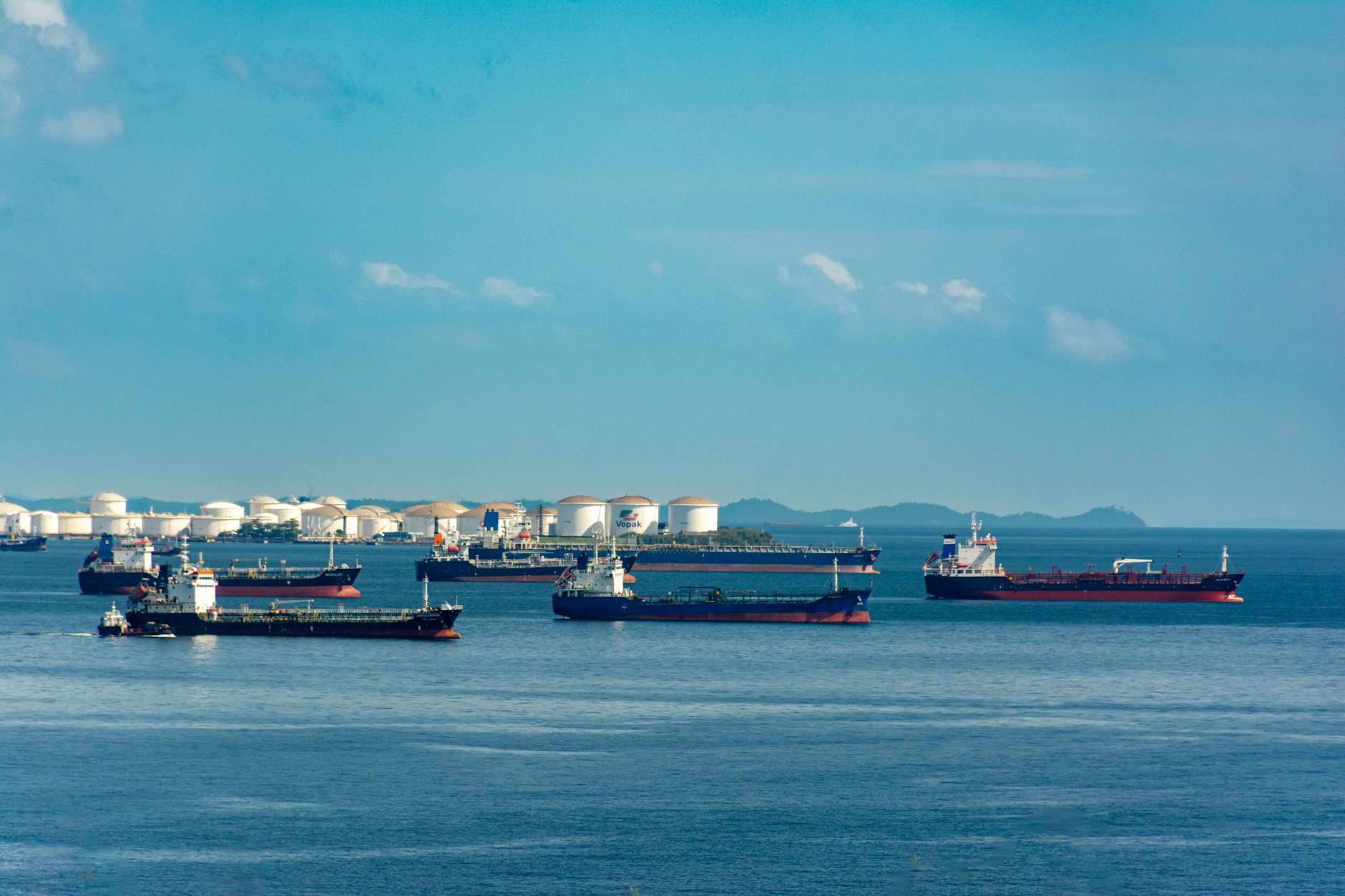
However, the Strait of Hormuz reopening remains the ultimate prize. The EIA estimates that over 100 tankers are currently idling in the Gulf of Oman and the Persian Gulf. A full resumption of traffic would not only flood the market with crude but also restore the flow of LNG from Qatar, which had declared force majeure on several European contracts in April, sending German electricity prices to record highs.
Macro Implications: A Lifeline for Inflation
If the $100-per-barrel ceiling holds, the implications for global inflation are profound. The “second wave” of inflation in 2026 was largely driven by energy and logistics costs.
- Consumer Relief: If Brent remains near $100, US retail gasoline prices could retreat from their $4.50 highs toward $3.75 by mid-summer. This would provide a significant boost to consumer sentiment heading into the second half of the year.
- Supply Chain Normalization: Shipping giants like Maersk and MSC had been adding “war risk surcharges” of up to $2,000 per container for routes passing through the region. A formal peace deal would likely see these fees abolished, easing the cost of imported goods in Europe and Asia.
- Emerging Markets: Countries like India and Turkey, which are heavily dependent on imported energy, have seen their currencies pummeled. Today’s price slump provides a crucial “breathing room” for central banks in these regions to avoid further emergency rate hikes.
Risks and Caveats: Why This Isn’t a “Done Deal”
Despite the euphoria, seasoned observers at the Financial Times and The Economist remain cautiously skeptical. A “framework” is a blueprint, not a building.
“We have seen ‘frameworks’ in the Middle East turn to ash within hours,” warns a veteran diplomat involved in the 2015 JCPOA negotiations. “The hard part isn’t agreeing to stop shooting; it’s the verification of Iranian centrifuges and the permanent lifting of US naval blockades. Any skirmish in the Gulf tonight could send Brent back to $120 by tomorrow morning.”
Furthermore, the Israeli factor cannot be ignored. Prime Minister Netanyahu’s government has remained conspicuously silent on the Islamabad MoU. If Jerusalem perceives the deal as giving Iran too much “nuclear headroom,” a unilateral strike remains a “tail risk” that keeps the market’s floor firmly around $90.
Winners and Losers in the “Peace Framework” Economy
| Winners | Losers |
| Global Airlines: Massive relief on jet fuel hedges. | US Shale Producers: The “war premium” that made $110/bbl extraction lucrative is thinning. |
| Central Banks: Lower energy prices ease the “sticky” inflation narrative. | Defense Contractors: The immediate urgency for “Project Freedom” hardware may cool. |
| China & India: The world’s largest oil importers get a significant trade balance boost. | Russian Urals: The narrowing of the Brent-Urals spread reduces Moscow’s shadow-market leverage. |
| The Renewables Sector: Paradoxically, high volatility often accelerates the transition to stable green energy. | Speculative Hedge Funds: Those “long” on $150 oil futures are facing significant margin calls today. |
The Road Ahead: Scenarios for Q3 2026
Where does the oil market go from here? We see three primary scenarios for the remainder of the year:
Scenario 1: The “Grand Bargain” (30% Probability)
The MoU transitions into a formal treaty by July. The Strait of Hormuz reopens fully, and Iranian production returns to 2.5 million barrels per day. Brent settles in the $80–$85 range. Inflation retreats globally.
Scenario 2: The “Fragile Truce” (50% Probability)
The war ends, but sanctions remain. The Strait is “open but nervous,” with high insurance premiums lingering. Brent oscillates between $95 and $105. This is the “muddle-through” scenario the market is currently pricing in.
Scenario 3: The “Breakdown” (20% Probability)
Negotiations fail in Islamabad. Iran resumes mining the Strait; the US re-launches Project Freedom with a “decisive force” mandate. Brent spikes toward $140.
Expert Outlook
The market’s reaction today is a testament to the sheer exhaustion of global capital. Investors are desperate for a return to a “normalized” energy landscape where supply and demand, rather than drone strikes and naval blockades, dictate the price of a barrel.
However, the structural scars of the 2026 Iran War will take years to heal. The world has seen how fragile the Hormuz chokepoint truly is. Even with a deal, the “risk premium” is unlikely to disappear entirely. For now, the world can breathe easier, but it should keep its hand on the oxygen mask. The road from Islamabad to a stable $80 barrel of oil is paved with a thousand opportunities for derailment.
Frequently Asked Questions (FAQ)
Q: Why did oil prices fall so fast today?
A: The drop was driven by reports of a “one-page MoU” between the US and Iran to end their conflict, coupled with President Trump’s pause on the “Project Freedom” naval operation. This signaled to the market that the closure of the Strait of Hormuz might soon end.
Q: Will gas prices go down immediately?
A: While crude prices fall instantly on futures markets, it usually takes 2–3 weeks for these changes to “trickle down” to the pump due to refinery cycles and distribution costs. However, a sustained drop below $100 Brent will certainly lower retail prices by early June.
Q: What is “Project Freedom”?
A: It was the US military operation launched in early 2026 to provide armed escorts for commercial oil and LNG tankers through the Strait of Hormuz following Iranian blockades.
Q: Does this deal mean Iran is no longer a nuclear threat?
A: No. The current framework is a “de-escalation” deal, not a final nuclear treaty. It focuses on ending active hostilities and providing basic IAEA access, but the long-term nuclear questions remain part of future “Phase 2” negotiations.
Discover more from The Economy
Subscribe to get the latest posts sent to your email.


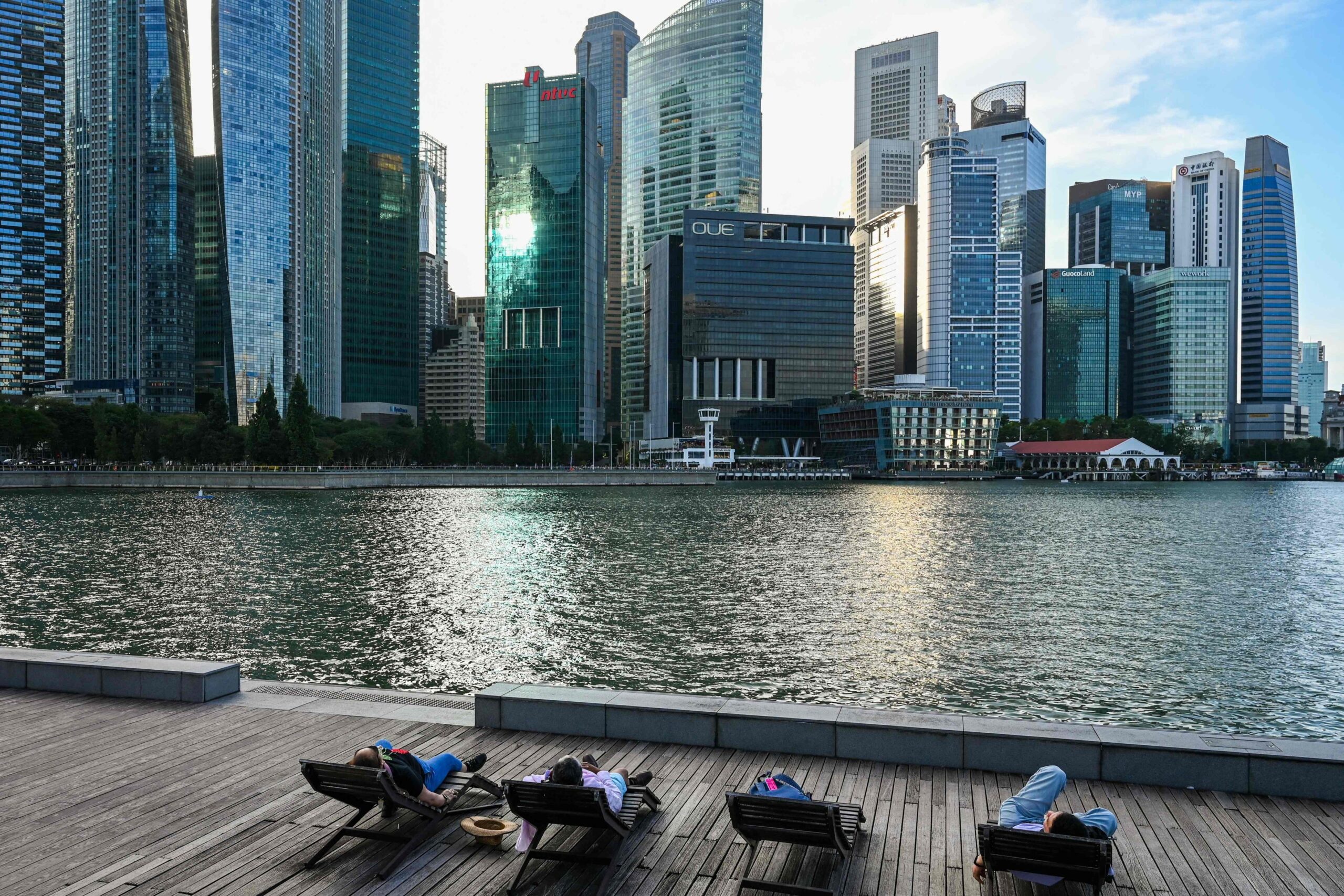
Singapore has spent the past two years becoming one of the primary beneficiaries of the global AI infrastructure buildout, alongside Taiwan’s semiconductor sector. The city-state’s role as a data-center hub allowed it to capture significant capital inflows even as the broader labour-market impact of that investment stayed limited, given how capital-intensive AI infrastructure spending tends to be (J.P. Morgan Private Bank).
Why the AI cycle didn’t stay contained to Singapore
What is changing in 2026 is the geography of that investment. J.P. Morgan’s Asia outlook notes Southeast Asian economies — traditionally anchored in commodities and export manufacturing — are now aligning more closely with the global AI investment cycle by deepening involvement in higher-value areas: infrastructure, hardware and complementary supply chains (J.P. Morgan Private Bank).
Land constraints in Singapore make expansion difficult, which is precisely where the Johor-Singapore Special Economic Zone becomes central to the region’s AI investment thesis rather than a side story.
The Johor SEZ as capacity release valve
Johor has launched a 7,300-acre innovation sandbox as part of the new special economic zone bordering Singapore, explicitly designed to combine Johor’s land and scale with Singapore’s capital and speed, according to the state investment committee’s chair (Fortune). One local official described the ambition bluntly: the zone is meant to be more than “an industrial park with a nicer brochure” (Fortune).
Malaysia’s structural beneficiary position
Malaysia’s electrical and electronics sector already accounts for roughly 40% of the country’s total exports, with semiconductors comprising about 65% of E&E exports — positioning Malaysia as a structural beneficiary of the AI-linked shift in regional trade, according to J.P. Morgan’s Asia analysis (J.P. Morgan Private Bank). Malaysia’s economy minister has framed 2026 explicitly as a year of “execution” for the Anwar administration as it tries to lock in these policy gains (Fortune).
Monetary policy backdrop supports the buildout
Asian central banks spent much of 2025 easing policy and are entering the final stages of that cycle in 2026, shifting more of the growth-support burden to fiscal policy — a backdrop J.P. Morgan expects to support stronger domestic credit growth and consumer demand across the region, reinforcing rather than competing with the AI capital cycle (J.P. Morgan Private Bank).
The regional risk to watch
Most of the region avoided the brunt of 2025’s tariff shock thanks to exemptions on semiconductors, electronics and pharmaceuticals, but that exemption structure remains a policy choice in Washington rather than a permanent feature — meaning the Singapore-Johor AI corridor’s growth case still carries meaningful US trade-policy risk that investors should not discount simply because 2025’s tariffs were absorbed relatively smoothly (J.P. Morgan Private Bank).
Discover more from The Economy
Subscribe to get the latest posts sent to your email.
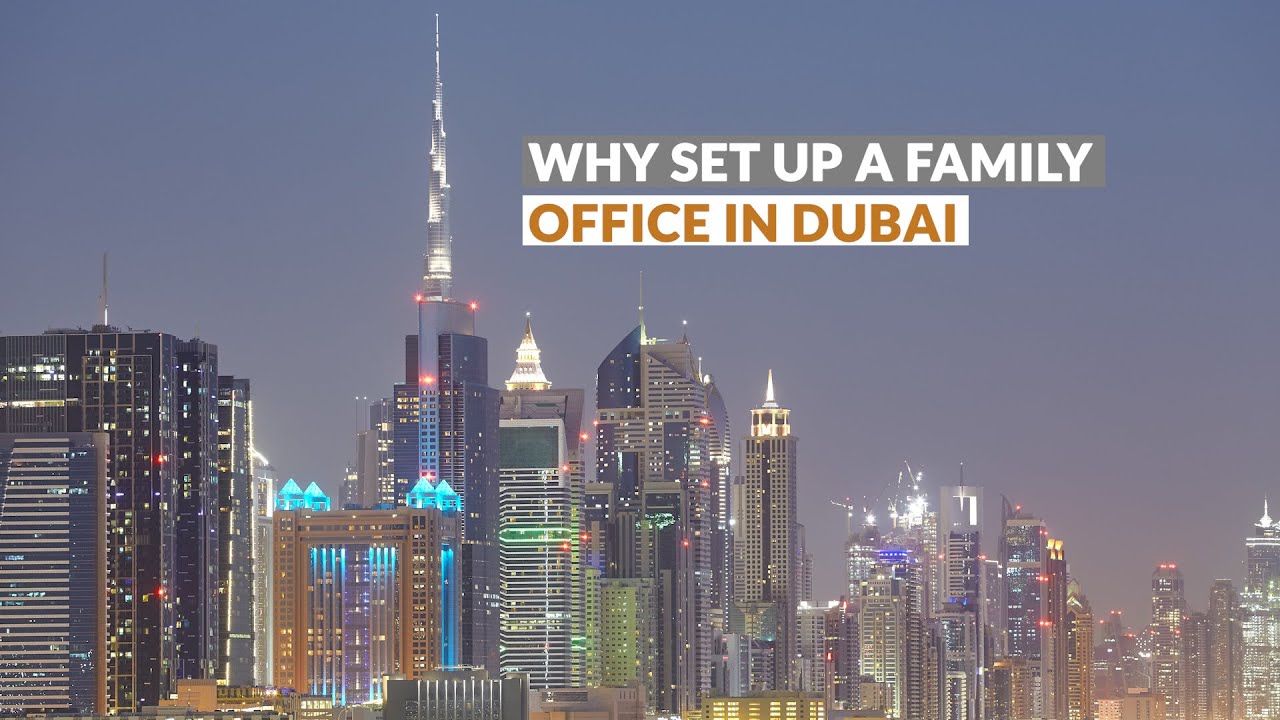
Dubai’s transformation from oil-adjacent trading post to global capital hub is no longer a talking point — it is a measurable trend. The emirate’s newly launched Economic Survey 2026 shows GDP climbing to $265 billion alongside rising employment, while international family offices are gathering for the Family Office Summit Dubai 2026 as the city cements its position as a family-wealth hub (Gateway Group; Arabian Business).
The non-oil growth engine
The UAE enters 2026 with the World Bank projecting national growth of roughly 5%, well above the global average, driven substantially by 5.3% expansion in the non-oil sector (Barchart). Technology, green energy and healthcare are the top-performing sectors, and 64% of UAE executives expect trade volumes to exceed 2025 levels — confidence underpinned by the country’s expanding network of Comprehensive Economic Partnership Agreements (Barchart). Historically, oil production accounted for half of Dubai’s GDP; today it contributes less than 1% (Wikipedia/Economy of Dubai).
Why family offices specifically are relocating
The Family Office Summit Dubai 2026 is drawing international participants precisely because the emirate has built regulatory infrastructure — inside jurisdictions like the DIFC — designed to attract exactly this category of capital. As one DIFC executive noted, incentives alone are no longer enough to win global finance; institutional credibility and regulatory clarity now matter more, which explains why firms such as Sixth Street have opened Abu Dhabi offices as global investment houses deepen their Middle East presence (Gateway Group).
Infrastructure is compounding the pull
Beyond finance, the UAE’s infrastructure build-out is reinforcing the wealth-hub thesis. Etihad Rail’s Abu Dhabi–Fujairah passenger service and the Madinat Zayed and Liwa station openings, arriving ahead of schedule, signal a state execution model that investors increasingly cite as a differentiator versus regional peers (GCC Business Watch). Dubai has also rolled out a AED 1 billion economic support package aimed at business liquidity and resilience amid regional geopolitical headwinds (GCC Business Watch).
The regional competition for capital
Dubai’s rise is happening alongside — not in isolation from — a broader Gulf capital race. Saudi Arabia’s economy is set for stronger growth per IMF assessments, and Gulf sovereign and corporate capital is increasingly being deployed across sectors from AI infrastructure to green growth commitments, meaning Dubai’s wealth-hub status will need continual reinforcement rather than passive maintenance (GCC Business Watch).
The bottom line for investors
For family offices weighing jurisdiction, Dubai’s pitch in 2026 combines three elements rarely available together: near-zero effective taxation, a non-oil economy growing faster than most G20 peers, and physical and financial infrastructure being built ahead of demand rather than in reaction to it. That combination — not simply low tax rates — is what is now pulling global family wealth toward the emirate.
Discover more from The Economy
Subscribe to get the latest posts sent to your email.
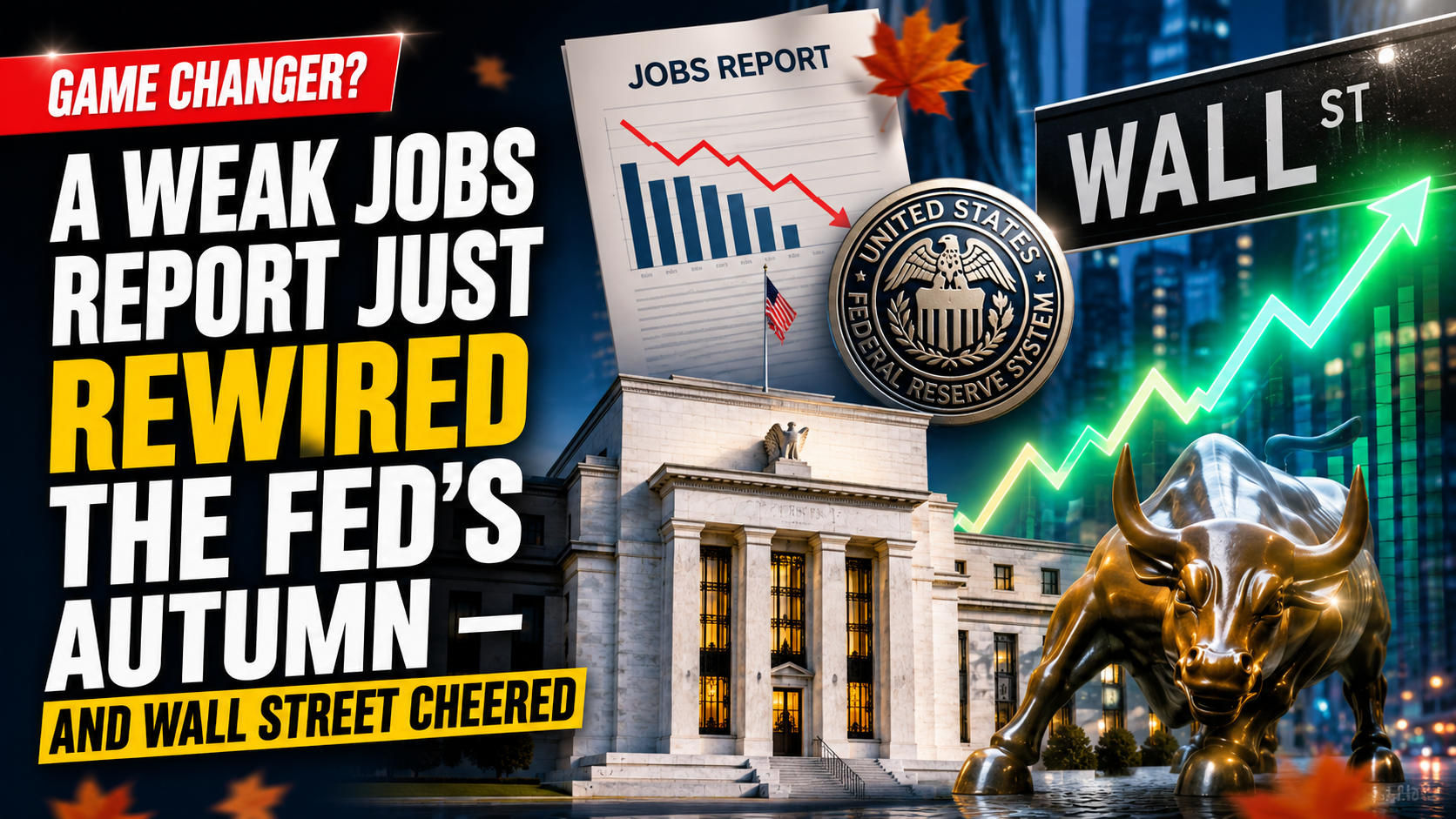
American payrolls contracted by 23,000 in July, a stunning miss against consensus expectations of an 80,000 gain, while the unemployment rate ticked down to 4.1% — a combination that reads less like resilience than like a shrinking labour force (e-Morning Coffee). The labour-force participation rate fell to its lowest level in fifty years outside the pandemic, a structural detail markets have been slower to price than the headline payrolls miss (e-Morning Coffee).
Why bad news was good news for stocks
The market reaction was immediate and largely one-directional: Treasury yields fell across the curve, growth stocks recaptured months of losses in a single session, and rate-hike probability for the September and November FOMC meetings collapsed toward zero (Clearbrook). The S&P 500 posted its best weekly performance since the spring’s Iran-ceasefire rally, gaining 3.59%, with Information Technology leading all sectors at +7.22% — its largest single-week advance of 2026 — powered by the combination of a strong Apple earnings print and the sharp repricing of Fed expectations (Clearbrook).
The rally was notably broad rather than concentrated in mega-cap technology: the equal-weighted S&P 500 advanced 2.43%, Materials gained 5.61%, Industrials rose 3.03%, and the Russell Micro Cap index — which benefits disproportionately from lower rate expectations given its more leveraged constituents — surged 5.77% (Clearbrook). Growth stocks also outperformed value for the week, though value still leads decisively on a year-to-date basis, 23.48% versus growth’s 5.68% (Clearbrook).
The Fed’s dissenters, suddenly exposed
Perhaps the most consequential detail is political rather than statistical: three FOMC members who had dissented in favour of an immediate rate hike just a week before the report was released now find themselves in a significantly weakened position within the committee (Clearbrook). A single data print has shifted the internal balance of the Fed’s policy debate heading into September.
This is the third straight “cruel summer”
What distinguishes 2026 from a one-off shock is the pattern. In each of the last two years, a comparable summer weakening in US employment data has pushed the Federal Reserve into a short cycle of rate cuts — meaning July’s contraction fits a now-recognisable seasonal-plus-structural trend rather than standing as an isolated anomaly (Bloomberg).
What to watch next
Two threads now dominate the September calendar: whether the Fed opts for a standard 25-basis-point cut or moves more aggressively given the depth of the labour miss, and whether the falling participation rate — rather than the unemployment rate — becomes the metric investors and policymakers watch most closely. A shrinking labour force can flatter the headline unemployment number while masking real economic softness, and that distinction will shape how credible the “soft landing” narrative remains through year-end.
Discover more from The Economy
Subscribe to get the latest posts sent to your email.

Singapore’s AI Boom Is Now a Two-Country Story

Why Global Family Offices Are Converging on Dubai in 2026

A Weak Jobs Report Just Rewired the Fed’s Autumn — And Wall Street Cheered

Britain’s Fragile Rebound Meets a Budget Deadline and a Trump Ultimatum

Pakistan’s Economy Grew 3.7% — So Why Doesn’t It Feel Like a Recovery?

Top 15 Financial Stocks for Investment in PSX

Pakistan Exports 2026: Record $35.6B Forecast Masks Trade Deficit Risk

UK’s Jobs Downturn Now Matches the 2008 Financial Crisis — And AI Is Accelerating It

Fed Rate Cut Bets Surge After Shock US Jobs Report Exposes Labor Market Cracks

Pakistan’s Trade Gap Widens to $3.95bn Despite Meeting FY26 Current Account Target

Why Ottawa Is Betting on Dubai: Inside Canada’s Gulf Trade Pivot

UK Wealth Tax Fears Trigger Record £13.9bn Investor Exodus Ahead of October Budget

July Jobs Shock: Why the Fed’s September Rate Decision Just Flipped (2026 Analysis)

Global Growth Forecast 2026: IMF, World Bank Outlooks and the “Slow-Hire, Slow-Fire” Labor Market

Gold Price Forecast 2026: Fed’s July 29 Decision and Record Central Bank Buying Explained

China Politburo July 2026: Stimulus Signals Explained

Pakistan Economy 2026: GDP Grows 3.7% as IMF Completes EFF Review Amid Middle East Risk

Strait of Hormuz Blockade 2026: Oil Prices Surge 9% as US-Iran Conflict Reignites

Down But Not Out: Inside the Slow Sinking of Russia’s War Economy

Apple vs OpenAI Lawsuit: The Economic Story Behind the Headline

Gulf Capital Retreat From Pakistan 2026: UAE Loan Freeze & What It Means

Global Stock Market Selloff 2026: Stagflation Fears Return as Iran Conflict Reignites

Pakistan’s Economic Survey FY26: Inflation Spike Insights

Russia Fuel Shortages 2026: Inside a Cracking War Economy

Strait of Hormuz Crisis 2026: How Trump’s Toll U-Turn Exposes Global Economic Risk

Bank of England Rate Decision Amid Energy Crisis

Russia’s War Economy Model Is Starting to Crack, Think Tank Warns

Pakistan’s Economic Growth: Resilience Amid Challenges
-

 Markets & Finance7 months ago
Top 15 Stocks for Investment in 2026 in PSX: Your Complete Guide to Pakistan’s Best Investment Opportunities
-

 Analysis6 months ago
Johor’s Investment Boom: The Hidden Costs Behind Malaysia’s Most Ambitious Economic Surge
-

 Analysis6 months ago
Top 10 Stocks for Investment in PSX for Quick Returns in 2026
-

 Analysis6 months ago
Brazil’s Rare Earth Race: US, EU, and China Compete for Critical Minerals as Tensions Rise
-

 Banks7 months ago
Best Investments in Pakistan 2026: Top 10 Low-Price Shares and Long-Term Picks for the PSX
-

 Investment7 months ago
Top 10 Mutual Fund Managers in Pakistan for Investment in 2026: A Comprehensive Guide for Optimal Returns
-

 Global Economy8 months ago
15 Most Lucrative Sectors for Investment in Pakistan: A 2025 Data-Driven Analysis
-

 Global Economy8 months ago
Pakistan’s Export Goldmine: 10 Game-Changing Markets Where Pakistani Businesses Are Winning Big in 2025