
China Economy
China’s Record $1.2 Trillion Trade Surplus in 2025 Defies Trump Tariffs — And Signals a New Global Order

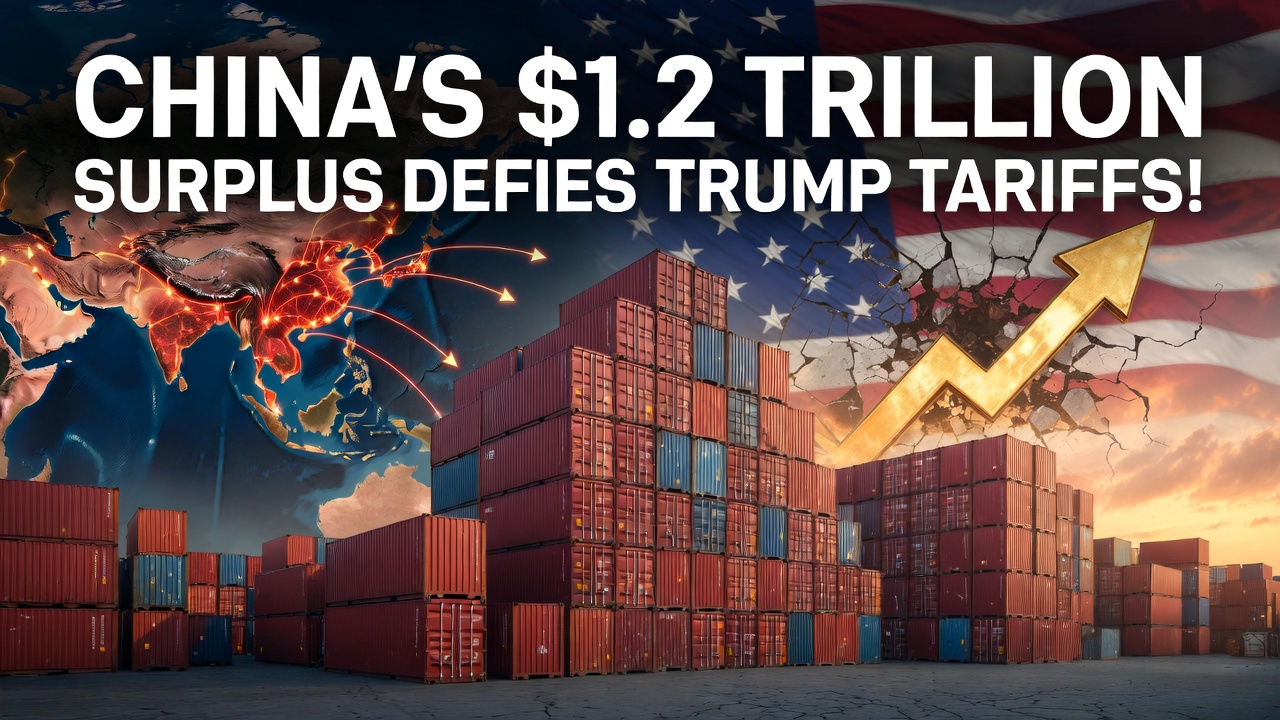
Beijing’s strategic pivot to Southeast Asia, Africa, and Latin America pays dividends as Chinese exporters outmaneuver US trade barriers
On a humid January morning at Shenzhen’s Yantian Port, one of the world’s busiest container terminals, the rhythmic clang of cranes loading shipping containers tells a story that Washington policymakers didn’t anticipate. Despite President Donald Trump’s aggressive tariff regime, which slashed Chinese exports to the United States by roughly 20% in 2025, the port’s traffic has surged. The destination tags reveal the plot twist: Lagos, Jakarta, São Paulo, Ho Chi Minh City—everywhere, it seems, except American shores.
This scene encapsulates China’s remarkable trade performance in 2025. The country closed the year with a record-breaking trade surplus of approximately $1.19 trillion—a 20% jump from 2024’s $992 billion—according to data released January 14, 2026, by China’s General Administration of Customs. The figures represent not just a numerical milestone but a fundamental recalibration of global trade flows, one that challenges assumptions about America’s economic leverage and heralds what some analysts are calling a “post-Atlantic” trading order.
The Numbers: A Surplus Built on Strategic Diversification
China’s 2025 trade data reveals an economy executing a carefully orchestrated pivot. Total exports climbed 5.5% to $3.77 trillion, while imports remained virtually flat at $2.58 trillion, expanding the trade imbalance to unprecedented levels. December alone saw exports surge 6.6% year-over-year—faster than any economist predicted—defying concerns about front-loading effects from 2024’s rush to beat anticipated tariffs.

The composition of this growth tells the real story. While shipments to the United States plummeted—declining in nine consecutive months and dropping 30% in December alone, for a full-year decline of approximately 20%—Chinese exporters found eager customers elsewhere. According to customs spokesperson Lv Daliang, growth rates to emerging markets “all surpassed the overall rate,” revealing Beijing’s successful execution of what trade analysts call the most significant export diversification campaign by a major economy in modern history.
Africa led the charge with a stunning 26% increase in Chinese exports, followed by ASEAN nations at 13%, Latin America at 7%, and the European Union at 8%. These aren’t marginal markets absorbing overflow; they represent a structural reorientation. In absolute terms, China’s trade with ASEAN countries alone is projected to have exceeded $1.05 trillion in 2025, cementing the bloc’s position as Beijing’s largest trading partner—surpassing both the United States and European Union.
The product mix has also evolved. Higher-value exports—semiconductors, automobiles, and ships—all recorded gains exceeding 20%, while lower-end products like toys, shoes, and clothing contracted. Auto exports alone surged 21% to more than 7 million units, driven by electric vehicles and plug-in hybrids that are reshaping global automotive supply chains.
The Tariff Jolt and Beijing’s Long Game
The Trump administration’s tariff offensive, which escalated throughout 2025 with duties approaching 60% on some Chinese goods, was designed to bring Beijing to heel. Instead, it accelerated trends that Chinese policymakers had been cultivating since the first trade war began in 2018. The difference this time was both the scale of US measures and the sophistication of China’s response.
Beijing’s playbook drew heavily from its Dual Circulation strategy, articulated in 2020 but turbocharged after Trump’s 2024 election victory signaled renewed trade hostilities. As described by the World Economic Forum, this framework emphasized reducing vulnerability to Western pressure through trade diversification, industrial upgrading, and domestic resilience—precisely the pillars that bore fruit in 2025.
“The authorities have been preparing for this moment since at least 2017,” notes Markus Herrmann Chen, founder of China Macro Group. Trade with Belt and Road Initiative participating countries reached RMB 11.6 trillion ($1.6 trillion) by 2021, according to the Atlantic Council—far surpassing trade with the EU or United States. By 2025, this diversification had reached critical mass.
The policy infrastructure supporting this shift included export financing facilities, expedited customs clearance for emerging market destinations, upgraded free trade agreements (including the newly enhanced China-ASEAN FTA finalized in May 2025), and diplomatic campaigns that paired infrastructure investments with market access. Meanwhile, a weakening yuan—reflecting domestic deflationary pressures—made Chinese goods even more price-competitive globally, with export prices declining for their third consecutive year.
Diversification in Action: Three Theaters of Expansion
Southeast Asia: The Manufacturing Nexus
Vietnam, Indonesia, Thailand, and Malaysia have become the frontline states in China’s geographic pivot. Chinese exports to ASEAN grew 13% in 2025, but the relationship runs deeper than simple trade flows. As Rhodium Group documents, Chinese manufacturing FDI into ASEAN averaged $10 billion over the past three years—nearly four times the 2014-2017 average—with Indonesia and Vietnam together attracting 56% of investment value.
This isn’t merely about circumventing tariffs through “transshipment”—though that certainly occurs and has triggered US scrutiny. Chinese firms are establishing genuine production capacity, particularly in electric vehicles, solar panels, electronics, and steel. BYD’s multi-billion-dollar EV plants in Thailand, CATL’s battery facilities across the region, and countless component manufacturers represent a reconfiguration of supply chains that will outlast any tariff regime.
The integration is symbiotic but asymmetric. ASEAN countries rely heavily on Chinese intermediate inputs—averaging one-third of their imported materials, according to East Asia Forum—meaning Chinese value-added content in “ASEAN-made” exports remains substantial. Vietnam’s exports to the US surged 30% in 2025, powered by electronics and textiles, but many incorporate Chinese components assembled by Chinese-invested factories employing Chinese supply chain management.
Yet this dependence cuts both ways. As Asia Society research warns, the flood of finished Chinese goods—particularly EVs, solar panels, and consumer electronics—is displacing local production. Indonesia’s textile sector shed 80,000 jobs in 2024, with 280,000 more at risk in 2025. Thailand has seen Japanese automakers like Subaru, Suzuki, and Nissan close factories as Chinese EVs capture market share. The challenge for ASEAN is navigating between benefiting from Chinese investment and protecting nascent industries from predatory pricing.
Africa: The Consumption Frontier
China’s 26% export surge to Africa in 2025 marks a qualitative shift in the relationship. While infrastructure projects and resource extraction have long defined China-Africa ties, 2025 saw Beijing pivot decisively toward consumer markets. Chinese exports to the continent in the first three quarters rose 28% year-over-year to approximately $122 billion, according to Bloomberg analysis, driven by construction machinery, passenger cars, steel, electronics, and solar panels (which jumped 60%).
Nigeria led African imports, accounting for 11% of the total at approximately 4.66 trillion naira, followed by South Africa (10%), Egypt (9%), and others. The CNBC investigation of social media posts and business registrations reveals thousands of Chinese entrepreneurs establishing small businesses across African cities—selling electronics, bubble tea, furniture, press-on nails—targeting Africa’s emerging middle class of 350 million consumers.
This expansion comes as profit margins narrow at home amid deflation and intense competition. “Africa benefits from cheap consumer goods,” observes Capital Economics, “but risks undermining local manufacturing and deepening trade imbalances.” Indeed, Africa’s trade deficit with China ballooned to nearly $60 billion through August 2025, perpetuating colonial-era patterns: raw materials (oil, minerals, cobalt, copper) flow to China while manufactured goods flow back.
Kenya exemplifies both opportunity and vulnerability. Chinese construction machinery and solar panels support infrastructure development, while Chinese EVs offer affordable transport options. Yet as ISS Africa notes, much of Africa’s exports to China are controlled by Chinese-owned firms operating on the continent, with earnings flowing back to foreign investors rather than stimulating local value chains. Without aggressive local content requirements and industrial policy, the $200 billion projected for China-Africa trade in 2025 may reinforce dependency rather than catalyze development.
Latin America: The EV Battleground
Latin America absorbed approximately $276 billion in Chinese exports by November 2025—up nearly 8% despite the ongoing US-China trade conflict. Brazil emerged as China’s prize market, with exports soaring over 25% to reach $30 billion in the first five months alone, according to Americas Market Intelligence. The star attraction: electric vehicles.
Brazil imported approximately 130,000 Chinese EVs in just the first five months of 2025—a tenfold increase from 2024—making it China’s largest EV export market globally. BYD is investing heavily in Brazilian production facilities, planning to manufacture 10,000 units in 2025 and 20,000 by end-2026. American Century Investments reports similar dynamics in Mexico, where Chinese auto exports rose 36%, and Argentina, where imports of Chinese goods nearly doubled amid bilateral RMB payment agreements that eased dollar shortages.
Beyond autos, Chinese exports span industrial machinery, telecommunications equipment, steel, and construction materials supporting infrastructure development. Peru’s Chancay megaport, a Chinese-funded deep-water facility designed to service ultra-large container ships, symbolizes Beijing’s long-term regional ambitions—creating logistics infrastructure that will funnel South American commodities to Asia while providing entry points for Chinese manufactured goods.
Yet geopolitical tensions simmer beneath the commerce. Mexico faces intense US pressure to impose tariffs on Chinese goods and guard against “transshipment” of China-made products bound for American markets. In December 2025, Mexico approved a sweeping overhaul of import taxes affecting 1,463 tariff lines across 17 strategic sectors, targeting China and other nations. The Trump administration has explicitly warned Mexico that failure to curb Chinese imports could trigger US tariffs on Mexican exports—a pressure campaign that reveals Washington’s anxieties about losing influence in its own hemisphere.
Domestic Drivers: Deflation as Export Engine
The paradox of China’s export boom is that it reflects economic weakness as much as strength. Behind the record surplus lies a structural malady: anemic domestic consumption and persistent deflation that has forced Chinese manufacturers to seek markets abroad rather than building demand at home.
China’s consumer prices remained flat in 2025, missing the official 2% target, while the GDP deflator—a broad price gauge—declined for ten consecutive quarters through late 2025. Factory-gate prices have been in deflationary territory since October 2022. This isn’t a statistical quirk; it reflects weak household demand, a property sector that has contracted by half since its 2021 peak, and local government fiscal crises that constrain public spending.
“No economy has recorded 5% real GDP growth while facing years of persistent deflation,” argues Logan Wright of Rhodium Group in a December 2025 analysis. He estimates China’s actual 2025 growth fell short of 3%, far below the official 5% target, with domestic demand “anemic and confined to modest household consumption expansion.”
The International Monetary Fund’s December 2025 assessment is blunt: “The prolonged property sector adjustment, spillovers to local government finances, and subdued consumer confidence have led to weak domestic demand and deflationary pressures.” IMF Managing Director Kristalina Georgieva called for “more forceful and urgent” policies to transition to consumption-led growth, warning that “reliance on exports is less viable for sustaining robust growth” given China’s massive economic size and heightened global trade tensions.
The feedback loop is pernicious. Deflation encourages households to delay purchases and increase savings (China’s household savings rate remains among the world’s highest). Weak domestic demand forces manufacturers to cut prices, triggering brutal price wars—particularly in automotive, solar, and steel—that further erode profitability and investment. Unable to earn returns domestically, companies dump products abroad at marginal cost, creating the export surge that manifests as a trade surplus.
“The swelling surplus underscores the imbalance between China’s manufacturing strength and stubbornly weak domestic consumption,” observes Business Standard. It’s a symptom, not a sign of health—akin to Germany’s persistent surpluses during its “sick man of Europe” phase or Japan’s export dependence during lost decades of deflation.
Global Ripples: Winners, Losers, and Backlash
China’s export offensive creates ripple effects across the global economy, producing both opportunities and tensions that will shape trade policy for years.
Emerging market pressures: While developing nations benefit from affordable Chinese capital goods, consumer electronics, and infrastructure inputs, they face mounting risks. Local manufacturers struggle against subsidized competition. Capital Economics warns that “governments in Nigeria, South Africa, and Kenya may seek to defend respective industries,” but most commodity-dependent African nations “are likely to prioritize trade ties with China over industrialization ambitions.” The trade-off between cheap imports and industrial development presents a Faustian bargain.
Currency effects and financial flows: China’s deflationary pressures have driven real exchange rate depreciation, making exports even more competitive. The current account surplus reached 3.7% of GDP in Q1 2025, but this was offset by significant capital outflows as Chinese investors sought returns abroad and hedged against domestic uncertainties. The World Bank’s December 2025 update notes that “larger net capital outflows outweighed the current account surplus,” reflecting private-sector concerns about China’s economic trajectory.
Protectionist backlash: The flood of Chinese goods is triggering defensive measures globally. The European Union faces growing political pressure to counter what officials describe as unfair competition from state-subsidized Chinese manufacturers, particularly in EVs, solar panels, and steel. Preliminary EU tariffs on Chinese EVs reached as high as 45%, while solar panel duties from Southeast Asian countries (themselves hosting Chinese production) range from 21% to 271%. Brazil, Turkey, and India have imposed automotive tariffs. Even Russia—China’s largest auto export market in 2023-2024—recently enacted non-tariff barriers to protect domestic production.
US strategic concerns: Washington’s anxieties extend beyond economics. The Trump administration’s “transshipment” provisions, which threaten 40% tariffs on goods deemed to have been illegally rerouted through third countries, aim squarely at Chinese supply chain strategies in ASEAN and Mexico. S&P Global analysis warns that strict rules-of-origin enforcement could “adversely affect export competitiveness” of Malaysia, Singapore, Thailand, and Vietnam—countries with low domestic value content but high Chinese integration.
The geopolitical subtext is unmistakable. As Americas Quarterly notes, China’s infrastructure investments and manufacturing presence in Latin America represent “a direct challenge to US dominance in the region.” Chinese space facilities in Argentina, ports in Peru, and 5G networks across the hemisphere trigger national security debates in Washington, revealing that trade battles mask deeper great-power competition.
What Comes Next: Risks and Rebalancing
The sustainability of China’s export-driven model faces mounting challenges that will test Beijing’s economic management in 2026 and beyond.
Overcapacity and market saturation: China’s manufacturers expanded production capacity dramatically during the pandemic, anticipating continued growth. As domestic demand faltered, this capacity became stranded, forcing companies to export at unsustainably low prices. The risk, as Rhodium Group observes, is that “overcapacity flooding” will provoke coordinated international responses—tariffs, anti-dumping duties, investment restrictions—that close off markets faster than Beijing can diversify.
Lynn Song, chief economist for Greater China at ING Groep, warns China faces “some pushback” as its higher-end products become globally competitive. The more successfully Chinese firms move up the value chain—competing in EVs, semiconductors, renewable energy—the more likely they are to trigger defensive industrial policies from advanced economies protecting strategic sectors.
Geopolitical fragmentation: The rules-based trading system that facilitated China’s rise is fracturing. As emerging markets become battlegrounds between Chinese commercial interests and Western political pressure, countries face increasingly binary choices. The US is weaponizing market access, conditioning trade relationships on partners’ willingness to limit Chinese participation. Mexico’s tariff reforms exemplify this squeeze—economic logic suggests embracing Chinese investment, but geopolitical realities demand demonstrating alignment with Washington.
Domestic rebalancing imperatives: Every major international institution—the IMF, World Bank, OECD—agrees that China must transition to consumption-driven growth. Yet 2025 demonstrated how difficult this transformation is. Retail sales growth barely exceeded 1% by year-end, despite trade-in subsidies and consumption vouchers. The property crisis shows no signs of resolution, local government debt problems worsen, and deflationary psychology becomes more entrenched with each passing quarter.
The IMF’s December 2025 assessment projects China’s growth will moderate to 4.5% in 2026 (down from 5% in 2025) as “it would take time for domestic sources of growth to kick in.” Sonali Jain-Chandra, the IMF’s China Mission Chief, argues that “macro policies need to focus forcefully on boosting domestic demand” to “reflate the economy, lift inflation, and lead to real exchange rate appreciation”—precisely the medicine Beijing has been reluctant to administer.
The 2026 outlook: Natixis economist Gary Ng forecasts Chinese exports will grow about 3% in 2026, down from 5.5% in 2025, but with slow import growth, he expects the trade surplus to remain above $1 trillion. This would represent a third consecutive year of record surpluses—unprecedented for an economy of China’s scale and development level.
The comparison to historical precedents is instructive. Germany ran persistent current account surpluses approaching 8% of GDP in the 2010s, triggering criticism but ultimately reflecting structural savings-investment imbalances. Japan’s export dominance in the 1980s provoked “voluntary” export restraints and contributed to asset bubbles when yen appreciation finally arrived. China’s $1.2 trillion surplus in 2025 represented roughly 6-7% of GDP—a figure that would be unsustainable indefinitely without either forced adjustment through currency appreciation or external pressure through coordinated tariffs.
Conclusion: A Pyrrhic Victory?
China’s record $1.2 trillion trade surplus in 2025 demonstrates the resilience and adaptability of the world’s manufacturing superpower. Against expectations, Chinese exporters not only survived the Trump administration’s tariff assault but thrived, finding eager customers from Lagos to Jakarta to São Paulo. The successful execution of trade diversification—years in planning, accelerated by necessity—has reduced China’s vulnerability to any single market and cemented commercial relationships across the Global South.
Yet this triumph carries hidden costs and uncertain longevity. The surplus reflects not vibrant economic health but the malaise of a economy unable to generate sufficient domestic demand to absorb its own productive capacity. Deflation, property crisis, and weak consumer confidence reveal structural imbalances that export growth merely postpones addressing rather than resolving. Every major international economic institution warns that export-led growth is reaching its natural limits for an economy of China’s scale.
Geopolitically, China’s export offensive is hardening Western resolve to reduce dependencies and rebuild domestic industrial capacity—the very “decoupling” Beijing sought to avoid. The more successful Chinese manufacturers become at penetrating global markets, the more protectionist the response grows. We are witnessing not the end of US-China trade conflict but its globalization, as secondary markets become contested terrain and supply chains fragment along geopolitical lines.
For global policymakers, 2025’s trade data poses a fundamental question: Can the international economy accommodate a manufacturing superpower running trillion-dollar surpluses year after year? History suggests not without significant adjustment—through currency appreciation, domestic rebalancing, or external pressure. The lesson of 2025 is that Chinese firms are extraordinarily capable of adapting to barriers and finding new markets. The lesson of 2026 may be that even the most successful export diversification cannot indefinitely substitute for robust domestic demand.
As containers continue loading at Shenzhen’s ports, bound for an ever-widening array of destinations, the numbers tell a story of tactical success masking strategic vulnerability. China has won the battle against Trump’s tariffs. The war for sustainable economic growth, however, requires victories on the home front that remain frustratingly elusive.
Discover more from The Economy
Subscribe to get the latest posts sent to your email.


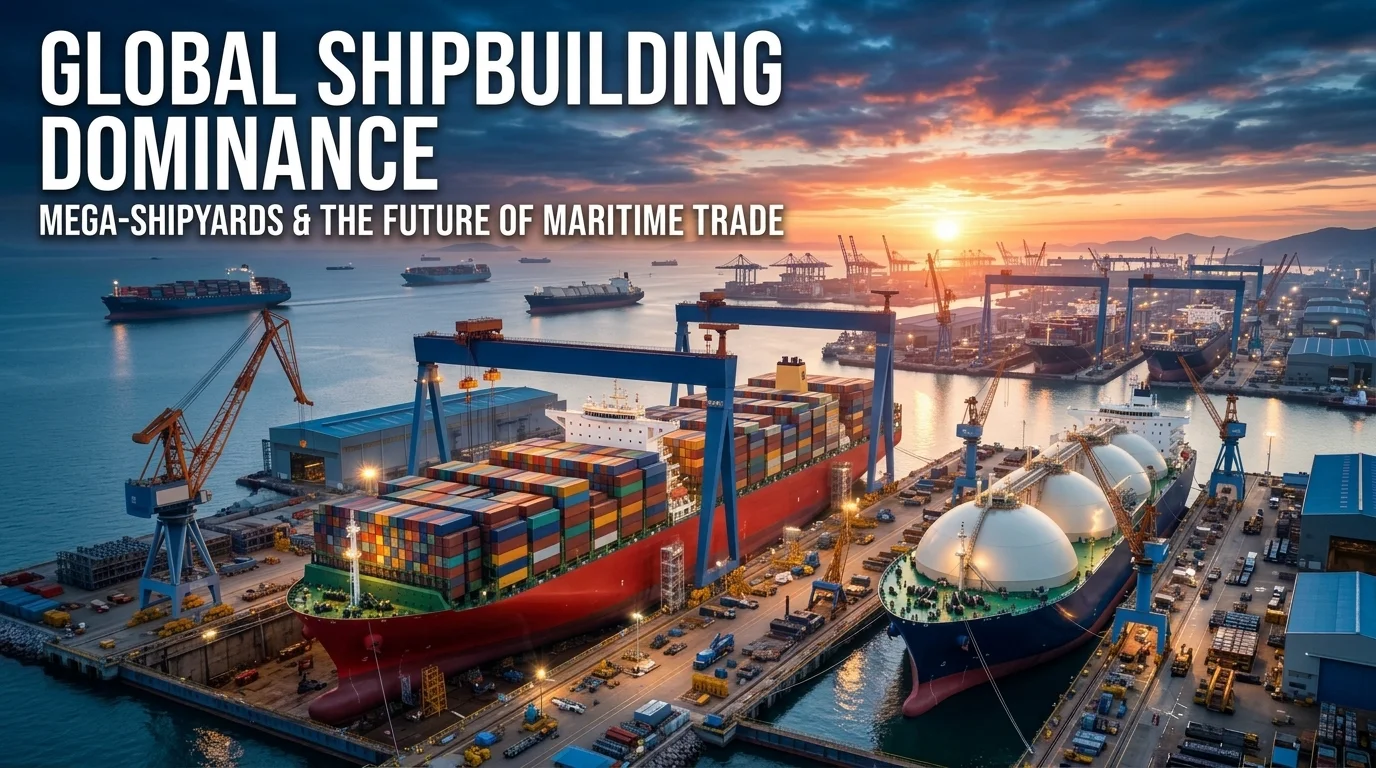
China’s maritime manufacturing ecosystem has reached a historic apex. According to official industry metrics compiled by the Ministry of Industry and Information Technology (MIIT), Chinese shipbuilders secured 81.8% of all global new shipbuilding orders measured by deadweight tonnage (DWT) during the January–September period.
This milestone reflects an unprecedented consolidation of global commercial sea power. Concurrently, China’s yards completed 58.05 million DWT in ship construction—a 50.7% year-on-year surge—capturing 63.6% of global vessel deliveries. The nation’s cumulative order backlog expanded to 399.13 million DWT (+64.8% YoY), representing 72.4% of all global backlogged tonnage.
                     GLOBAL SHIPBUILDING MARKET SHARE
                   ┌───────────────────────────────────┐
  New Ship Orders  │ [China: 81.8%]           [Rest: 18.2%] │
                   ├───────────────────────────────────┤
  Completed Tonnage│ [China: 63.6%]         [Rest: 36.4%]   │
                   ├───────────────────────────────────┤
  Order Backlog    │ [China: 72.4%]       [Rest: 27.6%]     │
                   └───────────────────────────────────┘
1. Structural Catalysts Behind China’s Market Monopoly
China’s dominance is built on structural advantages that competitors in East Asia and the West struggle to replicate.
┌─────────────────────────────────────────────────────────────────────────┐
│                      CHINA'S SHIPBUILDING FLYWHEEL                      │
│                                                                         │
│  [ Upstream Raw Materials ]  ──►  [ Integrated Shipyard Infrastructure ] │
│  (Domestic Steel & Components)   (State-backed Mega-docks & Digitalization) │
│               ▲                                        │                │
│               │                                        ▼                │
│  [ Scale & Backlog Expansion ] ◄──  [ Global Fleet Order Dominance ]    │
│    (399M DWT Reserve Capacity)    (Container, LNG & Dual-Fuel Vessels) │
└─────────────────────────────────────────────────────────────────────────┘
Integrated Domestic Supply Chains & Raw Material Synergies
Unlike European or American yards that rely on fragmented international supply chains, Chinese shipbuilders benefit from a fully domestic industrial ecosystem. China’s domestic steel industry produces marine-grade steel plate at scale, minimizing lead times and protecting yards from global freight rate swings.
Mega-Yard Scale and Modular Fabrication
State-backed groups like China State Shipbuilding Corporation (CSSC) operate mega-shipyards equipped with gantry cranes capable of lifting thousands of tons. Advanced modular block construction techniques allow yards in Jiangsu, Shanghai, and Shandong to build multiple ultra-large vessels simultaneously.
2. Moving Up the Value Chain: Beyond Bulk Carriers
Historically, Chinese yards dominated low-margin dry bulk carriers and basic oil tankers. Today, the industry has shifted toward high-technology, eco-friendly ships.
| Vessel Category | Primary Yards / Locations | Strategic Market Focus | Key Structural Drivers |
| LNG & Dual-Fuel Carriers | Jiangnan Shipyard, Hudong-Zhonghua | Clean energy transit, green corridors | High-tech membrane containment tanks |
| Ultra-Large Container Ships (ULCS) | Yangzijiang Shipbuilding, Waigaoqiao | Global liner network efficiency | Scale efficiencies, dual-fuel propulsion engines |
| Pure Car and Truck Carriers (PCTC) | Merchants Heavy Industry, Jinling | Automotive export expansion | Surge in Chinese electric vehicle (EV) exports |
Analysis published by maritime market intelligence groups at BIMCO demonstrates that green dual-fuel vessel contracting now accounts for a record percentage of global orderbooks. Chinese yards have secured key contracts in LNG, methanol, and ammonia-ready ship classes, breaking the historic Korean monopoly on complex gas carriers.
3. Global Geopolitical Implications and Trade Friction
China’s rapid consolidation of commercial shipbuilding capacity has created geopolitical friction across the Western hemisphere.
  ┌─────────────────────────────────────────────────────────────────┐
  │                    GLOBAL TRADE & POLICY TENSIONS               │
  ├─────────────────────────────────┬───────────────────────────────┤
  │ US Trade & Regulatory Policy    │ European Maritime Response    │
  ├─────────────────────────────────┼───────────────────────────────┤
  │ • Section 301 Maritime Enquiries│ • Net-Zero Industry Act Targets│
  │ • Proposed Chinese Port Fees    │ • Subsidized Green Retrofits  │
  │ • Naval Fleet Capacity Audits   │ • Supply-Chain Security Mandates│
  └─────────────────────────────────┴───────────────────────────────┘
U.S. Regulatory Countermeasures and Section 301 Actions
The U.S. Trade Representative (USTR) and maritime regulatory bodies have scrutinized Chinese state support in the shipbuilding sector. Proposed measures—including port fees on Chinese-built vessels calling at American ports—aim to offset perceived cost advantages. However, industry analysts note these fees could raise consumer import costs given the lack of domestic US commercial alternatives.
Divergence in Allied Shipbuilding Capabilities
While China maintains a commercial backlog of nearly 400 million DWT, Western shipyards handle less than 2% of international commercial tonnage. Regional players in Japan and South Korea continue to specialize in niche high-value designs, but face capacity constraints, aging labor forces, and higher structural overhead compared to Chinese shipbuilders.
Strategic Outlook (2026–2030)
China’s dominance in commercial shipbuilding provides a foundation for long-term maritime industrial capacity. Backlog deliveries extending into 2028 and 2029 ensure high yard utilization rates even if global order velocity cools. As international decarbonization standards tighten under IMO mandates, China’s capacity to construct next-generation green vessels position it to maintain control of the world’s commercial fleet production.
Discover more from The Economy
Subscribe to get the latest posts sent to your email.
Executive Summary
- Trade Truce Extension: Washington and Beijing extended the Busan economic truce by two months to January 10, 2027, establishing a bilateral Board of Trade mechanism with a $30 billion cap on tariff reductions for non-sensitive goods.
- Taiwan Policy Stance: President Xi Jinping pressed the U.S. administration to shift from “not supporting” to explicitly “opposing” Taiwan independence, while a U.S. $14 billion arms package to Taipei remains on hold.
- AI & Governance Divergence: Trump advocated for minimal federal AI regulation relying on existing legal channels, whereas Xi emphasized international norm-setting and human-controlled AI governance.
- Conflict Prevention: Both leaders highlighted shared WWII historical ties, but underlying systemic friction over technology controls and critical supply chains remains unhedged.
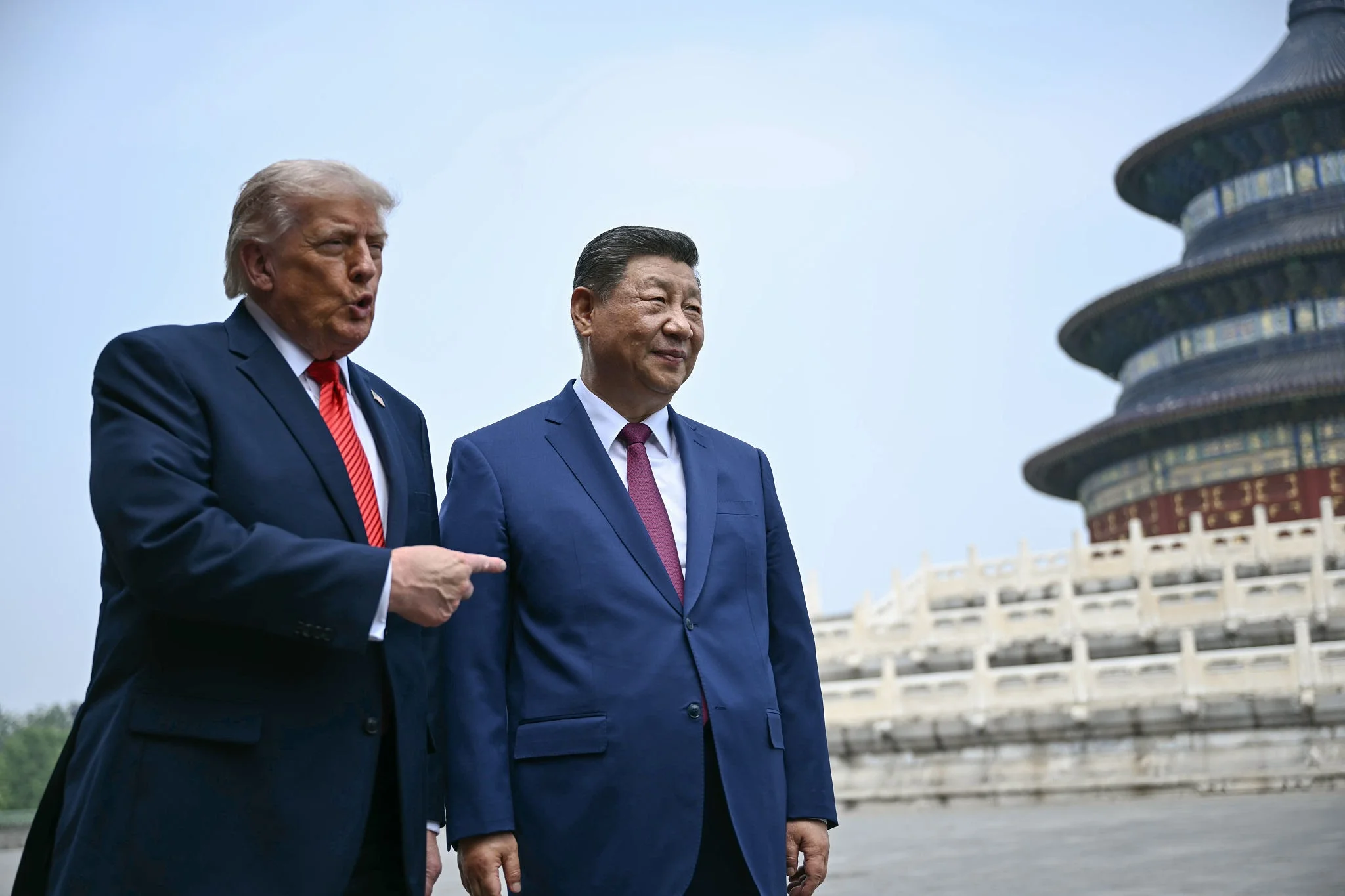
Presidents Xi Jinping and Donald Trump met in Washington, D.C., marking President Xi’s first official state visit to the United States in over a decade. The 43-hour diplomatic engagement combined high-profile ceremonial gestures with intense negotiations over economic policy, regional security, and emerging technologies.
1. Trade Deliverables & Managed Economic Detente
The core economic outcome of the summit was a mutual decision to extend the trade truce originating from the Busan agreements by an additional two months, pushing the negotiation window to January 10, 2027. According to analysis published by The Business Times, this temporal buffer buys critical space for both economies to formalize structured frameworks before political shifts take hold following the U.S. midterm elections.
Key Economic Components:
- Board of Trade Framework: Establishing a structured mechanism to oversee managed bilateral commerce.
- Tariff Cap Reductions: A planned mutual tariff reduction capped at US$30 billion per side, targeting non-sensitive consumer and industrial goods.
- Agricultural Commitments: China continues to meet its baseline commitments for purchasing 25 million metric tons of U.S. soybeans.
However, friction points persist below the surface. U.S. trade officials noted that Beijing remains behind on its broader pledge to purchase $17 billion in other U.S. agricultural exports. Furthermore, delivery quotas for critical rare-earth elements—essential for high-tech manufacturing—have fallen short of target allocations. As detailed by the Chicago Council on Global Affairs, reliance on personalistic leader-to-leader negotiations creates short-term pauses but leaves structural trade imbalances and supply chain dependencies unaddressed.
2. The Taiwan Question & Strategic Security
Diplomatic maneuvering over Taiwan represented the most sensitive geopolitical dynamic of the summit. President Xi reiterated Beijing’s core stance, urging Washington to handle the Taiwan issue with “extreme prudence” and asking the U.S. to actively oppose Taiwan independence rather than maintaining its traditional diplomatic posture of simply “not supporting” it.
Strategic assessments from the Institute for the Study of War indicate that Beijing views the current economic detente as a key window to influence U.S. security commitments in the Indo-Pacific. A planned U.S. $14 billion arms transfer package to Taiwan remains paused, delivering a tactical diplomatic win for Beijing ahead of upcoming multilateral regional gatherings.
3. Divergent Visions on AI Governance & High-Tech Competition
The summit exposed contrasting philosophies regarding the regulation of Artificial Intelligence and advanced computing capabilities. While both leaders acknowledged AI’s transformative influence on global power balances, their proposed paths forward reflect fundamental governance differences.
| Dimension | United States Stance | China Stance |
| Regulatory Model | Market-driven with minimal federal intervention; oversight through existing DOJ frameworks. | State-directed guardrails emphasizing central oversight and alignment with national strategy. |
| Global Governance | Defense of competitive edge and strict export controls on advanced hardware. | Multilateral norm-setting under international organizations (“AI for Good”). |
| Core Objective | Commercial freedom, innovation velocity, and technological superiority. | Human control, risk mitigation, and preventing technological decoupling. |
Reporting from The Federal highlighted that while Xi urged joint international responsibility to ensure AI remains under human control, the U.S. side favored preserving flexibility for domestic technological developers without introducing international regulatory mechanisms.
4. “Thucydides Trap” Avoidance & Strategic Guardrails
Throughout the summit, President Xi repeatedly warned against falling into the “Thucydides Trap”—the historical tendency toward conflict when a rising power challenges an established power. Calling for “constructive strategic stability,” Xi emphasized that global competition should resemble a “race of catching up with one another, not a wrestle in which one wins and the other loses.”
Institutional Takeaways:
- Regular Military Communications: Reaffirming bilateral crisis-prevention channels to prevent miscalculations in air and maritime corridors.
- Historical Commemoration: Leveraging shared World War II history during visits to national monuments to emphasize foundational ties.
- Corporate Engagement: Hosting state dinners with executive leadership to reinforce commercial interdependencies as a stabilizing buffer.
Strategic Outlook
While the 43-hour Washington summit succeeded in projecting stability and securing short-term economic extensions, fundamental strategic competition remains unresolved. The coming months will test whether temporary trade truces and managed tariff caps can withstand broader geopolitical rivalries in technology supply chains, semiconductor export policies, and Pacific security dynamics.
Discover more from The Economy
Subscribe to get the latest posts sent to your email.
China Economy
China’s Local Debt Race Against Time: Why Economists Demand Central Action Before the Deflation Window Closes
Key Policy Takeaways
- The Fiscal Dilemma: China’s local government hidden debt (off-balance-sheet LGFV liabilities) is estimated by the International Monetary Fund (IMF) to exceed 60 trillion yuan (~US$8.4 trillion).
- The Vanishing Window: Ultra-low benchmark interest rates and weak price indices offer Beijing an ideal window to swap high-cost, short-duration local liabilities for long-duration central sovereign bonds.
- The Risk of Delay: Waiting until inflation rebounds or global monetary policy tightens will significantly increase debt-servicing burdens and squeeze commercial bank margins.
- Structural Reform Needed: Refinancing alone is insufficient; Beijing must overhaul central-local tax distribution to prevent new hidden debts from accumulating.
1. The Perishable Window: Why Low Inflation Is a Double-Edged Sword
Prominent Chinese economic advisors are urging Beijing to capitalize on the country’s prevailing low-interest and soft-price environment to execute a comprehensive debt restructuring. According to research from the World Bank, China’s subdued consumer and producer price trends have created a rare, temporary period where sovereign issuance can be expanded with minimal immediate risk of runaway inflation or surging debt-servicing yields.
When price levels and market borrowing rates are low, the cost of issuing special central government bonds (Treasuries) is at historical troughs. By leveraging this environment, Beijing can absorb or refinance high-yield municipal obligations at fractions of their original servicing cost.
However, macroeconomists warn that this window is shrinking:
[Low Inflation & Low Yields] ──► [Lower Sovereign Issuance Costs] ──► [Ideal Debt Swap Window]
          │                                                                  │
          ▼ (If Delayed)                                                     ▼ (If Executed Now)
[Erosion of Local Revenues] ──► [Rising Default & Credit Risks]   ──► [Restored Fiscal Flexibility]
If Beijing delays central balance-sheet expansion, prolonged deflation risks further eroding local government tax revenues and land sales proceeds. Analysis from S&P Global Market Intelligence indicates that land sales revenues—historically accounting for up to 30% of municipal fiscal funds—have dropped significantly from their peak levels, leaving local authorities without the primary engine used to service off-balance-sheet vehicles.
2. The LGFV Mechanics: How Hidden Debt Stalls Regional Growth
The root of China’s fiscal challenge lies in Local Government Financing Vehicles (LGFVs)—special entities created by provinces and cities to finance public infrastructure without officially breaching central deficit caps.
The Anatomy of China’s Municipal Balance Sheet
- Official Municipal Debt: Directly tracked bonds subject to strict quota limits set by the National People’s Congress.
- Implicit / Hidden LGFV Debt: High-cost, off-balance-sheet bank loans, corporate bonds, and shadow banking products carrying implicit guarantees but yielding insufficient commercial returns.
As highlighted in a macroeconomic study by the Peterson Institute for International Economics (PIIE), when local debt-servicing costs outpace local economic growth, municipal governments are forced into fiscal austerity. This results in delayed civil service pay, cuts to public transit subsidies, and reduced local procurement—directly depressing domestic demand and compounding broader deflationary pressures.
3. The “Involution” Loop: Price Wars and Subsidized Capacity
A critical dynamic overlooked in conventional coverage is how local debt fuels industrial “involution” (内卷)—cutthroat, race-to-the-bottom price competition.
Faced with declining traditional tax revenues and mounting debt obligations, regional authorities frequently use local subsidies, cheap land allocation, and state-directed credit to prop up favored local manufacturing sectors (such as solar components, EV parts, and industrial chemicals).
┌────────────────────────────────────────────────────────────────────────┐
│                        THE INVOLUTION CYCLE                            │
├────────────────────────────────────────────────────────────────────────┤
│ 1. Local Debt Pressure  ──► Municipalities seek fast industrial GDP    │
│ 2. Target Subsidies     ──► Directed capital into local manufacturing  │
│ 3. Industrial Overcap   ──► Manufacturers overproduce to maintain scale  │
│ 4. Price Wars (CPI/PPI) ──► Deflationary pressure squeezes margins     │
│ 5. Lower Tax Revenues   ──► Debt burden expands relative to revenue    │
└────────────────────────────────────────────────────────────────────────┘
According to sector reporting from Rhodium Group, this localized credit allocation keeps unproductive firms afloat, floods domestic markets with overcapacity, and drives price deflation across industrial outputs. To break this loop, economists argue that Beijing must restrict local industrial subsidies while substituting them with direct central transfers to households.
4. Policy Roadmap: How Beijing Can Safely De-Risk Local Liabilities
To outperform past partial debt swaps, top financial experts recommend a coordinated four-point execution plan:
| Strategic Pillar | Action Item | Target Economic Outcome |
| 1. Central Balance Sheet Expansion | Issue Ultra-Long Special Sovereign Bonds to swap LGFV debt into central debt. | Reduces aggregate interest payments by hundreds of billions of yuan annually. |
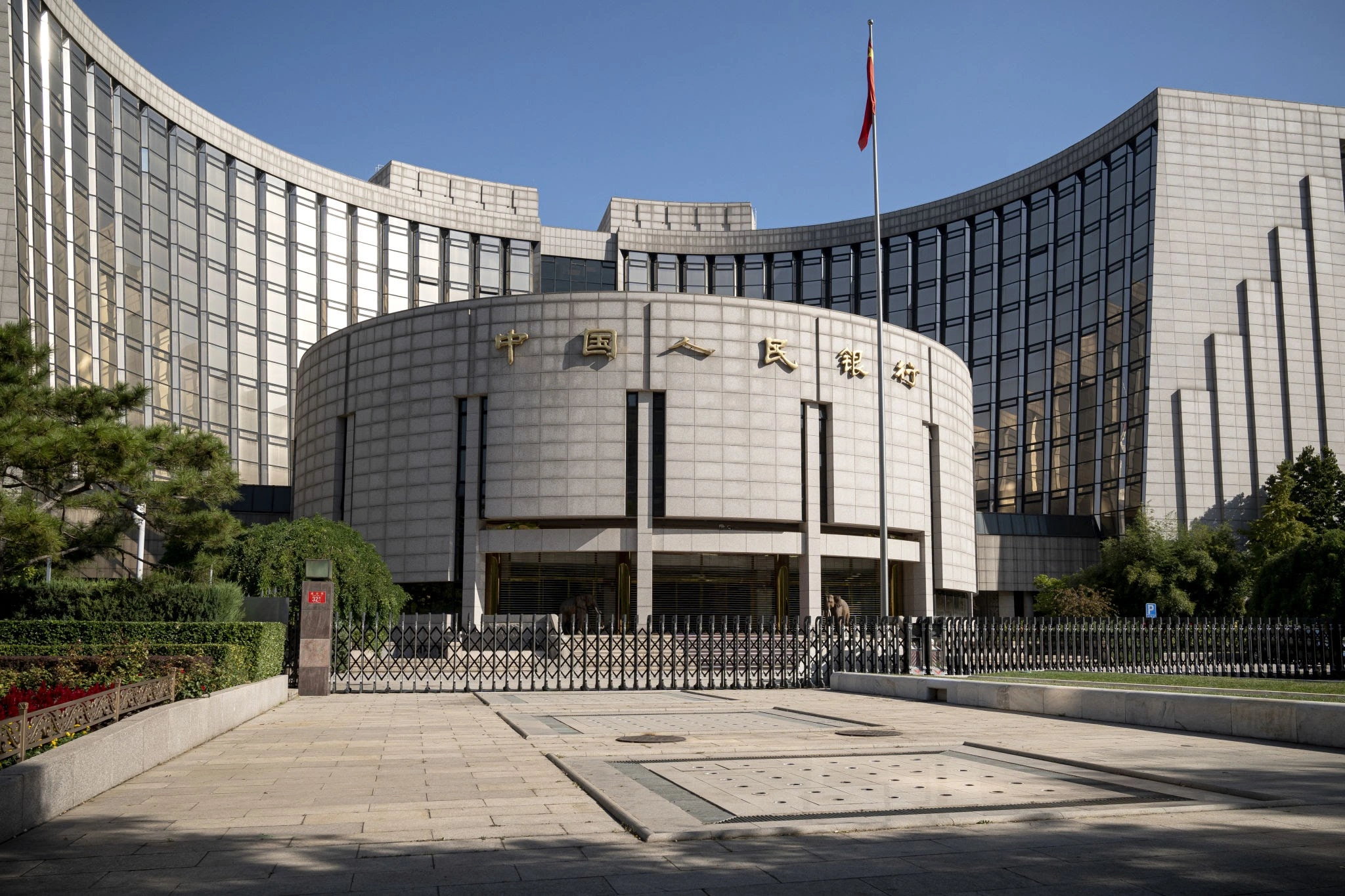
| 2. Commercial Bank Shielding | Structure interest rate cuts alongside targeted PBoC liquidity injections. | Protects bank Net Interest Margins (NIMs) from lower bond yields. |
| 3. Tax Revenue Sharing Reform | Rebalance the 1994 tax-sharing system to allocate a higher tax share to local authorities. | Permanently aligns municipal spending obligations with recurring revenue. |
| 4. Consumption-Focused Stimulus | Shift state expenditures from physical infrastructure to social security, healthcare, and income support. | Unlocks household savings and drives organic demand-led reflation. |
Reports from the Organisation for Economic Co-operation and Development (OECD) emphasize that structural fiscal reform—specifically updating the distribution of revenues between Beijing and provincial capitals—is necessary to prevent local governments from simply building new hidden debt after the current swap is completed.
5. Global Implications for Investors and Markets
For international markets, China’s decision to act decisively on local debt carries substantial weight:
- Commodity & Global Demand: Restructuring local debt allows municipalities to resume core public works and social spending, stabilizing demand for global industrial metals and capital equipment, as monitored by the Asian Development Bank.
- Currency and Yield Dynamics: As noted by analysis in the Financial Times and market coverage in Bloomberg News, a central government debt swap reduces tail-risk in China’s financial sector, offering long-term stability for the Renminbi (RMB) even as benchmark rates remain low.
- Banking Sector Relief: Replacing non-performing or low-yielding LGFV loans with sovereign-backed paper lowers credit risk weights for state banks, preserving regulatory capital buffers across the broader financial system.
Discover more from The Economy
Subscribe to get the latest posts sent to your email.

Neocloud Economics in 2026: GPU Debt, Utilization and Power

What Is a Neocloud? How AI GPU Clouds Work and Compare

Lula Re-elected in 2026: What Changes for the Dollar, Brazilian Stocks, and Interest Rates?

Lula Wins Brazil’s 2026 Election: Five Economic Tests for 2027

SSI November 2026 Payment: Why Benefits Arrive October 30

Russia Sanctions Waiver: What Asian Oil Buyers Gain

Asia Markets Weekly: How Oil, US Yields and the Fed Reach Tokyo, Kuala Lumpur and Karachi

Gold Near $4,000: Buy, Hold or Wait? A Pakistan Tola Price Guide

US 10-Year Treasury Yield Near 5%: The Hidden Cost for Pakistani Investors

Fed Meeting on October 28: Hike or Hold—and Why Pakistan Investors Should Care

Can Pakistan Turn US–Iran Mediation Into an Economic Dividend?

Oil Above $100: How Higher Crude Prices Reach Pakistan’s Rupee, Petrol and Imports

SBP Interest Rate at 11.5%: What Will Decide Pakistan’s Next Policy Move?

The Global South: Debt, Climate Finance and Investment in 2026

Crude Oil & Petroleum Market Analysis: OPEC+ Decisions and Price Forecasts

Top US Convenience Store Chains: Store Counts, EV Charging, and Sales Trends

Algorithmic Dogfights: Why the U.S. and China Must Establish Rules of Engagement for Autonomous Air Power

Who Is Shivon Zilis? The Neuralink Executive at the Center of the Musk–OpenAI Trial

Social Security Extra $90 Deposit: Who Qualifies for the October 2026 Medicare Rebate?

Corporate America Faces a New Debt Test as US Borrowing Costs Surge

Global Economic Outlook 2026: 7 Forces Reshaping Markets, Trade and Business

Gold Price Outlook 2026: The Forces Behind the Forecasts—and What Could Reverse Them

Gold Falls 3.7% as Yields Surge: Is Gold Still a Safe Haven in 2026?

Stock Market Today: Dow, S&P 500, and Nasdaq Retreat as Treasury Yields

Anthropic Bans Sustained Abuse of Claude AI Under New Usage Policy Effective November 12, 2026

MAS Allocates S$1.45 Billion to Five Asset Managers in Third EQDP Batch: Total Deployment Reaches S$5.4 Billion

Geopolitics and Your Portfolio: How International Affairs Move Global Markets

US 10-Year Yield Hits 5.24%: What the Historic Bond Market Sell off Means for Mortgages and Investors
-

 Markets & Finance10 months ago
Top 15 Stocks for Investment in 2026 in PSX: Your Complete Guide to Pakistan’s Best Investment Opportunities
-

 Analysis8 months ago
Johor’s Investment Boom: The Hidden Costs Behind Malaysia’s Most Ambitious Economic Surge
-

 Analysis8 months ago
Top 10 Stocks for Investment in PSX for Quick Returns in 2026
-

 Banks9 months ago
Best Investments in Pakistan 2026: Top 10 Low-Price Shares and Long-Term Picks for the PSX
-

 Analysis9 months ago
Brazil’s Rare Earth Race: US, EU, and China Compete for Critical Minerals as Tensions Rise
-

 Investment10 months ago
Top 10 Mutual Fund Managers in Pakistan for Investment in 2026: A Comprehensive Guide for Optimal Returns
-

 Global Economy10 months ago
15 Most Lucrative Sectors for Investment in Pakistan: A 2025 Data-Driven Analysis
-

 Global Economy10 months ago
Pakistan’s Export Goldmine: 10 Game-Changing Markets Where Pakistani Businesses Are Winning Big in 2025