
Cryptocurrency
Bitcoin Merchant Services: The BRICS De-Dollarization and Tokenized Cross-Border Payments


Global trade settlement is undergoing a structural revolution. With sovereign public debt reaching unprecedented highs and traditional fiat rails encumbered by geopolitical friction, merchants and multinational corporations are aggressively adopting Bitcoin and tokenized payment gateways. The accelerating de-dollarization trend led by emerging economic blocs has made decentralized merchant services a commercial necessity rather than a speculative alternative.
Integrating Bitcoin merchant services allows businesses to bypass legacy correspondent banking fees, eliminate chargeback fraud, and settle international transactions instantly.
Advantages of Bitcoin Merchant Infrastructure
Zero-Fee Lightning Network Settlements
Modern Bitcoin payment gateways utilize Layer-2 Lightning Network architecture, enabling micro-transactions and enterprise-scale invoices to settle in milliseconds for fractions of a cent. This eliminates the 2% to 4% merchant fees traditionally levied by credit card processors.
Hedging Against Sovereign Currency Devaluation
Operating in emerging markets with volatile local currencies exposes exporters to severe devaluation risk. By automatically converting incoming revenue into Bitcoin or stablecoins, businesses protect their balance sheets against inflationary shocks.
| Payment Gateway | Settlement Layer | Transaction Fee | Best Suited For |
| BitPay Enterprise | On-chain & Lightning | 1% flat fee | E-commerce & B2B Invoicing |
| OpenNode API | Lightning Network Only | 0.5% flat fee | SaaS & Digital Subscriptions |
| BTCPay Server (Self-Hosted) | Direct Node / Zero Intermediary | 0% (Self-hosted) | High-Volume Global Merchants |
Implementing Crypto Merchant Services Securely
Transitioning your business to accept Bitcoin requires careful technical and accounting preparation.
Choose Non-Custodial Infrastructure: Opt for self-hosted payment nodes whenever possible to retain complete sovereign control over your funds.
Automate Accounting Compliance: Integrate crypto tax and bookkeeping plugins to track cost basis and capital gains in real-time.
Establish Clear Refund Policies: Define how crypto price fluctuations are handled during returns or order cancellations.
“Fintech Analyst Note: As international trade fragments along geopolitical lines, Bitcoin merchant rails provide neutral, censorship-resistant settlement infrastructure that no single nation can freeze or manipulate.”
Adopting Bitcoin merchant services positions forward-thinking businesses at the vanguard of the new global digital economy, ensuring frictionless cross-border growth.
Discover more from The Economy
Subscribe to get the latest posts sent to your email.


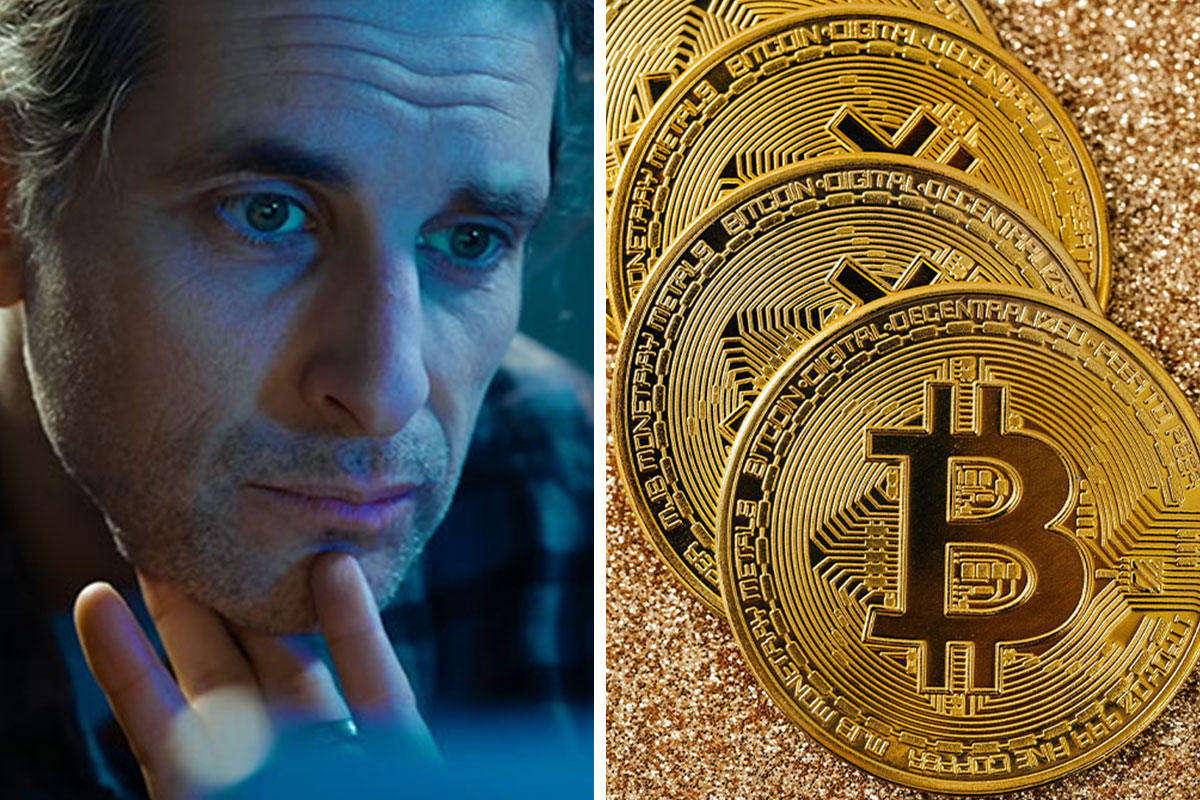
A British investor known only as Chris has recovered 61 Bitcoin worth approximately £3.3 million ($4.7 million), twelve years after the collapse of an early UK crypto exchange froze him out of his own wallet — proving that “lost” Bitcoin isn’t always gone for good, and that legal recovery, not just technical recovery, is now a viable path back to a vanished fortune.
The £1,500 Bet That Nearly Vanished Forever
In December 2011, Chris put £1,500 into Bitcoin through Britcoin, one of the United Kingdom’s first cryptocurrency exchanges, after a friend convinced him the technology could become “a massive thing.” At the time, Bitcoin traded at roughly £2.94 a coin, so his stake bought him 61 BTC. Britcoin later rebranded as Intersango, and by 2014 Chris’s small investment had appreciated to around £4,000 on paper. Then the exchange collapsed, taking more than 5,000 customer accounts — including his — down with it.
For most of the following decade, Chris assumed the money was simply gone. He described watching Bitcoin’s price climb year after year as “a punch in the stomach.” In 2018, two of Intersango’s co-founders emailed former customers asking them to get in touch, but Chris deleted the messages, convinced they were a scam. It wasn’t until his wife pushed him to try again this year that the story changed direction.
How Crypto Wallet Recovery Actually Worked in This Case
Chris’s case is a useful reminder that not every “lost Bitcoin” story is a seed phrase recovery or lost hard drive bitcoin problem. His private keys were never destroyed — they were held by a defunct exchange’s operators, meaning the obstacle was legal ownership, not technical access. That distinction matters enormously for anyone trying to recover crypto locked in a collapsed platform.
Encouraged by his wife, Chris approached CEL Solicitors, a UK firm specializing in digital-asset recovery. Ryan Sweetnam, the firm’s Director of Financial Litigation, assembled documentation establishing Chris’s ownership of the Bitcoin and prepared to pursue proceedings in the United States, where some of Intersango’s former operators are believed to reside. According to Sweetnam, the matter was ultimately resolved through negotiation rather than a courtroom hearing. Within months, 61 Bitcoin were transferred into an FCA-regulated account under Chris’s control.
“It’s a punch in the stomach watching Bitcoin go up and up,” Chris told LBC of the years he spent believing the money was unrecoverable — a feeling that has since given way to disbelief. He says he still checks the balance in his app “every single day, 20 times a day.”
Why This Story Matters Beyond One Lucky Investor
Chris’s recovery stands in sharp contrast to the far more famous case of James Howells, the Newport, Wales, IT engineer who accidentally threw a hard drive containing 8,000 Bitcoin — now worth roughly $900 million — into a landfill in 2013. Howells has spent over a decade fighting Newport City Council for permission to excavate the site, offering the council tens of millions of pounds and even proposing to buy the landfill outright. A UK High Court judge dismissed his case in January 2025, ruling it had no realistic prospect of success, and as of mid-2026 his hard drive remains buried under hundreds of thousands of tonnes of waste at the Docksway site.
The difference between the two outcomes is instructive:
| Case | Type of Loss | Recovery Method | Outcome |
|---|---|---|---|
| Chris (Intersango) | Exchange collapse, keys held by third party | Legal negotiation via solicitors | Recovered, ~£3.3M |
| James Howells | Hard drive discarded, keys destroyed/inaccessible | Litigation for landfill excavation rights | Denied by High Court, still unresolved |
Howells’ keys are physically inaccessible unless the hard drive is located and its platters remain readable — a task complicated by twelve years of decomposition, compaction, and mixed waste. Chris’s keys, by contrast, always existed intact on a server; the fight was over who had the legal right to access them. That single distinction explains why one man is now a millionaire and the other is still negotiating with a local council.
What This Means for Anyone With “Lost” Crypto From a Defunct Exchange
Chris’s case has drawn attention from crypto forensics specialists because it suggests a wider pool of dormant funds may still be reachable. According to reporting on the case, one of Intersango’s co-founders is believed to still hold roughly 5,500 Bitcoin — potentially worth hundreds of millions of pounds at current prices — some of which may belong to other former customers who assumed their holdings were lost forever.
If you believe you have Bitcoin or other cryptocurrency trapped in a collapsed exchange, the practical playbook looks different depending on your situation:
- Exchange collapse with keys held by a third party: This is a legal ownership problem. Specialist solicitors can assemble historical account records, transaction logs, and correspondence to prove entitlement, then pursue negotiation or litigation against the individuals who control the wallets.
- Lost hardware or forgotten passwords: This is a technical recovery problem. Data recovery specialists may be able to extract keys from damaged drives, and password-cracking services exist for certain wallet formats — though success rates fall sharply the older and more damaged the device.
- Seed phrase partially remembered: Specialized brute-force tools exist for recovering wallets when a seed phrase is incomplete, though costs and success rates vary widely by wallet type and how many words are missing.
Cold Storage Lessons From a Near-Miss
Security researchers point to this case as a renewed argument for treating exchange-held crypto as fundamentally different from self-custodied crypto. Bitcoin held on an exchange is only as safe as that exchange’s solvency and governance — a lesson borne out repeatedly from Mt. Gox to FTX. Hardware security modules and cold wallets remove counterparty risk but introduce a different failure mode entirely, as Howells’ landfill saga demonstrates: physical loss can be just as final as institutional collapse, and sometimes more so, since there’s no company or individual left to negotiate with.
For long-term holders, the practical takeaway from both cases is the same: document everything. Chris’s recovery only became possible because CEL Solicitors could reconstruct a clear paper trail of his original purchase and account ownership. Anyone holding crypto on an exchange, however small the amount, should retain purchase confirmations, account statements, and any correspondence indefinitely — it may be the only proof of ownership available if the platform later disappears.
Key Takeaways
- A British investor recovered 61 Bitcoin (£3.3 million) twelve years after the UK exchange Intersango collapsed, via legal action rather than technical recovery.
- The case succeeded because his private keys were held by identifiable former operators, not physically destroyed.
- James Howells’ separate, far larger landfill case remains unresolved after the UK High Court dismissed his claim in January 2025.
- Legal recovery of exchange-held crypto is increasingly viable with proper documentation and specialist solicitors.
- Cold storage and exchange custody carry fundamentally different risk profiles, and both can result in years-long recovery battles.
Frequently Asked Questions
Is it actually possible to recover Bitcoin lost on a collapsed exchange?
Yes, if the private keys still exist and are held by identifiable individuals or entities. Recovery in these cases is typically a legal process involving documentation of ownership rather than a technical hack or password crack.
How is this different from the James Howells landfill case?
Howells’ hard drive containing his private keys was physically discarded and is believed to be buried in a landfill; his keys are not held by any accessible third party, making his case a physical retrieval problem rather than a legal ownership dispute.
What should I do if I think I have crypto trapped in a defunct exchange?
Gather all historical records — account statements, purchase confirmations, correspondence — and consult a solicitor or firm specializing in digital-asset recovery to assess whether legal action against former operators is viable.
Discover more from The Economy
Subscribe to get the latest posts sent to your email.
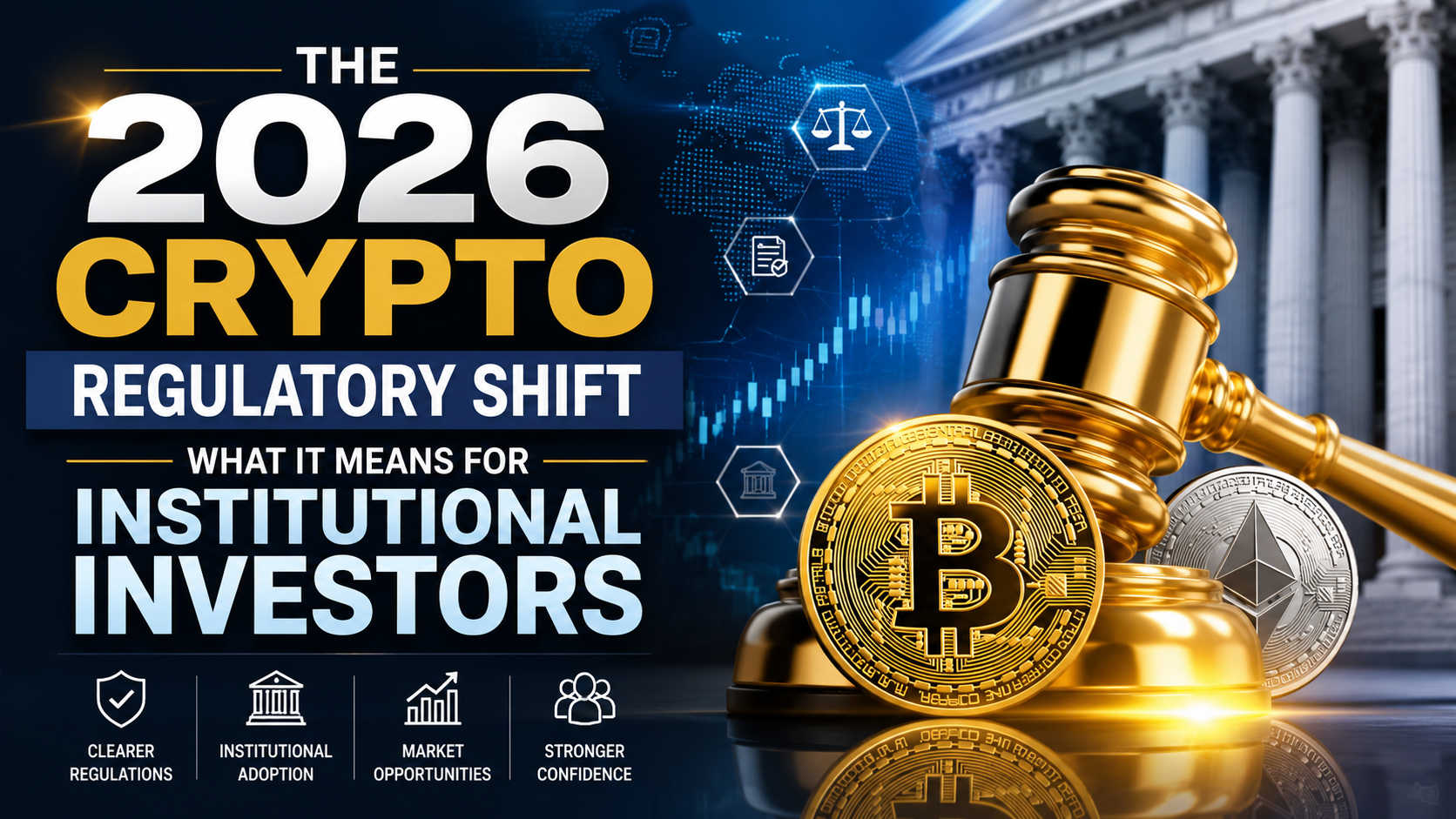
On August 18, 2026, the SEC proposed “Regulation Crypto Assets” — a new rule framework creating clear, tailored securities-offering pathways for crypto assets, according to the SEC’s own press release. It’s the second major step in a regulatory transformation that began with a March 2026 SEC interpretive framework and builds on 2025’s landmark GENIUS Act stablecoin legislation. For institutional investors, the shift from years of “regulation by enforcement” to a structured statutory framework represents the single most consequential change to the US digital-asset investment landscape since Bitcoin’s creation.
The Three-Layer Regulatory Stack Taking Shape in 2026
Layer 1: The March 2026 SEC Interpretation
In March 2026, the SEC released an interpretative document classifying crypto assets into distinct categories — digital goods, digital collectibles, digital instruments, stablecoins, and digital securities — clarifying under what circumstances non-security crypto assets might still be linked to investment contracts, according to BTCC.
Layer 2: The August 2026 “Regulation Crypto Assets” Proposal
Building on that interpretation, the SEC’s August 18 proposal creates two capital-formation exemptions specifically for crypto issuers, per the SEC:
- A one-time exemption permitting offerings up to $5 million during a four-year period.
- A recurring exemption permitting offerings up to $75 million during each 12-month period.
As of August 20, 2026, this remains a proposed rule, not final regulation — the public comment period runs 60 days from Federal Register publication, per BTCC. SEC Chairman Paul Atkins has framed the shift explicitly: the Commission has “ended the ‘regulation by enforcement’ approach of the past” in favor of cases prioritizing meaningful investor protection, according to Bitcoin Foundation, citing an SEC statement.
Layer 3: The GENIUS Act Stablecoin Framework
Separately, and already further along in implementation, the GENIUS Act establishes a comprehensive federal framework for payment stablecoins, making clear that permitted stablecoins are not securities, commodities, or deposits — instead falling under a distinct regime administered by the OCC, FDIC, Federal Reserve Board, and Treasury, according to Cleary Gottlieb.
The Commodity/Security Divide: Settled for Major Tokens
Perhaps the most consequential development for institutional allocators predates the August proposal: on March 17, 2026, the SEC and CFTC jointly published an interpretive framework classifying 16 crypto assets as digital commodities under CFTC jurisdiction rather than SEC securities jurisdiction, according to Angel Investors Network. This resolves a decade-old ambiguity that had kept many institutional allocators on the sidelines, uncertain whether their crypto holdings could later be reclassified as unregistered securities.
Who Wins and Who Faces Consolidation Pressure
| Market Participant | Regulatory Impact | Strategic Position |
|---|---|---|
| Bank-affiliated stablecoin issuers (JPMorgan, US Bancorp) | GENIUS Act’s $5M excess-capital threshold is trivially achievable | Structurally advantaged — existing customer relationships, compliance infrastructure |
| Large non-bank issuers (Circle, Coinbase) | Can absorb GENIUS Act capital and compliance costs | Competitive, but facing new bank-affiliated entrants |
| Smaller fintech/payment platforms (Stripe, Block-scale) | Face a binary choice: charter a stablecoin bank or exit stablecoin issuance | Consolidation pressure — likely M&A targets or market exits |
| DeFi lending protocols | Operate outside the regulated banking perimeter | Continue offering 5–8% stablecoin yields offshore/unregulated, per Angel Investors Network |
| Institutional allocators of major tokens (BTC, ETH, and 14 others) | Commodity classification (not securities) removes reclassification risk | Materially reduced compliance/legal uncertainty for allocation decisions |
| Early-stage crypto issuers/founders | New $5M/4-year and $75M/year exemptions | Clearer, faster capital-formation pathways once finalized |
Sources: Angel Investors Network, SEC.gov, BTCC — see citations above.
The Institutional Yield Dilemma
The GENIUS Act’s framework implicitly assumes stablecoin issuers will accept zero yield in exchange for federal charter status and regulatory certainty — but DeFi lending protocols on Ethereum and Solana continue offering 5–8% yields on stablecoin deposits outside the regulated banking system, according to Angel Investors Network. This creates a genuine strategic tension for accredited and institutional investors holding large stablecoin positions: hold zero-yield, federally regulated coins, or seek yield in offshore, uninsured, unregulated platforms. This trade-off is likely to remain unresolved through 2026 and represents the clearest open risk-allocation question for institutional treasury and portfolio managers.
Political Context: A Deliberate Strategic Shift
This regulatory transformation reflects an explicit White House-level policy objective. President Trump convened a Working Group on Digital Assets that issued recommendations designed to strengthen American leadership in digital financial technology and position the US as the “crypto capital of the world,” according to Cleary Gottlieb. The regulatory environment shifted “virtually overnight” from an enforcement-heavy skepticism that had effectively excluded traditional financial institutions from digital-asset markets, to a determined flexibility focus.
Legislative friction remains, however: the banking industry is actively lobbying for additional restrictions on stablecoin reward payments, including potential amendments to the CLARITY Act, according to K&L Gates — a live legislative fight institutional investors should track through the remainder of 2026.
An Institutional Due-Diligence Framework for 2026
- Distinguish finalized rules from proposals. The GENIUS Act is enacted law with active implementation; “Regulation Crypto Assets” remains a proposal subject to a 60-day comment period and potential revision — size institutional exposure and compliance planning accordingly.
- Reassess reclassification risk for major holdings. The March 2026 joint SEC-CFTC commodity classification for 16 major crypto assets materially reduces legal uncertainty for institutional allocators — a genuine catalyst for previously sideline capital.
- Model the stablecoin yield trade-off explicitly. Treasury and portfolio managers holding stablecoin positions need a documented policy on regulated-zero-yield versus unregulated-yield-bearing allocations, given the structural tension the GENIUS Act framework creates.
- Track CLARITY Act amendments and banking-industry lobbying as a live legislative risk factor that could alter stablecoin reward/yield economics before institutional strategies are finalized.
The Bottom Line
The 2026 crypto regulatory shift is not a single event but a converging three-layer framework — SEC interpretive guidance, a new capital-formation rule proposal, and enacted GENIUS Act stablecoin legislation — that collectively resolves years of institutional uncertainty around token classification while opening a new, unresolved question around stablecoin yield economics. Institutional investors who have been waiting for regulatory clarity before deploying meaningful capital now have a genuine, if still partially proposed, framework to underwrite that decision.
Discover more from The Economy
Subscribe to get the latest posts sent to your email.
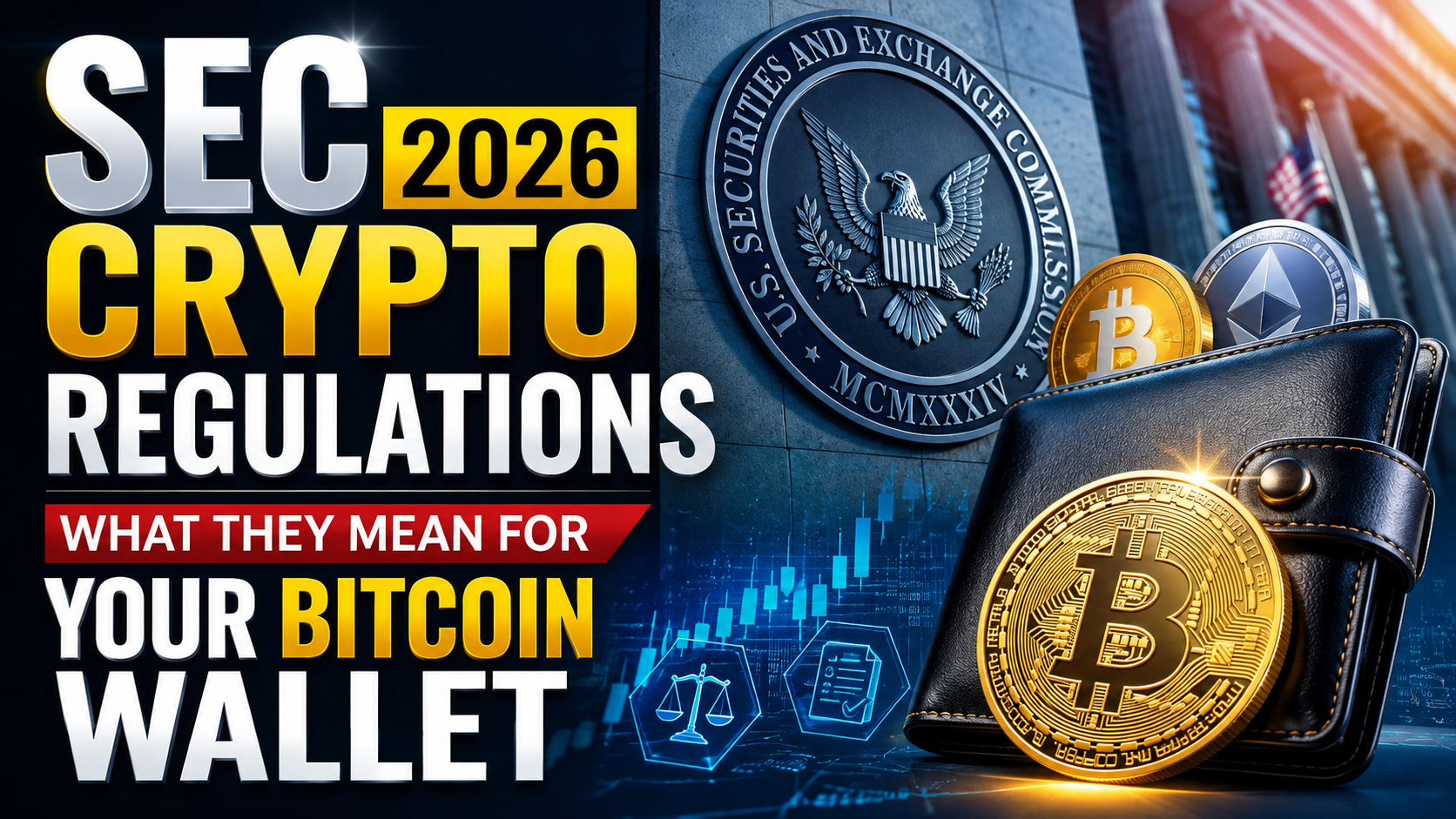
Crypto regulation has moved from a background policy discussion to something with direct, practical consequences for everyday Bitcoin holders in 2026. Between updated SEC guidance on digital asset classification, expanded custody requirements for platforms, and clearer (if still evolving) rules around what qualifies as a security versus a commodity, the regulatory environment has shifted meaningfully from the ambiguity that defined much of the previous decade. If you hold Bitcoin — whether on an exchange or in a self-custody wallet — understanding what’s actually changed is essential to protecting your holdings and staying compliant.
This guide breaks down the most significant SEC regulatory developments affecting crypto in 2026, what they mean specifically for how you store, trade, and report your Bitcoin holdings, and practical steps to make sure your wallet setup and tax reporting stay aligned with the current rules. This isn’t legal advice, but it will help you understand what questions to ask and what changes actually matter for your situation.
The Big Picture: Where SEC Crypto Policy Stands in 2026
The SEC’s regulatory approach to crypto has continued moving toward clearer classification frameworks, distinguishing more explicitly between digital assets treated as securities and those treated more like commodities — a distinction that has significant implications for which platforms can legally offer certain crypto products to US investors. Bitcoin itself has largely maintained its treatment as a commodity rather than a security, a position that has provided relative regulatory stability for BTC specifically compared to some other digital assets that remain in more contested classification territory.
Custody requirements for exchanges and crypto platforms have also tightened, with increased emphasis on proof-of-reserves transparency and stricter standards for how customer assets must be segregated from a platform’s own operating funds — a direct response to high-profile custody failures in prior years that eroded investor trust across the industry.
What This Means for Exchange-Held Bitcoin
If you hold Bitcoin on a centralized exchange, increased custody regulation is generally good news from a security standpoint — platforms operating in the US are facing stricter requirements around asset segregation, reserve verification, and disclosure. That said, regulatory compliance doesn’t eliminate counterparty risk entirely; it reduces it. Exchange-held Bitcoin still means you’re trusting a third party’s operational security and solvency, which is a fundamentally different risk profile than self-custody.
What’s Changed for Exchange Custody
- Proof-of-reserves requirements – More platforms are required to provide verifiable, auditable proof of customer asset backing
- Asset segregation rules – Stricter separation between customer funds and a platform’s operational or investment funds
- Enhanced disclosure requirements – Platforms must more clearly disclose custody arrangements and risk factors to users
- Increased examination frequency – Regulatory bodies are conducting more frequent compliance reviews of major exchanges
What This Means for Self-Custody Bitcoin Wallets
Self-custody wallets — hardware wallets or non-custodial software wallets where you hold your own private keys — remain largely outside the direct custody regulation framework, since regulation primarily targets platforms and intermediaries rather than individual wallet software. However, increased regulatory clarity around Bitcoin’s commodity classification has generally been viewed as supportive for self-custody adoption, since it reduces the ambiguity that previously made some users hesitant about long-term self-custody holding strategies.
Best Practices for Self-Custody in the Current Regulatory Environment
- Use a reputable hardware wallet – Cold storage remains the gold standard for securing significant Bitcoin holdings
- Maintain accurate transaction records – Regulatory clarity hasn’t reduced tax reporting obligations; detailed record-keeping remains essential
- Understand your specific state and federal reporting requirements – Reporting thresholds and requirements can vary and continue to evolve
- Avoid mixing self-custody with unregulated platforms – Interacting with non-compliant platforms can create tax and legal complications even for otherwise properly self-custodied assets
- Keep documentation of wallet setup and key recovery information secure but accessible – Estate planning considerations matter more as self-custody holdings grow in value
Exchange vs. Self-Custody Under Current Regulation
| Factor | Exchange-Held Bitcoin | Self-Custody Wallet |
|---|---|---|
| Direct SEC custody regulation | Yes | No |
| Counterparty risk | Present, though reduced by new rules | None (assuming proper key security) |
| Ease of use | Higher | Requires more technical responsibility |
| Recovery if lost/forgotten access | Platform-assisted recovery often available | Entirely dependent on your own backup practices |
| Regulatory reporting complexity | Often simplified by platform tax reporting tools | Requires more manual record-keeping |
Tax Reporting Considerations You Shouldn’t Overlook
Regardless of custody method, regulatory clarity around classification hasn’t simplified tax reporting obligations — if anything, increased scrutiny has made accurate reporting more important than ever. Every taxable event (selling, trading, or in some cases even certain transfers) still needs to be tracked and reported, and platforms are increasingly required to provide standardized tax documentation to both users and regulators. If you’re managing a self-custody wallet with a long transaction history, using dedicated crypto tax software to reconstruct accurate cost-basis records before filing is worth the investment, particularly given increased regulatory attention on crypto tax compliance.
How Regulatory Clarity Affects Institutional Adoption
One of the more significant downstream effects of clearer SEC guidance has been its influence on institutional Bitcoin adoption. Pension funds, corporate treasuries, and asset managers have historically cited regulatory ambiguity as a primary reason for limiting or avoiding direct Bitcoin exposure, and the more defined classification framework in 2026 has removed at least one layer of that hesitation for institutions with the internal risk committees to evaluate the asset class properly. This matters for individual holders too, since increased institutional participation generally brings deeper market liquidity and, over time, more mature custody and insurance infrastructure options that eventually filter down to retail-accessible products. It’s a slow-moving dynamic, but one worth watching as a leading indicator of how the regulatory environment continues to shape the practical experience of holding and transacting in Bitcoin.
Frequently Asked Questions
Do I need to report my Bitcoin holdings if I haven’t sold or traded anything?
Generally, merely holding Bitcoin without selling, trading, or otherwise disposing of it doesn’t trigger a taxable event in most jurisdictions, though reporting requirements can vary and certain activities like earning staking or interest income may create reporting obligations even without a sale. This isn’t tax advice — check with a qualified tax professional for your specific situation.
Does increased SEC regulation mean Bitcoin is now fully legal and risk-free to hold? Bitcoin holding and self-custody have generally not been illegal in the US, so increased regulatory clarity doesn’t change legality so much as it reduces ambiguity around how platforms, custody, and related products are treated. Bitcoin still carries normal market and security risks regardless of regulatory classification.
What happens to my Bitcoin if my exchange faces regulatory action?
This depends heavily on the specific circumstances and the strength of that exchange’s custody and asset segregation practices. Improved proof-of-reserves and segregation requirements are designed specifically to reduce the risk of customer funds being unavailable during a regulatory or solvency event, but self-custody remains the only way to eliminate exchange-related risk entirely.
How can I stay updated on SEC crypto regulatory changes without constantly researching?
Following official SEC announcements directly, along with reputable crypto-focused legal and financial news sources, is more reliable than relying on social media summaries, which often oversimplify or sensationalize regulatory developments. Major exchanges also typically notify users directly of regulatory changes that affect their specific holdings or account type.
Final Thoughts
The SEC’s evolving crypto regulatory framework in 2026 has brought welcome clarity to Bitcoin’s classification and meaningfully strengthened custody requirements for exchanges, while leaving self-custody largely unregulated at the wallet level — though tax reporting obligations remain firmly in place regardless of how you hold your Bitcoin. Staying informed about ongoing regulatory developments, maintaining accurate records, and choosing your custody approach deliberately rather than by default are the most practical steps any Bitcoin holder can take in this environment.
How has the regulatory clarity in 2026 changed your approach to holding Bitcoin — are you leaning more toward self-custody, or sticking with exchange-based custody? Share your thinking in the comments.
Discover more from The Economy
Subscribe to get the latest posts sent to your email.

Oracle (ORCL) Stock Analysis: AI Cloud Growth Ahead of Sept 10 Earnings

2027 Social Security COLA: 3.5% Increase Explained

Non-State Actors and AI 2026: The Push for Global Guardrails

Mandatory Lobbying Registers 2026: Corporate Risk Guide

Beyond $100 Oil: Why the Geopolitical Shock at Hormuz Marks a Structural Turning Point

Digitally Deliverable Services: 56% of Global Trade in 2026

AI Data Center Real Estate 2026: Power & Grid Battle Guide

Smart Glasses Privacy Crisis 2026: Regulation & Compliance

Refinance Options Amid the 2026 Global Debt Crisis and Shifting US Treasury Yields

Bitcoin Merchant Services: The BRICS De-Dollarization and Tokenized Cross-Border Payments

Best Online MBA Programs to Master Generative AI and Circular Economy Strategies

Top CRM Software for Global Trade and Cross-Border Tokenized Payments

How Generative AI is Reshaping Car Insurance Comparison Quotes

Mesothelioma Compensation in 2026: Navigating New Asbestos Regulations in Manufacturing

State Farm’s $5B Dividend 2026: Who Qualifies & Payout Dates

US-China Relations in Q3 2026: Trade Tariffs and Supply Chain Risks

Gold’s Wild 2026: From a Record $5,600 Peak to a 24% Crash and Back Toward $4,500

Oil Surges as Strait of Hormuz Traffic Collapses Again

The Rocket That Won’t Quit: Inside SpaceX’s Falcon 9 Launch Machine

Bank of England Set to Hold Rates Through Year-End, Reuters Poll Shows

The 2026 Crypto Regulatory Shift: What It Means for Institutional Investors

SpaceX Starship Flight 14: First Orbital Attempt & Starlink V3 Launch Explained

Retail Earnings Week: What Home Depot, Target & Walmart Reveal

AI-Powered Training: The Next Multi-Billion Dollar Ecosystem in Fitness

China’s Economy Has a Structural Problem: Factories Are Winning, Households Are Losing

Global Chip Selloff Deepens: What’s Driving the Aug. 19 Semiconductor Rout

Russia’s Black Sea Oil Exports Fall for a Fifth Straight Week

AI Chip Stocks 2026: The Best Semiconductor Investments Beyond Marvell
-

 Markets & Finance8 months ago
Top 15 Stocks for Investment in 2026 in PSX: Your Complete Guide to Pakistan’s Best Investment Opportunities
-

 Analysis7 months ago
Johor’s Investment Boom: The Hidden Costs Behind Malaysia’s Most Ambitious Economic Surge
-

 Analysis7 months ago
Top 10 Stocks for Investment in PSX for Quick Returns in 2026
-

 Analysis7 months ago
Brazil’s Rare Earth Race: US, EU, and China Compete for Critical Minerals as Tensions Rise
-

 Banks8 months ago
Best Investments in Pakistan 2026: Top 10 Low-Price Shares and Long-Term Picks for the PSX
-

 Investment8 months ago
Top 10 Mutual Fund Managers in Pakistan for Investment in 2026: A Comprehensive Guide for Optimal Returns
-

 Global Economy8 months ago
15 Most Lucrative Sectors for Investment in Pakistan: A 2025 Data-Driven Analysis
-

 Global Economy8 months ago
Pakistan’s Export Goldmine: 10 Game-Changing Markets Where Pakistani Businesses Are Winning Big in 2025