
Shopping
Supermarket News 2026: Why Grocery Prices Could Rise Again

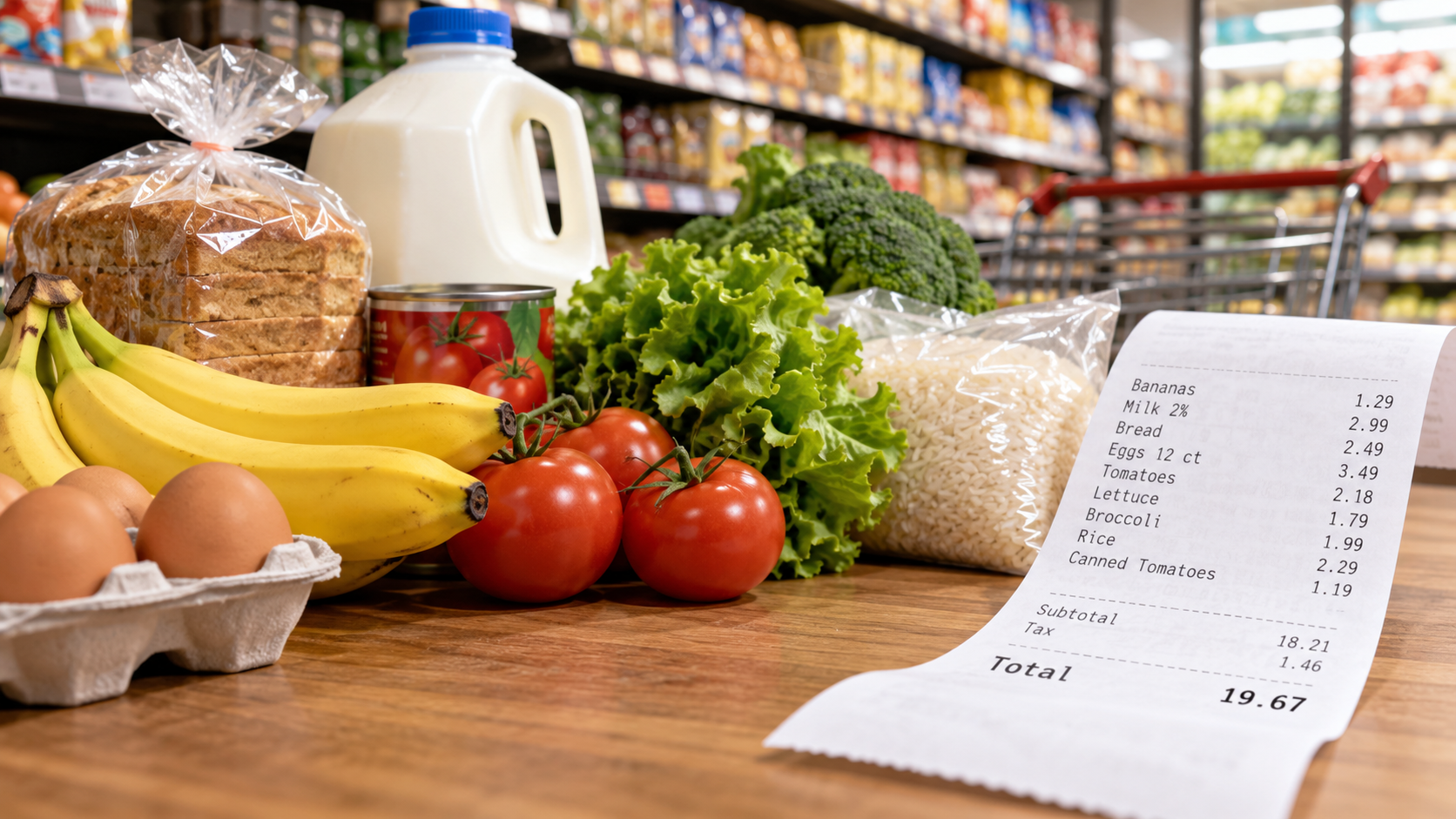
There is a paradox at the supermarket checkout: the latest monthly US grocery inflation reading showed a small decline, yet food producers and retailers are preparing for another wave of cost pressure. Both developments can be accurate because the consumer price index measures what happened to retail prices, not every expense that will influence prices over coming months.
The Bureau of Labor Statistics reported that the food-at-home index fell 0.1% in September 2026 from the previous month, while remaining 1.8% higher than a year earlier. Supermarket News covered that modest decrease. It would be misleading to turn one month’s decline into a claim that the cost-of-living problem has disappeared.
Why prices can pause while costs rise
Retailers do not change every shelf label the instant crude oil, fertilizer or packaging costs move. Many buy through contracts, hold inventories, hedge some inputs and adjust prices selectively. Competing stores may temporarily accept lower margins to maintain customer traffic. This creates a lag between changing supplier conditions and the consumer prices visible in official data.
Reporting by the Financial Times points to diesel, freight and other input costs as renewed sources of concern. That is a plausible channel: food must be produced, processed, refrigerated and transported, sometimes through several distribution centers, before it reaches a shelf.
Not every aisle moves together
A headline grocery index hides distinct markets. September’s BLS release showed declines in beef and dairy prices during the month but increases for some beverages, fruits and vegetables. Seasonal harvests, disease outbreaks, transportation costs and global commodity conditions affect different products on different schedules.
A household that spends heavily on fresh produce may experience a different inflation rate from one buying mostly shelf-stable goods. This is why household budgets often feel disconnected from the national average. Useful service journalism compares a consistent basket over time instead of selecting the most dramatic products after the fact.
Supermarket strategies during inflation
Large chains use private-label products, promotions, loyalty pricing, purchasing scale and supplier negotiations to compete for spending. Discount grocers may emphasize simple store formats and limited assortments. Premium formats may focus on convenience or prepared foods. These strategies do not change the official inflation rate mechanically, but they do affect the price choices consumers face.
Retailers also make trade-offs. Heavy discounts can boost traffic but reduce margins; frequent price changes can confuse shoppers; and private-label expansion can improve value while increasing reliance on a narrower pool of manufacturers.
What households can do without chasing every promotion
Compare unit prices, not only package prices. Plan around a handful of adaptable meals and substitute among comparable ingredients when one category spikes. Check whether a discount requires a loyalty account or bulk purchase that leads to waste. A lower price is not a saving if the product will expire before it is used.
For tracking inflation personally, retain a small set of recurring receipts and calculate the total for identical quantities monthly. Do not compare a holiday basket with a routine basket; the difference may reflect what you bought rather than price increases.
What could change the outlook?
Oil prices, freight costs, farm conditions, tariffs, labor costs and retailer competition will all matter. The 12-month measure can accelerate even if some individual months remain mild. Forecasts should be labelled as forecasts, not as prices already paid.
An effective supermarket news article serves two audiences: investors evaluating margins and families trying to budget. The relevant questions are connected but not identical. Higher selling prices may lift revenue while reducing volumes and worsening customer trust.
How to read the next inflation release
The difference between month-on-month and year-on-year inflation is especially important. A 0.1% monthly fall after earlier increases does not return the price level to where it was before the increases. Likewise, a 12-month inflation rate can ease because last year’s unusually large price rise drops out of the comparison, even if shoppers see no actual cut today. The food-at-home index is a standardized economic measure, while the household’s experience depends on its purchasing mix and store choices. When the next BLS release arrives, compare monthly moves for food at home, food away from home and energy, then assess whether higher freight costs are appearing across multiple categories.
Frequently asked questions
Did grocery prices fall in September 2026?
The US food-at-home index declined 0.1% month on month, but was still up 1.8% over 12 months, according to BLS.
Why do grocers expect pressure later?
Fuel, transportation, packaging and agricultural inputs can take time to show up in retail prices.
Are private-label groceries always cheaper?
Often, but not always. Compare price per unit, quality and the quantity actually needed.
Discover more from The Economy
Subscribe to get the latest posts sent to your email.


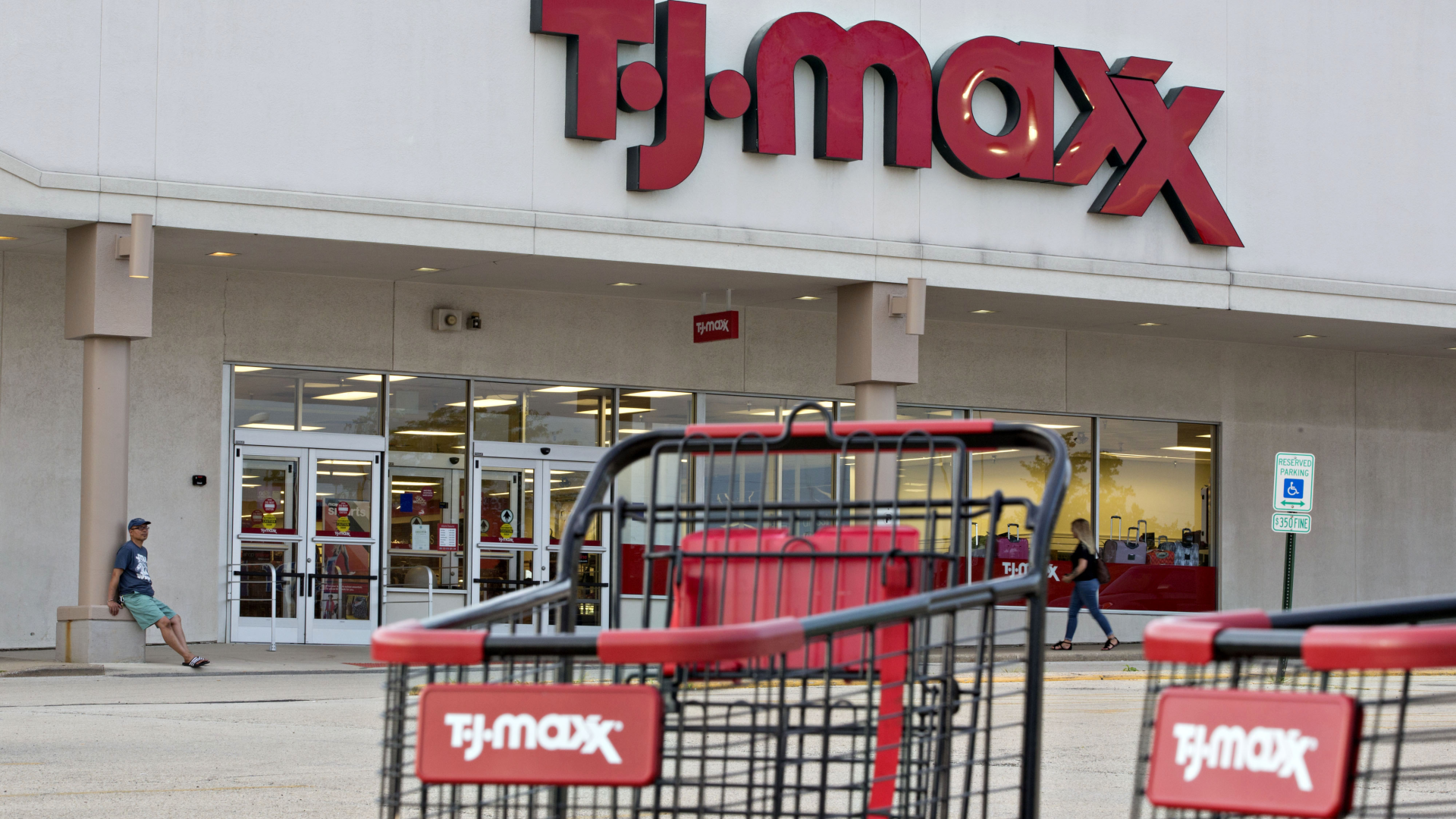
TJ Maxx is closing a few stores while opening dozens more, and that is the part most “store closing” headlines leave out.
Key Takeaways
- No company-wide closure plan has been announced. In the quarter ended August 1, 2026, TJX added 23 stores and reached 5,285 locations, per its SEC filing.
- TJ Maxx’s own U.S. count rose from 1,354 to 1,359 in that quarter (same filing).
- The best-known closure is Boston’s Newbury Street flagship. TJX told the state it would lay off 117 employees beginning January 5, 2026, according to NBC Boston.
- Individual stores can still close. Off-price chains routinely trim weak locations while expanding elsewhere.
| TJX store count (U.S. and Canada banners) | Start of Q2 FY27 | End of Q2 FY27 |
|---|---|---|
| TJ Maxx | 1,354 | 1,359 |
| Marshalls | 1,265 | 1,267 |
| HomeGoods | 969 | 973 |
| Sierra | 153 | 156 |
| Homesense | 84 | 86 |
| Winners (Canada) | 319 | 320 |
| TJX total (all banners) | 5,262 | 5,285 |
Source: TJX Q2 FY2027 earnings release on SEC.gov.
Is TJ Maxx Closing Stores in 2026?
Yes, a few. No, not in the way struggling retailers do.
Retail overall is shrinking in places. Business Insider counted more than 1,200 U.S. store closures so far this year, according to a roundup carried by AOL, including Macy’s, which is closing around 150 locations through 2026, and Pizza Hut, which is closing around 250 underperforming restaurants.
TJ Maxx belongs in a different bucket. Its parent is growing the store base, not shrinking it.
The Newbury Street Closure, Explained
The three-story Back Bay store at 360 Newbury Street was the most visible closure. TJX filed a Worker Adjustment and Retraining Notification (WARN) with the state, and layoffs were slated to begin January 5, 2026 (NBC Boston).
TJX has framed such moves as routine real estate decisions rather than distress. That is consistent with the numbers below.
How Is the Business Actually Doing?
| Metric (Q2 FY2027, quarter ended Aug 1, 2026) | Result |
|---|---|
| Net sales | $15.2 billion, up 5% |
| Consolidated comparable sales | Up 4% |
| Diluted EPS | $1.36 vs. $1.10 a year earlier |
| Pre-tax profit margin | 13.3% vs. 11.4% |
| Returned to shareholders | $1.3 billion via buybacks and dividends |
Source: TJX Form 10-Q on SEC.gov.
One soft spot: the U.S. apparel division that includes TJ Maxx and Marshalls (Marmaxx) posted comparable sales growth of only 1%, below management’s expectations, while HomeGoods and the international divisions outperformed (Just Style). A weaker core division is the kind of thing that can lead to pruning individual stores, even in a healthy company.
The Expansion Plan
TJX plans to accelerate store growth to roughly 4% a year starting in fiscal 2028 and raised its long-term global store target by 500 to 7,500 locations (Just Style). Companies planning to add hundreds of stores a year are not winding down.
Are Your Local Stores Safe?
Nobody outside TJX can promise that a specific store will stay open, but you can read the signals:
- Check for WARN notices. Large closures trigger state filings, which local business journals often report.
- Look for lease and mall news. Stores in redeveloped or declining centers are most exposed.
- Watch for relocations. Many “closings” are moves to a better site nearby.
- Use the official store locator. It reflects current status faster than social media rumors.
- Be skeptical of viral lists. Many “closing locations” posts recycle old stories or confuse different chains.
Why Do Rumors Spread?
Search interest spikes whenever a well-known store closes. Because retail headlines are dominated by bankruptcies and mass closures, a single TJ Maxx closure gets read as part of that pattern even when the data says otherwise.
Frequently Asked Questions
Is TJ Maxx going out of business?
No. Sales, profit, and store count were all up in the latest quarter (SEC).
How many TJ Maxx stores are there?
1,359 in the U.S. as of August 1, 2026, and 5,285 stores across all TJX banners (SEC).
Which TJ Maxx store closed in Boston?
The Newbury Street location in Back Bay (NBC Boston).
Is TJX opening more stores?
Yes, with a stated target of 7,500 stores globally (Just Style).
Does a closing mean employees lose their jobs?
Not always. In prior TJX closures, the company said affected workers were offered positions at nearby stores; check the specific notice for details.
In retail, a closing sign on one door often means a bigger door is opening somewhere else.
Discover more from The Economy
Subscribe to get the latest posts sent to your email.

Holiday Airfare 2026: Why Flights Cost More & Fares

California Prop 40 Explained: The 2026 Billionaire Wealth Tax Ballot Measure

US–Iran Conflict in October 2026: Hormuz, Oil Prices and Diplomacy

AIIB in 2026: Can Green Infrastructure Deliver Measurable Growth?

IMF and World Bank Outlook 2026: Growth, Debt and the Missing Investment

Singapore Stocks 2026: STI Outlook After a Record High

Asian Markets in October 2026: What the AI Sell-Off Means for Investors

Supermarket News 2026: Why Grocery Prices Could Rise Again

Wind Farm Economics in 2026: What Determines Whether a Project Pays?

Boomers vs Young Adults: Why the Net Worth Gap Is More Complicated Than It Looks

Is the AI Bubble Bursting in 2026? Five Tests Investors Should Watch

Germany–France ‘Made in Europe’ Deal Could Reshape China’s EV Ambitions

Treasury Yields and Inflation 2026: What Bond Moves Mean for Borrowers

Social Security COLA 2027 Is 3.6%: Payments, Examples and Dates

World’s Largest Economies: Ranking the Top Global Powers

Crude Oil & Petroleum Market Analysis: OPEC+ Decisions and Price Forecasts

Pakistan Economy 2026: Inside the SBP’s Balancing Act

Bitcoin Price Forecast 2026–2027: Will the 4-Year Cycle Hold?

Asian Stock Markets 2026: Japan, China, Pakistan & More

Silver Price Today: Why the Xi-Trump AI Standoff Is Fueling a Safe-Haven Rally

SpaceX IPO 2026: History’s Biggest Stock Debut?

SpaceX IPO: How Aerospace Is Reshaping Tech Startup News

Oil Prices 2026: Inside the Hormuz Crisis That Won’t End

Algorithmic Dogfights: Why the U.S. and China Must Establish Rules of Engagement for Autonomous Air Power

IMF Reports 2026: What the Latest Data Means for the Global Economy

Top US Convenience Store Chains: Store Counts, EV Charging, and Sales Trends

Business Insurance: What Coverage You Actually Need and What It Costs in 2026

Corporate America Faces a New Debt Test as US Borrowing Costs Surge
-

 Markets & Finance9 months ago
Top 15 Stocks for Investment in 2026 in PSX: Your Complete Guide to Pakistan’s Best Investment Opportunities
-

 Analysis8 months ago
Johor’s Investment Boom: The Hidden Costs Behind Malaysia’s Most Ambitious Economic Surge
-

 Analysis8 months ago
Top 10 Stocks for Investment in PSX for Quick Returns in 2026
-

 Banks9 months ago
Best Investments in Pakistan 2026: Top 10 Low-Price Shares and Long-Term Picks for the PSX
-

 Analysis8 months ago
Brazil’s Rare Earth Race: US, EU, and China Compete for Critical Minerals as Tensions Rise
-

 Investment9 months ago
Top 10 Mutual Fund Managers in Pakistan for Investment in 2026: A Comprehensive Guide for Optimal Returns
-

 Global Economy10 months ago
15 Most Lucrative Sectors for Investment in Pakistan: A 2025 Data-Driven Analysis
-

 Global Economy10 months ago
Pakistan’s Export Goldmine: 10 Game-Changing Markets Where Pakistani Businesses Are Winning Big in 2025