
Events
Feeding the Future: Joining the Asia and the Pacific Food Systems Forum 2026


The countdown to a more resilient food future has begun. From 16–19 March 2026, the Asian Development Bank (ADB) will host the Asia and the Pacific Food Systems Forum at its headquarters in Manila and online.
As the region grapples with the intersection of climate change, water scarcity, and rising food costs, this forum serves as a critical pitstop on the road to transformation. Under the theme “Feeding the Future, Sustaining the Planet,” global leaders and innovators will gather to turn ADB’s $40 billion food systems commitment into tangible action.
🌏 Event At-a-Glance
| Feature | Details |
| Dates | 16 – 19 March 2026 (GMT+8) |
| Format | Hybrid (Onsite at ADB HQ, Manila + Virtual Access) |
| Theme | Feeding the Future, Sustaining the Planet |
| Cost | Free (Travel/Lodging for onsite attendees not included) |
| Deadline | Register by 15 February 2026 |
💡 Why This Forum Matters
Asia and the Pacific are at a tipping point. This isn’t just another conference; it’s a collaborative engine designed to tackle “permacrisis” head-on. The agenda bridges the gap between high-level policy and boots-on-the-ground innovation.
Key Highlights Include:
- Flagship Showcases: Deep dives into initiatives like Glaciers-to-Farms, Sustainable Rice Farming, and the Pacific Agri-Food Investment Platform.
- Tech & AI: Spotlighting digital and data-driven solutions that can scale productivity without sacrificing the planet.
- Natural Capital: Exploring how nature-positive solutions and “Source-to-Sea” river basin management can safeguard our food supply.
- Nutrition Fair: A vibrant marketplace for cutting-edge research and investment opportunities in nutrition security.
🎯 Who Should Attend?
This forum is a “big tent” event for anyone moving the needle on food security:
- Government Officials from ADB member countries.
- Private Sector Innovators and AgTech startups.
- Development Partners (MDBs, UN agencies, and donors).
- Academia & Think-Tanks researching sustainable agriculture.
- Civil Society advocates for inclusive and rural revitalization.
📋 Objectives: The Roadmap to Success
The forum aims to do more than just discuss—it aims to deliver. The core goals include:
- Reporting Progress: Tracking the performance of ADB’s massive food systems investment.
- Mapping Solutions: Identifying innovations across every pillar of the food supply chain.
- Mobilizing Finance: Strengthening partnerships to fund climate-resilient agriculture.
- Setting the Agenda: Guiding the discussions for the upcoming ADB Annual Meeting in May 2026.
📝 How to Secure Your Spot
Participation is free, but registration is mandatory for both virtual and in-person attendees.
Note for Onsite Hopefuls: Space at the Manila HQ is limited. Filling out the registration form does not guarantee an onsite seat; please wait for a formal confirmation email from the Secretariat before booking your travel.
Registration Deadline: 15 February 2026
To register for the event , fill out this form on or before 15 February 2026.
Discover more from The Economy
Subscribe to get the latest posts sent to your email.


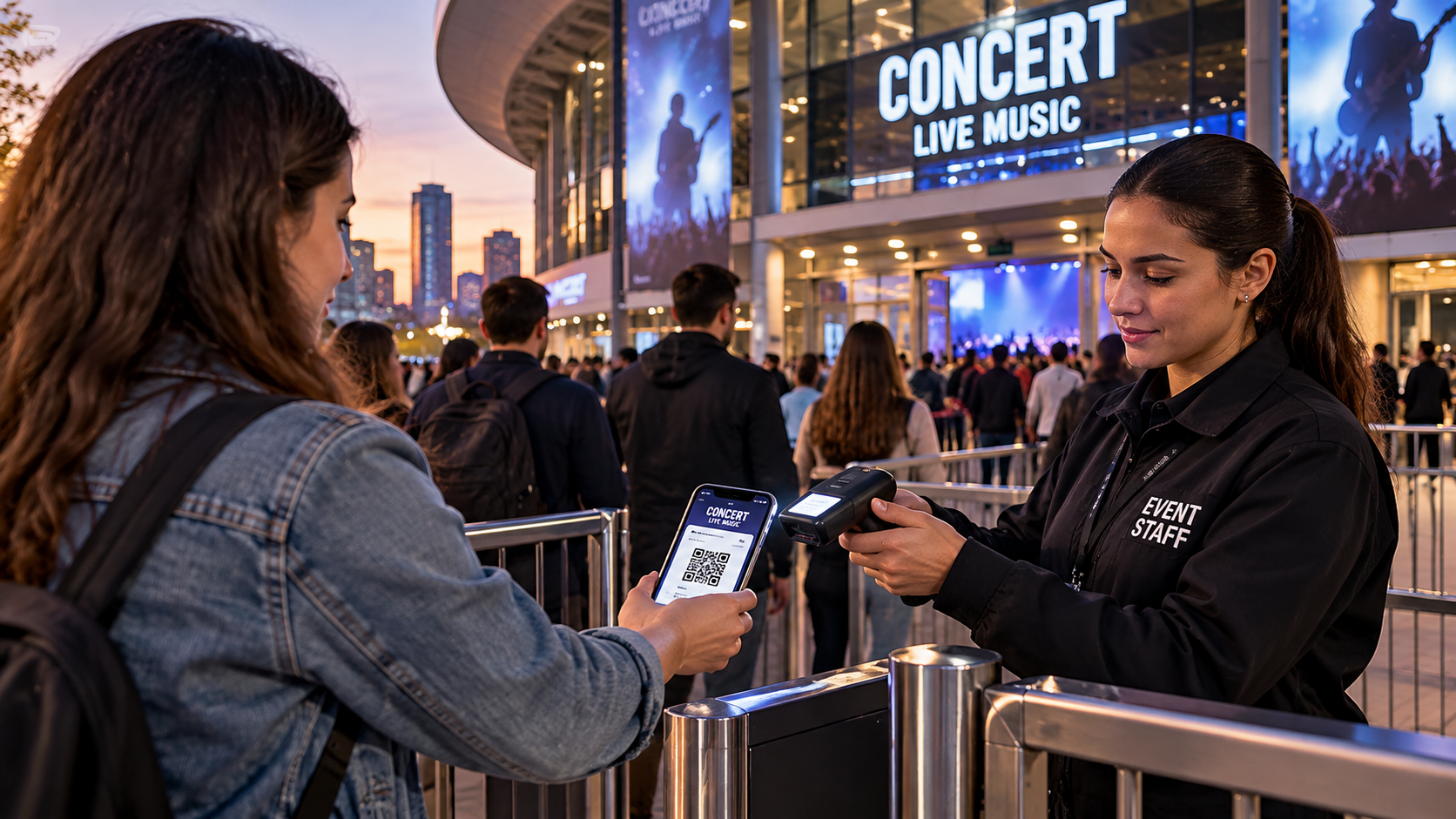
Price transparency and dynamic pricing are different issues. Compare the mandatory total and resale terms before committing to an event. Research cutoff: October 12, 2026; confirm developing facts before publication.
What is happening and why readers are searching
Fans shopping for concerts frequently find that an attractive listed ticket price does not describe the whole purchase. The Federal Trade Commission’s rule on unfair or deceptive fees, effective May 12, 2025, requires upfront disclosure of total mandatory prices for covered live-event tickets and short-term lodging offers. It does not ban dynamic pricing or prohibit a particular fee amount. Sources: Federal Trade Commission and FTC job scam guidance.
The important context competitors can overlook
Dynamic pricing can change the base ticket price in response to demand. Resale listings add another layer of uncertainty: the buyer should identify the seller, venue transfer method, seating details, restrictions and refund terms. A prominent “VIP” description may not include the experience the customer assumes. Consumers should judge the final basket total, not the teaser price. For primary-source checks and current reporting, see Federal Trade Commission and IFPI. The key distinction is reader-oriented fee transparency and scam prevention.
A practical way to use this information
Before paying, visit the artist or venue’s official ticket links, confirm the total including mandatory charges and keep a screenshot of checkout terms. Compare with authorized resale platforms where permitted. Be wary of social accounts requesting wire transfers or cryptocurrency. If prices exceed budget, set an upper limit rather than allowing scarcity messaging to dictate spending.
What to verify before making a decision
The right next step is to identify the source, timestamp and applicable market or jurisdiction. Check whether a number is a historical observation, official announcement, target, forecast or scenario. If you intend to act financially, legally or commercially, use the relevant provider’s current terms and obtain professional advice where appropriate. The sources cited here establish context; they are not a substitute for live prices, individual eligibility checks or binding agreements.
Reader questions
Did the FTC ban ticket service fees?
No. Its rule targets deceptive display of mandatory fees and total prices.
Can tickets still use dynamic pricing?
Yes. The rule does not prohibit pricing strategies as such.
What the total ticket price should tell you
An advertised concert ticket might display a face value before mandatory service or facility fees are added. U.S. Federal Trade Commission rules for covered live-event ticket sales require disclosure of the total price including mandatory fees, with certain permitted exclusions such as applicable taxes or optional add-ons handled according to the rule. This consumer-protection framework is not a cap on prices and does not prohibit dynamic pricing. The critical editorial distinction is between how a price is disclosed and how the price itself is set. A correctly disclosed expensive ticket may still be expensive.
If a ticket is listed at $90 but carries unavoidable charges totaling $25, a shopper should evaluate the $115 total rather than treating $90 as the economic commitment. Two providers listing the same artist and section may also have different terms, transferable rights or guarantees. Before checkout, look for a full price, seat location, refund conditions and any separate costs for parking or travel. The FTC’s official fee-rule guidance explains the covered disclosures and limits.
Dynamic pricing is a market system, not a single fee
Dynamic pricing refers broadly to changes in offered prices based on factors such as demand, remaining inventory or timing. It is distinct from a fixed mandatory service charge. A ticket can become more expensive because the offered face price changes, because inventory moves into a higher-priced category or because the buyer is shopping a resale marketplace. An article that treats every increase as a hidden fee loses this nuance. Consumers should save the total checkout price and evaluate it against their budget, not assume that a lower price is guaranteed if they refresh a webpage later.
Presales add another layer. Access to a code or membership may give a fan a chance to buy before a general sale, but it does not necessarily guarantee availability or a particular price. Fans should read whether a presale requires a paid membership or special card and whether those costs are worthwhile. Fear of missing out is a powerful sales driver; a clear spending ceiling set in advance can counter pressure to accept a ticket that becomes unaffordable.
Primary sale, verified resale and risky third-party links
Primary tickets are generally offered through the event’s authorized seller, while resale listings may be posted by previous buyers or brokers. Authorized resale platforms can provide transfer and authenticity processes, but a displayed resale listing is not the same as a seat being available from the artist’s primary allocation. The buyer should determine which marketplace they are using, how tickets are delivered and what happens if the event is canceled or postponed. Buyer guarantees can differ, so review the actual terms.
Imitation ticket sites may rank in search results or appear in sponsored promotions. A fraudulent seller might send a static image of a barcode that cannot be transferred or accepted. Avoid payment by gift card, cryptocurrency or person-to-person methods when such payment removes meaningful purchase protection. Navigate from the performer’s or venue’s official website when locating the authorized ticket source. Retain receipts and confirmation numbers.
What a concert trip really costs
A $140 ticket can become a much larger commitment after transportation, parking, meals, accommodation and child care. If the show is in another city, also consider change or cancellation penalties. For example, two hypothetical $140 tickets cost $280, but $60 in travel, $35 in parking and $80 for food bring the evening to $455. A person who compares only the per-ticket price may be surprised by the final household cost. A price comparison is more helpful when it includes the whole event budget.
Sometimes a neighboring city’s show offers a lower face price but creates more travel expense; other times better seating or a convenient date makes the higher ticket price worthwhile. Value is subjective, but total cost is measurable. Establish a maximum budget across tickets and travel rather than increasing the ticket budget while ignoring the accompanying charges.
If the show is canceled, postponed or rescheduled
Refund and exchange rights can differ depending on the event terms, platform, jurisdiction and nature of the schedule change. A cancellation is not identical to a postponed concert with a replacement date. Review the organizer’s official notice and the seller’s policy before requesting a chargeback. A venue’s statement should not be confused with an unverified social-media rumor. Travel expenses may be governed by entirely separate supplier agreements even if ticket money is returned.
The best consumer article helps readers distinguish price transparency, seat availability, resale protection and cancellation rights. Those are related aspects of ticket buying, but none can be reduced to a single “junk fees” headline.
Three decisions that protect concert buyers
Choosing between the original seller and resale: Compare the entire checkout price, guarantee and transfer method. A resale seat might be more expensive despite an apparently attractive listing. A ticket bought through an unauthorized seller can introduce uncertainty about validity. Follow verified artist or venue links, especially during a high-demand presale.
Deciding whether a premium seat is worth it: Compare the extra cost with sightlines, proximity and any included services. Premium packages sometimes include amenities, but the value depends on what is actually delivered. A fan who simply wants to hear the performance may prefer a lower-cost seat, while another may value accessibility or a particular viewing position. Neither choice is inherently correct.
Handling a postponed event: Read the organizer’s final notice and ticket platform terms before assuming a refund is automatic or unavailable. Save the original event date and purchase confirmation. Separate ticket policies from hotel and transport arrangements, which may need their own cancellation requests.
Discover more from The Economy
Subscribe to get the latest posts sent to your email.
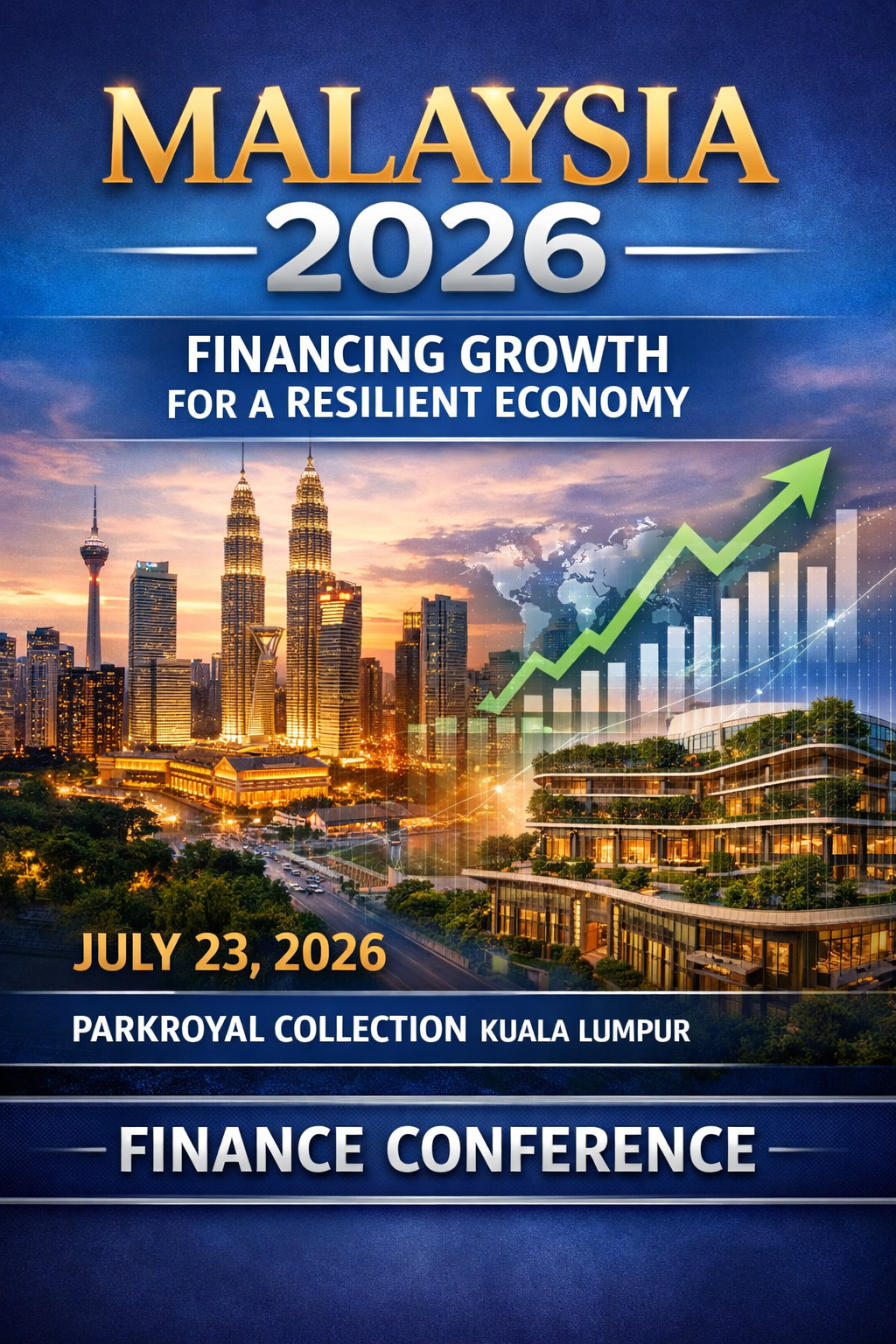
Malaysia’s flagship finance event, Unlocking Capital for Sustainability (UCFS) 2026, will take place on July 23, 2026 at the PARKROYAL COLLECTION Kuala Lumpur, bringing together policymakers, financiers, and industry leaders to explore “Financing Growth for a Resilient Economy.” The one-day conference will focus on mobilizing capital for sustainable investment, inclusive growth, and resilience amid global uncertainty.
📅 Event Overview
- Event Name: Malaysia 2026 – Financing Growth for a Resilient Economy
- Date: Thursday, July 23, 2026
- Venue: PARKROYAL COLLECTION Kuala Lumpur
- Organizers: Eco-Business in partnership with UNDP, supported by AmBank Group, Control Union, and RSPO
🎯 Key Themes
- Sustainable Finance: Mobilizing institutional and private capital for climate adaptation and resilience.
- Resilient Growth: Strengthening regulatory and financial systems to withstand global shocks.
- Circular Economy: Financing industrial transformation and decarbonization.
- Energy Security: Exploring the ASEAN Power Grid and regional energy resilience.
- Digital Transformation: Addressing the resource demands of AI and data centres.

🎤 Featured Speakers
- Edward Vrkić – UNDP Malaysia, Singapore & Brunei
- Noor Akmar Shah Mohd Nordin – Malaysia National Adaptation Plan (MyNAP)
- Amanah Aboobucker – Chief Sustainability Officer, AmBank Group
- Christina Ng – Co-Founder, Energy Shift Institute
- Perpetua George – Sustainability & Climate Change Director, PwC Malaysia
- YB Charles Santiago – ASEAN Parliamentarians for Human Rights
- Chai Kien Poon – Country Head, Funding Societies Malaysia
- Nadhilah Shani – ASEAN Centre for Energy
🏙️ Why It Matters
Malaysia is positioning itself as a regional leader in sustainable finance, aiming to attract large-scale investment into adaptation and resilience projects. The event will highlight:
- Climate resilience for SMEs
- Nature and biodiversity finance
- Transparency and human rights in finance
- Industrial decarbonization and ESG integration
📌 Registration Details
- Promo Code: UCFSMY25OFF (25% discount for Eco-Business community)
- Eligibility: HRDC funding available for participants

Discover more from The Economy
Subscribe to get the latest posts sent to your email.
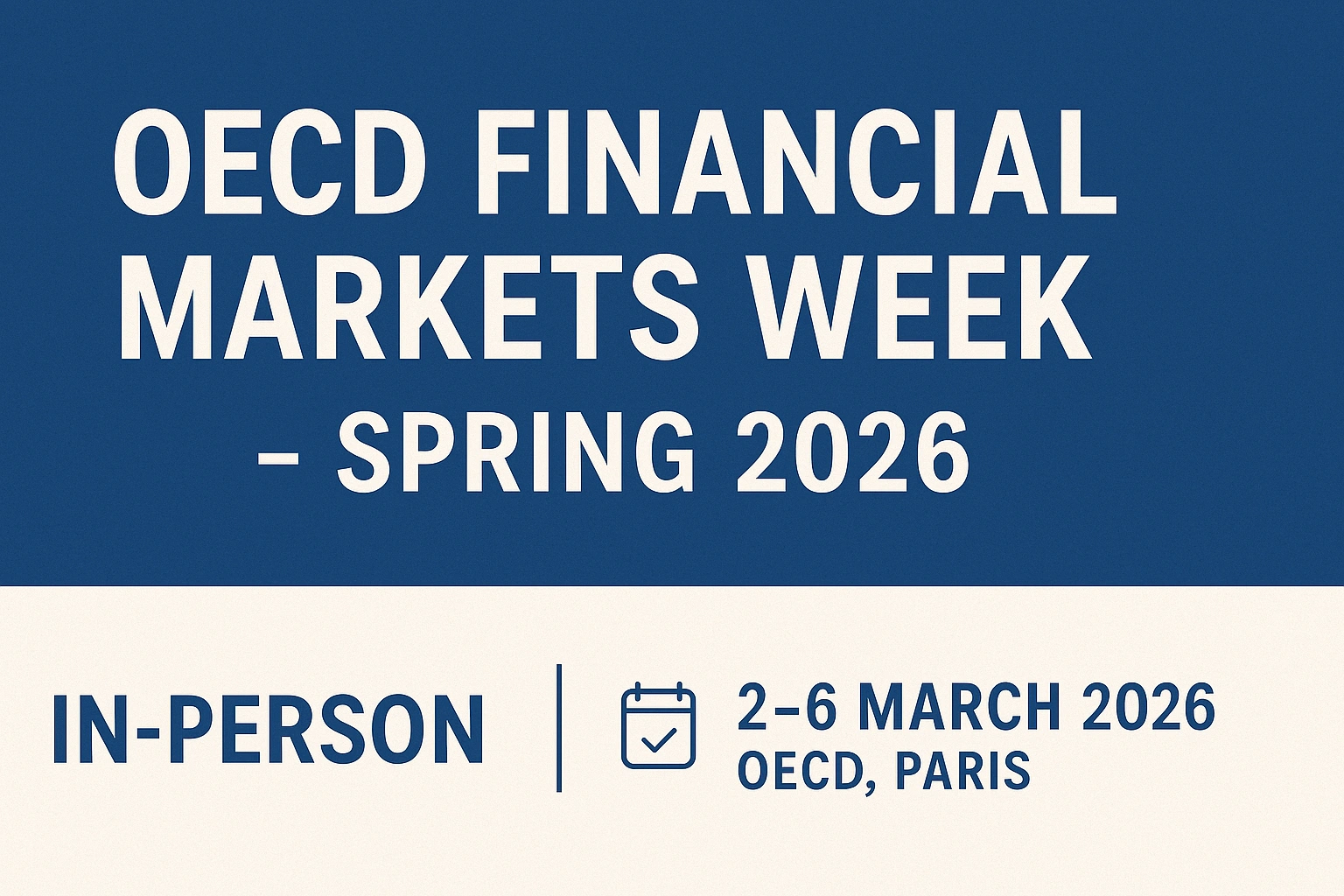
📍 OECD Headquarters, Paris 📅 2–6 March 2026
Shaping the Future of Global Finance
The OECD Financial Markets Week – Spring 2026 will bring together policymakers, economists, regulators, and industry leaders for five days of in-depth dialogue on the evolving landscape of global finance. Hosted at the OECD headquarters in Paris, this in-person event will serve as a hub for collaboration, innovation, and forward-looking strategies.
What to Expect
- High-Level Panels & Keynotes: Insights from leading voices on financial stability, sustainable investment, and digital transformation in markets.
- Workshops & Roundtables: Interactive sessions tackling pressing issues such as fintech regulation, ESG integration, and cross-border capital flows.
- Networking Opportunities: Connect with global peers, thought leaders, and decision-makers in the heart of Paris.
- Policy Innovation: Explore OECD’s latest research and recommendations shaping the future of financial governance.
Why Attend?
Financial markets are at a crossroads—balancing resilience, sustainability, and technological disruption. This week-long program offers participants the chance to:
- Gain exclusive access to OECD’s cutting-edge analysis.
- Contribute to shaping international financial frameworks.
- Build partnerships that drive impact across borders.
Event Details
- Dates: 2–6 March 2026
- Format: In-person
- Location: OECD Headquarters, Paris
✨ Whether you’re a policymaker, financial strategist, or academic, OECD Financial Markets Week – Spring 2026 is the place to engage with the ideas and people redefining the future of finance.

Discover more from The Economy
Subscribe to get the latest posts sent to your email.

Stock Market Crash in 2026? Warning Signs, Scenarios and a Calm Investor Checklist

Peso Mexicano vs Dólar Estadounidense: A Practical USD/MXN Guide for October 2026

Is the Stock Market Open on Columbus Day 2026? NYSE, Nasdaq and Bonds Explained

Concert Ticket Prices in 2026: Dynamic Pricing, Fees and How to Buy Safely

High-Yield Savings Accounts in 2026: How to Compare APY Without Chasing a Headline

EU-China Trade Deal 2026: How Beijing and Brussels Avoided a Trade War—and Who Wins

Social Security 2027 COLA Announcement: Date, Formula and What Retirees Should Check

China’s AI Microdrama Boom: How Beijing Is Reshaping Global Media

Q3 2026 Earnings Preview: Can Record Profit Expectations Keep Wall Street’s Rally Alive?

Russia Diesel Deal 2026: Oil Prices and Inflation Risks

Fed Rates 2026: Treasury Yields, Bonds and SGOV Explained

S&P 500 Market Breadth 2026: Weak Rally or Rotation?

The AI Capex Boom: Data Centers Reshaping Growth

Palantir Stock in 2026: Extraordinary AI Growth

PSX Forecast 2026: KSE-100, IMF Reviews & Geopolitics

Middle East War Economics 2026: Oil Prices & Energy Markets

China Stocks Today: Are Big Economies in Asia Nearing a Market Bottom?

Crypto Daily Outlook: Bitcoin, Altcoins, and the Future of Decentralized Finance

Global Pension Systems Ranked: The World’s Best and Worst Retirement Frameworks

World’s Largest Economies: Ranking the Top Global Powers

Elon Musk’s Next Moves: Disrupting the 2026 Global Economy

Pakistan Economy 2026: Inside the SBP’s Balancing Act

World Bank & IMF Reports 2026: Why the “3% Growth” Consensus Is Actually a Debate

GasBuddy Market Insights: How Crude Price Shifts Impact Local Fuel Cost Averages

Crude Oil & Petroleum Market Analysis: OPEC+ Decisions and Price Forecasts

Global Equity Market Divergence: US Tech vs. European Dividend Stocks vs. Asian Growth

IMF & World Bank Global Economic Outlook: Growth Forecasts Across Europe and Asia

Silver Price Today: Why the Xi-Trump AI Standoff Is Fueling a Safe-Haven Rally
-

 Markets & Finance9 months ago
Top 15 Stocks for Investment in 2026 in PSX: Your Complete Guide to Pakistan’s Best Investment Opportunities
-

 Analysis8 months ago
Johor’s Investment Boom: The Hidden Costs Behind Malaysia’s Most Ambitious Economic Surge
-

 Analysis8 months ago
Top 10 Stocks for Investment in PSX for Quick Returns in 2026
-

 Banks9 months ago
Best Investments in Pakistan 2026: Top 10 Low-Price Shares and Long-Term Picks for the PSX
-

 Analysis8 months ago
Brazil’s Rare Earth Race: US, EU, and China Compete for Critical Minerals as Tensions Rise
-

 Investment9 months ago
Top 10 Mutual Fund Managers in Pakistan for Investment in 2026: A Comprehensive Guide for Optimal Returns
-

 Global Economy10 months ago
15 Most Lucrative Sectors for Investment in Pakistan: A 2025 Data-Driven Analysis
-

 Global Economy10 months ago
Pakistan’s Export Goldmine: 10 Game-Changing Markets Where Pakistani Businesses Are Winning Big in 2025